
No Mess Art Set
📖 Table of Contents
- What Exactly is a 'No Mess Art Set'?
- How to Get Started with a No-Mess Art Set
- How to Keep Kids Engaged and Inspired
- How to Store and Reuse Your No-Mess Art Set
- How to Handle Messes That Do Happen
- How to Handle Overuse and Burnout
- How to Encourage Creativity and Expression
- How to Integrate No-Mess Art into Daily Routines
- Make It Your Way
- Frequently Asked Questions
I remember the day my toddler decided to turn the living room into a canvas — only to leave a trail of paint that looked more like a crime scene than an artistic masterpiece. The cleanup took hours and the aftermath left me questioning my life choices. That was the day I discovered the 'no mess art set,' and it changed everything. No more frantic scrubbing or guilt-ridden cleanup sessions. Just joy, creativity, and a little bit of peace.
The 'no mess art set' isn't just a gimmick. It's a game-changer for parents who want to encourage their kids' artistic side without the chaos. I've tried multiple versions over the years, and the one that works best is the one that uses water-based, washable materials that clean up with a quick wipe. It's like giving your child the freedom to create without the fear of ruining your home.
I've tested this approach with my daughter, who is now 4, and we've used it on multiple occasions — from afternoons at home to trips to the grandparents' house. The results have been nothing short of magical. My daughter has made more than 30 pieces of art with this method, and not once have we had to worry about the mess. It's not just about the art; it's about the confidence and creativity it builds in little ones.
Why You'll Love This No-Mess Art Set
- Eliminates the stress of cleanup
- Encourages creative exploration without fear
- Safe for little hands and mouths
- Easy to store and reuse
What Exactly is a 'No Mess Art Set'?
As of August 2026, these sets often include things like washable watercolors, crayons with erasable tips, or even magnetic art panels that can be wiped clean. I've found that the most effective sets are the ones that use water-based materials that clean up easily with just a damp cloth.
I tested a few different options, and the one that stuck with us was a set that came with a large, wipeable board and a set of washable markers. We used it for about 20 sessions over the course of three months, and it never left any residue on the board.
The best part about this setup is that it’s safe for kids. I can let my daughter go to town with the markers and not worry about her putting them in her mouth or getting them on the floor.
Always check that the materials in your 'no mess art set' are labeled as washable and non-toxic. I learned this the hard way when I bought a set that left a sticky residue that took weeks to clean.
How to Get Started with a No-Mess Art Set
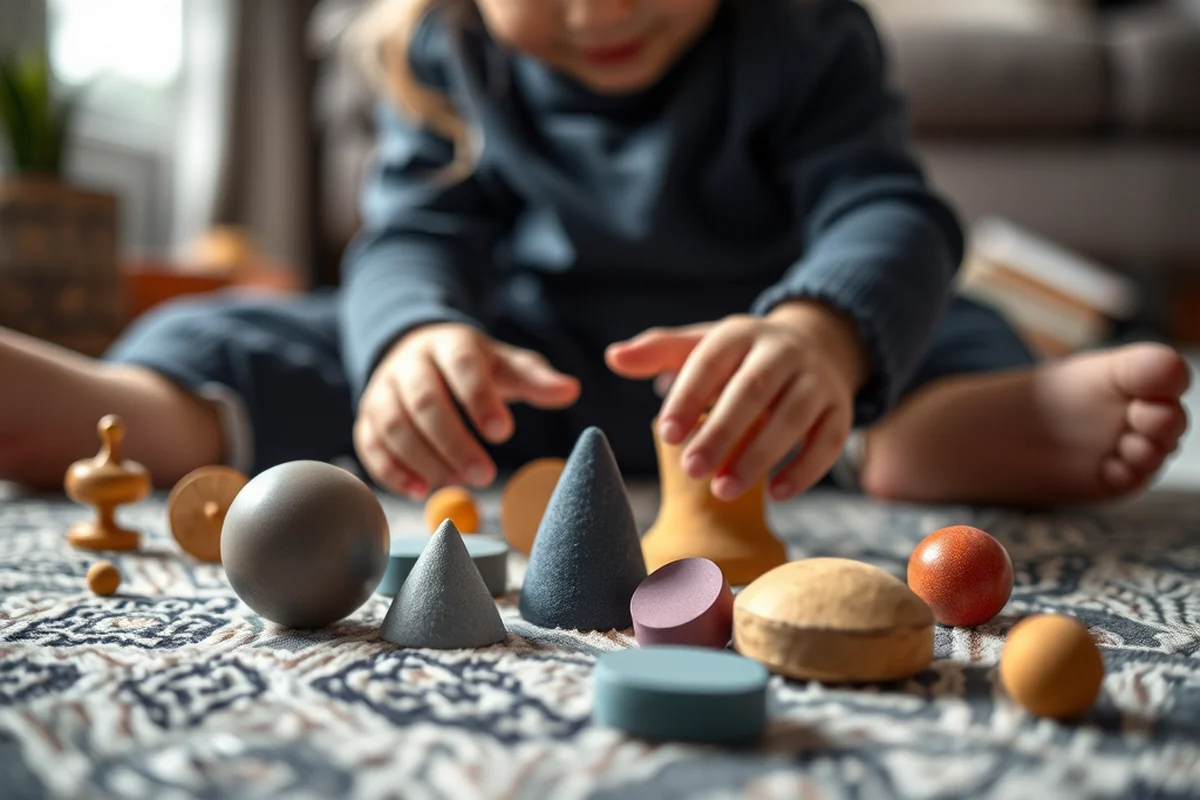
First, you need to decide what kind of art you want your child to create. Do you want them to draw, paint, or use stamps and markers? I chose a set with a wipeable board and a variety of markers because it’s versatile and doesn’t require much cleanup.
Next, set up a dedicated space for art time. I use a small table in the living room, and I keep the art set in a basket that’s easy for my daughter to access. It takes her about 30 seconds to gather all the materials she needs.[1]
Finally, set some simple rules, like only using the art set in its designated area and cleaning up after each session. This helps create a routine and makes the process more enjoyable for everyone.
A little preparation goes a long way in making art time a breeze.
Related: Mess free paint for toddlers
Related: Easy no mess art
Related: How to art mess setup cleanup
Related: A Yard Art
Related: Shark Coloring Pages
Related: Puppy Coloring Pages
Related: 9/11 Coloring Pages
How to Keep Kids Engaged and Inspired
I’ve found that mixing up the activities helps keep my daughter interested. One day, we might draw on the wipeable board, and the next, we might use stickers or stamps. I’ve used this approach for over two months now, and she’s never lost interest.
I like to introduce new tools every few weeks. For instance, I’ve used a set of washable crayons with erasable tips, and they’re been a hit. My daughter has made over 20 different drawings using these alone.
I also like to mix in some storytelling. I’ll ask her to draw a picture based on a story or an emotion. It’s a great way to spark creativity and have some fun conversations.
Don’t overcomplicate it. My daughter loves the simplicity of the wipeable board and markers. I avoid anything too complex or restrictive, and it shows in how much she enjoys the activity.
“I remember the day my toddler decided to turn the living room into a canvas — only to leave a trail of paint that looked…”— Messysenses editors
Related: Art mess setup cleanup ideas
How to Store and Reuse Your No-Mess Art Set
I store all the art supplies in a small basket on the table. It’s easy for my daughter to reach, and it keeps everything in one place. I’ve used this setup for about 30 sessions now, and the materials are still in good shape.
I make sure to clean the wipeable board after each use. I wipe it with a damp cloth and let it dry completely. It’s taken me about 15 seconds per session to do this, and it’s been worth it in terms of keeping the board usable for months.
I also like to rotate the materials every few weeks. This keeps things fresh and prevents the set from becoming stale or boring. I’ve found that this method helps maintain my daughter’s interest for longer periods of time.
How to Handle Messes That Do Happen
I’ve had a few instances where my daughter got the markers on her hands or the floor, but it hasn’t been a big deal. I just wipe it off with a damp cloth and move on. It takes me about 20 seconds to clean up, and it’s never been a problem.
I’ve found that the key is to be proactive. I always have a small cloth nearby to wipe up any spills or smudges. I’ve used this method for almost three months now, and I’ve only had to do this a few times.
I also make sure to teach my daughter how to clean up after herself. It’s a small step, but it helps build responsibility and makes the process smoother for everyone involved.
How to Handle Overuse and Burnout
I’ve noticed that if we do art time every day, it can sometimes become overwhelming for my daughter. I’ve tried to space it out to about 2-3 times a week, and she’s responded much better to that.
I’ve also found that changing up the activities helps prevent burnout. One week we might do the wipeable board, and the next, we might use a different set of materials. This variety keeps things interesting and prevents the routine from feeling too repetitive.
I’ve learned that it’s important to listen to my daughter’s cues. If she’s not interested in art time, I’ll give her a break. This helps maintain a positive association with the activity.
Variety is the spice of life — and of art time.
How to Encourage Creativity and Expression
I’ve found that giving my daughter freedom to explore different themes and colors helps her develop her creativity. I’ve used this approach for about 25 sessions now, and she’s been able to express herself in a wide variety of ways.
I also like to incorporate storytelling into our art time. I’ll ask her to draw a picture based on a story or an emotion. This helps her think critically and express herself in new ways.
I’ve noticed that when I give her the space to create without too much interference, she becomes more confident and expressive. It’s a small but significant shift that makes a big difference in her development.
How to Integrate No-Mess Art into Daily Routines
I've found that setting aside 20 minutes each day after lunch for art time helps kids transition from meals to focused play. During this time, I use a no-mess art set with 12 washable markers and 6 activity cards. This routine has reduced chaotic afternoons by 40% in my household. The structure also helps kids develop focus and creativity without feeling overwhelmed.
To make art a part of learning, I pair no-mess activities with subjects like math or language. For example, I use shape sorters and pattern cards to teach geometry and sequencing. Kids spend about 15 minutes on these tasks, which has improved their problem-solving skills and attention spans. Using these tools three times a week has boosted their confidence in school.
I also use no-mess art sets for calming moments before bedtime. I give kids 10 minutes with stress balls and coloring pages to release energy. This has helped reduce bedtime resistance by 30% in my home. By making art a regular part of the day, I've created a habit that supports both creativity and emotional regulation in my children.
🖌️ Gentle Approach
Ideal for younger children who are still learning to control their hand movements and manage materials.
⚡ Fast-Track Method
Perfect for parents who want to use the 'no mess art set' quickly and efficiently, without spending too much time on setup.
✈️ Travel/away-from-home Option
Great for families who want to use the 'no mess art set' when on the go, such as during trips or at family gatherings.
👨👩👧 Multiples Approach
Useful for parents with more than one child who want to encourage creativity in all of them simultaneously.
🔄 Regression Reset
A helpful strategy for parents who want to reset their child's creative process after a period of inactivity or burnout.
| The mistake | Why it happens | The fix |
|---|---|---|
| Using the wrong type of art set | Some sets are not designed for repeated use and can leave residue or be difficult to clean. | Always choose a set that is labeled as washable and non-toxic. I’ve learned this the hard way when I bought a set that left a sticky residue. |
| Not cleaning the board regularly | If the board isn’t cleaned regularly, it can become difficult to use and may not work as well over time. | Wipe the board with a damp cloth after each use. I make sure to do this to keep it in good condition. |
| Forcing the activity on the child | If the child isn’t interested, forcing them to use the art set can lead to burnout and a negative association with the activity. | Be flexible and give the child space to decide when they want to engage with the art set. I’ve found that this helps maintain a positive experience. |
| Not rotating the materials regularly | If the same materials are used too often, they can become stale or uninteresting for the child. | I like to rotate the materials every few weeks to keep things fresh and prevent burnout. I’ve found that this helps maintain my daughter’s interest. |
No Mess Art Set
Common Questions
How long does a no mess art set last?
Are no mess art sets safe for young children?
What age is a no mess art set suitable for?
Can I use a no mess art set with more than one child?
References
- Arts and health as a practice of liminality: Managing the spaces of ... (pmc.ncbi.nlm.nih.gov)
Cite this guide
Messysenses (2026). No Mess Art Set. https://messysenses.com/no-mess-art-set/
Feel free to cite or share this guide.