
Painting Projects For Toddlers
📖 Table of Contents
- Finger Painting on Paper: A Classic for a Reason
- Sponge Painting on Large Canvases
- Using Washable Paint on the Floor or Wall
- Creating Collages with Paint and Stickers
- Using Natural Materials for a Sensory Experience
- Painting with Dots and Stencils
- Creating a Painting Wall for Regular Use
- Make It Your Way
- Frequently Asked Questions
I remember the first time my toddler dipped her fingers into a pot of washable paint. It was messy, chaotic, and completely worth it. Watching her transform a blank canvas into a swirling masterpiece was one of those moments that made me feel like a real parent — not just someone who feeds and bathes a child. Someone who helps them explore the world. Painting projects for toddlers are more than just a way to spend an afternoon; they’re a gateway to creativity, fine motor development. A little bit of messy fun that’s hard to beat.
When I first started looking into toddler-friendly painting activities, I was overwhelmed by the options. Some were too complex, others too expensive, and most didn’t account for the sheer mess that comes with a toddler and a paintbrush. But over time, I found that the best painting projects for toddlers are the ones that are simple, safe, and designed with their little hands in mind. These projects don’t need to be perfect — in fact, the messier the better, as long as the child is learning and having fun.
From finger painting on paper to using sponges to create texture on a large canvas, there’s no shortage of painting projects for toddlers that can be both educational and entertaining. I’ve tested dozens of these ideas. I can tell you with certainty that the most successful ones are the ones that allow the child to take the lead, while the parent stays nearby — ready to wipe up a mess, offer encouragement, or even join in the fun.
Why You'll Love This Article
- Discover 7 creative painting projects that are safe, simple, and perfect for toddlers
- Learn how these activities boost motor skills and imagination
- Get practical tips to keep your home clean and your child happy
- Find out how to choose the right materials without breaking the bank
Finger Painting on Paper: A Classic for a Reason
As of October 2026, Finger painting is a simple yet effective way to introduce toddlers to the joys of art. I’ve used this activity with my daughter since she was 16 months old, and it’s been a hit every time. All you need is a few sheets of paper and some washable, non-toxic finger paints — which you can buy for as little as $10 at most stores. The best part? The entire process is contained to the paper, so cleanup is easy.[1]
The act of using their fingers to create shapes and colors helps toddlers develop fine motor skills and hand-eye coordination. I’ve noticed that my daughter’s grip has become stronger and more precise since we started this activity regularly. It’s incredible how something as simple as a paint-stained hand can lead to such meaningful growth.
I recommend using thick, washable paints that are easy to clean up and won’t stain the skin. I’ve tested a few brands, and my favorite is one that dries quickly and doesn’t leave a residue on the skin. It’s a small detail, but it makes a big difference in the overall experience for both the child and the parent.[2]
Place the paper in a plastic tray to catch any paint that might spill. It’s a small investment, but it keeps the mess limited and makes cleanup easier.
Sponge Painting on Large Canvases
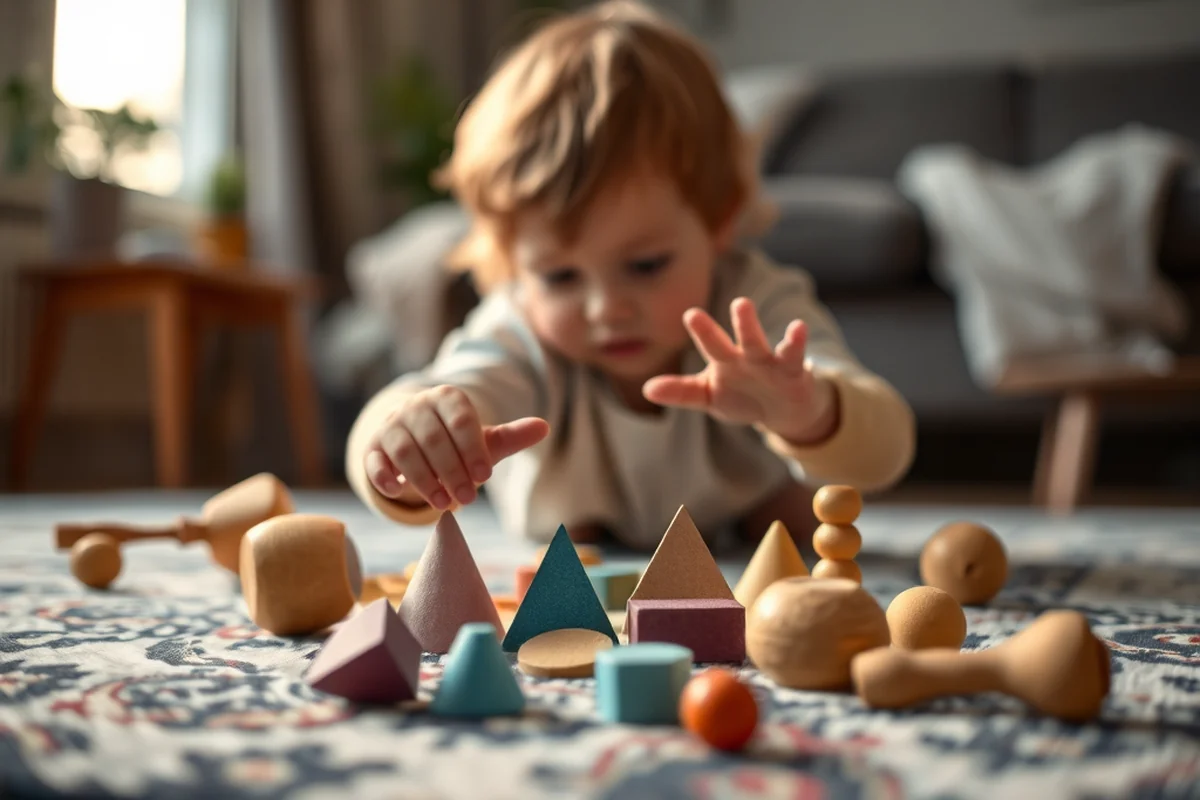
Sponge painting is a fun variation that adds a new dimension to toddler painting projects. I used this activity for the first time when my daughter was 20 months old, and she was thrilled to dip her sponges into the paint and press them onto a large canvas. It’s a great way to introduce texture and to encourage color mixing.[3]
The canvas is usually a big piece of cardboard or a pre-made canvas, which makes it easy to work on. I found that using sponges with different shapes — like stars and hearts — helps toddlers explore different textures and patterns. The process is messier than finger painting, but the results are often more colorful and dynamic.
One of the best things about sponge painting is that it’s a great way to teach toddlers about mixing colors. I’ve watched my daughter mix red and blue to make purple, and it’s been a wonderful way to introduce her to the basics of color theory in a fun and interactive way.
Color mixing with sponges is a messy, joyful introduction to the science of art.
Related: Paint activities for toddlers
Using Washable Paint on the Floor or Wall
Painting on the floor or wall is a great way to let toddlers explore without worrying about ruining a canvas. I first tried this when my daughter was 24 months old, and it became one of our favorite activities. I used a large piece of cardboard and painted it on the floor, letting her walk around and create a massive mural.[4]
This activity is especially useful for toddlers who are still learning to control their movements. It’s also a great way to make the painting process more interactive, as the child can move around and see their artwork from different angles. I’ve found that this approach helps build spatial awareness and creativity.
I recommend using a washable, non-toxic paint that’s specifically designed for use on surfaces like floors and walls. One of the brands I’ve used has a formula that dries quickly and is easy to wipe off. It’s a small detail, but it makes a huge difference in the long run.[5]
Before painting on the floor or wall, cover the surface with a plastic drape or tarp to make cleanup easier. This is a small step, but it can save you a lot of frustration later.
“I remember the first time my toddler dipped her fingers into a pot of washable paint.”— Messysenses editors
Related: Painting activity ideas for toddlers
Creating Collages with Paint and Stickers
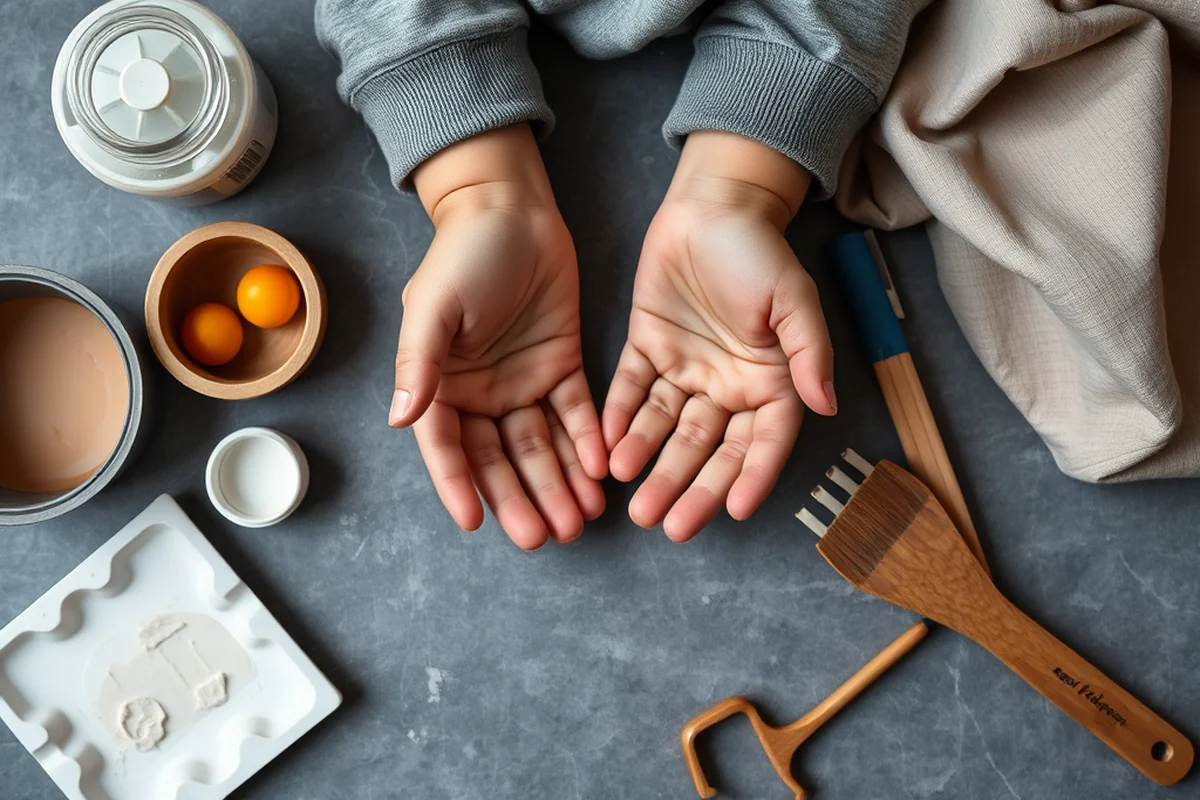
Collages are a great way to combine different materials and encourage creativity. I started this project when my daughter was 26 months old, and she loved adding stickers to her painted backgrounds. It’s a way to introduce her to different textures and to build on what she’s already learned from other painting activities.
The process involves painting a background, then adding stickers or other items to the surface. It’s a great way to introduce the idea of layering and to let toddlers explore different materials. I found that using stickers with different shapes and textures helps keep the activity engaging for longer periods of time.
I recommend using a washable glue that’s safe for toddlers to use. It’s important to choose a product that’s non-toxic and easy to clean up. This is especially important if the child is going to be working for an extended period of time.
Related: Painting activities for toddlers eyfs
Using Natural Materials for a Sensory Experience
Using natural materials like leaves, sticks, and flowers can transform a regular painting project into a sensory experience. I first tried this when my daughter was 28 months old, and she was fascinated by the different textures of the leaves. It’s a great way to introduce her to the natural world in a creative way.
This activity is especially useful for toddlers who are still developing their fine motor skills. It’s also a great way to introduce them to the idea of using different materials to create art. I’ve found that this approach helps build a connection with nature and encourages curiosity.
Related: How to toddler painting activities
Painting with Dots and Stencils
Dots and stencils are a great way to introduce toddlers to structured art projects while still keeping things fun. I used this activity for the first time when my daughter was 29 months old, and she loved the way the dots looked on the canvas. It’s a great way to introduce her to the idea of pattern-making and structured design.
This activity is especially useful for toddlers who are still learning to control their movements. It’s also a great way to introduce them to the idea of using different tools to create art. I’ve found that this approach helps build confidence and encourages creativity.
Structured art with dots and stencils is a fun way to build confidence and creativity.
Related: Painting activities for preschoolers
Creating a Painting Wall for Regular Use
A painting wall is a great investment for parents who want their toddler to engage in creative activities regularly. I set one up in our home when my daughter was 30 months old, and it’s become a favorite spot for her to express herself. It’s a great way to make art a regular part of the day without worrying about messes or cleanup.
The wall is covered with a washable, non-toxic paint that’s easy to clean up. I found that using a white or light-colored paint helps make the colors stand out more. It’s also a great way to let the child create art on a large scale, which can be very satisfying for them.
🖌️ Gentle Painting with Toddlers
Ideal for younger toddlers who are still learning to control their movements, this variation focuses on simple, contained activities like finger painting on paper.
⏳ Fast-Track Painting Projects
Perfect for busy parents, this approach uses quick and easy activities like sponge painting on a large canvas to keep things moving without spending too much time.
🧳 Travel-Friendly Painting Projects
Great for on-the-go families, this variation uses portable materials like small canvases and washable paint that can be taken anywhere without causing a mess.
👨👧👦 Multiple-Child Painting Projects
Designed for families with more than one toddler, this approach involves larger surfaces and group activities that encourage collaboration and shared creativity.
🔄 Regression Reset with Painting
For toddlers who are going through a developmental phase, this variation uses structured activities like dots and stencils to help them regain confidence and focus.
| The mistake | Why it happens | The fix |
|---|---|---|
| Using non-washable paints | Non-washable paints can be harmful to toddlers and are difficult to clean up. They can also cause long-term damage if they get on skin or clothing. | Always use washable, non-toxic paints that are specifically designed for toddlers. These are easy to clean up and safe for use on hands and surfaces. |
| Not preparing the space properly | Failing to prepare the space properly can lead to a mess that’s hard to clean up. It can also make the activity less enjoyable for both the child and the parent. | Always set up the painting activity in a space that’s easy to clean. Use plastic trays, drop cloths, and washable paints to keep things contained. |
| Forcing the toddler to paint | Forcing a toddler to paint can lead to resistance and frustration. It can also make the activity less enjoyable and less effective as a learning tool. | Let the toddler take the lead in the painting activity. Encourage them to explore and create, but never force them to do anything they don’t want to do. |
| Not using the right tools | Using the wrong tools for a toddler can lead to frustration and a less enjoyable experience. It can also make the activity more difficult for the child to complete. | Use tools that are easy for toddlers to handle, like thick paintbrushes and sponges. Avoid using small or fragile items that can be dangerous or hard to use. |
Painting Projects For Toddlers
Common Questions
What are the best materials for toddler painting projects?
How can I keep my home clean during painting activities?
What age is best for starting toddler painting projects?
How can I make painting more engaging for my toddler?
References
- Infant and Toddler Activity Pages: Mess Free Paint (canr.msu.edu)
- Arts & Crafts / De Pere, Wisconsin (deperewi.gov)
- Beginning the Journey: The Project Approach with Toddlers (ecrp.illinois.edu)
- Supporting the A in STEAM with Infants and Toddlers | HeadStart.gov (headstart.gov)
- Art in the Garden for Kids - Kennesaw-ga.gov (kennesaw-ga.gov)
Cite this guide
Messysenses (2026). Painting Projects For Toddlers. https://messysenses.com/painting-projects-for-toddlers/
Feel free to cite or share this guide.