
Best Toddler Painting Activities
📖 Table of Contents
- Setting Up a Safe and Engaging Painting Station
- Finger Painting: The Ultimate Toddler Favorite
- Using Large Brushes for Better Control
- Creating a Mess-Free Painting Experience
- Introducing Colors and Mixing for a Fun Learning Experience
- Encouraging Creativity Through Storytelling
- Incorporating Music and Movement for a Multi-Sensory Experience
- Make It Your Way
- Frequently Asked Questions
I still remember the day my toddler painted the kitchen table with watercolors. It wasn’t a disaster, but it wasn’t exactly a masterpiece either. However, that messy moment taught me something valuable: toddler painting is less about the final product and more about the process. The best toddler painting activities aren’t just about creativity — they’re about engagement, sensory development, and the joy of discovery. Whether your child is 18 months or 3 years old, the right tools and techniques can turn a chaotic blob into a valuable learning experience.
As a parent, I’ve tried everything from finger paints to large-format canvases. Some activities were a hit, others a miss. But what I learned is that the best toddler painting activities are those that are safe, flexible, and adaptable. I’ve found that the most successful sessions happen when the child is given freedom to explore, but also when there are clear boundaries. For example, using washable paints and setting up a small, contained space can prevent frustration and keep the activity enjoyable for both parent and child.[1]
The key to making toddler painting a regular part of your routine is to focus on the experience rather than the outcome. When I set up a painting station with paper, brushes, and a few simple tools, my toddler would spend hours experimenting with colors and textures. The best toddler painting activities aren’t about creating a gallery piece — they’re about the little moments, like watching your child mix red and blue to make purple for the first time, or seeing them proudly show their artwork to a grandparent.
Why You'll Love This Article
- Discover 7 unique toddler painting activities that spark creativity and learning.
- Get safe, effective, and mess-free painting ideas perfect for any home.
- Learn how to set up your own painting station with minimal tools and effort.
- Understand the developmental benefits of painting for toddlers and how to maximize them.
Setting Up a Safe and Engaging Painting Station
As of August 2026, a dedicated painting area can make all the difference. I recommend using a large, foldable table or even a waterproof mat on the floor. This keeps the mess contained and allows your toddler to paint freely without worrying about damaging the furniture. Make sure the space is well-lit and has plenty of room to move around. A few rolls of paper or large canvas sheets can help your toddler paint without worrying about running out of space.
I’ve found that using washable, non-toxic paints is essential. I personally use water-based paints that are easy to clean and safe for little hands. Brushes should be thick and have soft bristles — I’ve found that the ones with wooden handles are better for small hands to grip. It’s also a good idea to have a few paper towels and a small bucket of water nearby for quick cleanups.
Setting up a painting station should be simple and fun. I usually lay out the supplies on a low table, and my toddler is excited to see everything laid out in front of them. I like to keep the area open for easy access, and I always make sure that the paints are out of reach of the toddler when not in use.
Use a low table or waterproof mat to create a safe and contained painting space. This helps keep the mess manageable and makes cleanup easier.
Finger Painting: The Ultimate Toddler Favorite
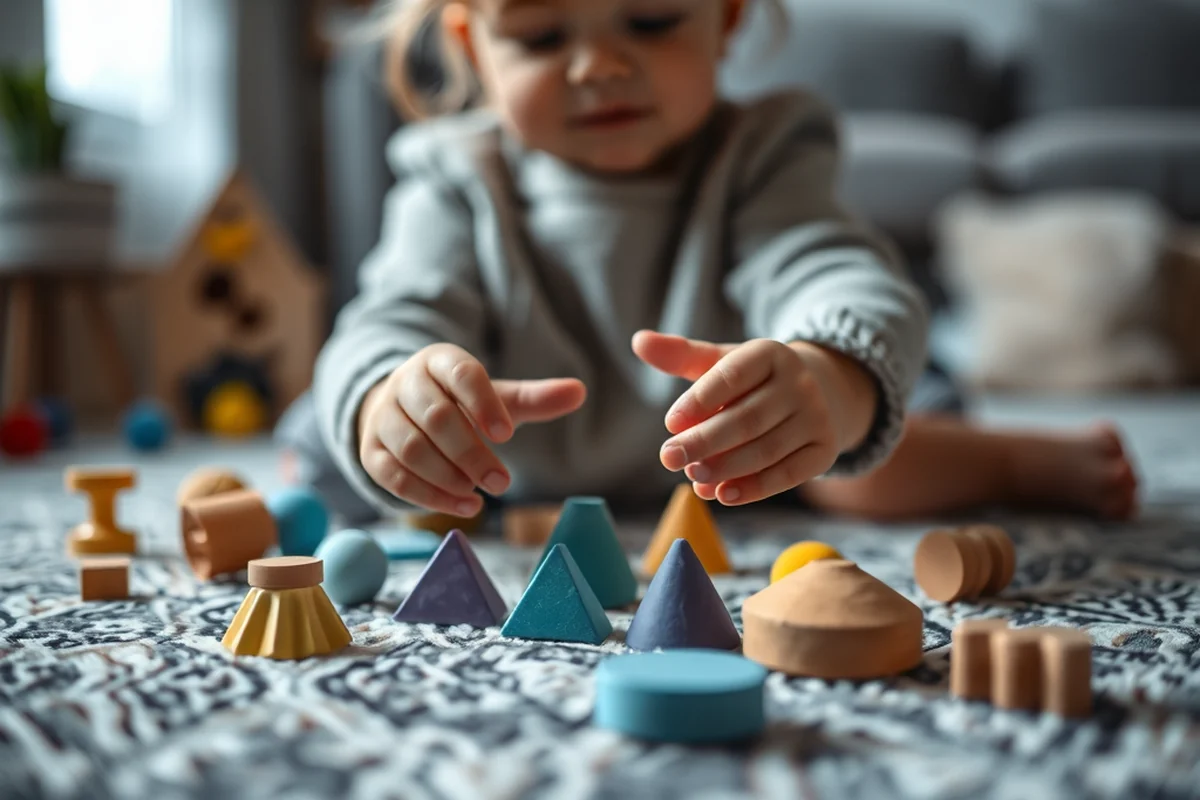
Finger painting is one of the most popular toddler painting activities, and for good reason. It’s simple, requires no brushes, and allows your toddler to explore textures and colors with their hands. I’ve found that toddlers love the feeling of the paint on their fingers and the freedom to create without worrying about using the right tools.
I always use thick, washable finger paints — they’re more forgiving and allow for better control than runny paints. I like to lay out a large sheet of paper or a canvas and let my toddler go to town. This activity is especially great for developing fine motor skills and hand-eye coordination. I’ve noticed that my toddler becomes more confident with each session as they learn to control their movements.
Finger painting also provides a great sensory experience. I’ve seen my toddler explore different textures and colors, and it’s fascinating to watch them experiment with mixing shades. It’s a simple activity, but one that can have a lasting impact on their development.
Finger painting is messy, but it's also the most rewarding way for toddlers to explore their creativity.
Related: Cheap toddler painting activities
Related: How to toddler painting activities
Related: Simple painting ideas for kids
Related: Paint activity for toddlers
Related: How To Toddler Playdough & Clay
Related: What Should I Draw
Related: Spider Man Coloring Pages
Related: Dragon Coloring Pages
Related: Mermaid Coloring Pages
Related: Toddler Painting Activities Uk
Related: Fun Toddler Painting Activities
Using Large Brushes for Better Control
While finger painting is great, using large brushes can be an excellent way to introduce toddlers to more structured painting. Large brushes are easier for small hands to grip and are less likely to slip. I’ve found that toddlers often feel more accomplished when they can use a brush rather than their fingers.
I recommend choosing brushes with thick handles and soft bristles. This makes it easier for toddlers to grip the brush and apply paint without frustration. I usually use a large, flat brush for my toddler, and it’s amazing to see how quickly they pick up the technique. They enjoy the way the paint spreads across the paper and the feeling of the bristles on their fingers.
Using brushes also allows for more detailed work. I’ve noticed that my toddler becomes more focused when using a brush, and they enjoy creating shapes and patterns. This activity is a great way to introduce toddlers to the basics of painting and help them develop their artistic skills.
Choose brushes with thick handles that are easy for small hands to grip. This helps toddlers develop better control and confidence in their painting.
“I still remember the day my toddler painted the kitchen table with watercolors.”— Messysenses editors
Creating a Mess-Free Painting Experience
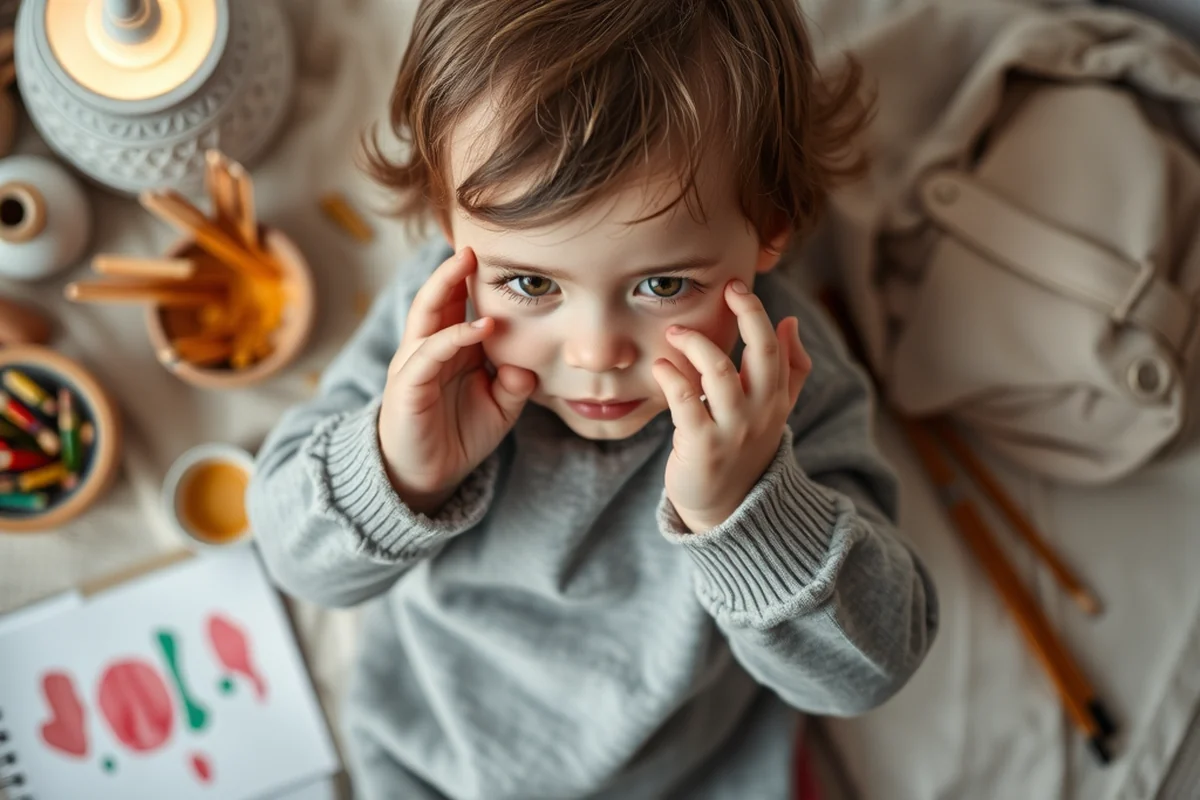
I know that many parents are concerned about the mess that comes with toddler painting. However, with the right tools and setup, it’s possible to create a mess-free experience. One of the best ways to do this is by using a waterproof mat on the floor or a large, foldable table. This keeps the mess contained and makes cleanup easier.
I’ve also found that using large sheets of paper or canvas can help reduce the amount of mess. These materials are easy to clean and can be reused multiple times. I like to use waterproof paper that can be wiped down with a damp cloth, and it’s amazing how easy it is to clean up after painting sessions.
Another tip is to use a small bucket of water and paper towels nearby. This allows for quick cleanups and helps keep the area tidy. I’ve found that using these tools makes the experience more enjoyable for both my toddler and me. It’s a simple way to make painting a fun and mess-free activity.
Introducing Colors and Mixing for a Fun Learning Experience
Introducing colors and mixing is a fantastic way to make toddler painting both fun and educational. I’ve found that toddlers love experimenting with different colors and seeing what happens when they mix them. This activity is not only engaging but also helps develop their understanding of color theory and creativity.
I usually start by introducing the basic primary colors — red, blue, and yellow. I like to use large, washable paints that are easy to mix. I’ve noticed that my toddler becomes more curious as they see the different shades they can create by mixing the colors. This is a great way to encourage exploration and creativity.
I also find that introducing colors helps with fine motor skills and hand-eye coordination. Watching my toddler mix colors and create new shades is both fascinating and rewarding. It’s a simple activity that can have a lasting impact on their development.
Encouraging Creativity Through Storytelling
Storytelling is a powerful tool for encouraging creativity in toddlers. I’ve found that when I tell a short story before a painting session, my toddler becomes more engaged and excited about the activity. This approach adds a layer of meaning to the experience and helps them connect with their artwork on a deeper level.
For example, I might tell a story about a rainbow or a magical forest, and then ask my toddler to paint a scene from the story. This not only sparks their imagination but also helps them create a more detailed and meaningful artwork. I’ve noticed that my toddler becomes more focused and creative when they have a story to inspire them.
I also find that storytelling helps with language development. As I tell the story, I use simple words and phrases that my toddler can understand. This activity is not only fun but also educational, and it helps my toddler develop their listening and comprehension skills.
Storytelling adds depth and meaning to toddler painting, turning it into a more engaging and educational experience.
Incorporating Music and Movement for a Multi-Sensory Experience
I’ve found that adding music and movement to toddler painting sessions can make the experience more enjoyable and stimulating. Playing soft, instrumental music in the background helps create a calm and focused environment. I’ve noticed that my toddler becomes more relaxed and creative when music is playing.
I also like to incorporate movement into the painting process. For example, I might have my toddler dance around the table or move their arms in a painting motion before they start. This helps them connect with the activity on a physical level and makes the experience more dynamic.
Incorporating music and movement not only enhances the sensory experience but also helps with motor development. Watching my toddler move and paint in rhythm is both fascinating and rewarding. It’s a simple way to make painting a more engaging and multi-sensory activity.
🎨 Gentle Approach
This approach is ideal for younger toddlers who are just beginning to explore painting. Use thick, washable paints and large brushes to make the experience more accessible and less overwhelming.
⏱️ Fast-Track Setup
For parents who want a quick and easy painting session, this variation focuses on minimal setup and maximum fun. Use a waterproof mat and pre-cut paper to save time and keep things organized.
🧳 Travel-Friendly Painting
This approach is perfect for on-the-go parents. Use travel-sized paints and compact brushes to make painting possible anywhere — whether at a park, in a hotel, or during a family trip.
👶 Painting with Multiples
This variation is great for families with multiple toddlers. Set up a shared painting station with a variety of tools and materials to encourage collaboration and play.
🔄 Regression Reset
This approach is ideal for toddlers who are going through a developmental phase or have had a setback. Use sensory-based painting activities to help them reconnect with creativity and focus.
| The mistake | Why it happens | The fix |
|---|---|---|
| Using regular paint instead of washable paint. | Regular paint can be harmful if ingested and is difficult to clean. Washable, non-toxic paint is a safer and more practical option for toddlers. | Always use washable, non-toxic paint that is specifically designed for children. |
| Not setting up a contained painting area. | Not setting up a contained painting area can lead to a mess that is difficult to clean and can cause frustration for both the toddler and the parent. | Use a waterproof mat or a large, foldable table to create a contained painting area that is easy to clean and manage. |
| Using small brushes that are difficult for toddlers to handle. | Small brushes can be frustrating for toddlers to use and may lead to a negative experience with painting. | Choose large brushes with thick handles that are easy for small hands to grip and use. |
| Forcing toddlers to paint in a certain way. | Forcing toddlers to paint in a certain way can be overwhelming and may discourage them from exploring their creativity. | Encourage toddlers to explore and experiment with different colors and techniques, and allow them to create freely without pressure. |
Best Toddler Painting Activities
Common Questions
What age is best for toddler painting activities?
How can I make painting less messy for my toddler?
What are the benefits of toddler painting activities?
Can I use regular paint for toddler painting activities?
References
- Minimum Standards for Child-Care Centers (hhs.texas.gov)
Cite this guide
Messysenses (2026). Best Toddler Painting Activities. https://messysenses.com/best-toddler-painting-activities/
Feel free to cite or share this guide.