
Toddler Painting Activities
📖 Table of Contents
- Choosing the Right Materials for Toddler Painting Activities
- Setting the Scene for Toddler Painting Activities
- Encouraging Creativity in Toddler Painting Activities
- Making the Most of Messy Toddler Painting Activities
- Toddler Painting Activities for Different Ages
- Making Toddler Painting Activities Last Longer
- Toddler Painting Activities for Multiple Children
- Make It Your Way
- Frequently Asked Questions
I remember the first time my son dipped his tiny, sticky fingers into a bowl of water and paint. He looked up at me with wide, curious eyes, and in that moment, I realized how powerful a simple toddler painting activity can be. It wasn’t just a mess—it was a doorway to creativity, communication, and connection. Those small splashes of color on the walls, the way he laughed when the paint slipped from his hand, the way he stared at his own reflection in the mirror as he painted—these were all moments of pure, unfiltered joy. These toddler painting activities are not just about art; they're about learning, exploring, and bonding.[4]
Over the years, I’ve tried countless toddler painting activities, from using paper plates as canvases to splashing in paint with a sponge. Each one taught me something new about my child’s personality, his preferences, and the way he interacts with the world. Some days he’s all about the mess, and others he wants to paint with precision. The key is to be present, to watch, and to let him lead. This is a time for exploration, not perfection. And while I’ve made mistakes—like buying the wrong kind of paint or overcomplicating the activity—the lessons have been invaluable.[5]
Toddler painting activities are more than just a fun way to spend an afternoon; they're a powerful tool for development. Research shows that early exposure to creative activities helps improve fine motor skills, hand-eye coordination, and even emotional regulation. I’ve seen my son’s confidence grow as he learns to hold a brush, mix colors, and express himself without words. These activities are not only messy and chaotic in the best way—they’re also deeply educational, and they create memories that will last a lifetime.[1]
Why You'll Love This Activity
- Encourages creativity and self-expression
- Supports motor development and hand-eye coordination
- Provides a mess-free or mess-friendly outlet for energy
- Creates lasting memories and bonding moments
Choosing the Right Materials for Toddler Painting Activities
As of September 2026, I learned the hard way that not all paints are safe for toddlers. After a minor mishap with a paint that didn’t wash off easily, I switched to water-based, non-toxic paints. These are typically available in sets designed for young children and are labeled as washable and safe for use. I also look for paints that are thick enough to stay on the brush and not drip easily, which reduces the mess and keeps the activity more manageable.
Another important consideration is the type of brushes. I prefer ones with soft bristles and a small head, as they are easier for little hands to grip. I’ve found that brushes with ergonomic handles are especially useful because they allow toddlers to hold them comfortably. I’ve also used sponges, cotton swabs, and even my fingers as alternatives, which can be a great way to mix things up and keep the activity fresh.
With surfaces, I recommend using paper plates, large paper sheets, or even old newspapers. These are easy to clean or dispose of afterward, and I’ve found that using a large piece of paper or cardboard allows the toddler to spread out and explore without feeling confined. I’ve even used the floor as a canvas during the most enthusiastic painting sessions, which can be messy but also incredibly fun.[2]
Always look for paints labeled as non-toxic and water-based, and invest in brushes with soft bristles and ergonomic handles for better grip and comfort.
Setting the Scene for Toddler Painting Activities
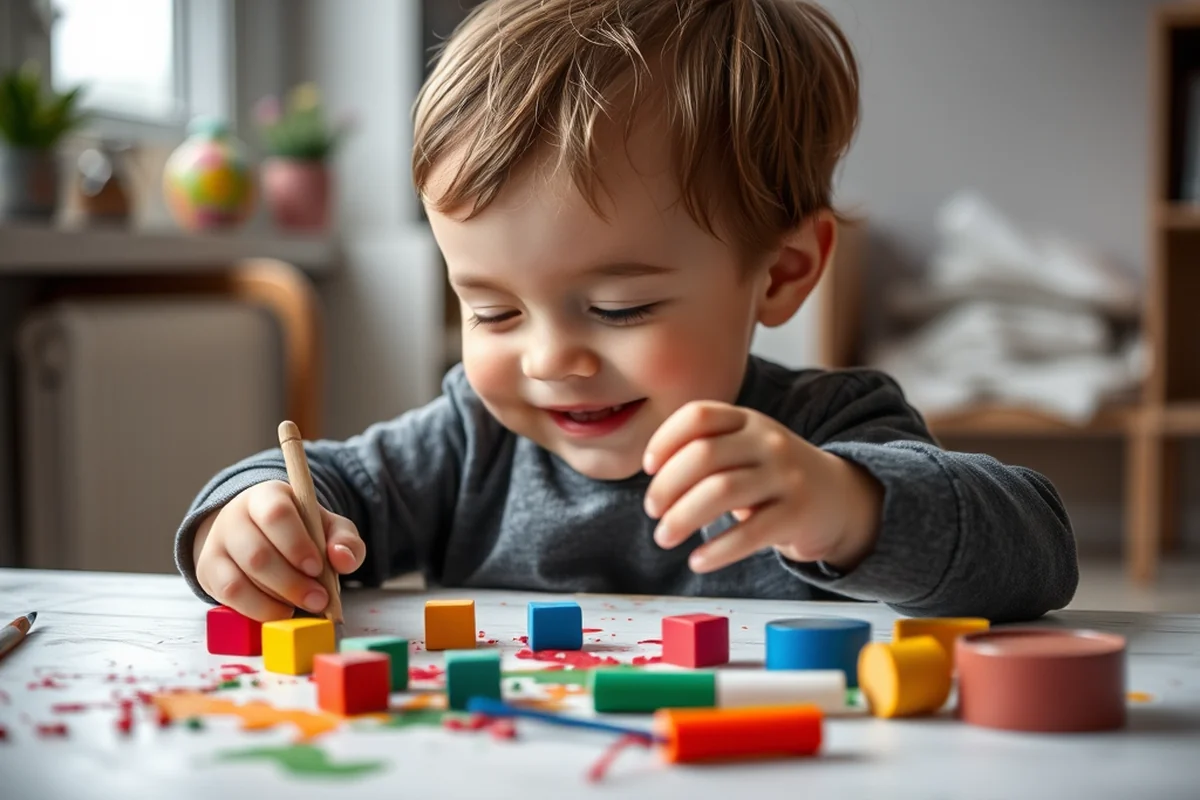
I’ve found that setting up a designated painting area helps keep the chaos under control. I use a table or a low shelf where I can place the paint, brushes, and paper. I always have a few paper towels on hand for quick cleanups, and I cover the surface with a plastic sheet or a large piece of cardboard to make cleanup easier. I also like to have a small bucket of water and a cloth nearby for rinsing brushes and wiping up spills.
I’ve learned that toddlers love to paint with their hands, so I always have a few sheets of paper or old clothes on standby. I also make sure to clear the space of any breakable items or anything that could be a hazard. It’s also helpful to have a few small cups or containers for holding the paint, which keeps things organized and prevents spills.
I’ve had the most success when I set up the space in advance and make sure everything is within reach. I’ve noticed that when I’m prepared, the activity goes more smoothly, and my toddler is more engaged. I’ve even used the living room floor as a painting area during the most enthusiastic sessions, and with a few blankets and a plastic tablecloth, it becomes a safe and fun environment.
A little preparation goes a long way in making toddler painting activities a success.
Related: Cheap toddler painting activities
Related: Painting with toddlers
Related: Free painting for toddlers
Related: Bluey Coloring Pages
Related: Mermaid Coloring Pages
Related: Dragon Coloring Pages
Related: Elsa Coloring Pages
Related: Puppy Coloring Pages
Related: Flower Coloring Pages
Related: Toddler Painting Activities Uk
Related: Toddler Painting Activities Pinterest
Related: Toddler Painting Activities Near Me
Encouraging Creativity in Toddler Painting Activities
I’ve noticed that my toddler becomes most engaged when he’s given the freedom to explore without pressure. I try to avoid correcting his work or suggesting what he should paint, as that can stifle his creativity. Instead, I observe and ask questions like, 'What does this look like?' or 'What color would you like to use next?' This helps him think critically and express his ideas.
I’ve also found that incorporating different textures and tools can boost his creativity. I’ve used sponges, cotton balls, and even leaves as painting tools, and he’s been fascinated by the different ways they can create patterns and shapes. This not only makes the activity more interesting but also helps him develop fine motor skills.
I encourage him to mix colors and experiment with layering, which I’ve found helps him understand the concept of color blending. I’ve also used storytelling as a way to inspire him—like painting a picture of a dinosaur or a rainbow. This helps him connect his imagination with the activity and makes the experience more meaningful.
Avoid over-directing. Let them choose their colors, tools, and subjects. Ask open-ended questions to spark their imagination and keep them engaged.
“I remember the first time my son dipped his tiny, sticky fingers into a bowl of water and paint.”— Messysenses editors
Related: Easy painting crafts for toddlers
Related: Painting ideas for toddlers
Making the Most of Messy Toddler Painting Activities
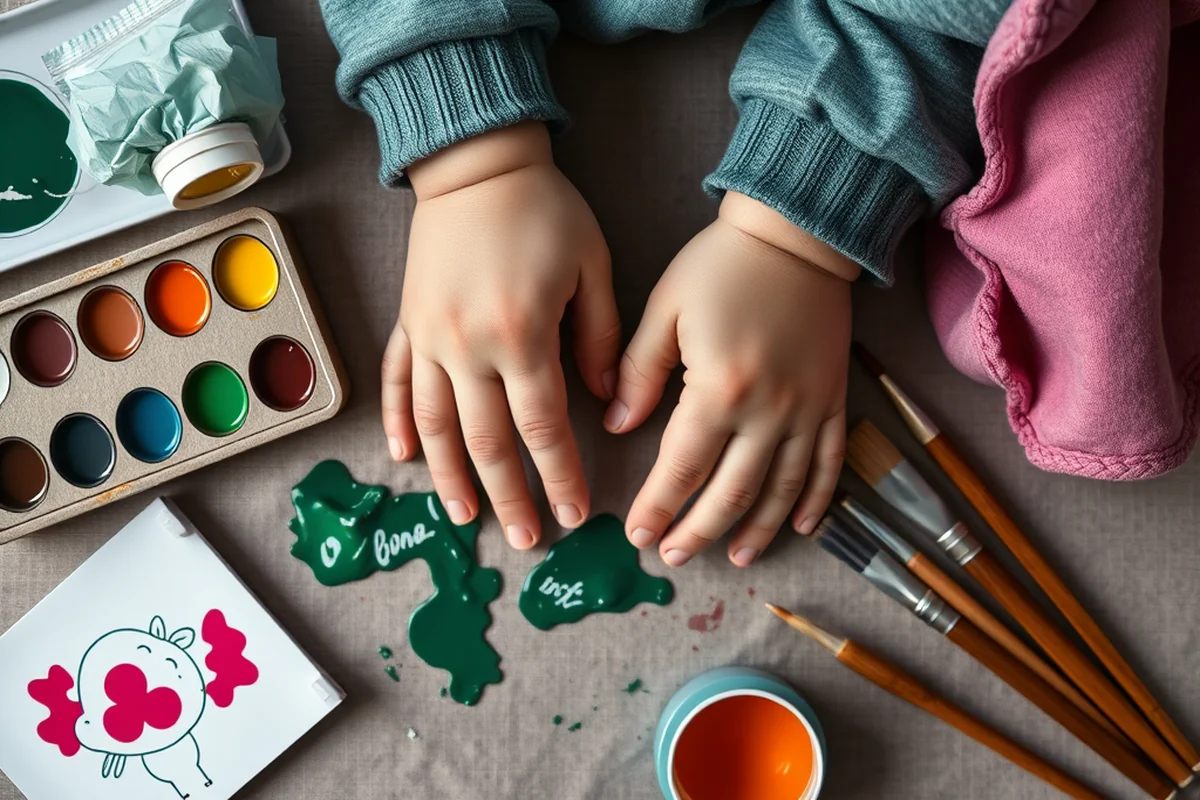
I’ve learned that toddlers often thrive in messy environments. I’ve noticed that when they feel free to make a mess, they’re more likely to explore and create without hesitation. I’ve also found that setting clear boundaries—like only using a specific area or having a cleanup time—helps keep the activity in check while still allowing for creativity.
I’ve had success using a designated mess area, like a corner of the room where we can spread out and paint without worrying about damaging anything. I’ve also used old clothes or aprons for the toddler to wear, which helps protect their outfit and makes the activity more comfortable for them.
I’ve found that being patient with the mess is important. I’ve made mistakes before by cleaning up too quickly, which can discourage the toddler from continuing to paint. Instead, I now wait until the activity is over before cleaning up, which helps them feel more at ease and engaged in the process.
Toddler Painting Activities for Different Ages
I’ve found that toddlers between 18 and 30 months benefit from using larger brushes and thicker paints, as these are easier for them to handle. I’ve also used finger paints and sponges as tools, which allow them to create bold, expressive strokes without worrying about precision.[3]
For toddlers who are a bit older, I’ve introduced more complex tools like small brushes with fine tips and even paint rollers. I’ve also used different surfaces, like fabric or cardboard, which can help them explore texture and depth in their work. I’ve noticed that these activities help them develop fine motor skills and hand-eye coordination.
I’ve also found that mixing in storytelling or themed painting sessions can be a great way to keep older toddlers engaged. I’ve used themes like 'The Ocean' or 'Space' to inspire their creativity and make the activity more structured and meaningful.
Making Toddler Painting Activities Last Longer
I’ve found that setting aside a specific time each day or week for painting helps my toddler anticipate and look forward to the activity. I’ve also created a small painting corner in our living room with a few essentials, which makes the activity more accessible and less disruptive.
I’ve noticed that when I make the activity a regular part of our routine, my toddler becomes more engaged and excited about it. I’ve also found that keeping the tools and materials out of sight when we’re not using them helps prevent overstimulation and keeps the activity more focused.
I’ve also made it a point to participate in the activity with my toddler, which helps build a stronger bond and makes the experience more meaningful. I’ve found that when we paint together, it’s more than just an art activity—it’s a way for us to connect and share in the joy of creativity.
Routine turns messy moments into meaningful memories.
Toddler Painting Activities for Multiple Children
I’ve found that when we have multiple toddlers, it’s important to have enough materials so that each child has their own set of tools. I’ve also used different colors and surfaces to keep things interesting and avoid conflicts over materials.
I’ve learned that setting up a few different painting areas can help keep the activity more organized. I’ve used different tables or sections of the floor to create separate spaces, which helps each child feel more independent and focused. I’ve also made sure to have enough paper or surfaces so that each child has their own space to work on.
I’ve also found that involving all the children in the setup and cleanup can help foster a sense of teamwork and responsibility. I’ve noticed that when they’re involved in the process, they’re more invested in the activity and have more fun. I’ve even used group painting sessions where we create a large collaborative piece together, which can be a great way to bond and share the experience.
🎨 Gentle Toddler Painting Activities
Perfect for toddlers who prefer a calm and controlled painting experience, with minimal mess and a focus on sensory exploration.
⏱️ Fast-Track Toddler Painting Activities
Ideal for busy parents who need a quick and simple painting session that doesn’t require extensive setup or cleanup.
✈️ Travel/away-from-home Toddler Painting Activities
Great for on-the-go parents who want to keep their toddler entertained with portable, mess-free painting options while traveling.
👶 Toddler Painting Activities with Multiples
A fun way to engage multiple children at once, with enough materials and space for each child to explore and create independently.
🔄 Regression Reset Toddler Painting Activities
A great option for toddlers who are going through a developmental regression or need a creative outlet to help them cope with changes in their environment.
| The mistake | Why it happens | The fix |
|---|---|---|
| Using the wrong type of paint | Using the wrong type of paint can be harmful to your toddler and difficult to clean. Non-toxic, washable paint is essential for a safe and enjoyable activity. | Always choose water-based, non-toxic paints that are specifically labeled for children. Check the packaging to ensure that the paint is safe for use and easy to clean. |
| Not providing enough materials | Not having enough brushes, paper, or paint can lead to frustration and a less enjoyable experience for your toddler. | Make sure you have enough materials for your toddler to explore and create. Have a few different brushes, a variety of colors, and multiple surfaces ready for use. |
| Over-directing the activity | Over-directing the activity can stifle your toddler’s creativity and make them feel pressured to follow your suggestions. | Let your toddler lead the way. Ask open-ended questions and encourage them to explore without over-directing them or correcting their work. |
| Not preparing the space in advance | Not preparing the space can lead to a chaotic and stressful painting session, which can be discouraging for your toddler. | Set up the space in advance, have all the materials ready, and make sure the area is safe and organized before starting the activity. |
Toddler Painting Activities
Common Questions
How do I choose the right paint for my toddler?
What age is best for toddler painting activities?
How can I make toddler painting activities more engaging?
How can I keep toddler painting activities organized?
References
- Calendar • Toddler Finger Painting Program - AzusaCA.gov (azusaca.gov)
- Sensory Exploration with Paint in the Twos | Bing Nursery School (bingschool.stanford.edu)
- Infant and Toddler Activity Pages: Mess Free Paint (canr.msu.edu)
- Toddler 2 Summer Newsletter - Child Development and Family Center (cdfc.news.niu.edu)
- Child Development: Creativity in Young Children (content.ces.ncsu.edu)
Cite this guide
Messysenses (2026). Toddler Painting Activities. https://messysenses.com/toddler-painting-activities/
Feel free to cite or share this guide.