
Painting With Toddlers
📖 Table of Contents
I remember the day my two-year-old daughter grabbed a brush and started splashing blue paint across the living room wall — not with frustration, but with pure, unfiltered joy. She wasn’t aiming for anything specific, just exploring the way the paint felt in her hands, the way it clung to the wall, the way it made her laugh when it dripped down. It was messy, it was loud, but it was also a moment of pure connection. Painting with toddlers isn’t just about making art; it’s about building trust, encouraging expression, and creating memories that will stay with us for years.
When I first tried painting with my child, I had no idea what to expect. I assumed it would be a chaotic disaster, but what I found instead was a window into her world — one filled with color, curiosity, and creativity. Painting with toddlers isn’t about perfection; it’s about presence. It’s about letting go of the idea that everything needs to be clean, neat. On schedule, and instead embracing the mess, the noise, and the moments that happen when you’re just being there with your child.
I’ve since learned that painting with toddlers is one of the most rewarding and unexpected joys of parenthood. It’s a way to nurture their imagination, teach them about colors, and give them a sense of accomplishment. It’s also a way to bond with them — to sit side by side, messy and happy, and create something that’s uniquely ours. So if you’re thinking about trying painting with toddlers, know that it’s not just about the paint; it’s about the time you spend together, the laughter. The memories you’ll make along the way.
Why You'll Love This Activity
- Encourages emotional expression and creativity in young children.
- Strengthens the parent-child bond through shared play and collaboration.
- Provides a safe and sensory-rich outlet for exploration and learning.
- Leaves behind lasting memories and a tangible artifact of your child's development.
Why Painting Works for Toddlers
As of September 2026, Toddlers are naturally curious, and painting provides a perfect medium for them to explore the world. When I first introduced my daughter to paint, I noticed how she would press her hands into the canvas, leaving behind a unique imprint. It wasn’t about making a picture — it was about feeling the paint, seeing it spread, and realizing that she had the power to change the surface in front of her.[1]
The act of painting is also deeply sensory. The texture of the paint, the sound of the brush against the canvas. The smell of the materials all contribute to a rich experience that helps toddlers develop their understanding of the world around them. I’ve found that my daughter is more engaged with painting than with any other activity, and I think it’s because it’s so tactile and immersive.[2]
Another benefit of painting with toddlers is that it allows them to express emotions without words. When my daughter was going through a tough time, she would sit at the table and paint for hours, sometimes not speaking a word. It was as if the paint was helping her process what she couldn’t say out loud. Painting becomes a kind of emotional outlet, a way for them to explore feelings in a safe and creative way.
Give your toddler a clean, blank canvas or paper to work with. It helps them feel less overwhelmed and more in control of the process.
Setting Up for Success
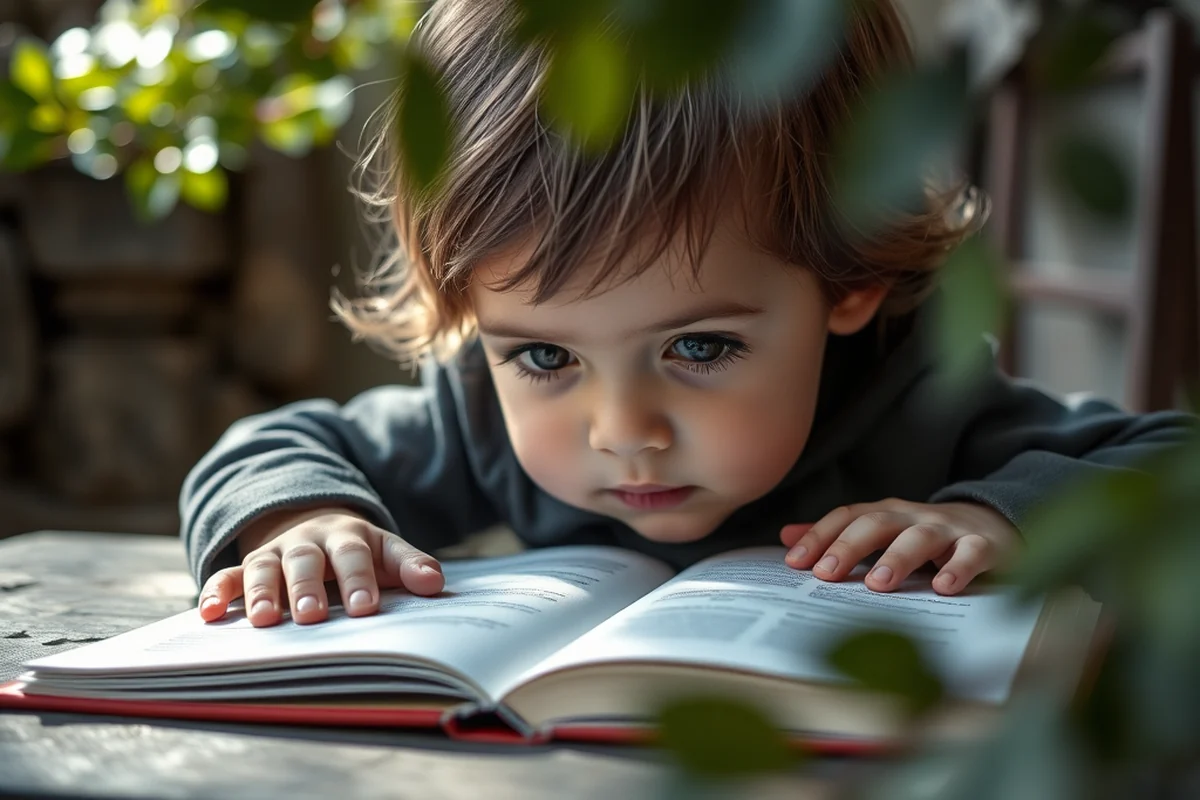
When I first tried painting with my daughter, we used the kitchen table — the same one we use for meals and homework. It was a mistake. The paint didn’t stick well, and we ended up with a mess that was impossible to clean. So I switched to a large, waterproof tablecloth that we could easily remove and wash later. Now, we use a corner of the living room with a table covered in a plastic sheet, and it’s worked wonders.
I also learned that it’s important to choose the right materials. I used watercolor paints at first, but they were too runny and didn’t hold up well for my daughter’s hands. Switching to tempera paints made a big difference. They’re thicker, easier to control, and more forgiving with spills and smudges.
Another key factor in setting up for success is having the right tools. I bought two brushes — one small and one large — and a couple of cups of water. I found that my daughter preferred using her fingers over brushes, so I made sure to leave them available as well. It’s also important to have paper towels and a bucket of water nearby for clean-up.
A clean space and the right tools make all the difference in a toddler’s painting experience.
Related: Coloring pages for teens
Related: Activities for kids painting
Related: Adult coloring sheets
The Power of Chaos
I used to stress about keeping everything in order during painting time. I would be constantly picking up paintbrushes, trying to prevent my daughter from getting paint on the floor, and worrying about the mess. But I’ve since learned that the mess is part of the fun. When I stopped worrying about the chaos, my daughter started to explore more freely, and the results were incredible.
One of the best things about painting with toddlers is that they don’t follow rules. They’ll dip their hands in the paint, smear it across the canvas, and then laugh when it drips down. They don’t care about technique or perfection. They just want to create and explore. I’ve found that the more I let go of control, the more my daughter enjoys the activity.
Embracing the chaos also helps build a stronger bond between parents and children. When I sit with my daughter and paint together, even if the room is a mess, I feel like we’re in it together. It’s messy, it’s loud, but it’s also a moment of connection that I wouldn’t have otherwise.
Let the paint spread and the mess happen. It’s all part of the creative process and will help your toddler feel more at ease.
“I remember the day my two-year-old daughter grabbed a brush and started splashing blue paint across the living room wall — not with frustration, but…”— Messysenses editors
Related: Painting ideas for kids
Related: Best toddler painting activities
The Emotional Benefits of Painting

When my daughter was going through a tough time with separation anxiety, painting became a way for her to express what she was feeling. She would sit for hours at the table, painting with her hands, and sometimes I would watch her and not say a word. It was as if the paint was helping her process the emotions that were too hard to put into words.
I’ve also noticed that painting helps build confidence in toddlers. When my daughter first started painting, she was hesitant. She would look at me and then at the canvas, unsure of what to do. But over time, she started to take more risks — painting with her hands, trying different colors, and even creating patterns. It was amazing to see her grow in confidence through a simple activity like painting.
Another emotional benefit is that painting helps toddlers learn how to cope with frustration. If they make a mistake, they don’t get upset. Instead, they just try again. I’ve seen this happen multiple times with my daughter — she’ll paint something she doesn’t like and then start over, completely undeterred. It’s a valuable lesson in resilience and problem-solving.
How to Keep It Simple
I used to think that the more colors and tools I had, the better the experience would be for my daughter. But the reality was that she got overwhelmed. Too many colors made it hard for her to decide what to use, and too many tools meant she didn’t know where to start. So I simplified things — I used just two colors at a time, and I limited the number of brushes to two. This helped her focus and enjoy the process more.
Another thing I learned is that less is more with the space. I used to set up a whole table with different materials, but that was too much for my daughter. Now, I use a small table with a few cups of paint, a couple of brushes, and a canvas. It’s not much, but it’s enough for her to explore without feeling overwhelmed.
Keeping it simple also helps make the activity more accessible. I’ve found that my daughter is more engaged when there are no distractions, when there’s just her and the paint. It’s a way to create a calm, focused environment that’s perfect for her to explore and create.
Painting as a Bonding Activity
When I sit with my daughter and paint, I feel like we’re in our own little world. We don’t talk about anything else — just the colors, the textures, and the way the paint feels in our hands. It’s a way to be fully present with her, to show her that I’m there for her, and to create a moment that we’ll both remember.
One of the most beautiful things about painting with toddlers is that it’s an activity that can be done together. We paint side by side, sometimes in silence, sometimes with laughter and chatter. It’s a way to connect without words, to share a moment of joy and creativity that’s uniquely ours.
I’ve also found that painting helps us both feel accomplished. When my daughter finishes a painting, she beams with pride. It’s a small thing, but it’s a big victory for her. And when I paint with her, I feel like I’m doing something meaningful — something that helps her grow and learn in a way that’s both fun and rewarding.
Painting with your toddler is a way to build a bond that lasts a lifetime.
The Long-Term Value of Painting
I’ve seen the way my daughter has grown through painting. She’s more confident now, more curious, and more willing to try new things. It’s not just about the art — it’s about the skills she’s learning, the way she’s developing, and the way she’s exploring the world around her.
One of the things I love most about painting with my daughter is that it has created a lasting memory. Every time I look at one of her paintings, I’m reminded of the way she was at that time — curious, creative, and full of joy. It’s a tangible reminder of her growth and of the time we spent together.
I think the most important thing about painting with toddlers is that it helps them develop a love of art. When my daughter was a toddler, I didn’t know if she’d ever be interested in drawing or painting. But now, she asks for her art supplies every day, and she takes pride in her work. It’s a small thing, but it’s a big victory — one that I know will stay with her for the rest of her life.
🎨 Gentle Art Time
A low-key, relaxed session with minimal materials and a focus on exploration and connection.
⏱️ Fast-Track Painting
A quick and fun session with pre-set colors and tools for a fast, mess-free experience.
🧳 Travel Painting
A portable setup with lightweight materials that’s perfect for on-the-go creativity.
👶 Painting with Multiples
A family-friendly session that allows multiple children to paint together and share the experience.
🔄 Regression Reset
A structured painting session that helps toddlers re-engage and refocus after a difficult period.
| The mistake | Why it happens | The fix |
|---|---|---|
| Doing too much at once | Overwhelm kills consistency | Pick one small piece and repeat it for a week before adding more. |
| Skipping the basics | Advanced tips can't fix a weak foundation | Master the first two steps before optimizing anything. |
Painting With Toddlers
Common Questions
What kind of paint is safe for toddlers?
How do I clean up after painting with my toddler?
What if my toddler is too young to paint?
Can I paint with my toddler every day?
References
Cite this guide
Messysenses (2026). Painting With Toddlers. https://messysenses.com/painting-with-toddlers/
Feel free to cite or share this guide.