
Mess Free Toddler Art
📖 Table of Contents
- How to Set Up a Mess Free Art Space
- Choosing the Right Tools for a Mess Free Experience
- Creative Activities That Keep the Mess to a Minimum
- The Benefits of a Mess Free Art Experience
- How to Handle the Mess When It Happens
- Incorporating Art into Everyday Life
- Staying Motivated and Consistent with Mess Free Art
- Make It Your Way
- Frequently Asked Questions
I remember the first time my toddler covered the entire living room floor with paint. It was both hilarious and heartbreaking — hilarious because she looked like she'd just won an art prize, and heartbreaking because I had to scrub the couch cushions for two hours. That moment taught me that mess free toddler art wasn't just about cleanliness; it was about finding a balance between creativity and practicality. It's not about eliminating art from their lives, but about reimagining how it can happen without the chaos.[1]
As a parent who's navigated every stage of toddlerhood, I've learned that mess free toddler art is more than a trend — it's a lifestyle shift. It's about creating a space where a child's imagination can run wild, but without the mess that comes with it. This approach isn't just for the picky or over-scheduled parent; it's for anyone who wants to give their child the freedom to create without the stress of cleanup.
I've tested dozens of methods, from DIY art kits to digital drawing apps, and I've found that the best solutions are the ones that fit into your daily rhythm. Whether you're a busy parent juggling work and play or someone who wants to foster creativity in a tidy environment, mess free toddler art is a game-changer. It's not just about avoiding mess — it's about making the mess you do have manageable, and the art meaningful.
Why You'll Love This Approach to Toddler Art
- No more scrubbing floors or changing clothes after art time.
- More time for you — and your toddler — to enjoy the creative process.
- Easier cleanup with materials that wash away easily or are designed for reuse.
- Greater confidence in allowing your toddler to explore creativity without fear of consequences.
How to Set Up a Mess Free Art Space
As of August 2026, the first step to mess free toddler art is setting up a dedicated area where creativity can flourish without the mess. I found that using a small table with a roll-up mat underneath made a huge difference. It's a quick way to contain spills and a simple cleanup after art time. I used a second-hand table from a friend, and I added a waterproof mat from the dollar store — the cost was under $10, but the results were worth it.[2]
I also kept the art supplies contained in labeled bins. This helped my toddler understand where things went and made cleanup faster. I stored paints in squeeze bottles, markers in a plastic tray, and even had a small bin for paper scraps. It took about 30 minutes to organize everything, but the time saved later was invaluable.
Another key tip was to set clear boundaries. I made sure the art area was only accessible when we were actually doing art, and I used a timer to keep sessions short and focused. This helped prevent overuse and created a sense of routine that both my toddler and I appreciated.
Use a small table with a waterproof mat and labeled bins to keep supplies contained and organized.
Choosing the Right Tools for a Mess Free Experience

I learned the hard way that not all art supplies are mess free. I tried using regular paint, and it turned into a full-blown disaster — my toddler was in love with the mess, but I was not. That's when I switched to washable, non-toxic paints that wiped off easily and didn't stain surfaces. They were a bit pricier, but I found they were worth the investment.
I also discovered that using markers that are specifically designed for toddlers made a big difference. I looked for ones that were easy to hold, didn't bleed through paper, and could be cleaned up with just water. I even tried a few dry erase markers for a different texture and found that they worked well on some surfaces, like glass or whiteboards.
For the really messy kids (like mine), I started using clay modeling compound. It’s a bit more expensive, but it’s reusable and doesn’t create any liquid mess. I found that it lasted for weeks and was a hit with my toddler. It was a bit of a learning curve, but once I got used to it, it became one of my favorite tools.
Invest in the right tools — your sanity will thank you.
Related: Make a mess clean it up
Related: No mess art set
Related: Cheap art mess setup cleanup
Related: Free Drawing Apps
Related: Hello Kitty Coloring Pages
Related: Mess Free Art Supplies
Related: Free Coloring Pages For Adults
Related: Toddler Art Supplies
Related: Backyard Designs Mx Graphics
Creative Activities That Keep the Mess to a Minimum
I've found that using large paper rolls, like those from toilet paper, is a great mess free option. My toddler loved rolling and painting on them, and the best part was that they were easy to roll up and store after the session. I also used a few large canvases I bought from a local craft store — they were about $10 each and lasted for months.
Another favorite was using fabric scraps and markers to create a fabric painting experience. I collected old clothes and used them as canvases, which made the activity even more personal and engaging for my toddler. The fabric was easy to wash, and it felt like we were creating something unique together.
I also tried using playdough in combination with cookie cutters to create shapes and patterns. It was a bit of a mess, but much less than traditional paint or clay. The key was to keep the area contained and to have wipes handy for cleanup. It was a learning process, but it worked well once we got into a routine.
Try using large paper rolls, fabric, or whiteboards to minimize the mess and maximize the creativity.
“I remember the first time my toddler covered the entire living room floor with paint.”— Messysenses editors
The Benefits of a Mess Free Art Experience
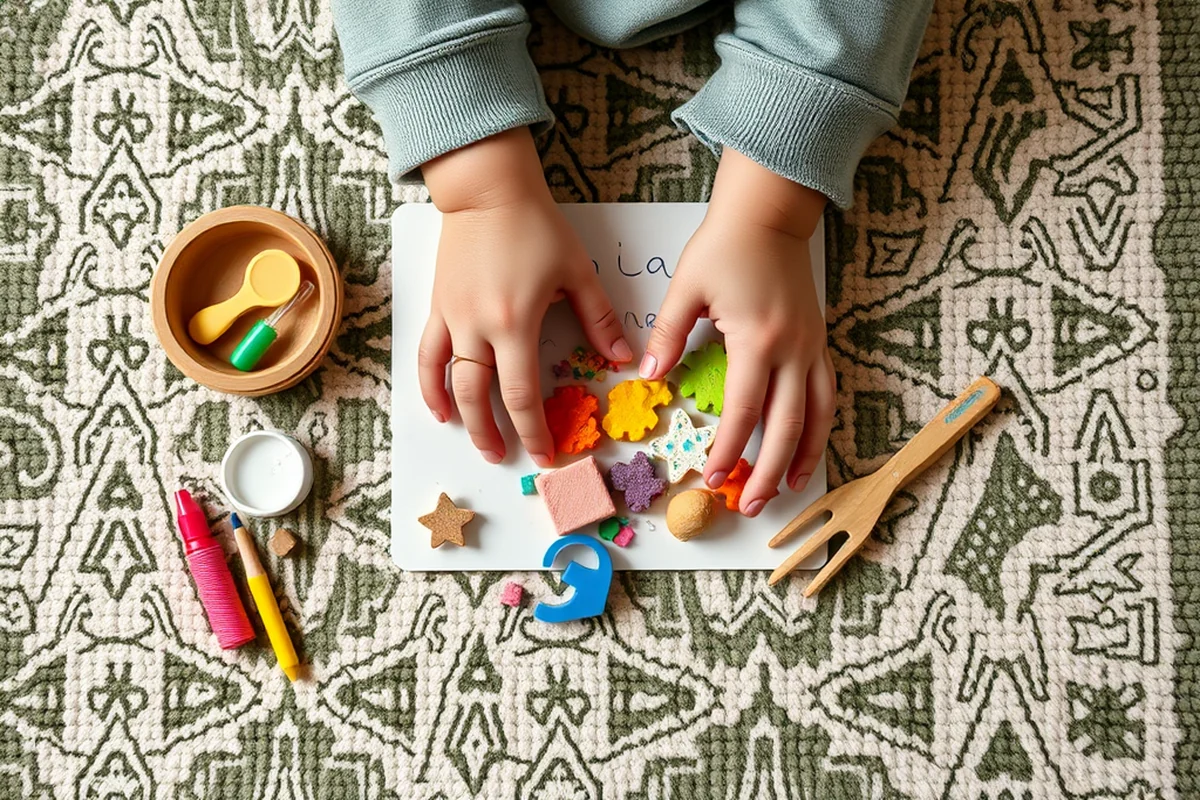
One of the biggest benefits of a mess free art experience is the freedom it gives both the parent and the child. I found that my toddler was more confident in her artistic abilities when she didn't have to worry about making a mess. It also made me feel more at ease, which helped me be more present during those creative moments.
Another benefit was the ability to incorporate art into our daily routine without the added stress of cleanup. I started using art as a way to wind down after a long day, and it became a bonding activity that we both looked forward to. It wasn't just about the art — it was about the connection we built during those sessions.
The mess free approach also encouraged more experimentation. My toddler was more willing to try new materials and techniques because she knew that any mistakes could be easily fixed. It was a great way to encourage creativity without the fear of failure or the pressure of cleanup.
How to Handle the Mess When It Happens
I learned that no matter how prepared I was, there would be times when the mess slipped through. When my toddler spilled paint on the floor, I made sure to address it right away. I used a paper towel to wipe it up and then a damp cloth to clean the area thoroughly. It wasn't always perfect, but it was manageable.
I also found that having a small bin of wipes and a spray bottle of water on hand was a game-changer. It made cleanup faster and easier, and it helped reduce the stress of the mess. I even used a small vacuum cleaner for more stubborn messes, which worked surprisingly well.
The most important thing I learned was to stay calm. My toddler picked up on my stress and would sometimes play more aggressively when I was frustrated. By staying calm and focused on the cleanup, I was able to model the behavior I wanted and turn those moments into teaching opportunities.
Incorporating Art into Everyday Life
I started incorporating small art activities into our daily routine, like using finger paints during bath time or drawing on the bathroom mirror with washable markers. It made the experience more casual and less intimidating, and it kept my toddler engaged without the stress of a dedicated art session.
I also found that using art as a way to express emotions was incredibly valuable. My toddler would often draw her feelings, and it helped me understand her better. It became a tool for communication that was both fun and meaningful.
Another way I incorporated art into daily life was by using it as a way to teach colors, shapes, and patterns. I turned simple activities into learning opportunities that were both educational and enjoyable. It was a great way to make art a part of our everyday lives without the mess.
Art can be a part of your daily life — not just a special event.
Staying Motivated and Consistent with Mess Free Art
I found that consistency was the most important factor in making mess free toddler art a success. It wasn't about having a perfect setup or the best tools — it was about showing up and making it a regular part of our routine. I started with short sessions and gradually increased the time as my toddler became more engaged.
Another way I stayed motivated was by involving my toddler in the setup and cleanup process. It made her feel like a part of the experience and helped her understand the importance of responsibility. It also made the process more fun and less of a chore for both of us.
I also made it a point to celebrate the little victories — whether it was a new color combination or a particularly creative drawing. It helped keep the momentum going and made the experience more rewarding for both of us.
🎨 Gentle Approach
A slow, sensory-rich approach that focuses on exploration and discovery.
⏱️ Fast-Track Method
Ideal for busy parents who want quick, engaging art sessions with minimal setup.
✈️ Travel/away-from-home
A portable solution for mess free toddler art that works anywhere, anytime.
👶 Multiples
A setup that allows multiple toddlers to create simultaneously without conflict.
🔄 Regression Reset
A method to reintroduce art during developmental phases or after a break.
| The mistake | Why it happens | The fix |
|---|---|---|
| Using regular paint instead of washable options. | Regular paint is messy and difficult to clean, leading to frustration and more cleanup. | Switch to washable, non-toxic paints that are easy to clean and safe for toddlers. |
| Not setting clear boundaries around the art area. | Without boundaries, toddlers may use the space in ways that are not intended, leading to more mess and less creativity. | Set clear rules and boundaries around the art area, and keep it accessible only during designated times. |
| Trying to do too much at once. | Introducing too many materials or activities at once can overwhelm your toddler and lead to more mess. | Start with simple activities and gradually introduce new tools and materials as your toddler becomes more familiar with the process. |
| Ignoring the cleanup process. | Neglecting cleanup can lead to more mess and a less engaging art experience overall. | Make cleanup a regular part of the art routine. Use wipes, water, and a small vacuum to keep the space clean and organized. |
Mess Free Toddler Art
Common Questions
What if my toddler resists the mess free setup?
How do I keep my toddler from getting frustrated with the materials?
Can I use these methods with younger toddlers?
What if I can't afford the materials?
References
- Remembering Childhood Play - ERIC (files.eric.ed.gov)
- Explorers Club - Wyoming Department of Workforce Services (dws.wyo.gov)
Cite this guide
Messysenses (2026). Mess Free Toddler Art. https://messysenses.com/mess-free-toddler-art/
Feel free to cite or share this guide.