
Painting Activities For Toddlers Eyfs
📖 Table of Contents
- Why Painting Is Perfect For EYFS Toddlers
- How to Set Up a Painting Station for Toddlers
- Choosing the Right Paint for Toddlers
- Using Different Tools to Encourage Creativity
- Making Painting a Part of the Daily Routine
- Encouraging Communication Through Painting
- Celebrating a Toddler’s Art and Encouraging Praise
- Make It Your Way
- Frequently Asked Questions
I remember the first time my daughter, then two years old, picked up a brush and smeared paint across a canvas. Her eyes lit up, her laughter echoed through the house, and for those few minutes, the world felt perfect. It wasn’t just about the mess — it was about the connection, the creativity, and the joy of watching a small child explore their world through color and texture. Painting activities for toddlers in the Early Years Foundation Stage (EYFS) aren’t just about art; they’re about development, expression, and early learning.
As an EYFS parent, I quickly learned that painting isn’t just for artists. It’s a powerful tool for motor skills, emotional expression, and cognitive growth. I tried everything from watercolor to finger paints, and even a few unconventional methods like using cotton balls and sponges. Each activity had its own set of benefits and challenges, but one thing became clear: the right painting activity could make a huge difference in a toddler’s early development.
Through trial and error, I found that painting activities for toddlers in the EYFS aren’t just about fun. They’re about building confidence, encouraging creativity, and fostering a love of learning. Whether you're a first-time parent or a seasoned EYFS supporter, the right painting activity can make a world of difference — and I’m here to help you find yours.[1]
Why You'll Love This Painting Activity Guide
- Encourages fine motor skill development through hand-eye coordination
- Supports emotional expression and self-confidence
- Provides a sensory-rich experience that keeps toddlers engaged
- Aligns with EYFS learning goals for creativity and communication
Why Painting Is Perfect For EYFS Toddlers
As of August 2026, Painting helps toddlers develop fine motor skills, hand-eye coordination, and sensory awareness. It also allows them to express themselves in a way that words often can't. I found that when my daughter painted, she was more willing to talk about what she was doing, which helped her communication skills.[2]
The EYFS curriculum emphasizes creativity, and painting provides a perfect outlet for this. It’s not just about the art itself — it’s about the process. I noticed that my daughter was more patient and focused when she was painting than when she was playing with blocks.
One of the things I love most about painting is that it’s adaptable. Whether you're in a home, a nursery, or even on a family trip, there are ways to make it work. It’s a flexible, engaging activity that supports early learning in a fun and natural way.
Start with just two colors and a small canvas. Toddlers can become overwhelmed with too many options, so simplicity is key.
How to Set Up a Painting Station for Toddlers
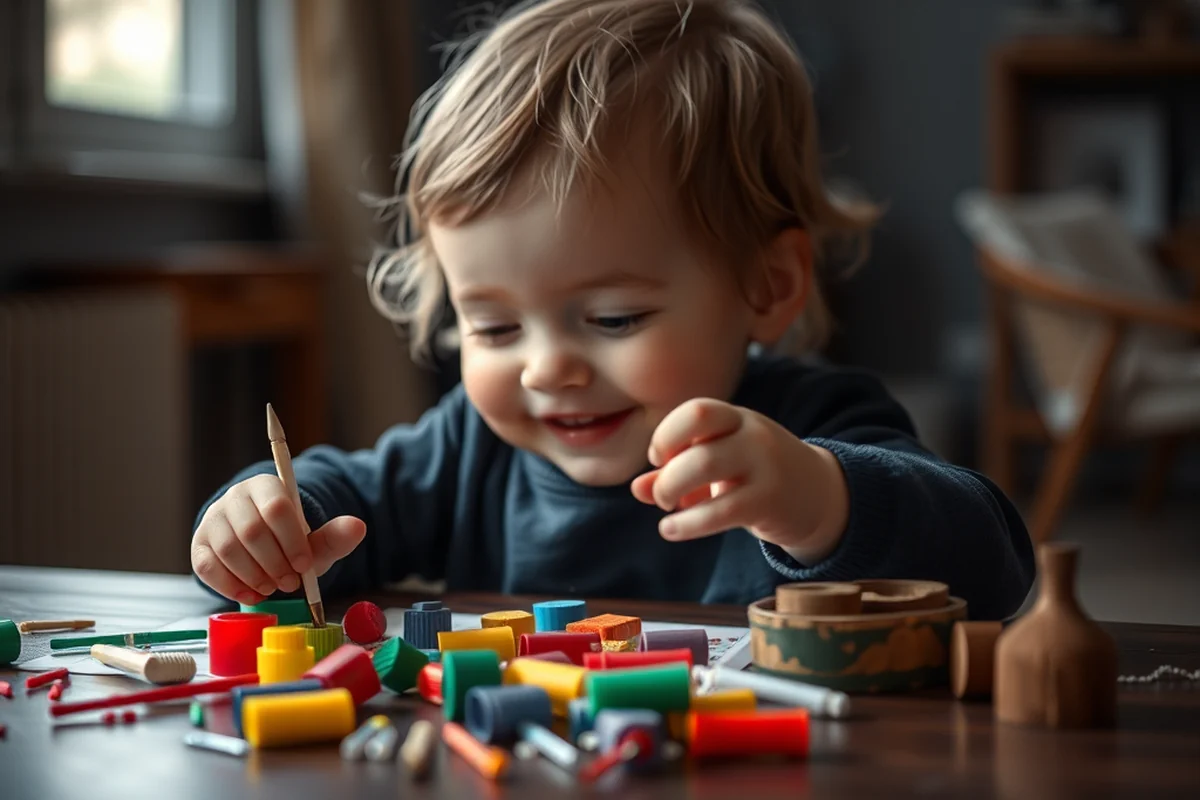
I set up a low table with paper, brushes, and a few colors of washable paint. I always used paper that could be easily wiped down. It was important to have everything within reach, so my daughter didn’t have to ask for help to continue painting.
I made sure to cover the floor with old newspapers or a plastic sheet to make cleanup easier. I also set up a small bucket of water and paper towels nearby. It didn’t take long for my daughter to learn that she could clean up after herself.
One of the best things I learned was to keep the area open and uncluttered. A messy painting station can be overwhelming for a toddler, so it’s better to keep things simple and focused.
A clean, well-organized painting space sets the stage for creativity.
Related: Cheap toddler painting activities
Related: How to toddler painting activities
Related: Painting activity ideas for toddlers
Related: Toddler finger painting activities
Related: Free Painting For Toddlers
Related: Painting Of Toddlers
Related: Painting Ideas For Toddlers
Related: Playdough Toys For Toddlers
Related: Anime Coloring Pages
Related: Shark Coloring Pages
Related: Mess Free Activities For Toddlers
Related: Painting Projects For Toddlers
Related: Painting Activities For Children
Related: Painting Crafts For Toddlers
Choosing the Right Paint for Toddlers
I always used non-toxic, washable paints made specifically for children. They dry quickly and are easy to clean off skin and surfaces. I found that the best option was water-based acrylics, as they didn’t stain as much as other types.
It was important to test the paint on a small area before letting my daughter use it. I wanted to make sure it was safe for her to handle and that it wouldn’t cause any skin irritation. I also made sure to keep the paint away from her face and mouth.
I also found that using a small amount of paint each time helped prevent messes and made cleanup easier. A little goes a long way, and it kept my daughter focused on the activity rather than the mess.
Always test the paint on a small area of your toddler’s skin before letting them use it. This ensures it won’t cause any irritation.
“I remember the first time my daughter, then two years old, picked up a brush and smeared paint across a canvas.”— Messysenses editors
Using Different Tools to Encourage Creativity
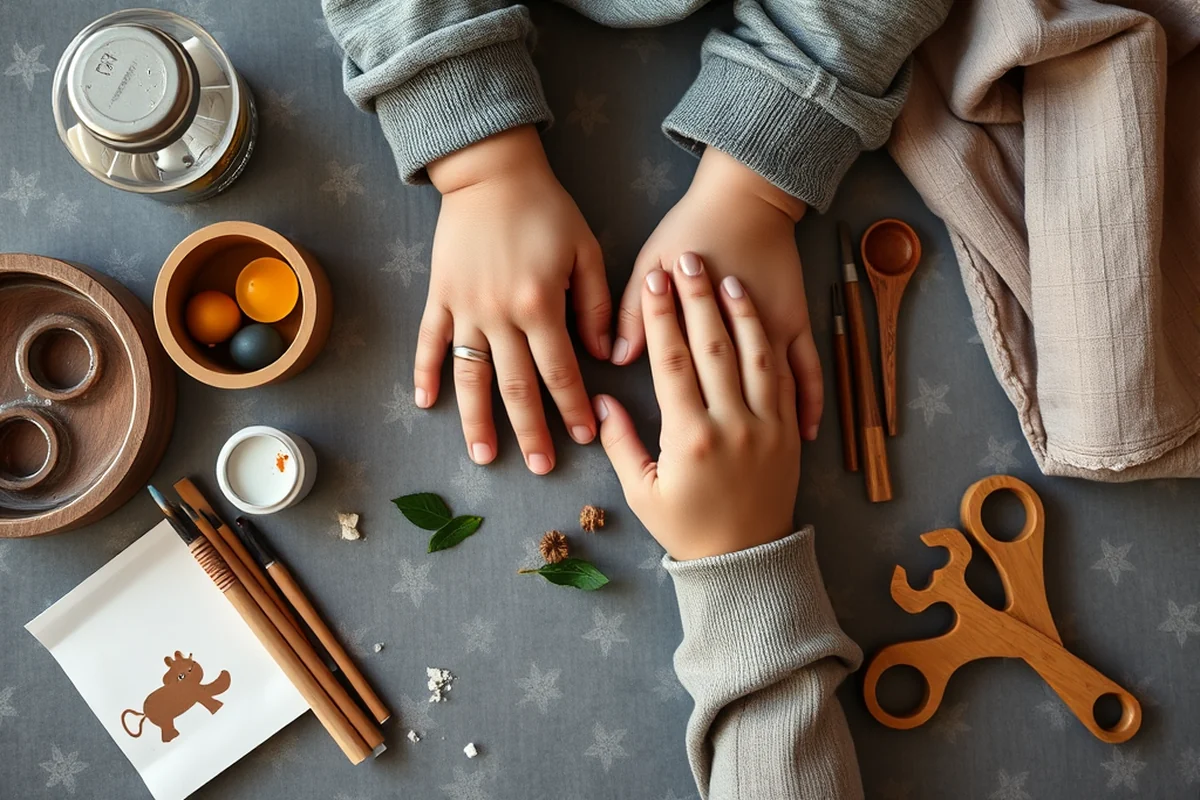
I used brushes, sponges, cotton balls, and even leaves to let my daughter paint. Each tool gave her a different experience and helped her learn new techniques. I noticed that she was more engaged when she had a variety of options to choose from.
I made sure to explain what each tool did before letting her use it. For example, I showed her how a sponge could make big, soft marks, while a brush could make precise lines. It helped her understand the different ways she could express herself.
One of the best parts was seeing how her creativity grew as she experimented with different tools. She began to mix colors and create patterns, which was a big step in her development.
Making Painting a Part of the Daily Routine
I made painting a part of our daily routine, and it became a special time for us. We would set up the painting station every afternoon after lunch, and it became a way for us to bond and connect.
I found that my daughter looked forward to painting every day. It gave her a sense of structure and helped her feel more in control of her environment. It also helped her develop a sense of responsibility, as she learned to clean up after herself.
Over time, she began to ask for painting time even on days when it wasn’t scheduled. It became a way for her to express herself and explore her creativity on her own terms.
Encouraging Communication Through Painting
I noticed that my daughter was more willing to talk about her feelings when she was painting. She would explain what she was painting and why she chose certain colors. It helped her develop her language skills and emotional awareness.
I made it a point to ask her questions about her painting. What did she like about it? What did it make her feel? This helped her think critically and express her thoughts in a way that was meaningful for her.
Over time, I saw her become more confident in her communication. She began to use more complex sentences and was more willing to share her ideas with others.
Painting can be a window into a child’s mind and emotions.
Celebrating a Toddler’s Art and Encouraging Praise
I made it a point to praise my daughter’s work, no matter how simple it looked. I would say things like, “I love the way you used those colors,” or “That looks like a happy flower!” It helped her feel confident in her abilities.
I also made sure to display her artwork around the house. It gave her a sense of pride and made her feel that her efforts were valued. I noticed that she was more motivated to paint when she saw her work on the wall.
Over time, she began to take more pride in her work. She would ask for more paint and try new techniques just to see what would happen. It was a beautiful way to encourage her creativity and self-expression.
🎨 Gentle Approach
A calm and structured painting activity designed for toddlers who are just beginning to explore creativity.
⏱️ Fast-Track Option
A quick and easy painting activity that takes only 15 minutes and uses minimal materials.
✈️ Travel/On-the-Go Painting
A portable painting activity that can be done anywhere, from the car to a park, without making a mess.
👯♀️ Multiple Toddlers Painting Together
A group painting activity that encourages social interaction and shared creativity among toddlers.
🔄 Regression Reset Painting
A painting activity designed to help toddlers regain confidence and motivation after a setback.
| The mistake | Why it happens | The fix |
|---|---|---|
| Using the wrong type of paint. | Using non-washable or toxic paints can be harmful to toddlers and difficult to clean up. | Always use non-toxic, water-based acrylics that are safe for children. |
| Setting up a messy painting station. | A cluttered and messy station can overwhelm toddlers and make them feel anxious. | Keep the painting area simple and organized with only a few materials. |
| Forcing a toddler to paint. | Forcing a toddler to paint can lead to resistance and negative associations with the activity. | Let your toddler explore painting at their own pace and offer encouragement instead of pressure. |
| Not cleaning up properly. | Failing to clean up properly can lead to messes and make it difficult to set up the painting station again. | Make cleanup a part of the painting activity and use paper towels and water to wipe down surfaces. |
Painting Activities For Toddlers Eyfs
Common Questions
What type of paint is safest for toddlers?
How can I encourage my toddler to stay focused during painting time?
What should I do if my toddler refuses to paint?
How can I make painting a part of my toddler’s daily routine?
References
- Why art is important for early childhood development (canr.msu.edu)
- South Carolina Early Learning Standards (ed.sc.gov)
Cite this guide
Messysenses (2026). Painting Activities For Toddlers Eyfs. https://messysenses.com/painting-activities-for-toddlers-eyfs/
Feel free to cite or share this guide.