
Painting Of Toddlers
📖 Table of Contents
I still remember the day my daughter, then 2 years old, stood in front of a large canvas, her tiny hands gripping a brush that was twice the size of her palm. She painted a swirl of red and blue, then looked up at me with this wide-eyed look, as if saying, 'Look what I did!' It was messy, it was chaotic. It was beautiful. That moment was the start of our journey with toddler painting — a journey filled with chaos, creativity, and a few surprises along the way.
Toddler painting is more than just a craft; it's an exploration of expression, coordination, and imagination. My toddler has been painting for nearly three years now, and I've learned that it's not just about the final product — it's about the process. The squelching of paint, the mess on the floor, the way she gets so focused in those moments when she's lost in her own world — it all feels like magic. And it's not just for kids; it's for parents too, because watching your child express themselves through art is an experience like no other.[1]
I've experimented with different types of paint, brushes, and even the time of day we do it. What I've learned is that toddler painting isn't about perfection, and it's not even about the finished piece. It's about the way it helps them build muscle strength, develop fine motor skills, and explore the world through color and shape. If you're thinking about starting your toddler on painting, know that it's not just about the mess — it's about the memories, the learning, and the joy that comes from it.
Why You'll Love This Activity
- It helps build fine motor skills and hand-eye coordination in toddlers.
- It's a great way for toddlers to express their emotions and creativity.
- It fosters a bond between parent and child as you explore creativity together.
- It's an affordable and easily customizable activity that can be done at home or on the go.
The Power of Messy Play
As of September 2026, I've learned that messy play is one of the most important parts of toddler development. When my daughter first started painting, the mess on the floor and the paint on her face were a bit shocking. But as I watched her interact with the paint, I realized that the mess was actually a sign of her learning. She was experimenting with textures, colors, and even trying to grasp the concept of mixing colors. It was incredible to witness her curiosity and determination.
Messy play isn't just about the mess — it's about the learning that comes from it. I started to notice that she was developing better hand-eye coordination and was even starting to use both hands at the same time. It was like she was building the foundation for more complex skills, all while having fun. I've come to see that the mess is just part of the process, and it's something that I've learned to embrace.
Now, I make a point to encourage messy play during our painting sessions. I set up a small area where she can paint without worrying about ruining the furniture or the floor. It's a safe space for her to explore, and it's also a place where she can really let her creativity flow. The mess is still there, but it's no longer a problem — it's a part of the learning process.
Use old towels or newspapers to cover the floor and a plastic tablecloth to protect surfaces. This will make cleanup easier and give your toddler more freedom to explore.
Choosing the Right Paint for Toddlers
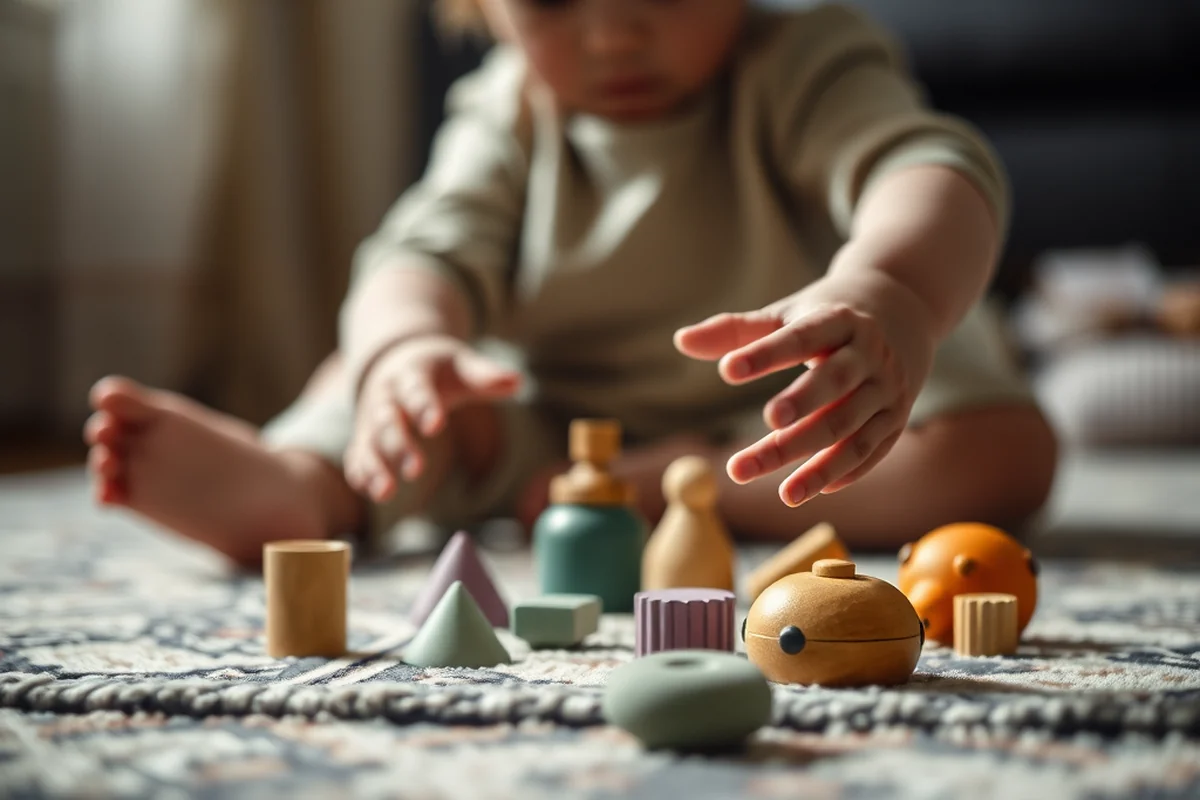
I've tried many different types of paint with my toddler, and not all of them are safe or suitable for little hands. I remember once when I bought a set of acrylic paints that were supposed to be safe — but after a few minutes of use, I realized they were way too thick and difficult for her to manage. They were also a bit messy and hard to clean off the table.
After that experience, I switched to a brand of washable, non-toxic paint that's specifically designed for toddlers. It's water-based and easy to clean up with just a little water. It's also much easier for her to use — it flows better and is less messy. I've noticed that she's more confident when using this type of paint because it's easier for her to handle.
Now, I make sure to only use paint that's labeled as safe for toddlers. It's a small investment that gives me peace of mind, knowing that she can explore her creativity without the risk of harmful chemicals. I've found that the right paint makes a big difference in her experience and in the overall success of our painting sessions.
Choosing the right paint can make a world of difference in your toddler's painting experience.
Related: Painting activity ideas for toddlers
Related: Activities for kids painting
Related: Art activities for toddlers
Related: Adult coloring sheets
Encouraging Creativity Through Painting
I've noticed that when my daughter is painting, she often gets lost in her own world of creativity. She'll sit for long periods of time, focused on the painting and completely engrossed in her own thoughts. It's amazing to see how her imagination takes over during these moments, and I've learned that my job is to support her, not to direct her.
I try to avoid telling her what she should paint or how she should do it. Instead, I let her explore on her own. I'll sometimes ask her what she's painting, but I don't push her for details. This gives her the freedom to express herself in her own way, and it helps her develop her own creative voice.
Encouraging creativity also means giving her the tools she needs to express herself. I've invested in a variety of brushes, colors, and even a few different types of paint to give her more options. It's a way of showing her that I support her creativity and that I'm excited to see what she comes up with.
Avoid directing your toddler on what to paint or how to do it. Instead, ask open-ended questions like, 'What do you see in your painting?' This helps them express their thoughts and ideas freely.
“I still remember the day my daughter, then 2 years old, stood in front of a large canvas, her tiny hands gripping a brush that…”— Messysenses editors
Related: Painting activities for toddlers eyfs
Setting Up a Painting Area
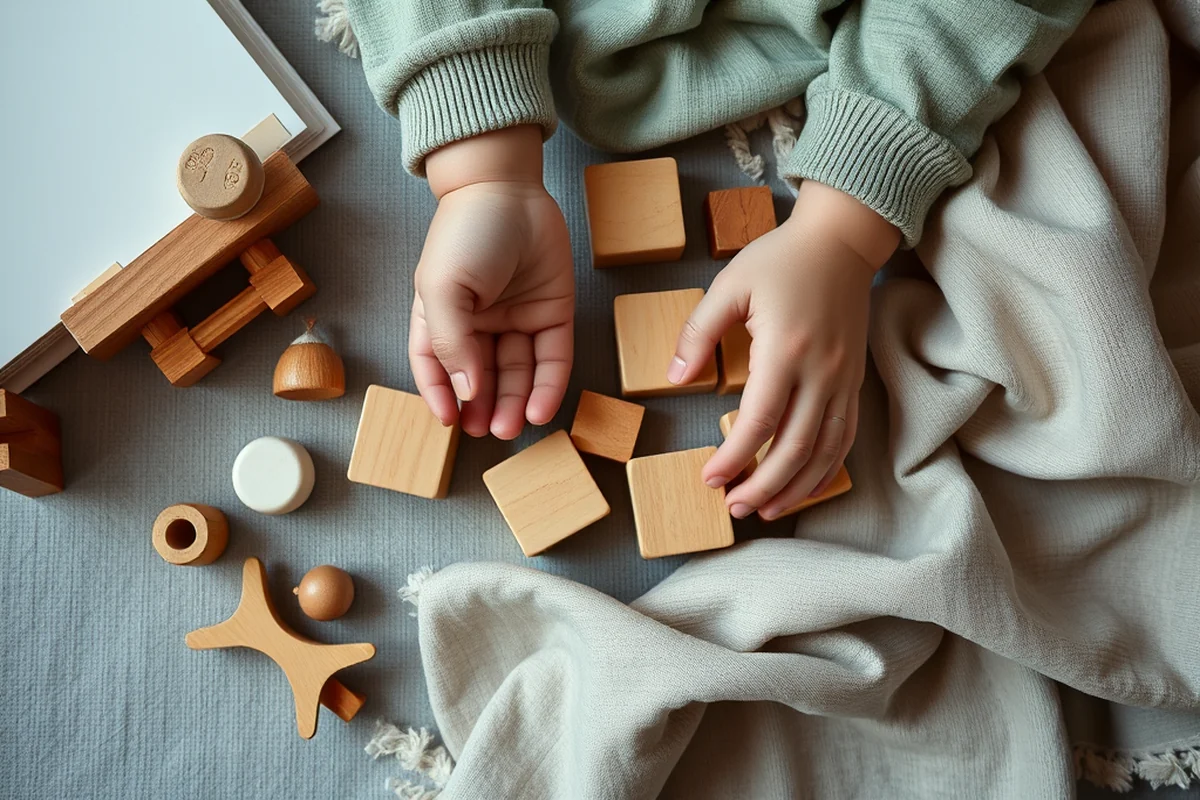
Creating a dedicated painting area has been one of the best decisions I've made in our home. I've set up a small table with a plastic tablecloth that I can easily wipe down, and I've placed a few small chairs and a shelf with brushes and paints nearby. This setup has made our painting sessions much more organized and enjoyable.
I've also made sure to include a few small bins or containers where we can store the brushes and paints after each session. This helps keep everything in one place and makes it easier to clean up. I've found that a well-organized painting area gives my toddler more freedom to explore and also helps me manage the mess more easily.
Another thing I've done is to place a small tray near the painting table where we can put used brushes and any paint that needs to be cleaned. This helps prevent the paint from getting all over the table or the floor, and it also gives my toddler a clear place to put things away after she's done painting.
Managing the Mess
I used to dread cleaning up after our painting sessions, but I've found that with the right approach, it's actually manageable. I've started using old towels and newspapers to cover the floor, which makes cleanup much easier. I also make sure to wipe down the table and the painting area after each session.
One of the best things I've learned is that it's easier to clean up as you go, rather than waiting until the end of the session. I'll often ask my toddler to put the brushes back in the bin or tray, which helps keep everything in place and makes the cleanup process faster.
I've also found that having a small bucket of water nearby helps with cleaning up any paint that might get on her hands or clothes. It's a simple solution that makes the whole process more efficient and less stressful for both of us.
Making Painting a Family Activity
I've found that making painting a family activity has been a wonderful way to bond with my toddler and my partner. We'll sit together and paint, and it's amazing to see the way my daughter looks up to both of us. It creates a sense of togetherness and helps her feel connected to both of us.
When we all paint together, it's not just about the activity — it's about the time we spend together. I'll often ask my toddler what color she wants to use, or what shape she's drawing. This not only helps her feel involved, but it also gives her a chance to express herself in a way that feels meaningful to her.
I've noticed that my daughter is more engaged when she sees that her parents are also participating. It's a way of showing her that we're all in this together, and that we're all excited to see what she creates. It's a simple way to create lasting memories and to build a stronger connection with our child.
Making painting a family activity is a great way to bond and create lasting memories.
The Benefits of Regular Painting Sessions
I've noticed that my toddler has made a lot of progress in her fine motor skills over the past few months. She's now able to use a brush with more control and has even started using different brush sizes. It's amazing to see how much she's improved, and I know that regular painting sessions have played a big role in that.
In addition to motor skills, I've also seen her emotional expression develop through painting. She'll often paint different colors to match her moods — sometimes happy and bright, sometimes dark and moody. It's fascinating to see how she uses color as a way of expressing her feelings, and it's something that I've come to appreciate more and more.
I've also noticed that regular painting sessions help her focus for longer periods of time. She'll sit and paint for anywhere from 15 to 30 minutes without getting distracted, and it's amazing to see her lose herself in her work. It's a sign that she's learning to concentrate, and that she's developing important skills that will help her later in life.[2]
🎨 Gentle Paint Play
Use non-toxic finger paints and focus on sensory exploration with your toddler. Great for younger toddlers or those who are just starting out.
⏱️ Fast-Track Painting
Keep sessions short and focused, using a set of pre-selected colors and brushes. Ideal for busy parents who want to fit in a quick creative activity.
✈️ Travel/On-the-Go Painting
Pack portable painting kits with washable paints and small brushes. Perfect for trips, car rides, or when you're away from home.
👶 Multiple Toddler Painting
Set up multiple painting areas for multiple toddlers. A great way to encourage social skills and shared creativity.
🔄 Regression Reset Painting
Introduce new colors, textures, and tools to help toddlers who are going through a creative or developmental phase. Great for rekindling interest in painting.
| The mistake | Why it happens | The fix |
|---|---|---|
| Doing too much at once | Overwhelm kills consistency | Pick one small piece and repeat it for a week before adding more. |
| Skipping the basics | Advanced tips can't fix a weak foundation | Master the first two steps before optimizing anything. |
Painting Of Toddlers
Common Questions
What should I do if my toddler gets paint on their face or clothes?
What type of paint is safest for toddlers?
How long should a painting session last?
How do I help my toddler develop their painting skills?
References
Cite this guide
Messysenses (2026). Painting Of Toddlers. https://messysenses.com/painting-of-toddlers/
Feel free to cite or share this guide.