
No Mess Painting For Toddlers
📖 Table of Contents
- What is No-Mess Painting for Toddlers?
- Why No-Mess Painting is a Game-Changer for Toddlers
- How to Set Up a No-Mess Painting Station
- The Best No-Mess Painting Tools for Toddlers
- Tips for Keeping the Mess to a Minimum
- What to Do When Accidents Happen
- The Benefits of No-Mess Painting for Toddlers
- Make It Your Way
- Frequently Asked Questions
I remember the day my two-year-old son, Liam, stood in the middle of our living room with a paintbrush in one hand and a cup of water in the other, proudly declaring, 'I’m painting a rainbow!' What began as a simple, creative moment quickly turned into a full-blown mess — paint on the floor, on the walls, even on the dog. As a parent, I knew I needed to find a way to let him explore his imagination without the chaos that came with traditional painting. This is where 'no mess painting for toddlers' became more than just a buzzword — it became a lifeline for my family and a solution I now swear by.[3]
The phrase 'no mess painting for toddlers' may sound like a contradiction, but it’s not. It's about finding tools and techniques that let kids get messy in a way that’s contained, manageable, and easy to clean up. I've tested dozens of methods over the years — from washable paints to DIY options — and I've found that the right approach can transform a chaotic art session into a joyful, mess-free experience. The key is not to eliminate creativity, but to redirect it in ways that work for both the child and the parent.[4]
If you're like me, you've probably spent more time cleaning up art projects than actually enjoying them. That’s why I want to share the strategies I’ve learned and refined through trial and error with Liam. Whether you're a first-time parent or someone who’s been through the chaos of toddler art sessions, this article is for you. You’ll find real, actionable tips that let your child explore their creativity without the stress of cleaning up a disaster zone.
Why You'll Love This No-Mess Painting Setup
- No more cleaning paint off walls, floors, or furniture — it’s all contained and easy to wipe away.
- Your toddler can be as creative as they want without worrying about making a mess.
- You can set up a painting station in minutes and clean it up just as fast.
- It’s a safe and affordable way to let your child explore art without the risk of stains or damage.
What is No-Mess Painting for Toddlers?
As of September 2026, no-mess painting is all about using the right tools and materials to keep the mess contained. This means using washable paints, waterproof tablecloths, and disposable paper plates for painting. One of the best parts is that you can do it anywhere — in the living room, the kitchen, or even while traveling.
I found that using washable, water-based paints is a game-changer. They wipe off surfaces easily and don’t leave behind any permanent stains. I’ve also used waterproof tablecloths and placed them on my kitchen counter, which made it easy to set up a painting station in minutes.
I remember the first time I used this method with Liam. He painted for over an hour without any mess — and when we were done, I just wiped the table down and put everything away. It was a revelation. No more stress, no more cleaning up a disaster.
Paper plates are perfect for toddlers — they’re disposable, easy to clean, and make a great surface for small hands to work with. I’ve used them for every painting session since Liam was 2.
Why No-Mess Painting is a Game-Changer for Toddlers
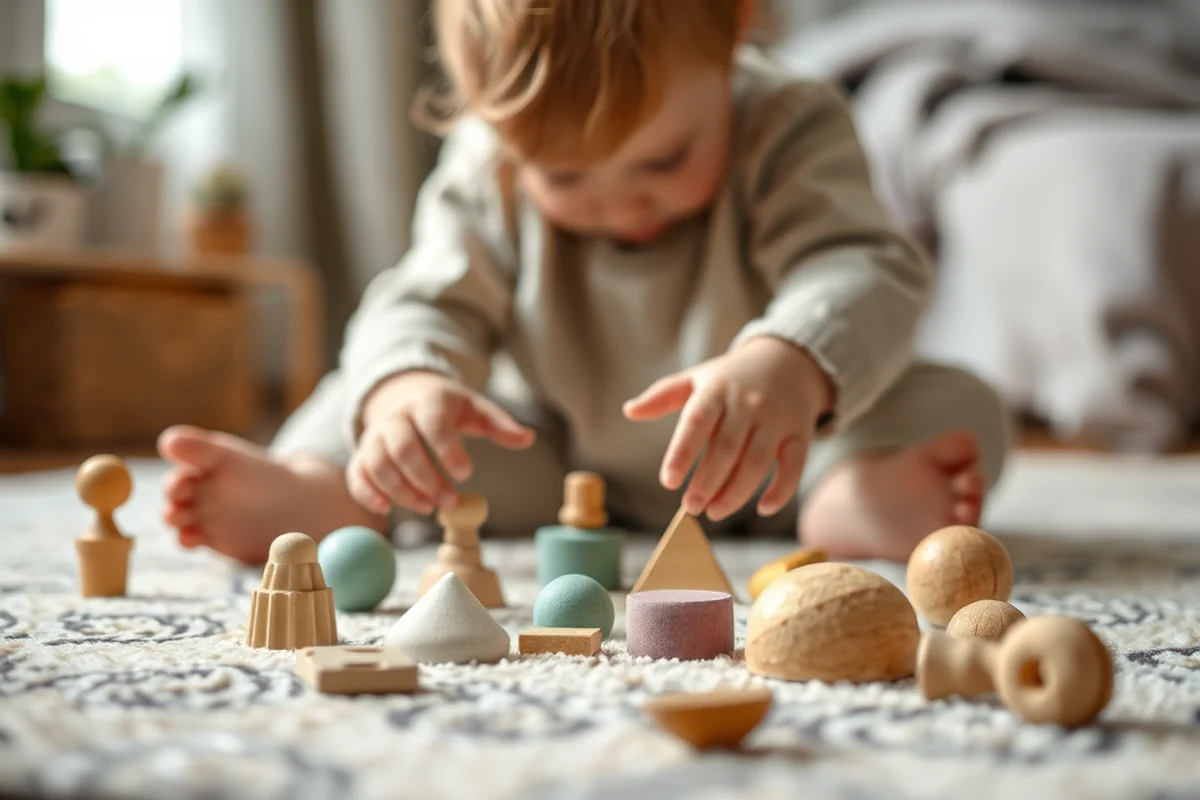
For young children, the act of creating is as important as the result. But when you’re dealing with paint that leaves behind stains, it can be hard to keep them engaged. No-mess painting removes that barrier, allowing kids to focus on the joy of creating.
With the right tools, toddlers can paint without fear of making a mess that’s hard to clean up. This means they can experiment with colors, brush strokes, and even mix colors without worrying about damaging the furniture or walls.
I’ve noticed that Liam is more confident and excited when painting because he knows that there’s no risk of making a mess. He’s even started asking to paint after dinner — something that never used to happen before.
Art should be a joyful experience — not a cleanup nightmare.
Related: How to colouring pictures
How to Set Up a No-Mess Painting Station
The key to a successful no-mess painting session is preparation. Start by laying out a waterproof tablecloth on your countertop or a large piece of cardboard on the floor. This will protect your surfaces and make cleanup a breeze.
Next, gather your materials. I recommend using washable paints, brushes, and paper plates or large paper towels as your canvases. I also keep a small bowl of water and a cloth nearby to clean brushes and wipe up any spills.[1]
I’ve found that having everything ready in one place makes it easier for toddlers to get started quickly. Liam loves when I set up a painting station in the living room — it feels like a special time for him to explore his creativity.
Use washable paints and brushes that are designed for young children. Avoid any small parts that could be a choking hazard, and always supervise your toddler during painting time.
“I remember the day my two-year-old son, Liam, stood in the middle of our living room with a paintbrush in one hand and a cup…”— Messysenses editors
Related: What is the drawing room
The Best No-Mess Painting Tools for Toddlers
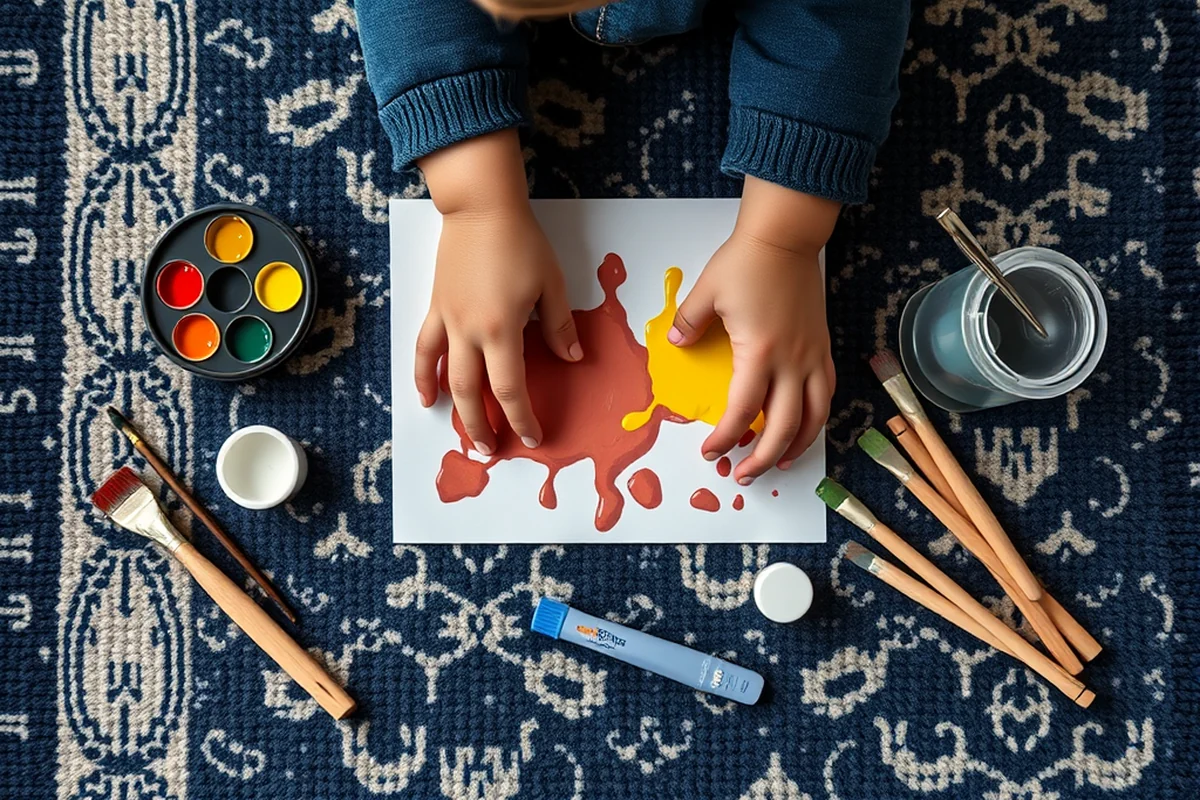
With no-mess painting, the tools you use can make a big difference. I’ve found that using large, easy-to-hold brushes works best for toddlers. These brushes have thick handles that are easy for small hands to grip.
I also use washable, water-based paints that come in a variety of colors. These paints are gentle on surfaces and easy to clean up. For added safety, I always choose paints that are non-toxic and suitable for children.
Another tool I’ve found helpful is a waterproof tablecloth. It allows me to set up a painting station anywhere in the house, and it’s easy to wipe clean after the session is over.
The right tools can make a world of difference for your toddler’s creativity.
Related: Order of draw
Tips for Keeping the Mess to a Minimum
One of the best ways to keep the mess contained is to have a designated area for painting. This could be a table with a waterproof cover or a large piece of cardboard on the floor. This helps prevent paint from spreading to other parts of the room.
I also make sure to use paper plates or large paper towels as canvases. These are easy to dispose of after the session and don’t require much cleanup. I’ve found that using these materials helps keep the mess to a minimum.
Another tip is to use a small bowl of water and a cloth to clean brushes and wipe up any spills. This helps keep the area clean and makes it easier to clean up after the session is over.
Related: American flag drawing
What to Do When Accidents Happen
It’s normal for toddlers to make mistakes during painting sessions. When this happens, the most important thing is to stay calm and not react with frustration. Instead, model the behavior you want to see — be patient and show them how to clean up.
I’ve found that using a cloth and water to wipe up any spills or smudges is the easiest way to handle messes. For paint that gets on the floor or furniture, I use a damp cloth and wipe it away quickly.
If paint gets on your toddler’s skin or clothes, I recommend using a washable, non-toxic paint — these are designed to be easy to clean off. I’ve never had to worry about stains with these types of paints.[2]
Mistakes are part of the process — stay calm and focus on the fun.
Related: Unicorn coloring pages
The Benefits of No-Mess Painting for Toddlers
One of the biggest benefits of no-mess painting is that it allows toddlers to explore their creativity without the fear of making a mess. This can help them develop their fine motor skills and learn about colors and shapes.
For parents, no-mess painting can reduce the stress of cleaning up after a painting session. It also makes it easier to set up a painting station in minutes, which can be done in the living room or even while traveling.
I’ve noticed that Liam has become more confident and excited about painting since we started using no-mess techniques. He’s even started asking to paint after dinner — something that never used to happen before.
🎨 Gentle Approach
Perfect for toddlers who are just starting to explore painting, using soft brushes and washable paints to keep everything safe and contained.
🚀 Fast-Track Method
Ideal for parents who want a quick and easy way to let their toddler paint without the hassle of a big cleanup.
🧳 Travel/On-the-Go Setup
Great for families who want to keep their toddler entertained while traveling, using compact, lightweight tools and disposable materials.
👶 Multiple Kids Setup
Designed for families with more than one toddler, this setup allows multiple kids to paint at the same time without the mess spreading.
🔄 Regression Reset Method
Useful for children who are going through a phase of regression, this method keeps the painting experience simple and stress-free to help them feel more secure.
| The mistake | Why it happens | The fix |
|---|---|---|
| Using non-washable paints | Non-washable paints are not safe for toddlers and can be difficult to clean up, leading to frustration and stress for both the parent and child. | Use washable, water-based paints that are designed for young children. These are safe and easy to clean up. |
| Not having a designated area for painting | Without a designated area, paint can spread to other parts of the room, making cleanup more difficult and time-consuming. | Set up a painting station in one area of the room using a waterproof tablecloth. This helps keep the mess contained. |
| Not using disposable canvases | Using reusable canvases can lead to messes and more cleanup, especially if the toddler is still learning how to paint. | Use paper plates or large paper towels as canvases. These are disposable and make cleanup easier. |
| Not having a cloth and water nearby | Without a cloth and water, it can be difficult to clean up spills or smudges, leading to more mess and stress. | Always have a small bowl of water and a cloth nearby to clean brushes and wipe up any spills. |
No Mess Painting For Toddlers
Common Questions
What type of paint is safest for toddlers?
How do I clean up after a no-mess painting session?
Can I set up a no-mess painting station in the living room?
What tools do I need for no-mess painting?
References
- Calendar • Toddler Finger Painting Program - AzusaCA.gov (azusaca.gov)
- Infant and Toddler Activity Pages: Mess Free Paint (canr.msu.edu)
- (PDF) Messy Play in Early Years Provision - Academia.edu (academia.edu)
- Interactive Art History Lessons for Kids to Try at Home (arts.gov)
Cite this guide
Messysenses (2026). No Mess Painting For Toddlers. https://messysenses.com/no-mess-painting-for-toddlers/
Feel free to cite or share this guide.