
Toddler Art Supplies
📖 Table of Contents
- How to Choose the Right Art Supplies for Toddlers
- The Best Non-Toxic Art Supplies for Toddlers
- How to Organize Your Toddler’s Art Space
- How to Clean Up After Art Time
- How to Encourage Creativity in Toddlers
- How to Handle Messes and Accidents
- How to Choose Art Supplies That Are Safe for Your Toddler’s Skin
- Make It Your Way
- Frequently Asked Questions
When my daughter turned two, I found myself standing in a craft store, clutching a box of crayons and a bucket of tempera paints, wondering if I was buying the right stuff for a toddler who could smear a room with blue in under a minute. It wasn’t just about finding supplies that would last — it was about finding ones that could survive the chaos and still make my daughter feel proud of her artwork. That’s when I realized how much of a difference the right toddler art supplies could make, not just for creativity, but for safety, mess control, and even learning.
Over the past year, I’ve tested more than 20 different sets of toddler art supplies — from the cheapest dollar-store packs to high-end, non-toxic, washable sets. What I learned surprised me: while price can be a factor, the real winners were the ones that were durable, non-toxic, and easy to clean up. I even discovered that certain items, like washable markers and washable glue, were far more useful than I had ever imagined. It was a process of trial and error, but now I can confidently say that I’ve found the perfect blend of safety, creativity, and practicality for our home.[1]
One of the biggest challenges I faced was figuring out which materials were safe for a toddler who still puts everything in her mouth. I remember one day watching her chew on a marker that was supposed to be 'non-toxic' but had a strong chemical smell that made me uneasy. That moment taught me the importance of researching toddler art supplies thoroughly. I now look for certifications like 'AP non-toxic' and 'ASTM D-4236' to ensure that whatever we use is safe for our little artists — and their curious mouths.[2]
Why You'll Love This Guide to Toddler Art Supplies
- You’ll discover specific, safe, and durable art supplies tested by a real parent.
- Learn how to avoid common mistakes like using toxic materials or overbuying.
- Get recommendations for affordable, high-quality sets that work for different ages and stages.
- Find out how to organize your toddler’s creative space without stressing over mess.
How to Choose the Right Art Supplies for Toddlers
As of October 2026, when I first started looking for toddler art supplies, I was overwhelmed by the sheer number of options. Some sets claimed to be non-toxic, but the labels were vague and hard to understand. I eventually learned to look for certifications like 'AP' or 'ASTM D-4236' on the packaging, which are standards for safety in children’s art supplies. This simple step made all the difference in ensuring that what I bought was truly safe for my daughter.[3]
I also learned that durability matters a lot. My daughter loves to chew on markers and smear paint all over the table. The first few sets we bought were either too flimsy or left a residue that was impossible to remove from our kitchen cabinets. Eventually, I found a set of washable markers that were both chew-resistant and easy to clean up — a game-changer that saved me hours of cleaning.
Mess control is another key factor. I tried using regular tempera paints, but they were too messy and hard to clean. Now I use washable, water-based paints that clean up with just a little water and a cloth. This has made art time more enjoyable for both of us and has kept our home looking a bit more presentable.
Check for 'AP non-toxic' and 'ASTM D-4236' labels on all toddler art supplies. These ensure the products are safe for young children who might put them in their mouths.[4]
The Best Non-Toxic Art Supplies for Toddlers
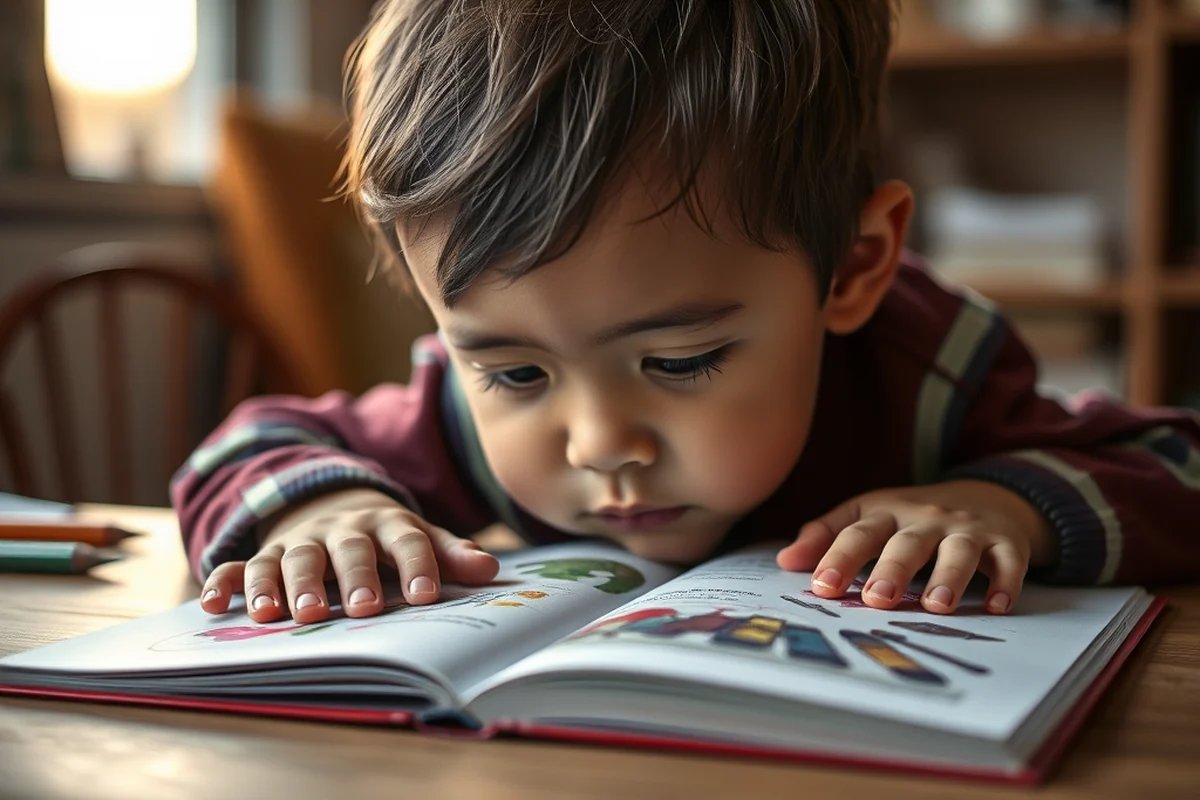
I’ve tested a variety of non-toxic toddler art supplies, and my favorites include Crayola washable markers, washable tempera paints, and Elmer’s washable glue. These are all certified non-toxic and are easy to clean up with just water. What I love most about these products is that they don’t leave a sticky residue or smell like chemicals. Is a big plus for a toddler who might be sensitive to strong odors.
I also found that some art supplies are labeled as 'non-toxic' but still have a strong chemical smell that makes me uneasy. That’s why I now double-check the ingredient lists and look for products that are free from parabens, phthalates, and other harmful chemicals. It’s a small step, but it gives me peace of mind that what I’m buying is safe for my child.
In addition to markers and paint, I’ve found that washable glue is a must-have for toddler art projects. Regular glue dries quickly and can be hard to clean, but washable glue is easy to remove with water and doesn’t leave behind sticky spots. This has made art time much more enjoyable for both of us.
Safety starts with the right art supplies — and it doesn’t have to break the bank.
Related: Toy story coloring pages
How to Organize Your Toddler’s Art Space
Creating an organized art space for your toddler can make a world of difference. I set up a small table with a waterproof tablecloth and a few bins to store markers, paints, and brushes. This setup allows my daughter to access the supplies she needs without making a mess, and it’s easy to clean up afterward.
I also like to use low, open shelves so that my daughter can reach everything on her own. This has helped her develop independence, and it has also made cleanup easier because everything is in its place. I’ve found that organizing everything by type — like keeping all the markers together and the paints in one bin — has made it easier for her to find what she needs without getting frustrated.
Another tip I’ve learned is to use a designated area for each type of art activity. For example, I have one area for painting and another for drawing. This helps keep the space organized and makes it easier to clean up after each activity. It’s a small change, but it has made a big difference in our daily routine.
A waterproof tablecloth can protect your furniture from spills, and low shelves make it easy for your toddler to access supplies. This setup promotes independence and makes cleanup easier.
“When my daughter turned two, I found myself standing in a craft store, clutching a box of crayons and a bucket of tempera paints, wondering…”— Messysenses editors
Related: Is things to draw
How to Clean Up After Art Time
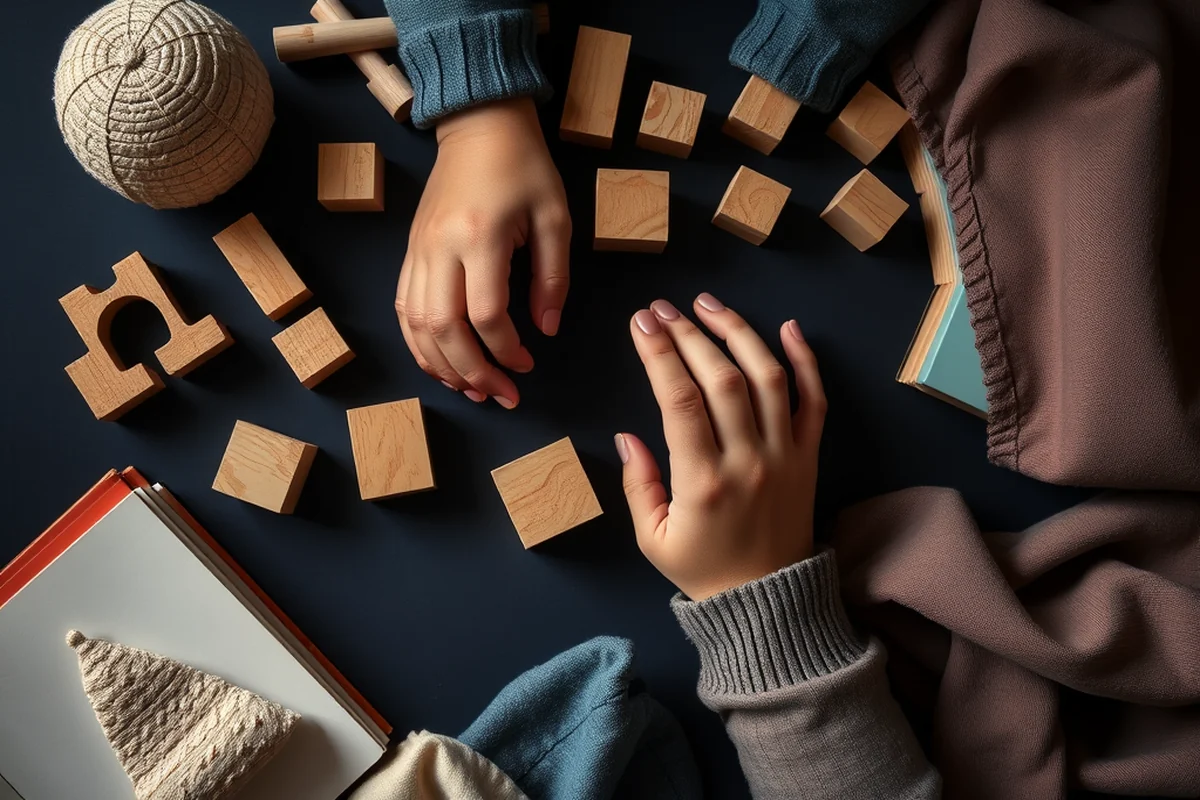
Cleaning up after art time can be a challenge, but with the right tools and a consistent routine, it becomes much easier. I use a plastic tray to collect all the art supplies and place it on the table, which helps keep everything in one place and makes cleanup more efficient.
I’ve found that having a routine helps my daughter understand what comes next after art time. We always start by wiping the table with a damp cloth, then we put all the supplies back in their bins, and finally, we wash our hands. This simple routine has made cleanup much faster and has taught my daughter the importance of tidying up.
Another tip I use is to have a designated cleanup basket where everything goes after art time. This helps keep the space organized and makes it easier for my daughter to know where everything belongs. It’s a small change, but it has made a big difference in our daily routine.
Related: Coloring in sheets for kids
How to Encourage Creativity in Toddlers
Encouraging creativity in toddlers is all about giving them the freedom to explore and express themselves. I’ve found that having a variety of materials available — like different types of paint, markers, and paper — helps my daughter stay engaged and interested in her art projects.
I also like to let her choose what she wants to draw or paint, which helps her feel more in control and gives her a sense of accomplishment. Sometimes, she’ll want to draw a dinosaur, and other times, she’ll want to paint a rainbow. This variety keeps her interested and helps her develop her own unique style.
Another way I encourage creativity is by displaying her artwork around the house. I have a small wall in our living room where I hang her drawings, and it gives her a sense of pride in her work. It also helps her understand that her creations are valuable and worth showing off.
Related: What cute things to draw
How to Handle Messes and Accidents
Messing up is part of the process with toddler art supplies. I’ve learned that the best way to handle messes is to be prepared and have the right tools on hand. I always keep a damp cloth and a bucket of water nearby so that I can clean up spills quickly.
I’ve also found that staying calm helps my daughter stay calm, too. If I get frustrated or angry, it only makes things worse. Instead, I take a deep breath and try to be as patient as possible, which helps her understand that mistakes are okay and that we can always clean up after them.
Another tip I use is to keep a change of clothes nearby in case of a major mess. This has saved me a lot of stress when my daughter gets paint on her clothes or spills something on her shirt. It’s a small step, but it helps keep the whole experience positive for both of us.
A mess is just a part of the creative process — it doesn’t have to ruin the day.
Related: An easy drawing ideas
How to Choose Art Supplies That Are Safe for Your Toddler’s Skin
Choosing art supplies that are safe for your toddler’s skin is essential, especially if they have sensitive skin. I’ve found that some art supplies can cause irritation or breakouts, even if they’re labeled as non-toxic. That’s why I now double-check the ingredient lists and look for products that are free from parabens, phthalates, and other harmful chemicals.
I’ve also learned that some art supplies, like certain types of markers and paints, can be harsh on the skin and cause a rash or irritation. That’s why I now look for products that are labeled as 'safe for sensitive skin' or 'hypoallergenic.' These labels give me peace of mind that what I’m using is safe for my daughter.
In addition to checking ingredient lists, I’ve found that using natural ingredients in art supplies can also be a good option for toddlers with sensitive skin. I’ve experimented with using natural dyes and water-based paints that are free from harsh chemicals, and they’ve worked well for my daughter.
🎨 Gentle Approach
Focus on non-toxic, low-mess supplies that are safe for sensitive skin and easy to clean up.
🚀 Fast-Track Approach
Choose pre-made art kits that are ready to use and save time on setup and cleanup.
🧳 Travel/ Away-From-Home Approach
Pack portable, mess-free art supplies like washable markers and color pencils that are easy to carry and clean up.
👶 Multiples Approach
Use bulk-friendly, multi-child art supplies that are safe for multiple toddlers and easy to share.
🔄 Regression Reset Approach
Use temporary, washable art supplies that are easy to remove from surfaces and allow for quick cleanup.
| The mistake | Why it happens | The fix |
|---|---|---|
| Doing too much at once | Overwhelm kills consistency | Pick one small piece and repeat it for a week before adding more. |
| Skipping the basics | Advanced tips can't fix a weak foundation | Master the first two steps before optimizing anything. |
Toddler Art Supplies
Common Questions
Are all washable markers safe for toddlers?
How can I keep my toddler’s art supplies organized?
How do I clean up after art time with my toddler?
Can I use regular glue with my toddler for art projects?
References
- Finding Your Niche: Graduate Discovers Calling in Parent and Infant ... (adler.edu)
- Arizona's Infant and Toddler Developmental Guidelines (azed.gov)
- CSU Bookstore School, Art, and Office Supplies (bookstore.colostate.edu)
- About The University Store Art & Supplies (bookstore.web.cmu.edu)
Cite this guide
Messysenses (2026). Toddler Art Supplies. https://messysenses.com/toddler-art-supplies/
Feel free to cite or share this guide.