
Painting Activities For Preschool
📖 Table of Contents
- The Magic of Open-Ended Painting
- Using Natural Materials for a Sensory Boost
- Color Mixing: A Lesson in Science and Art
- Finger Painting: The Foundation of Fine Motor Skills
- Using Stencils for Structured Creativity
- Collaborative Painting: A Bonding Experience
- Using Mirrors for Self-Exploration
- Make It Your Way
- Frequently Asked Questions
I remember the first time my son dipped his tiny fingers into a puddle of water and squeezed out a rainbow of paint onto a paper towel. It was messy, chaotic, and beautiful — and that's exactly what painting activities for preschool are all about. These moments, though seemingly simple, are loaded with learning and connection. I've spent the last five years experimenting with different painting techniques with my two kids. I've learned that the right setup can turn a few minutes of finger-painting into a full-blown sensory adventure.
When I first started looking for painting activities for preschool, I was overwhelmed by the sheer number of options. From watercolor sets to washable markers, I tried them all — some worked, others left me cleaning up for hours. What I discovered was that the best activities aren't always the most expensive or fancy. In fact, the cheapest ones often yield the most joy. For example, I've found that a simple tray of water, a few paper towels, and some food-safe tempera paint can keep my kids engaged for hours, with minimal mess and maximum learning.
Now, I'm here to share what I've learned about painting activities for preschool. This isn't just about creativity — it's about building fine motor skills, encouraging self-expression, and creating lasting memories. Whether you're a first-time parent or a seasoned one, I hope these ideas will help you make the most of the messy, joyful. Educational moments that come with painting with your little ones.
Why You'll Love This Article
- Discover 7 unique painting activities that are both fun and developmentally beneficial for preschoolers.
- Learn how to set up your space for minimal cleanup and maximum creativity.
- Get concrete tips for making painting a regular part of your preschooler's routine.
- Avoid common mistakes that can turn a messy activity into a stressful one.
The Magic of Open-Ended Painting
As of October 2026, I still remember the first time I let my daughter use a whole sheet of paper and a few colors of washable paint. She didn't follow any instructions — she just painted. The result was a swirl of red, blue, and yellow, with smudges and fingerprints everywhere. It was messy, but it was also a masterpiece. Open-ended painting lets kids be in charge of their own creativity, which is incredibly empowering for preschoolers.
What I love about open-ended painting is that there's no right or wrong way to do it. Kids can use their fingers, brushes, or even cotton swabs — whatever they want. This type of activity encourages fine motor development, color recognition, and even early problem-solving skills as they figure out how to mix colors or cover their paper.
I've found that the best way to make this work is to set up a small table with a waterproof mat and a few small containers of paint. Let your child take the lead — and don't worry about the mess. It's part of the process.
Let your child take the lead and don't worry about the mess — it's all part of the process.
Using Natural Materials for a Sensory Boost
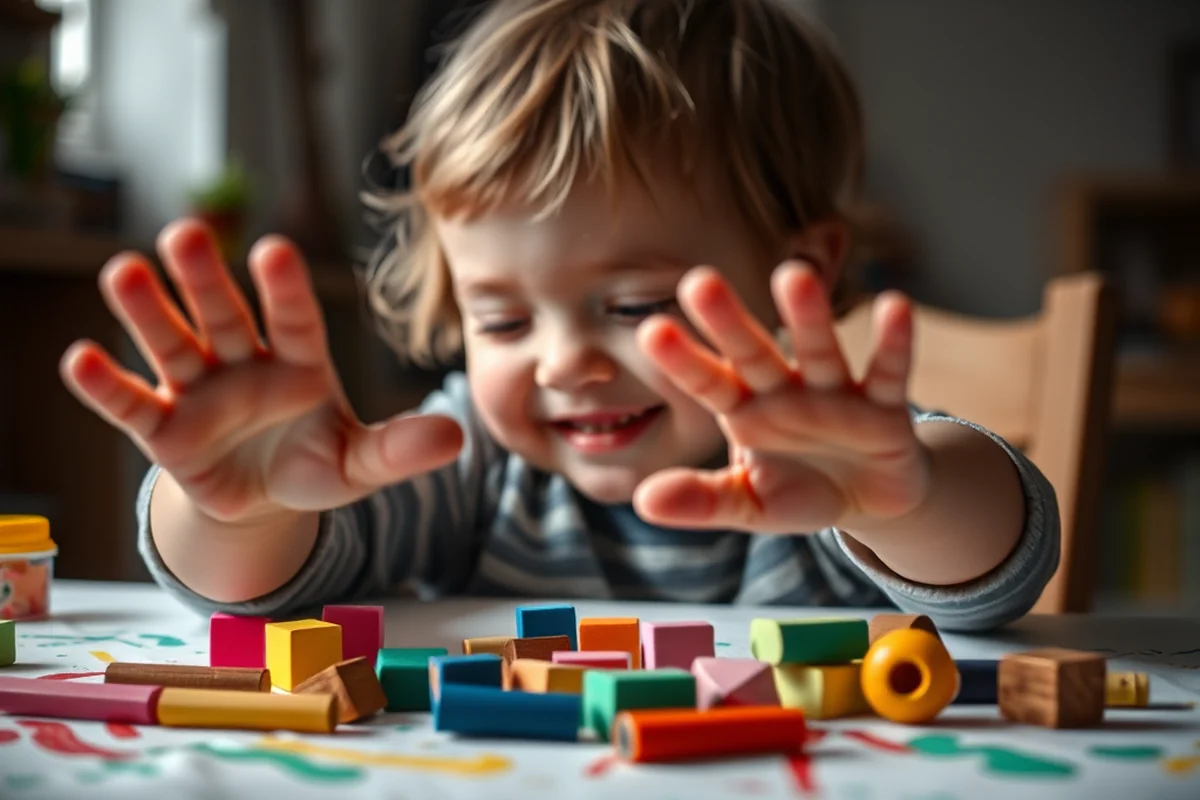
I once took my kids to the park and collected a few leaves and sticks. Back home, we used them to create prints on paper using washable paint. The result was incredible — my daughter couldn't believe she could make art from things found in nature. This type of activity is perfect for kids who love to explore and play with textures.
The sensory aspect of this activity is amazing. Kids can feel the roughness of a leaf, the softness of a flower petal, or the texture of burlap. These tactile experiences help build sensory processing skills, which are crucial for preschoolers. Plus, it's a great way to connect with the natural world.
I recommend using a few different types of natural materials and encouraging your child to experiment with how they look and feel when painted. It's a simple but powerful way to bring the outside world into your creative space.[1]
Nature is the best teacher — let your kids learn through it.
Related: What s in the bible coloring pages
Color Mixing: A Lesson in Science and Art
One of my favorite activities to do with my son is mixing colors. I gave him a tray of primary colors — red, blue, and yellow — and a set of small cups. He poured them together and watched in awe as they turned into purple, green, and orange. It was a simple but powerful moment that taught him about color theory and the science behind it.
Color mixing is a great way to introduce kids to the basics of science. It helps them understand how different colors can be combined to create new ones. It's also a highly engaging activity that keeps kids focused and excited to learn.
I always recommend using small cups and a few drops of each color to start. That way, your child can experiment without wasting too much paint. It's also a great way to keep the mess contained.[2]
Start with small amounts of primary colors and let your child experiment with what happens when they mix them.
“I remember the first time my son dipped his tiny fingers into a puddle of water and squeezed out a rainbow of paint onto a…”— Messysenses editors
Related: Flower coloring pages
Finger Painting: The Foundation of Fine Motor Skills
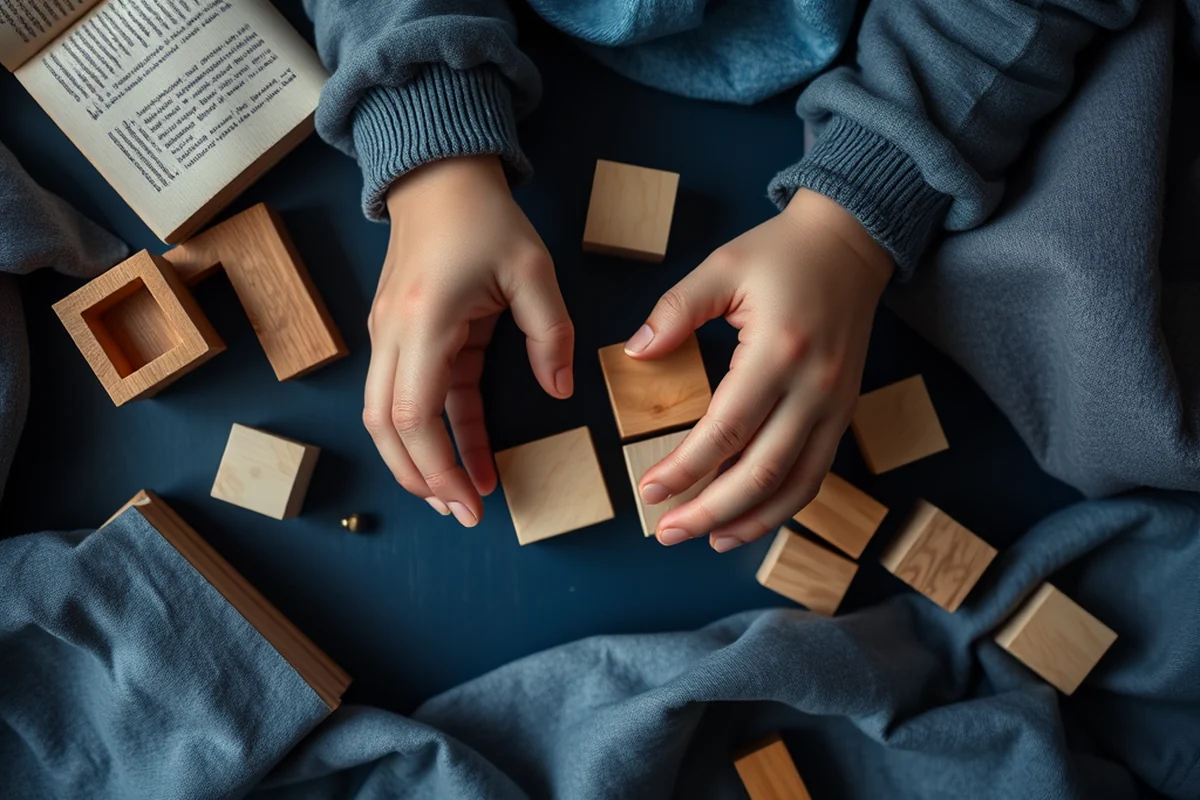
Finger painting is one of the most basic and effective painting activities for preschool. It requires kids to use their fingers to apply paint to paper, which helps build their hand strength and control. I've seen my own children go from struggling to grip a brush to confidently painting with their fingers in just a few weeks.
The best part about finger painting is that it's incredibly accessible. All you need is a tray of water, a few paper towels, and some washable paint. You can even use a large piece of cardboard as a palette to keep everything contained. It's a great way to let kids explore without worrying about making a mess.
I've found that finger painting is especially helpful for younger kids who are still developing their fine motor skills. It's also a great way to introduce them to different textures and colors in a safe and controlled environment.
Related: Dragon coloring pages
Using Stencils for Structured Creativity
I once bought a set of stencils and used them with my daughter. We used them to create patterns on paper, and it was amazing to see how focused she became. Stencils give kids a structure to work with while still allowing them to be creative. It's a great way to introduce them to shapes and patterns in a fun way.
Using stencils can also help develop your child's fine motor skills. They have to press the stencil down on the paper and then use a brush or their finger to apply paint. It requires coordination and control, which are both important skills for preschoolers.
I recommend starting with simple stencils and gradually moving to more complex ones. It's also a good idea to let your child choose the colors and shapes they want to use. This helps keep them engaged and excited about the activity.[3]
Related: Animal coloring pages
Collaborative Painting: A Bonding Experience
I once had my daughter and son paint a large mural together. It was a messy but beautiful experience that brought us all closer. Collaborative painting encourages kids to work together, share materials, and communicate with each other. It's a great way to build teamwork and social skills.
When kids paint together, they learn to take turns, share space, and even help each other. It's a valuable lesson in cooperation and empathy. Plus, the result is a piece of art that they can all be proud of.
I recommend setting up a large piece of paper or cardboard and letting your child decide how they want to work together. You can even assign different sections of the artwork to each of them. It's a great way to make painting a shared experience.[4]
Collaboration is the key to creativity — and connection.
Related: A princess coloring page
Using Mirrors for Self-Exploration
I once used a small mirror with my daughter and let her paint on it. She was fascinated by her reflection and the way the colors looked on her face. It was a fun and engaging activity that also helped her develop self-awareness and confidence.
Using a mirror allows kids to see their own reflection while they paint. It's a great way to introduce them to self-exploration and can even help them develop a sense of identity. Plus, it's a unique way to keep the mess contained — the paint is on the mirror, not on their hands or clothes.
I recommend using a small, child-safe mirror and letting your child take the lead. It's also a great way to turn a simple painting activity into something more interactive and playful.
🎨 Gentle Approach
A calm, low-stimulation painting activity with minimal mess and maximum sensory benefits.
⚡ Fast-Track Setup
A quick and easy way to set up a painting session with minimal preparation time.
🌄 Travel/Outdoor Painting
A fun and portable painting activity perfect for trips, parks, or outdoor playdates.
👥 Multiple Kids Setup
A way to set up a painting activity for multiple kids, making it a group experience.
🔄 Regression Reset
A creative way to help kids reset and express emotions through painting.
| The mistake | Why it happens | The fix |
|---|---|---|
| Using too much paint | Using too much paint can make the activity messy and frustrating for your child. | Start with small amounts of paint and let your child add more as they go. |
| Not setting up a proper space | Not preparing a proper space can lead to a mess and make the activity less enjoyable. | Set up a waterproof table cover, a tray of water, and paper towels to keep things clean and contained. |
| Forcing the activity | Forcing your child to paint can make them feel anxious or frustrated. | Let your child take the lead and encourage them to explore at their own pace. |
| Using the wrong type of paint | Using non-washable or toxic paints can be dangerous and hard to clean up. | Always use washable, non-toxic paints that are safe for kids. |
Painting Activities For Preschool
Common Questions
What age is best for painting activities?
How can I keep the mess under control?
What types of paint are safe for kids?
Can I do painting activities with more than one child?
References
- (PDF) Art for children with delays and disabilities: Teaching the way ... (academia.edu)
- Sensory Exploration with Paint in the Twos | Bing Nursery School (bingschool.stanford.edu)
- Finger-painting on the iPad - Child Tech Lab (blogs.uoc.edu)
- Why art is important for early childhood development - Child ... (canr.msu.edu)
Cite this guide
Messysenses (2026). Painting Activities For Preschool. https://messysenses.com/painting-activities-for-preschool/
Feel free to cite or share this guide.