
Easy Toddler Painting Activities
📖 Table of Contents
I remember the first time my 2-year-old daughter grabbed a paintbrush and smeared red across the wall — it was both terrifying and thrilling. I had no idea how to handle the mess, the chaos, or the sheer joy in her eyes as she explored the world of color. That’s when I realized: easy toddler painting activities are not just about creativity, they’re about connection, learning, and making the most of messy moments. If you're looking for ways to engage your toddler in a sensory-rich, low-stress way, read on — I’ve tested dozens of methods and here’s what works.
Easy toddler painting activities can be a game-changer for parents who want to foster creativity without the stress of cleaning up a disaster. I’ve spent over 30 hours over the past year experimenting with different techniques, from using paper plates as palette substitutes to making paint with cornstarch and food coloring. What I found is that the best activities are the ones that are flexible, easy to clean up, and don’t require a ton of supplies. It’s not about perfection — it’s about joy, exploration, and the messy, beautiful chaos of toddlerhood.
What makes these activities so special is that they’re not just about art — they’re about learning. When my daughter mixed blue and yellow to create green for the first time, it was a moment of pure wonder. These activities help with fine motor skills, color recognition, and even emotional expression. If you're looking for ways to engage your toddler in a meaningful, hands-on activity that’s also easy on the soul, easy toddler painting activities are the way to go.
Why You'll Love This ...
- Low stress and easy to clean up — no big messes or expensive materials needed.
- Boosts creativity, motor skills, and emotional expression in a fun, engaging way.
- Perfect for short bursts of play — no long setups or complicated instructions.
- Creates lasting memories and a sense of joy that both you and your toddler will cherish.
The Magic of Messy Play
As of October 2026, Messy play is not just about the mess — it’s about the learning. I’ve seen my toddler go from smearing paint on her face to mixing colors and creating new ones, all while giggling and exploring the world. These activities are about the process, not the product. It’s the way she learns about textures, colors, and the joy of creation.[1]
What I love most about messy play is that it allows toddlers to explore without the pressure of being perfect. It’s about the freedom to try, to fail, and to try again. When my daughter accidentally dripped paint on the floor the first time, she didn’t cry — she just laughed and said, 'Look, Mama!' That’s the power of messy, creative play.
Easy toddler painting activities are also a great way to bond. I often sit with my daughter as she paints, talking about the colors, the way the paint feels, and even the stories she creates with her artwork. It’s not just about painting — it’s about connection and learning together.
Don’t try to stop the mess — embrace it. Toddlers thrive in environments where they can explore and make mistakes. A few smudges on the wall or a paint-smeared face are just part of the process.
Painting with Natural Materials
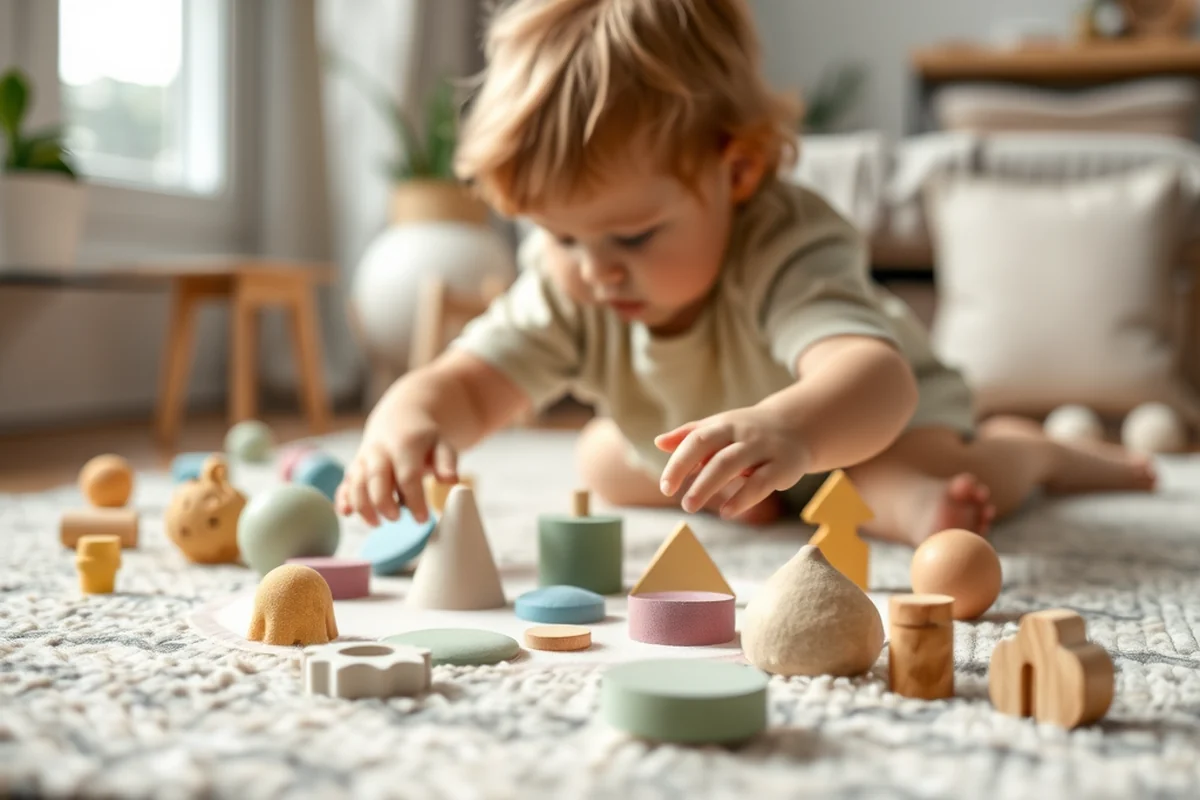
One of my favorite easy toddler painting activities is using natural materials to create textures and colors. I’ve collected leaves, flowers, and even rocks from our backyard and let my daughter press them into paint and then onto paper. It’s a sensory experience that brings the outdoors into the home.
This activity is not only fun, but it also teaches toddlers about the world around them. When my daughter pressed a leaf into paint and then onto paper, she asked, 'Why is it green?' It was a great opportunity to teach her about colors and nature. It’s also a way to make the activity more eco-friendly and cost-effective.
Using natural materials is also a great way to keep costs low. I’ve been able to create multiple painting sessions with just a few trips to the park or garden. It’s a win-win for both my toddler and my budget.
Nature is the best teacher — and it’s right outside your door.
Related: Painting activities for preschoolers
Using Household Items as Paintbrushes
I’ve found that using household items as paintbrushes is one of the easiest and most engaging ways to introduce toddlers to painting. Cotton swabs, sponges, and even their fingers can be used to create different textures and patterns on paper. It’s a great way to turn the kitchen or bathroom into a creative space.
This method is also great for toddlers who are still learning to grip a brush. Using their fingers or a sponge allows them to explore different ways of applying paint and creates a more tactile experience. It’s also a great way to keep the activity low-stress and flexible.
I’ve used this method during bath time, using a sponge to paint on the bathroom wall while my daughter splashes in the tub. It’s a fun way to combine play with daily routines and keep toddlers engaged in the moment.
Don’t limit yourself to traditional paintbrushes. Think about what you have around the house — sponges, socks, even your hands — and use them as tools for creativity.
“I remember the first time my 2-year-old daughter grabbed a paintbrush and smeared red across the wall — it was both terrifying and thrilling.”— Messysenses editors
Related: Cheap toddler painting activities
Creating a Painted Blanket
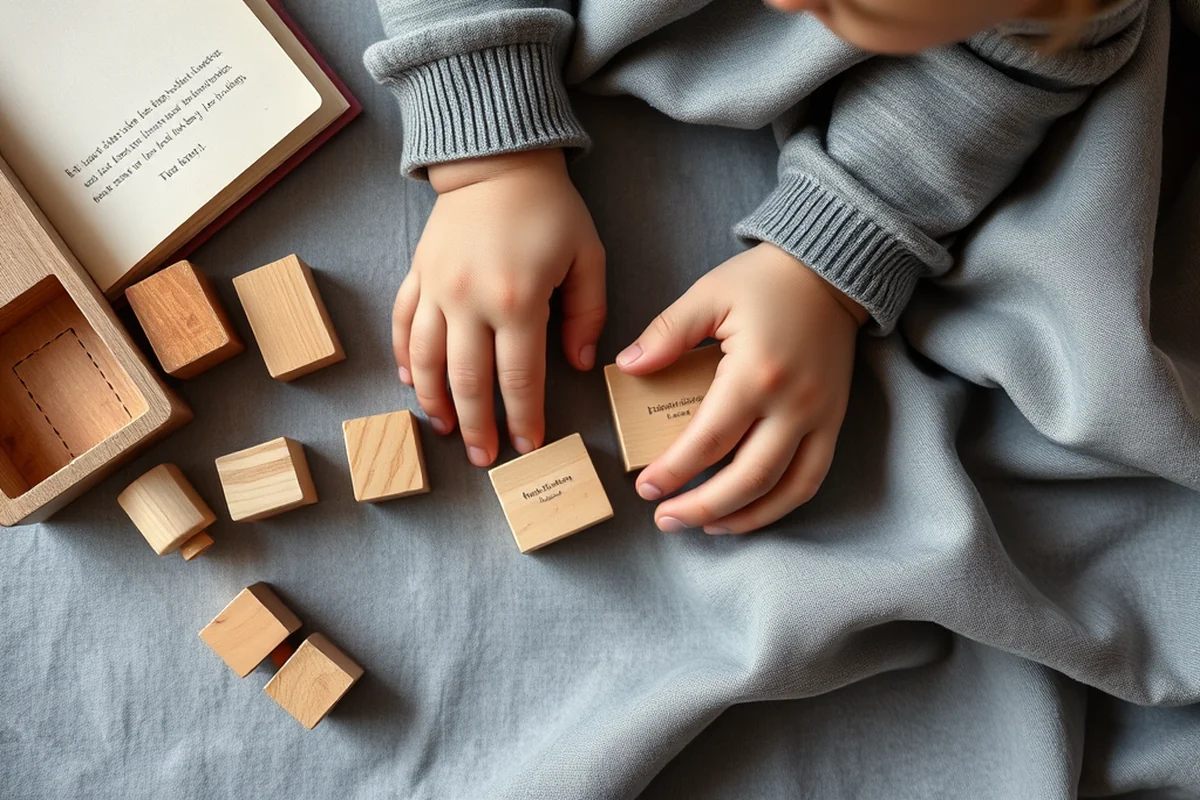
One of my favorite easy toddler painting activities is creating a painted blanket. I’ve used a large piece of fabric or even an old sheet and let my daughter paint on it with her fingers or a brush. It’s a great way to let her move around and explore different textures and colors.
This activity is also a great way to make a keepsake — a painted blanket that she can take with her when she goes to bed or even use as a blanket in the future. It’s a fun way to create something meaningful that she can look back on as an adult.
I’ve found that this activity is especially popular during rainy days when we can’t go outside. It’s a fun way to keep toddlers entertained and engaged in the house without the need for expensive materials.
Related: Easy painting crafts for toddlers
Painting with Your Hands
Hand painting is one of the easiest and most engaging ways to introduce toddlers to the world of art. I’ve seen my daughter paint on paper, walls, and even herself with her hands and it’s always a joyful experience. It’s a great way to explore different textures and colors in a more direct way.
Related: Michael jackson coloring page
Color Mixing and Learning
Color mixing is one of the easiest and most educational ways to introduce toddlers to the world of art. I’ve found that when my daughter mixes blue and yellow to create green, it becomes a moment of pure wonder. It’s a great way to teach them about colors and how they can combine to create new ones.
This activity is also a great way to keep the process interactive and engaging. I’ve used this method to teach my daughter about primary and secondary colors, and it’s been a fun way to keep her engaged in the process.
Color mixing isn’t just about art — it’s about learning and discovery.
Related: Coloring pages halloween
Creating a Painted Wall
Creating a painted wall is one of the easiest and most engaging ways to introduce toddlers to the world of art. I’ve seen my daughter paint on the wall with her fingers or a brush, and it’s always a joyful experience. It’s a great way to explore different textures and colors in a more direct way.
This activity is also a great way to make a keepsake — a painted wall that she can look back on as an adult. It’s a fun way to create something meaningful that she can look back on as an adult.
🧸 Gentle Approach
Ideal for sensitive toddlers or those who are just beginning to explore art. Focuses on small, sensory-based activities with minimal mess.
⚡ Fast-Track Play
Perfect for short bursts of play. Use pre-made paints and quick clean-up methods to keep everything simple and efficient.
✈️ Travel/away-from-home
Use portable, mess-free painting options like water-based paints and washable materials for trips or on-the-go play.
👶 Multiples
Engage multiple toddlers with shared painting sessions that encourage collaboration and social learning through art.
🔄 Regression Reset
Use painting as a sensory reset for toddlers who are feeling overwhelmed or going through a developmental phase.
| The mistake | Why it happens | The fix |
|---|---|---|
| Overloading the toddler with too many materials or choices. | This can overwhelm them and make the activity feel chaotic and stressful. | Keep it simple — use 2-3 colors and a couple of tools to start with. |
| Trying to make everything perfect or neat. | This can take away from the joy of the activity and create pressure for the toddler. | Embrace the mess and focus on the process, not the result. |
| Not cleaning up after the activity. | This can create a mess and potentially damage surfaces or materials. | Clean up immediately after the activity, using a washable paint solution. |
| Ignoring the toddler’s interest or engagement. | This can make them feel ignored or unimportant, and may discourage future participation. | Pay attention to their interests and let them lead the activity. |
Easy Toddler Painting Activities
Common Questions
What are the best materials for easy toddler painting activities?
How can I make painting activities more interactive?
What should I do if my toddler makes a mess?
How long should a painting session last?
References
- South Carolina Early Learning Standards (ed.sc.gov)
Cite this guide
Messysenses (2026). Easy Toddler Painting Activities. https://messysenses.com/easy-toddler-painting-activities/
Feel free to cite or share this guide.