
Easy Painting Crafts For Toddlers
📖 Table of Contents
- Why Painting Is Perfect for Toddlers
- What You’ll Need to Get Started
- How to Choose the Right Paint for Toddlers
- Setting Up a Painting Station for Toddlers
- How to Handle the Mess (Because There Will Be One)
- Encouraging Creativity Without Pressure
- Making Painting a Daily Habit
- Make It Your Way
- Frequently Asked Questions
When my daughter turned two, I knew I needed a way to keep her entertained, engaged, and creative during the day while I finished work. That's when I discovered the joy of easy painting crafts for toddlers — not just because they're fun, but because they helped her express herself in ways words couldn’t. I didn’t have a formal art background, and I didn’t want to spend hours setting up elaborate activities. What I did find was that simple tools, a few household items, and a mess-tolerant mindset could turn any room into a canvas of creativity.
The first time we painted together, it was messy, chaotic, and absolutely magical. I had no idea how much she’d learn about colors, textures, and even the concept of ‘turning over’ when we used a paper plate as a palette. I was surprised by how many times she’d say, ‘Look, Mommy, I made a rainbow!’ or ‘This looks like a dinosaur!’ It wasn’t about perfection — it was about joy, discovery. The little sparks of imagination that lit up her face.
Now, I have a few go-to easy painting crafts for toddlers that don’t require hours of setup, a ton of materials, or a lot of cleanup. The best part? They’ve become part of our daily routine. I’ve seen my daughter grow more confident, more curious, and more willing to explore — all through the simple act of painting with her fingers, cotton swabs, or even a sponge. These activities aren’t just fun; they’re tools for learning, bonding, and creating lasting memories.
Why You'll Love This Collection of Easy Painting Crafts for Toddlers
- They’re perfect for busy parents who want a fun, no-fuss activity that keeps kids engaged.
- They require minimal supplies — often just items you already have at home.
- They help toddlers develop fine motor skills, color recognition, and creativity.
- They’re messy, but that’s part of the fun — and it’s all part of the learning process.
Why Painting Is Perfect for Toddlers
As of August 2026, Toddlers are naturally curious, and painting gives them a way to interact with colors, textures, and shapes in a safe, hands-on way. It’s not just about making a picture — it’s about the process of mixing colors, pressing their fingers into paint. Watching the transformation from white paper to something vibrant and full of life.
I’ve seen my daughter go from hesitant to excited — she now knows exactly what to do when she sees a paint tray, and she can mix colors like a pro. The best part is that she doesn’t feel pressure to make something ‘perfect’ — she just enjoys the act of creating.
Studies show that open-ended art activities like painting can improve a child’s cognitive development, fine motor skills, and even emotional expression. It’s not surprising that I’ve noticed a difference in her communication and confidence since we started.[1]
Use only two or three colors at a time to avoid overwhelming your toddler. I’ve found that this helps them focus and enjoy the process more.
What You’ll Need to Get Started
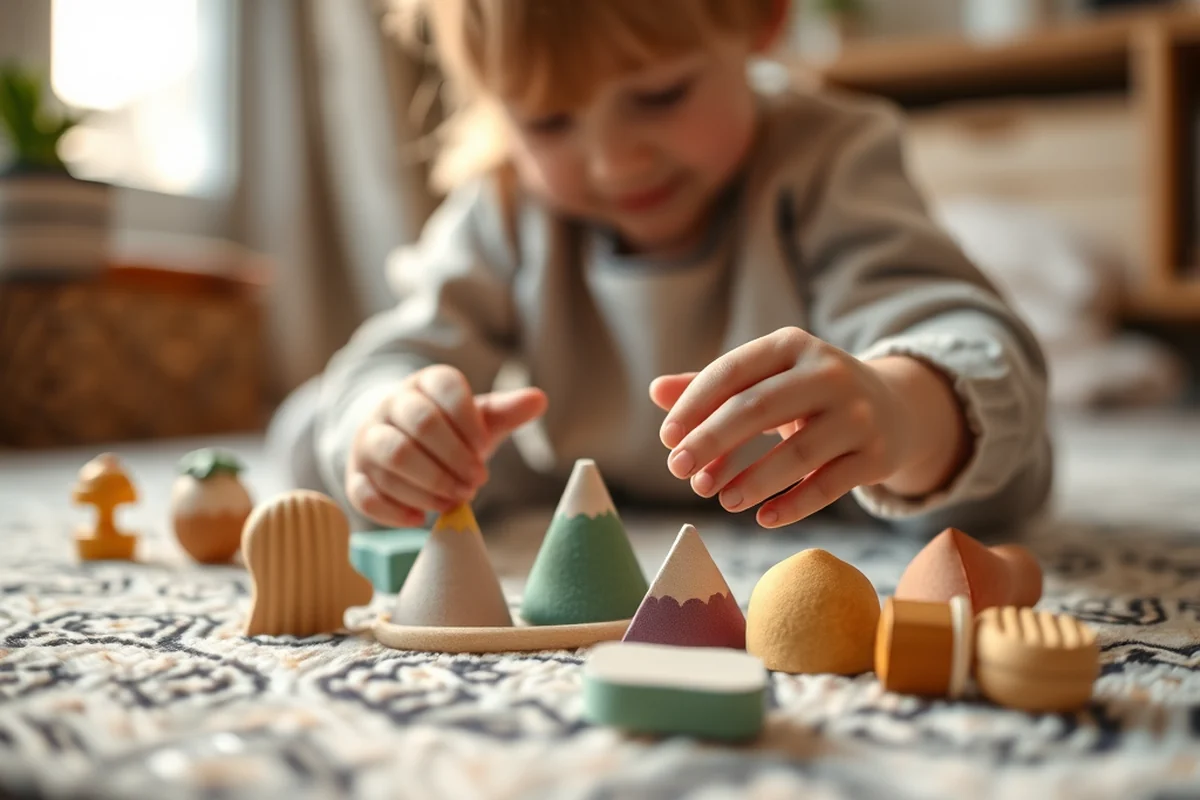
I’ve found that the most important things are a washable paint set (I recommend ones with non-toxic, water-based paint), paper (cardstock or thick paper works best). A few simple tools like cotton swabs, brushes, or even their fingers. The rest is up to your toddler’s imagination.[2]
I’ve used paper plates as palettes, cardboard boxes as canvases, and even old clothes as a way to make a mess without worrying about ruining something. It’s all about making it easy, accessible, and safe.
I’ve noticed that my daughter is more likely to engage if the setup is simple. She doesn’t get overwhelmed by too many options, and she enjoys the freedom to explore without the pressure of making something ‘just right.’
Keep it simple — the best art comes from the least amount of setup.
Related: Cheap toddler painting activities
Related: Flower Process Art For Toddlers
Related: How To Toddler Painting Activities
Related: Painting activities for preschoolers
Related: Painting Activities For Toddlers Eyfs
Related: Painting Of Toddlers
Related: Painting Ideas For Toddlers
Related: Fish Coloring In Pages
Related: Back To School Coloring Pages
Related: No Mess Painting For Toddlers
Related: Painting Projects For Toddlers
Related: Hello Kitty Coloring Sheets
Related: Painting Crafts For Toddlers
How to Choose the Right Paint for Toddlers
I’ve tried several types of toddler-friendly paint over the years, and I can say without hesitation that water-based, washable paint is the best option. It’s safe if they put it in their mouths, and it washes off skin and most fabrics easily.
I’ve found that some brands offer ‘toddler-safe’ paint with a special formula that dries quickly and doesn’t leave a sticky residue. I’ve also noticed that the colors are more vibrant and hold up better on paper — a win for both creativity and cleanup.
Another thing I’ve learned is to avoid acrylic paints, even if they’re labeled as ‘safe.’ They can be harder to clean and tend to dry too quickly. Sticking with water-based options has made a huge difference in both the experience and the cleanup.
Avoid acrylics and stick with water-based, washable paint. I’ve found this leads to better results and easier cleanup.
“When my daughter turned two, I knew I needed a way to keep her entertained, engaged, and creative during the day while I finished work.”— Messysenses editors
Setting Up a Painting Station for Toddlers
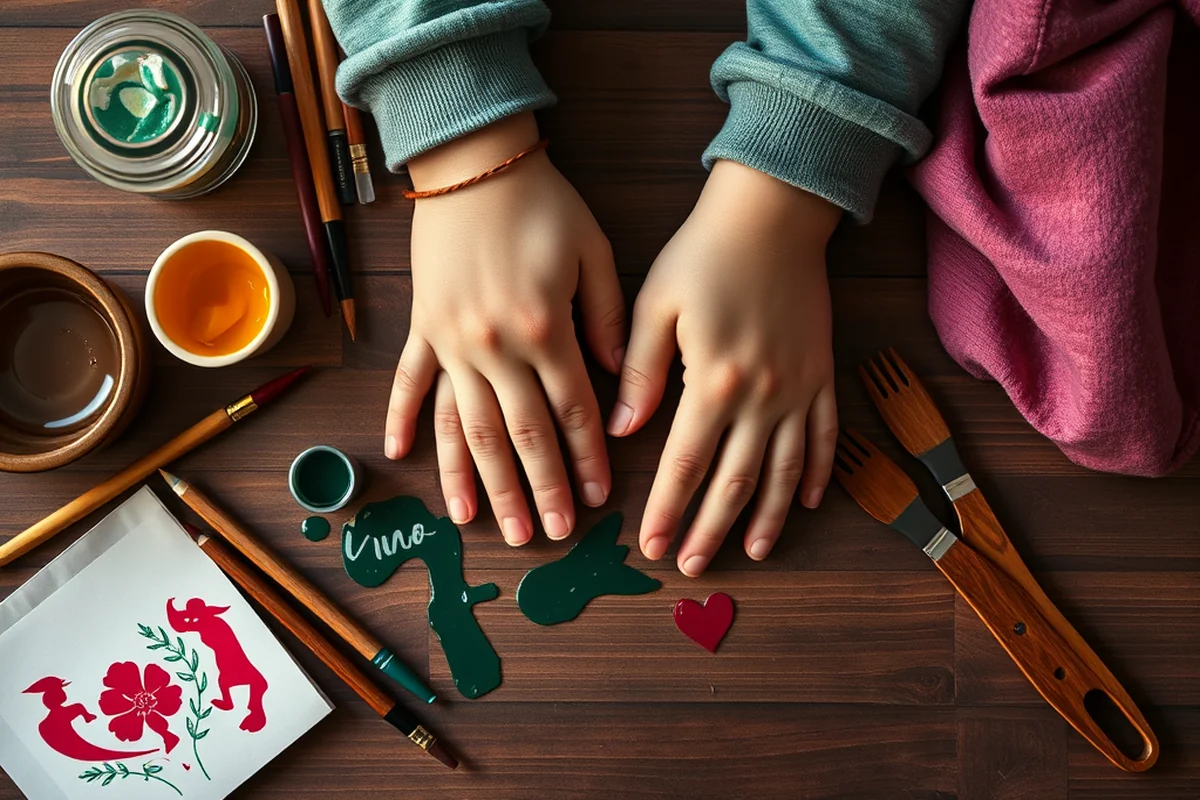
I’ve created a small painting corner in my living room with a table, a few plastic bins for storing supplies, and a large towel to catch any spills. It’s a place where my daughter can go to paint whenever she wants, and it’s become a favorite part of her day.
I’ve noticed that having a clear space with everything within reach makes the process much easier. She doesn’t need to ask for help every time she wants to grab a brush or choose a color — everything is there for her to explore on her own.
I’ve also learned to keep the area well-ventilated, especially when using water-based paints. It’s a small but important detail that makes the experience more comfortable and safe for both of us.
How to Handle the Mess (Because There Will Be One)
I’ve accepted that there will be paint on the floor, on the walls, and even on my daughter’s clothes — and I’ve learned to embrace it. I’ve found that covering the floor with plastic sheeting or old towels makes cleanup easier, and it gives my daughter more freedom to paint without fear of ruining anything.
I’ve also realized that the best way to handle the mess is to focus on the experience rather than the cleanup. My daughter doesn’t seem to mind if there are splatters on the table — she’s more interested in the colors and the act of painting itself.
I’ve started setting aside a few minutes after each painting session to clean up, and it’s become a fun part of the routine. She helps me pick up the brushes and pour out the paint, and it’s a great way to bond and teach her responsibility.
Encouraging Creativity Without Pressure
I’ve learned that the best way to encourage creativity is to let my daughter take the lead. I don’t guide her too much — I just provide the materials and let her explore. She’s more likely to engage if she feels in control of the process.
I’ve noticed that when I step back and let her make choices — like which colors to use or how to apply the paint — she’s more excited and more willing to try new things. I’ve also found that she’s more likely to share her creations with me if I show genuine interest in what she’s making.
I’ve learned that the most important thing is to celebrate the process, not the result. A ‘messy’ painting is still a success if it makes my daughter happy and helps her develop her skills.
Let your toddler lead — the goal is to have fun, not to create a masterpiece.
Making Painting a Daily Habit
I’ve found that setting aside a few minutes each day for painting has made a huge difference in my daughter’s development and confidence. It’s not just about the activity itself — it’s about the time we spend together and the way she learns to express herself.
I’ve started using painting as a way to transition between activities, like after a nap or before bedtime. It’s a calming way for her to wind down, and I’ve noticed that she’s more relaxed and happier in the evenings.
I’ve also realized that painting has become a way to bond with my daughter. It’s a time when we can talk, explore, and create together — and I’ve found that these moments are some of the most meaningful parts of our day.
🎨 Gentle Approach
Perfect for toddlers who are still learning about textures and colors. Focus on exploration and sensory development.
⏳ Fast-Track Option
Ideal for parents with limited time. Use pre-made painting kits and focus on quick, fun activities.
✈️ Travel/On-the-Go
Great for families who are always on the move. Use portable paint sets and easy-to-clean materials.
👨👩👧👦 Multiple Toddlers
Perfect for families with more than one toddler. Use a shared painting space and encourage collaboration.
🔄 Regression Reset
A great option for toddlers who are going through a sensitive phase. Use painting as a way to reconnect and express emotions.
| The mistake | Why it happens | The fix |
|---|---|---|
| Using too many colors at once | This can overwhelm your toddler and make the activity less enjoyable for them. | Start with just two or three colors and gradually introduce more as they become more comfortable with the process. |
| Not cleaning up as you go | Leaving a mess can make the activity feel chaotic and less fun for your toddler. | Set aside a few minutes after each painting session to clean up together — it becomes a fun part of the routine. |
| Trying to guide the activity too much | This can make your toddler feel pressured and less interested in the process. | Let your toddler lead the way — the goal is to have fun, not to create a masterpiece. |
| Not providing a dedicated space for painting | This can make the experience feel less organized and more chaotic for your toddler. | Create a small painting corner with everything within reach and a clear space where they can explore without worry. |
Easy Painting Crafts For Toddlers
Common Questions
What’s the best type of paint to use for toddlers?
How can I make painting easier for my toddler?
How do I handle the mess from painting?
Can I make painting a daily activity?
References
- Arts And Crafts Ideas For Toddlers (training.jacksonms.gov)
- The Powerful Role of Play in Early Education (cde.ca.gov)
Cite this guide
Messysenses (2026). Easy Painting Crafts For Toddlers. https://messysenses.com/easy-painting-crafts-for-toddlers/
Feel free to cite or share this guide.