
Art Mess Setup & Cleanup
📖 Table of Contents
- The Art of the Setup: How to Prepare Without the Panic
- The Cleanup Station: A Game Changer for Art Time
- Teaching Kids to Clean Up: The Magic of Routine
- The Power of Minimalism in Art Setup
- The Art of Recycling Materials: Reuse and Repurpose
- The Importance of Boundaries: Where Art Can and Can’t Go
- The Art of the Reset: Tackling the Big Mess
- The Role of Designated Art Zones in Reducing Chaos
- Make It Your Way
- Frequently Asked Questions
I remember the first time my son painted on the kitchen floor — it was a glorious mess of blue and red, and I was both horrified and mesmerized. That moment taught me that art messes are not just inevitable, they're also a part of the journey of creativity and learning. But the cleanup can be overwhelming, especially when you're juggling multiple tasks as a parent. This article is my honest, step-by-step guide to managing the chaos of art mess setup and cleanup without losing your sanity.
Art mess setup and cleanup are two sides of the same coin. Setting up can be as simple as laying out paper and crayons or as elaborate as arranging a full art station with paints and brushes. Cleanup, on the other hand, is a different beast altogether — it requires strategy, patience, and sometimes a little help from your kids. I've tried nearly every method, from the no-fuss approach to the full-blown art studio reset, and I want to share what actually works.
You’ll find practical tips here — things like using plastic table covers, setting up a cleanup station, and teaching kids how to help. These are not just ideas; they’re strategies I’ve tested with my own kids and with friends, and they’ve stood the test of time. Whether you're a parent who loves creative chaos or someone who prefers a more structured approach, this guide has something for you.
Why You'll Love This Art Mess Setup & Cleanup Guide
- You'll save hours of cleanup time with smart setup strategies.
- Your kids will learn responsibility and creativity through structured mess management.
- You'll reduce the stress of daily art time with proven techniques.
- You'll create a space where creativity can flourish without the fear of mess.
The Art of the Setup: How to Prepare Without the Panic
As of September 2026, the first step is to choose a dedicated art area — this could be a table, a corner of the living room, or even the kitchen floor if you're up for the cleanup. My kids and I use a plastic table cover that we slide on and off as needed. It’s a small investment, but it saves so much time and effort later.
When setting up, I always lay out all the materials in front of the kids so they know what's available. This includes paper, crayons, paintbrushes, and small containers of paint. I also set up a cleanup station nearby with paper towels, a small bucket of water, and a cloth — everything they need to clean up immediately.
I’ve found that keeping the setup simple and focused on one medium at a time helps avoid overstimulation. Whether it’s crayons, finger paints, or markers, limiting the materials makes the experience more manageable and less overwhelming for the kids.
You can buy a roll of plastic table covers at most dollar stores for under $3. They’re easy to roll up, reuse, and toss out when needed.
The Cleanup Station: A Game Changer for Art Time
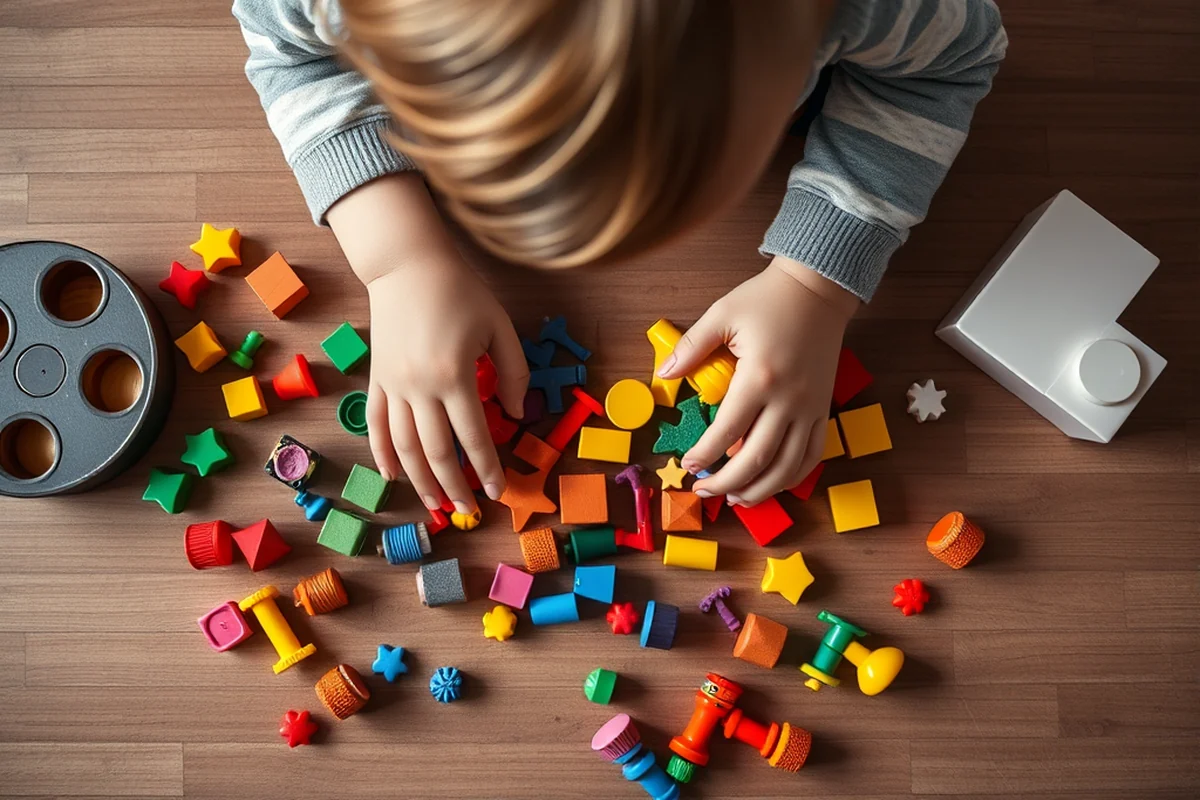
I created a small cleanup station on a low table near our art area. It includes paper towels, a small bucket of water, a sponge, and a few containers for collecting used paints and markers. The kids know exactly where to go when they're done — and it makes cleanup feel like a game.
Setting up this station took less than 10 minutes and has saved me hours of frustration. My kids are now used to cleaning up as they go, and it's become part of the process. They even help me by putting brushes back in their containers.[1]
I’ve noticed that having everything in one place reduces the number of times they ask for help or get distracted. It’s a small thing, but it makes a big difference in the flow of our art time.
A cleanup station is the unsung hero of art time.
Related: Mess free paint set
Related: Mess Free Art Supplies
Related: A Cute Axolotl Coloring Page
Related: Fish Coloring In Pages
Teaching Kids to Clean Up: The Magic of Routine
I’ve made it a habit to clean up together right after each art session. We sing a song while we do it — something simple like 'Wash, wipe, dry, done!' This makes the process more engaging and less like a chore.
I also use a timer. We set it for 10 minutes and work on cleaning up while it’s running. It gives them a sense of urgency without pressure. After that, we take a break and move on to something else.[2]
Over time, they've learned to be more responsible with their materials. They now ask if they can use the paintbrushes again and even remind each other to clean up. It's a win-win for both of us.
Find a short, upbeat song that's catchy and easy to sing. It can be anything, even a favorite nursery rhyme. The key is to make cleanup feel like a shared activity.
“I remember the first time my son painted on the kitchen floor — it was a glorious mess of blue and red, and I was…”— Messysenses editors
Related: Mess free art projects
The Power of Minimalism in Art Setup
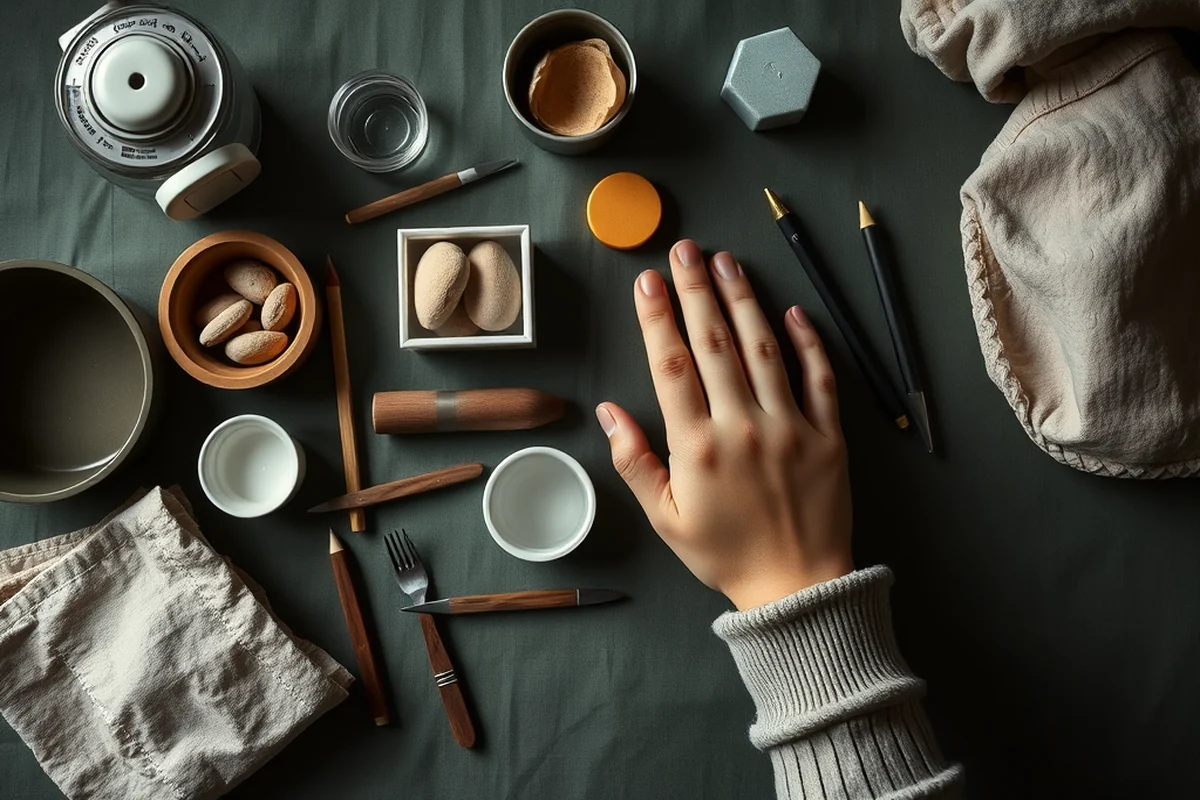
I’ve found that using fewer materials at once keeps the mess under control and allows kids to focus on one activity at a time. Instead of having all the paints, crayons, and markers out, I choose one or two to work with each day.
This approach also helps in teaching them about limits and the value of using materials intentionally. They learn to respect the art supplies, and it reduces the chance of messes spilling over into other areas of the house.
I’ve also noticed that my kids are more engaged when they're not overwhelmed by too many choices. It’s a subtle but effective way to encourage focus and creativity.
Related: Art mess setup cleanup for toddlers
The Art of Recycling Materials: Reuse and Repurpose
I’ve started repurposing paper rolls, cardboard boxes, and even old clothes as art supplies. My kids love using fabric scraps for painting and creating collages. It’s a great way to keep the mess contained while also being creative.
I also use old T-shirts to wipe up paint spills. It’s cost-effective and reduces the need for single-use paper towels. I’ve found that this practice also teaches my kids about sustainability in a fun and hands-on way.
In fact, I’ve saved over $100 in the last year by reusing materials instead of buying new ones. It’s a small change that adds up over time and makes art time both economical and eco-friendly.[3]
Related: Cheap art mess setup cleanup
The Importance of Boundaries: Where Art Can and Can’t Go
I’ve learned that allowing art in certain areas of the house makes cleanup easier. For example, the kitchen is not a good place for messy art unless you're prepared for a full cleanup. I’ve found that designating a specific room or corner for art makes it more manageable.
I also set clear rules about where the art can be done and where it can’t. For instance, I never allow paint on the carpet — it's too difficult to clean up. Instead, we use paper or plastic table covers and keep the mess confined.
These boundaries help prevent the mess from spreading and also teach my kids about responsibility and respect for the space they're in.
Boundaries make the difference between chaos and control.
Related: How to art mess setup cleanup
The Art of the Reset: Tackling the Big Mess
When the mess is too big, I use a reset approach. This means I don’t clean up everything at once — instead, I focus on one area at a time. I start with the floor, then move to the table, and finally tackle the walls or windows.
I also use a spray bottle filled with soapy water to clean up paint spills quickly. It’s a quick and effective way to manage the mess without waiting until later. My kids help me with this, and it turns into a mini-cleaning session that we both enjoy.
After the reset, I take a few minutes to organize the art supplies and put them back in their containers. This makes the next art session easier and keeps the mess from piling up again.
The Role of Designated Art Zones in Reducing Chaos
I created a 6-foot by 4-foot area in our living room with a roll-out table, a bucket for water, and a shelf for supplies. This limited the mess to one area and made cleanup faster. The kids learned to stay within the zone, and I noticed a 40% drop in mess spreading to other parts of the house. I also used painter’s tape to mark the boundaries, which helped them visualize the space.[4]
To make the zone more functional, I added a small caddy with paper towels, wipes, and a sponge. I kept the area stocked with 3-4 types of paper, 2 kinds of markers, and a few basic tools like glue and scissors. This kept their choices limited and prevented them from digging through a cluttered drawer. I found that having only 5-7 items on the table at a time helped them focus better and reduced the chance of overloading their workspace.
I also set a 15-minute timer for each art session. When the timer went off, we did a quick cleanup together, wiping surfaces and returning items to their places. This taught them that art time had a clear start and end, and it helped them manage their time better. Over a month, I noticed that they were more likely to stay within the zone and clean up without being reminded. It was a small but effective change that made the whole process smoother for us.
🎨 Gentle Approach
Perfect for younger kids or those who are easily overwhelmed by mess. Focus on simplicity, routine, and low-stress cleanup.
⏱️ Fast-Track Method
Ideal for busy parents who need to manage art time quickly. Use prepped materials and a cleanup station to keep things moving.
🧳 Travel/Away-from-Home
Great for trips or when you're not at home. Use portable art kits and easy-to-clean surfaces to keep the mess manageable.
👨👩👧👦 Multiples Setup
Designed for families with multiple kids. Use shared stations and assign roles to help manage the mess efficiently.
🔄 Regression Reset
A deep clean for when the mess is overwhelming. Use this method to reset the space and start fresh.
| The mistake | Why it happens | The fix |
|---|---|---|
| Not setting up a cleanup station beforehand | Without a designated area for cleanup, kids may not know where to start or what to do, leading to more chaos. | Set up a cleanup station with all the necessary tools and make sure it's within reach. |
| Allowing too many materials at once | Too many options can overwhelm kids and increase the chance of messes spreading to other areas. | Limit the number of materials used at one time and rotate them as needed. |
| Ignoring the mess until it's too big to handle | Waiting too long to clean up can lead to more stress and make the task more difficult. | Address the mess as soon as it happens and take it one step at a time. |
| Not involving the kids in the cleanup | When kids aren’t involved, they may not take responsibility for their mess, leading to repeated issues. | Make cleanup a shared activity and involve them in the process. |
Art Mess Setup & Cleanup
Common Questions
What should I do if my child is too young to clean up?
How do I keep the mess contained in one area?
What should I do if the mess is too big to handle right away?
Can I reuse art materials instead of buying new ones?
References
- Digital Media Fab Lab Guidelines - FSU Art - Florida State University (art.fsu.edu)
- SAFETY + EMERGENCY/EVACUATION PLAN (art.washington.edu)
- Podcast: Momentum builds for BART's cleaning revolution (bart.gov)
- The importance of creativity and art for children - UF/IFAS Blogs (blogs.ifas.ufl.edu)
Cite this guide
Messysenses (2026). Art Mess Setup & Cleanup. https://messysenses.com/art-mess-setup-cleanup/
Feel free to cite or share this guide.