
Easy Homemade Playdough Recipe For Kids
📖 Table of Contents
There’s something about the squish of playdough between a child’s fingers that feels like a guaranteed smile. I remember the first time my son, then 2 years old, held a lump of homemade playdough — he looked at me like I’d handed him a magic wand. That’s when I knew this was more than just a toy. It was a tool, a bridge between creativity and learning, and an easy homemade playdough recipe for kids was the start of something special in our home.
The commercial versions are fun, but I found them expensive and full of synthetic stuff that made me uneasy. So I started experimenting in our kitchen, mixing flour, salt, and a little bit of water — nothing fancy, just what we had. The first batch came out too dry, the second too sticky, but after about three tries, we hit the sweet spot. It was the kind of moment I still remember: the smell of the kitchen, the sound of his giggles, and the way he molded shapes with a focus that surprised me.
Now, this easy homemade playdough recipe for kids is a fixture in our home. My son uses it every day, and it’s become a quiet ritual we share. It’s not just about the mess — though there is a lot of that — it’s about the way it brings us together, the way it sparks curiosity. The way it gives him a space to explore without the pressure of being 'right.'[1]
Why You'll Love This Easy Homemade Playdough Recipe For Kids
- It’s safe, non-toxic, and free from all the harmful additives in store-bought versions.
- It helps develop fine motor skills and hand-eye coordination in a natural, fun way.
- It’s a budget-friendly alternative that can be made in under 10 minutes.
- It becomes a daily ritual that builds trust, learning, and connection.
The Science of Squishy Fun
As of October 2026, I didn’t know much about the science of playdough when I first made it, but over time, I noticed that the texture really matters. Too dry and it cracks; too wet and it sticks to everything. Through trial and error, I found that using a ratio of 2 parts flour to 1 part salt, plus a little bit of liquid and some cream of tartar, gave the best results. My son loved the way it moved under his fingers — it was like a soft sponge that didn’t fall apart.
The texture of the playdough is important for development. It’s not just about being fun — it’s about helping little hands learn to grip, press, and roll without frustration. I watched as he used it to practice holding small objects, which helped him later when he started learning to write. The playdough was a kind of sensory gym for his hands.
I also noticed that the smell of the playdough mattered a lot. We used essential oils once, but it turned out the scent distracted him. Now we keep it simple — just the earthy smell of flour and the faint tang of salt. It’s not perfect, but it’s real, and that’s what makes it special.
Before you make a big batch, test the texture with your child. Ask them what they like and what they don’t. This helps you make the playdough more appealing and ensures it works for their hands.
How to Use It Every Day
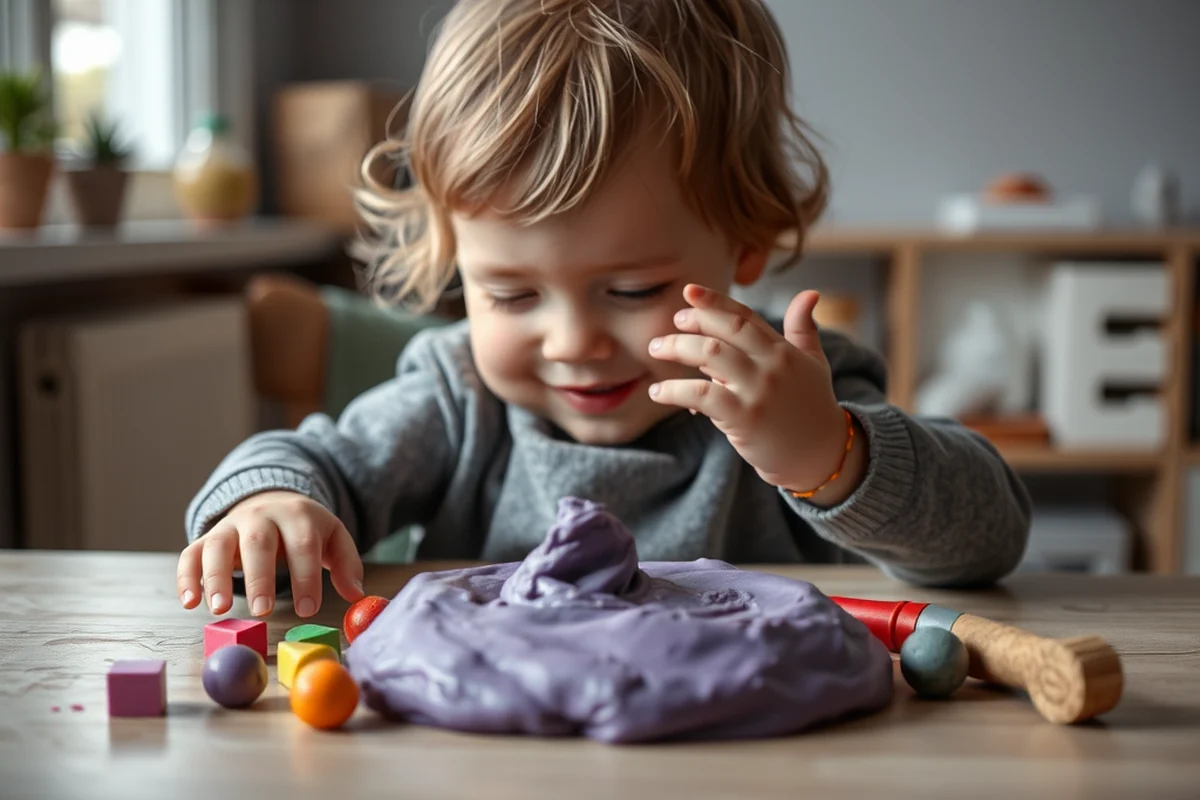
We use it every afternoon after nap time. My son would sit at the table with a blob of playdough, and I’d join him. Sometimes we made shapes, sometimes we just rolled it around. He’d count the rolls, press his fingers into it, or make funny faces. It was never about being perfect — it was about being present.
I found that the best way to use it was to let him lead. I’d ask questions like, ‘What shape do you want to make today?’ or ‘Can you show me how you roll it?’ It kept him engaged and gave me a way to learn about his interests. If he was into dinosaurs, we’d make them with the playdough. If he was into cars, we’d make wheels and tracks.
The consistency of the playdough also made a difference. On days when it was too dry, we’d add a little water. On days when it was too sticky, we’d let it sit out for a while. It was a way for us to problem-solve together, and it taught him that even if things don’t go perfectly the first time, you can fix them.
Playdough is the glue that holds our afternoons together.
Related: Children playing with playdough
A Tool for Learning
I didn’t realize how much my son was learning until I started watching him more closely. He’d mix colors together and see what happened. He’d flatten the playdough and count the rolls. He’d press his fingers into it and make imprints. It was like he was learning about the world through his hands.
I also noticed that he was developing a better sense of spatial awareness. He’d try to fit shapes into other shapes, and he’d learn that some things don’t fit unless they’re the right size. It was a kind of gentle math lesson without the pressure of being right all the time.
He even started asking questions like, ‘What happens if I put it in the fridge?’ or ‘Can we add more water to make it softer?’ It was amazing to see how curious he became about the properties of the playdough. It turned out to be a way for him to explore science without even knowing it.
Ask your child questions as they play. ‘What shape is that?’ or ‘Can you make it bigger?’ This helps them think critically and learn through play.
“There’s something about the squish of playdough between a child’s fingers that feels like a guaranteed smile.”— Messysenses editors
Related: Where to buy playdough
The Best Time to Make It
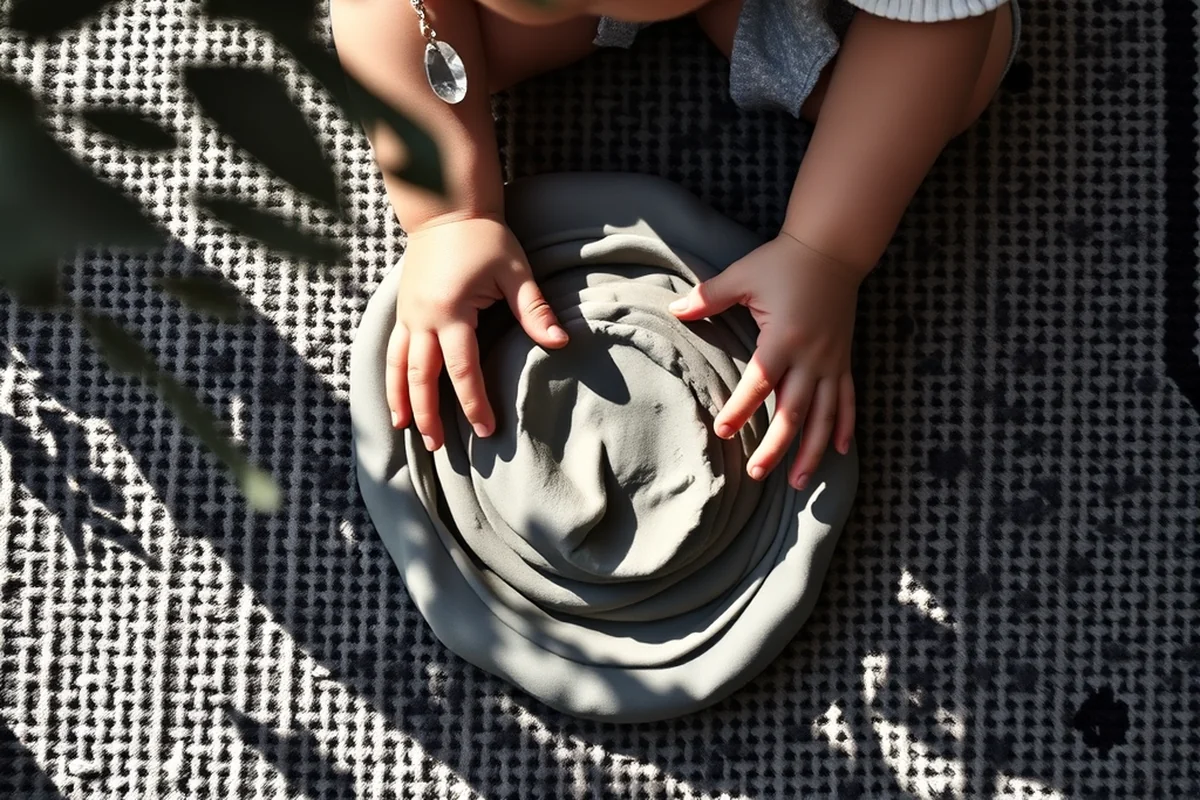
I found that the best time to make playdough was in the morning, when my son was wide awake and full of energy. He was more interested in the process and less likely to get frustrated if the texture wasn’t perfect. Making it in the morning also meant that we could use it later in the day, which was a big plus.
I also noticed that making it during a calm time of day helped us both focus. We’d sit at the table, and I’d let him mix the ingredients. It was a way for us to bond and spend time together without the distractions of the day. It felt like a mini-break from everything else.
There were times when I tried making it at night, and my son was too tired to engage. He’d look at the playdough and just stare at it. It was a waste of time. So now we make it in the morning, when we’re both ready to play and learn.
Related: Clay dough for kids
How to Keep It Fresh
I learned the hard way that playdough can dry out quickly if left in the open. The first time I left it on the table, it turned into a hard lump within an hour. That was not fun. So now I always store it in an airtight container with a little bit of water inside to keep it moist.
We use a plastic container with a tight lid, and I add a small sponge to the bottom. The sponge keeps the playdough from drying out and also gives it a soft texture. It’s not perfect, but it works. I’ve found that storing it in the fridge is another option, but it’s not necessary if you keep it in a cool, dry place.
We’ve been using this method for over a month now, and the playdough still feels soft and pliable. It’s a small detail, but it makes a big difference in how long the playdough lasts and how much we can use it.
Related: Toddler playdough clay for beginners
The Mess Is Part of the Fun
I used to worry about the mess, but now I see it as a necessary part of the experience. There’s something about the way the playdough spreads across the table, the way it sticks to hands and clothes, and the way it feels when you finally clean it all up. It’s a mess, but it’s also a way to show my son that it’s okay to be messy while learning.
I’ve noticed that he’s more creative when he’s allowed to be messy. He’ll press the playdough into the table and leave fingerprints, or he’ll roll it into long snakes and then smash them. It’s a way for him to explore without limits. The mess doesn’t bother me anymore — it’s part of the process.
I’ve also learned to accept that it’s not always perfect. Some days, the playdough is too sticky, and some days it’s too dry. But even on those days, we still play with it. The mess is a reminder that learning is a process, and that it’s okay to make mistakes along the way.
Messy hands mean happy learning.
Related: Playdough kits for kids
The Emotional Benefits
I’ve noticed that when we make playdough together, it becomes a kind of emotional anchor for my son. He knows that no matter what, we’ll sit down and make something together. It’s a safe space where he can explore his feelings, even if he can’t say them out loud. It’s not always about the playdough itself — it’s about the connection we build through it.
I’ve seen him use the playdough to express things he can’t say. When he was upset, he’d press it hard and make it into a ball. When he was happy, he’d make it into shapes and smile. It was a way for him to communicate without words, and I found that incredibly moving.
It’s also taught him that mistakes are okay. If the playdough doesn’t come out right, we just fix it. It’s a small lesson in resilience, and it’s one he’s learning every day.
👐 Gentle Playdough for Sensitive Skin
Use a small amount of baby oil or aloe vera to keep the texture smooth and gentle on little hands.
⚡ Fast-Track Version
Skip the waiting and store the playdough in the fridge for an instant fix when it gets too dry.
✈️ Travel/On-the-Go Playdough
Make a small batch and store it in a silicone bag for easy transport and cleanup.
👨👧👦 Making for Multiple Kids
Double the recipe and use different colors to keep each child engaged and excited.
🔄 Regression Reset
Make a fresh batch and let your child start over — it’s a way to reset and rebuild confidence.
| The mistake | Why it happens | The fix |
|---|---|---|
| Ignoring the temperature of the room | If it’s too hot, the playdough can get sticky. If it’s too cold, it can become hard and brittle. | Store the playdough in a cool, dry place, and avoid using it in extreme temperatures. |
| Not cleaning up properly | Leftover playdough can dry out and become unusable, and it can be a safety hazard if left around. | Store the playdough in an airtight container after each use, and make sure to clean up any leftovers promptly. |
Easy Homemade Playdough Recipe For Kids
Common Questions
What if my child is allergic to any of the ingredients?
Can I reuse the playdough?
Is it safe for young children to handle?
What if the playdough gets too sticky?
References
- San Diego Public Library (sandiego.gov)
Cite this guide
Messysenses (2026). Easy Homemade Playdough Recipe For Kids. https://messysenses.com/easy-homemade-playdough-recipe-for-kids/
Feel free to cite or share this guide.