
Mud Kitchen & Outdoor Art Ideas
📖 Table of Contents
- What Exactly Is a Mud Kitchen and Why Should You Try It?
- How to Set Up a Successful Mud Kitchen
- Combining Mud Kitchens with Outdoor Art Ideas
- The Benefits of Mud Kitchens for Young Children
- Creating an Outdoor Art Space with a Mud Kitchen
- Tips for Making the Most of Your Mud Kitchen
- How to Keep Your Mud Kitchen and Outdoor Art Ideas Going All Summer
- Make It Your Way
- Frequently Asked Questions
I remember the day my daughter turned 3, and for the first time, she asked if we could 'cook' outside. It was a hot summer day, and the garden was a perfect mess of damp soil, fallen leaves, and puddles. I didn't think much of it until she started arranging sticks and stones into what she called a 'mud kitchen.' I watched her with a mix of awe and confusion, not knowing that this simple act would become a cornerstone of her creativity, problem-solving. Joy. That’s how I began to explore the world of mud kitchens and outdoor art ideas.[1]
As a parent, I’ve learned that the best learning happens when it’s messy, unstructured, and rooted in the earth. Mud kitchens — a space where children can use natural materials like dirt, water, leaves, and even broken branches to create pretend food — are more than just play. They’re a gateway to imaginative thinking, sensory exploration, and early STEM learning. I quickly discovered that combining this with outdoor art ideas, like using twigs to make sculptures or painting with leaves, turned our backyard into a classroom.[2]
What started as a one-day experiment became a weekly ritual. We would set up a small area with buckets, spoons, and even small pots to make a makeshift kitchen. I found that the key was to let my daughter lead the way, asking questions and offering tools, but not telling her what to do. Over time, I began to collect ideas, techniques, and even a few favorite materials that made the experience both safe and endlessly engaging for her. This article is the culmination of that journey.[3]
Why You'll Love This Mud Kitchen & Outdoor Art Idea
- Encourages creativity and imaginative play through hands-on, sensory-rich activities.
- Promotes fine motor skills, problem-solving, and early STEM concepts through experimentation.
- Offers a safe and accessible way to explore art and science outside the home.
- Strengthens the bond between parent and child through shared, unstructured time.
What Exactly Is a Mud Kitchen and Why Should You Try It?
As of October 2026, a mud kitchen is a space where children can dig, mix, and create using whatever the earth offers — dirt, water, leaves, rocks, and even pinecones. I started mine with just a few buckets, a small tarp to catch splashes, and a pile of soft soil from our garden. It’s not about cooking in the traditional sense; it’s about imaginative play that taps into the natural world. My daughter would make 'soup' by mixing water and dirt, 'cake' by pressing leaves into wet mud, and even 'ice cream' by freezing small rocks in a bag of water. It was messy, but it was also magical.[4]
I noticed that she wasn’t just playing — she was learning. She was experimenting with textures, colors, and mixing. She began to understand concepts like 'more' and 'less' when she asked for 'more water' or 'less dirt.' She was also developing fine motor skills as she scooped, poured, and stirred. It wasn’t just about the activity itself; it was about the way her curiosity and problem-solving skills were engaged.[5]
I’ve since learned that mud kitchens are a great way for kids to explore science, art, and cooking concepts in a way that’s both fun and educational. You don’t need a lot — just a small space and a few simple tools — and the results can be surprisingly profound.
Start with a small area and a few basic tools. Ensure the soil is soft and free of sharp objects like stones or glass. Use plastic utensils and buckets to avoid breakage and keep the area clean.
How to Set Up a Successful Mud Kitchen

Setting up a mud kitchen is as simple as finding a flat, safe spot in your yard — preferably near a water source or with easy access to a hose. I found that my daughter loved the area behind our house, where the soil was soft and there were a few trees nearby for shade. I gathered a few buckets, some plastic spoons, and a small tarp to lay out for her to sit on. I also brought a few small plastic pots and a watering can for her to use. It was surprising how quickly she got into the rhythm of making 'food.'
I made a point to always have the area ready for her when she wanted to play. That meant keeping the tools in a small basket by the kitchen window and having the buckets and tarp stored in a shed. I also made sure to check the area for any sharp objects or rocks, which I removed to keep it safe. She would often bring her favorite toys, like a small doll or a pretend pan, and use them as part of her cooking, which added a layer of storytelling to the activity.
Over time, I began to notice that she would ask for different materials — sometimes leaves, sometimes small sticks — and I started to keep a small collection of natural items in a bin for her to choose from. It was amazing how much she could get out of such a simple setup, and it only took a few minutes to create each time.
A mud kitchen is where creativity meets the earth.
Related: Monday mandala coloring pages
Combining Mud Kitchens with Outdoor Art Ideas
When I first started combining mud kitchens with outdoor art ideas, it was more of an afterthought. But I quickly realized that the two concepts could work together beautifully. I began using leaves as natural paint brushes, dipping them in water and swiping them across the ground to create patterns. I also started using twigs to make sculptures, sticking them into the mud to create 'trees' or 'houses.' The results were surprisingly artistic and gave my daughter a sense of accomplishment that I hadn’t seen before.
One of my favorite ideas was using small stones to make mosaics on the ground — she would press them into wet mud and create designs that looked like the sea or the sky. It was a simple way to introduce her to the concept of art, and it gave her a chance to express her imagination in a way that was both tactile and visual. I found that she was more engaged when she could see the results of her work, even if it was just a line of stones or a swirl of leaves.
I also started using natural dyes — like beet juice or food coloring — to make colorful paints. She would dip leaves into the dye and then press them onto paper or fabric, creating prints that were both beautiful and meaningful. It was a way to bring the mud kitchen into the world of art while still keeping the focus on creativity and play.
Try using beet juice, turmeric, or food coloring mixed with water to create natural dyes. Dip leaves or flowers into the dye and press them onto paper, fabric, or even the ground to create prints.
“I remember the day my daughter turned 3, and for the first time, she asked if we could 'cook' outside.”— Messysenses editors
Related: How to build a mud kitchen videos
The Benefits of Mud Kitchens for Young Children
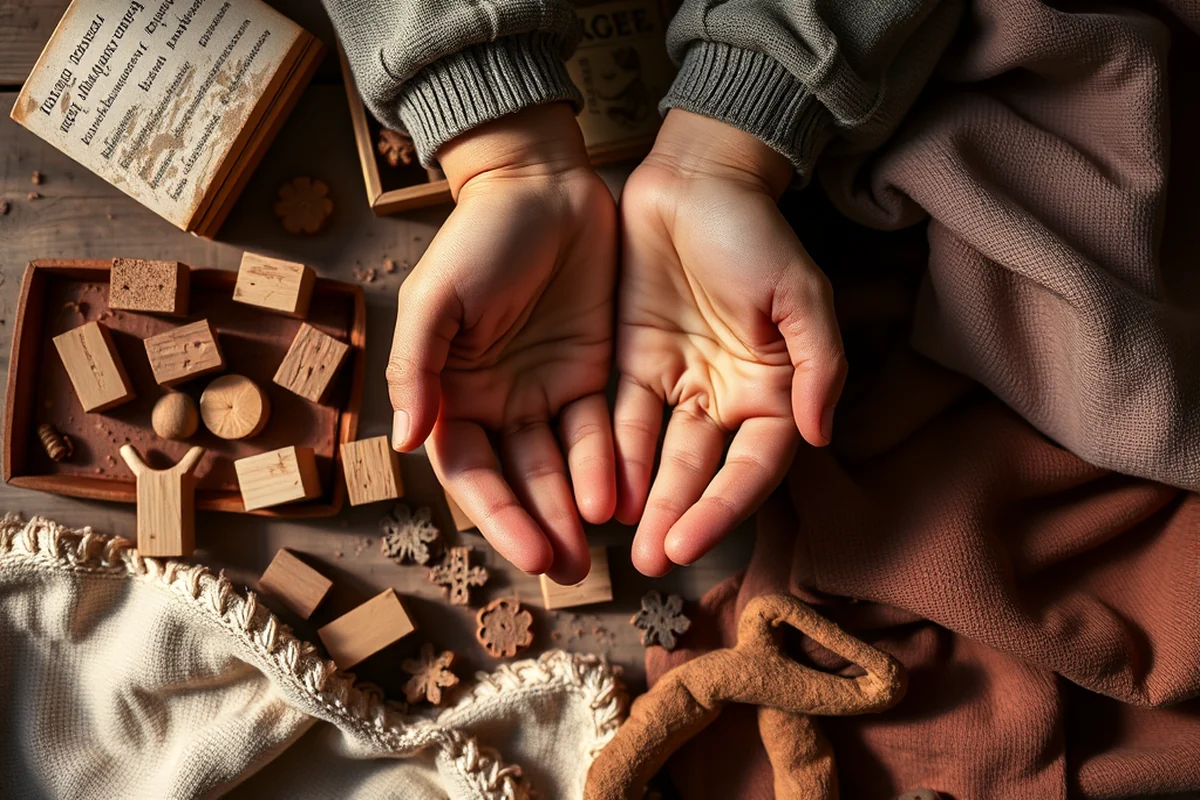
One of the biggest surprises for me was how much my daughter grew from our mud kitchen. She began to understand the properties of different materials — how water mixed with dirt made mud, how leaves could be used as plates, and how twigs could be used as spoons. This kind of hands-on learning was something I hadn’t anticipated, but it was incredibly valuable. She was constantly experimenting, and it felt like she was learning without even realizing it.
I also noticed that she was developing her fine motor skills in a way that traditional toys couldn’t provide. Scooping, pouring, stirring — all of these actions required coordination and strength. It was a kind of play that was both physical and mental, and I saw her confidence grow as she became more independent in her tasks. She was able to complete simple tasks on her own, like filling a bucket or mixing two different materials.
Perhaps most importantly, the mud kitchen was a way for her to connect with the natural world. She was learning to appreciate the textures of soil, the colors of leaves, and the way water moved through the ground. It was a kind of learning that was immersive, sensory, and deeply engaging — something that I believe will stay with her as she grows.
Related: Outdoor mud kitchen ideas
Creating an Outdoor Art Space with a Mud Kitchen
Once we had the mud kitchen up and running, I wanted to expand the concept into a full outdoor art space. I set up a small area with a table, some paper, and a few basic art supplies like crayons and markers. But I quickly realized that the real magic happened when we used natural materials instead of traditional art supplies. I started using sticks as brushes, leaves as paints, and even small rocks to make mosaics.
I found that my daughter loved the idea of 'painting' with leaves — she would dip them in water and swish them across the ground, creating swirling patterns that looked like waterfalls or the sky. I also discovered that she was fascinated by the way different textures felt when she touched them. A smooth stone felt different from a rough one, and she would often ask me to describe the way they felt.
This kind of play was more than just fun — it was a way for her to explore the world around her in a new and different way. She was learning about colors, textures, and shapes, and she was doing it in a way that felt natural and intuitive. It was a kind of art that was both spontaneous and deeply meaningful.
Related: Mud kitchen accessories for kids outdoor
Tips for Making the Most of Your Mud Kitchen
One of the biggest mistakes I made early on was overcomplicating the space. I wanted to make it look like a real kitchen with cups, plates. Even a small 'stove.' But I quickly realized that my daughter didn’t need that — all she needed was a small area with a few buckets, a tarp, and some soft soil. It was the simplicity of the space that made it work, and I’ve since learned that less is more with mud kitchens.
I also found that the key was to provide a variety of natural materials — leaves, sticks, stones, and even small pinecones — and let my daughter choose what she wanted to use. That way, she felt like she was in control of the activity, and it gave her a sense of ownership over the space. I would often ask her what she wanted to make next, and it was amazing how creative her ideas were.
Another tip I’ve learned is to keep the space open and flexible. Sometimes, she would want to make a soup, and other times, she would want to build a house out of sticks. It was the versatility of the space that made it so engaging, and I’ve found that the more flexible it is, the more ways she can use it.
Let your child lead the play — it’s the best way to foster creativity.
Related: Mud kitchen resource ideas
How to Keep Your Mud Kitchen and Outdoor Art Ideas Going All Summer
One of the things I’ve learned over the past few summers is that keeping the mud kitchen and outdoor art ideas going all season requires a bit of planning. I started by rotating the materials we used — one week we would focus on making 'soup' with sticks and leaves, and the next week we would try making 'cakes' with mud and water. It kept things fresh and exciting, and it helped my daughter stay interested in the activity.
I also found that involving the whole family made the experience more fun. My husband would often join in, helping to gather materials or even pretending to cook with her. It was a great way to bond as a family and to show her that play isn’t just for kids — it’s for everyone. I also started involving my parents and siblings, which added a new layer of creativity and engagement.
Another tip I’ve learned is to create new challenges or goals. Sometimes, I would set up a small area where we could create a sculpture or a mosaic together, and it was amazing to see how excited she got about the task. It was a way to keep the activity engaging and to give her a sense of accomplishment that came from working on a project together.
👶 Gentle Mud Kitchen for Toddlers
Use soft soil and minimal tools for young children who are just starting to explore sensory play and early creativity.
⏳ Fast-Track Outdoor Art Setup
Quickly create an art space using items from around the house and natural materials from your yard for spontaneous play.
🧳 Travel-Friendly Mud Kitchen
Use portable containers and natural materials from nature trails or parks to create an outdoor art space on the go.
👨👧👦 Mud Kitchen for Multiple Kids
Create a larger area with multiple stations and tools to accommodate siblings or groups of children exploring together.
🔄 Regression Reset with Art
Use mud kitchens and outdoor art ideas as a way to help children through developmental regression or transitions by providing a safe, engaging outlet for expression.
| The mistake | Why it happens | The fix |
|---|---|---|
| Using too many tools and making the space too complicated. | It can overwhelm your child and take the focus away from the natural, sensory experience. | Keep the space simple with a few buckets, a tarp, and some soft soil. Let your child choose the materials they want to use. |
| Not cleaning up after the activity. | It can make the space less inviting for future use and may create safety hazards if left unattended. | Set a time to clean up together, and use a hose or bucket of water to wash away the mess. |
| Trying to make the experience too structured or formal. | It can make the activity feel less like play and more like a lesson, which may turn your child off. | Keep it loose and fun. Let the experience be spontaneous and freeform. |
Mud Kitchen & Outdoor Art Ideas
Common Questions
How can I create a mud kitchen without a garden?
What should I do if my child gets too messy?
How long should a mud kitchen session last?
Can I use a mud kitchen with a toddler?
References
- Chapter 110-302 WAC: - Washington State Government (app.leg.wa.gov)
- Pea Pods for Preschoolers Day: Garden Party! (Ages 3-5 with an ... (arb.umn.edu)
- Outdoor Learning - Associated Students - San Diego State University (childcare.sdsu.edu)
- Outdoor Explorations - Children's School - (cmu.edu)
- How mud boosts your immune system - BBC (colorado.edu)
Cite this guide
Messysenses (2026). Mud Kitchen & Outdoor Art Ideas. https://messysenses.com/mud-kitchen-outdoor-art-ideas/
Feel free to cite or share this guide.