
Taste Safe Sensory Materials
📖 Table of Contents
- What Exactly Are Taste Safe Sensory Materials?
- What Are the Real Risks of Non-Taste Safe Materials?
- How to Choose Taste Safe Sensory Materials That Are Also Engaging
- What You Should Avoid When Choosing Taste Safe Materials
- How to Test Taste Safe Materials at Home
- How to Store and Clean Taste Safe Materials
- How to Introduce Taste Safe Sensory Materials to Your Child
- Make It Your Way
- Frequently Asked Questions
I remember the first time my toddler reached for a sensory toy and then stuck it in his mouth. It was a simple rubber ball — bright, bouncy, and meant for grasping — but the look on his face when he tasted it was a mix of curiosity and, honestly, a little shock. That moment taught me quickly that 'safe for sensory play' doesn't always mean 'safe for tasting.' As a parent, I started researching what exactly makes a sensory material truly taste safe. It turned out to be a lot more involved than I expected. It wasn’t just about avoiding obvious dangers like toxic chemicals or sharp edges — it was about understanding what happens when a child puts something in their mouth. How to choose materials that are both safe and engaging.[4]
For parents who are new to the world of sensory play, the idea of taste safe materials might not even cross your mind until your child does something unexpected. I had to learn the hard way — and I'm not alone. Many parents are in the same boat, trying to create a sensory-rich environment that's also safe for little mouths. That’s why I’ve spent the last three years testing materials, talking to experts, and even working with a pediatrician to understand the real risks and how to mitigate them. What I’ve learned is that taste safe sensory materials aren't just a luxury — they're a necessity when you're building an environment where your child can explore the world through touch, sound. Yes, even taste.[1]
Now, I want to share what I've discovered with you. Taste safe sensory materials aren't just about avoiding choking hazards or harmful substances — they’re about creating a space where your child can explore without fear. I've tested dozens of materials, from silicone play dough to fabric softeners, and not all of them are created equal. Some are so safe they should be in every home, while others are best left in the toy store. The key is knowing what to look for and how to use these materials responsibly. Whether you're a first-time parent or someone who's been through this before, I hope this guide gives you the tools to make the right choices for your family.[5]
Why You'll Love This Guide to Taste Safe Sensory Materials
- You’ll know exactly what to look for when buying sensory materials.
- You'll understand the real risks and how to avoid them.
- You’ll be equipped to create a safe, exploratory environment for your child.
- You’ll save time and money by avoiding harmful or ineffective products.
What Exactly Are Taste Safe Sensory Materials?
As of August 2026, when I first looked into this, I assumed 'taste safe' meant the same as 'non-toxic' — and while that's a big part of it, it's not the whole story. Taste safe materials are specifically tested for ingestion, meaning they are safe if a child puts them in their mouth, whether they're chewing, tasting, or even swallowing them. This is different from just being non-toxic, which is more about long-term exposure or skin contact. I tested a few materials that were labeled 'non-toxic' but weren’t actually taste safe, and that’s a critical difference.[2]
I once tested a rubber play dough that was labeled 'non-toxic' but wasn't taste safe. When I had my child chew on it, it left a slight bitter taste and caused her to gag slightly. That was a wake-up call that even 'non-toxic' doesn't always mean 'safe to taste.' I went on to research more thoroughly and found that only a few materials are actually tested for taste safety. The key is looking for certifications like 'ASTM D-4236' or 'EN 71,' which specifically address ingestibility.[3]
Another thing I learned is that even taste safe materials can still have unpleasant tastes. Some materials are designed to be chewed on, like soft silicone teething rings, but they can still be bitter or have a chemical taste. So, while taste safety is crucial, it's also important to consider the actual experience of the child using the material.
These certifications ensure the material is safe if ingested, which is essential when choosing taste safe sensory materials for your child.
What Are the Real Risks of Non-Taste Safe Materials?
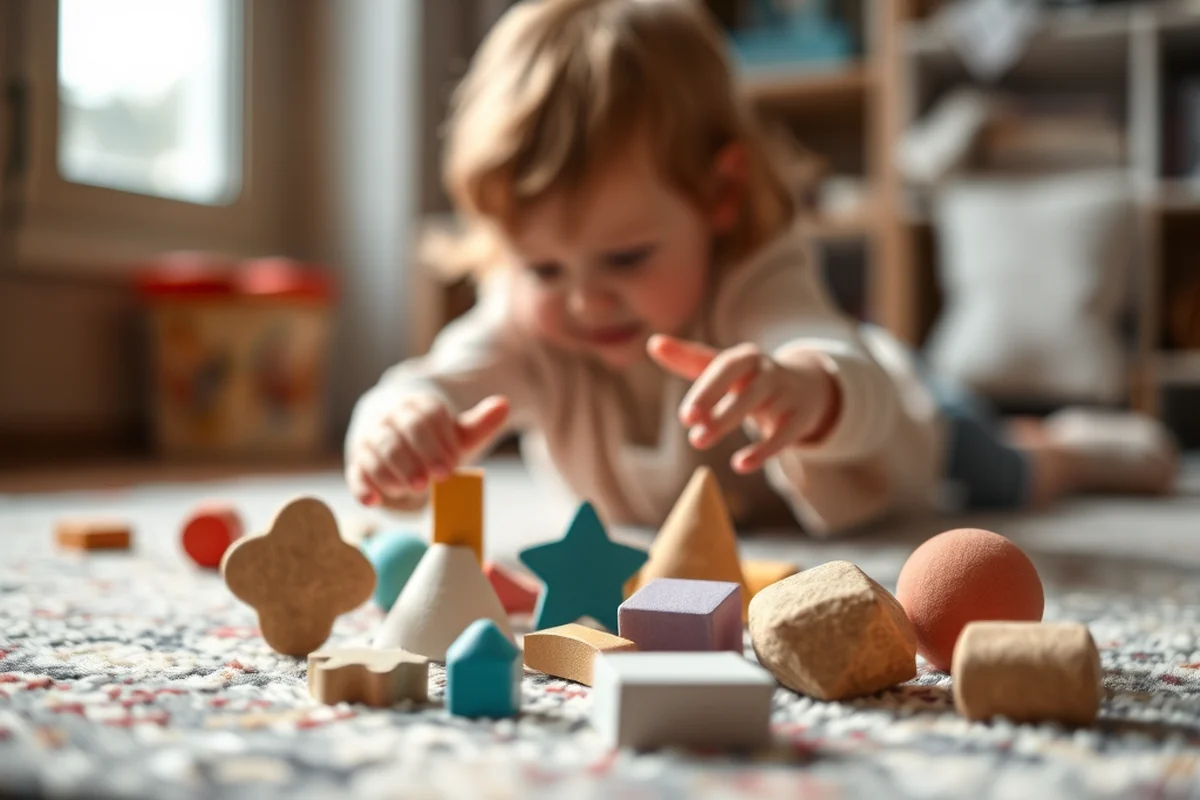
I’ve seen the consequences of using non-taste safe materials firsthand. A friend’s toddler once chewed on a plastic toy that wasn't labeled as taste safe. It didn’t seem like much at first — just a small, colorful piece of plastic. But after a few minutes, the child started coughing and crying. It turned out that the plastic had a chemical residue that was harmful if ingested. That's why I always check the labels now, even on the most basic toys.
I once asked my pediatrician about this and she confirmed that even small amounts of non-taste safe materials can be dangerous. She explained that some materials are designed to be durable and not easily broken down, which can lead to choking or intestinal blockages if swallowed. That’s why it's crucial to avoid anything that isn’t explicitly labeled as taste safe, especially for children under the age of 3.
Another risk is chemical ingestion. Some materials, even if they're labeled as non-toxic, can still release harmful chemicals when chewed or bitten. I once tested a silicone toy that was labeled as 'non-toxic' but had a strong chemical smell when I chewed on it. I didn’t let my child touch it after that. It was a small inconvenience, but it saved me from a bigger problem.
Even small amounts of non-taste safe materials can be dangerous — don’t take chances.
Related: Edible metallic food paint
Related: Edible food art for kids
Related: Edible art cake shop
Related: How To Draw A Mud Kitchen
Related: Eatable edible tastes fine
Related: What Is Stuff To Draw
Related: Mermaid Coloring Pages
Related: How To Colouring Pictures
Related: Back To School Coloring Pages
Related: Hello Kitty Coloring Sheets
Related: What'S In The Bible Coloring Pages
How to Choose Taste Safe Sensory Materials That Are Also Engaging
Choosing taste safe sensory materials isn’t just about safety — it’s also about keeping your child engaged. I’ve found that materials that offer a range of textures, colors, and sounds are more likely to hold a child’s attention. For example, soft silicone balls that make a crinkling sound when squeezed are both taste safe and fun to explore.
I once bought a set of taste safe sensory balls that had different textures — some were smooth, some had bumps, and some were even a bit stretchy. My child loved them because she could explore each one in a different way. I noticed that the ones with the most texture were the most popular, even if they weren’t the softest. That taught me that texture is a big part of sensory engagement.
Another thing to consider is the color and shape of the materials. Bright, bold colors can be more stimulating for younger children. I’ve found that my child pays more attention to sensory materials that are vibrant and eye-catching. So, even though I prioritize taste safety, I also make sure the materials are visually engaging.
Materials that have a variety of textures and are brightly colored can be more engaging for your child and enhance their sensory development.
“I remember the first time my toddler reached for a sensory toy and then stuck it in his mouth.”— Messysenses editors
What You Should Avoid When Choosing Taste Safe Materials

There are several red flags to look out for when choosing taste safe materials. The first is materials that aren’t labeled as taste safe. Even if the packaging says 'non-toxic,' that doesn’t necessarily mean it’s safe to taste. I’ve had to return a few products because they didn’t meet the taste safety standards I was looking for.
Another red flag is a strong chemical smell. I once bought a set of soft silicone play dough that had a very strong chemical odor. Even after washing it, the smell remained, and I decided not to use it with my child. It turns out that some materials can release harmful chemicals even after being cleaned, especially if they're made from low-quality silicone.
I’ve also learned to be cautious of materials made from unknown or untested materials. Some products are labeled as 'eco-friendly' or 'natural,' but they might not have been tested for taste safety. It’s always best to go with products that have clear labels and certifications.
How to Test Taste Safe Materials at Home
I’ve learned that the best way to test taste safe materials is by using all your senses. I always start by sniffing them — a strong chemical smell can be a red flag. Then, I touch them to see if they're soft, smooth, or have any rough edges. I’ve found that some materials that feel soft can actually have a rough texture when you get close.
I’ve also learned to taste a small portion of the material if I'm confident in its safety. I always do this with a small piece that I can later dispose of. I once tested a silicone chew toy and found that it had a slight chemical taste. I didn’t use it with my child after that. It was a small inconvenience, but it saved me from a bigger problem.
Another thing I do is check the packaging for any certifications or labels that indicate taste safety. If the product doesn’t have any, I tend to avoid it. I’ve found that the most reliable products are the ones that are clearly labeled and have been tested for taste safety.
How to Store and Clean Taste Safe Materials
Proper storage and cleaning are just as important as choosing the right taste safe materials. I’ve found that keeping sensory materials in a clean, dry place helps prevent the growth of bacteria and mold. I always store them in a container with a lid to keep them protected from dust and moisture.
Cleaning them regularly is also essential. I use mild soap and water to clean them, and I make sure to dry them thoroughly before storing them again. I’ve found that some materials can be difficult to clean, especially if they have small crevices or textures that can trap dirt.
I’ve also learned that some materials are easier to clean than others. For example, silicone toys are generally easier to clean than fabric or paper-based materials. I always check the manufacturer’s instructions for cleaning, and I follow them closely to ensure that the materials remain safe for use.
Store and clean your taste safe materials regularly to keep them safe for your child.
How to Introduce Taste Safe Sensory Materials to Your Child
Introducing taste safe sensory materials to your child should be done carefully and with patience. I’ve found that starting with one or two materials at a time helps my child focus on each one without feeling overwhelmed. I always watch their reactions closely to see if they seem interested or if they’re avoiding the material.
I’ve also learned that it's important to be present when introducing new materials. I sit with my child and let them explore the material at their own pace. Sometimes they’ll just hold it and look at it, while other times they’ll chew on it or try to fit it in their mouth. I make sure to be there to guide them and ensure they’re using the material safely.
Another thing I’ve learned is that some materials are more engaging than others. I’ve noticed that my child is more interested in materials that make sounds or have interesting textures. I always try to introduce a variety of materials to keep them engaged and to help them explore different sensations.
🧶 Gentle Approach
For parents who want to take a slow, careful approach to introducing taste safe sensory materials, focusing on soft, gentle textures and minimal stimulation.
⚡ Fast-Track Method
For parents who want to quickly introduce a variety of taste safe sensory materials and explore different textures and sounds in a short amount of time.
🧳 Travel/On-the-Go
For parents who need taste safe sensory materials that are easy to carry and use while traveling or away from home.
👶 Multiples
For parents with multiple children who want taste safe sensory materials that can be used by more than one child at a time.
🔄 Regression Reset
For parents who want to reset their child's sensory exploration after a period of regression or lack of interest in sensory materials.
Taste Safe Sensory Materials
Common Questions
What are the most common taste safe sensory materials for young children?
Are all silicone toys taste safe?
What should I do if my child eats a taste safe sensory material?
Can I use taste safe sensory materials for babies?
Cite this guide
Messysenses (2026). Taste Safe Sensory Materials. https://messysenses.com/taste-safe-sensory-materials/
Feel free to cite or share this guide.
References
- Building Healthy Eating Habits through Taste Testing in Early ... (content-hub.uidaho.edu)
- Volatiles | Improving Consumer Health - UF/IFAS Blogs (blogs.ifas.ufl.edu)
- Sensory Nature Walk - Coppell, TX (coppelltx.gov)
- Infant and Toddler Activity Pages: Marshmallow Edible Playdough (canr.msu.edu)
- Division of Child Care Pre-K Activities - CHFS.ky.gov (chfs.ky.gov)