
Toddler Playdough & Clay Tips
📖 Table of Contents
I still remember the first time my son, then two years old, reached for the playdough with a look of pure determination on his face. It was messy, but it was also magical — the way he squeezed and stretched the dough, the way he laughed when it slipped from his hands. Playdough and clay are more than just toys; they're tools for learning, creativity, and sensory exploration. I've spent the last four years experimenting with different types of toddler-safe playdough and clay. I'm here to share the most effective tips that have worked for my family and others I've talked to in parenting groups. Whether you're a first-time parent or have a handful of kids, these strategies will help you make the most of the time you spend with your toddler.
Playdough and clay are not just for the little ones — they're also a great way to bond with your toddler, teach them about textures, colors, and even basic concepts like shapes and patterns. I've found that using the right materials and techniques can make a big difference in how engaging and educational the experience is. For example, I once tried a store-bought clay that was too hard for my son to manipulate, and he quickly lost interest. But when I switched to a softer, more pliable option, his focus and creativity soared. It's these kinds of small details that make a huge impact on a toddler's development.[1]
If you're like me, you might be wondering how to make playdough and clay time both fun and meaningful. The truth is, there's no one-size-fits-all approach — it all depends on your toddler's preferences, your home environment, and the time you can dedicate. But with the right tools, strategies, and a bit of flexibility, you can turn these simple materials into powerful learning tools. I've compiled the tips that have worked best for us, and I hope they help you create a joyful and enriching experience for your child.
Why You'll Love This Article
- Discover which types of playdough and clay are safest and most engaging for toddlers
- Learn practical, science-backed techniques for keeping your toddler engaged and learning
- Avoid common mistakes that can turn a fun session into a chaotic mess
- Get specific product recommendations and budget-friendly alternatives
Choosing the Right Material
As of October 2026, not all playdough and clay are created equal. I've tested several brands over the years, and I've found that softer, non-toxic options like Crayola and DAP are the most toddler-friendly. These brands are designed with safety in mind, using non-toxic ingredients that are safe if ingested in small amounts. I also found that some clays, like those made with cornstarch, can be too crumbly for small hands to handle, which can be frustrating for toddlers.
In addition to safety, texture is important. I've noticed that playdough that's too sticky can be hard for toddlers to manipulate, and too dry can crumble easily. I've found that the best options are those that are slightly pliable and easy to roll and stretch. I also look for products that are color-safe and won't stain hands or clothing. For example, I once tried a clay that was bright yellow and it left a noticeable stain on my son's hands that lasted for hours.
If you're on a budget, there are also great alternatives like homemade playdough. I've made it using flour, salt, and vegetable oil, and it's been a hit with my toddler. The key is to avoid any ingredients that might be harmful if ingested. I've also found that some stores carry affordable, high-quality playdough that's just as effective as the more expensive brands.
Look for playdough or clay that is non-toxic, pliable, and easy for small hands to manipulate.
Setting the Scene for Play
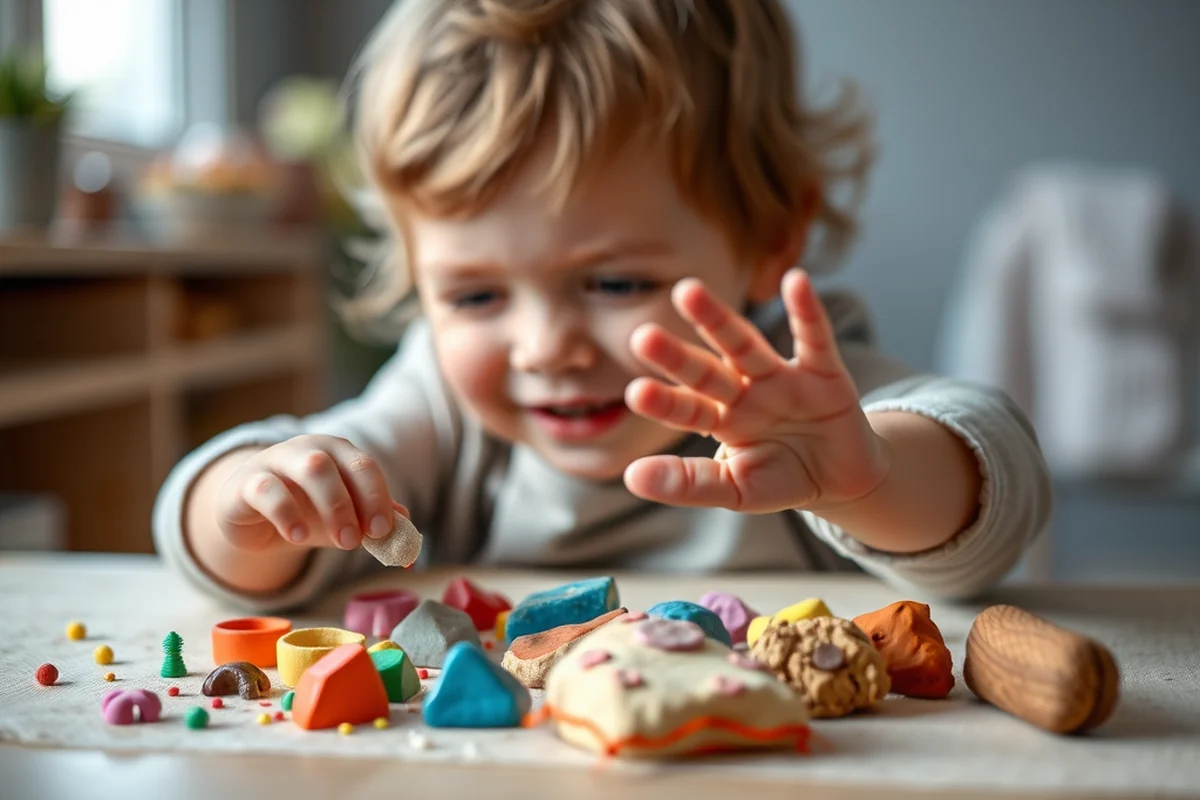
I've found that setting up a dedicated play area for playdough and clay can make a big difference. This could be a small table or a section of the floor with a mat. It helps contain the mess and keeps the play area organized. I also make sure to have all the necessary tools nearby, like rolling pins, cookie cutters, and small containers for storing the dough.
I've noticed that toddlers are more focused and less likely to get distracted if the play area is set up with a few simple items. For example, I've had success using a large piece of paper or a cardboard box as a base for them to work on, which helps keep the play area contained. I also like to include a few small toys or objects that they can incorporate into their creations, like plastic animals or blocks.
Another thing I've learned is that it's important to create a relaxed and positive atmosphere. Toddlers can sense when parents are stressed or frustrated, and that can make the experience less enjoyable for them. I've found that playing with them and participating in the activity helps keep them engaged and excited.
Create a calm, contained space and you’ll be surprised by how much fun your toddler can have.
Related: Playdough activity for toddlers
Encouraging Creativity
I've found that giving toddlers the freedom to explore and create without too much direction is key to fostering creativity. I've noticed that when I step in too much, my son becomes frustrated and loses interest. Instead, I try to be a guide and ask open-ended questions that encourage him to think and explore. For example, I might ask, 'What do you think this looks like?' or 'What can we make with this shape?'
I've also found that incorporating different themes or activities can help keep the play engaging. For example, I've had success with making 'playdough animals' or 'cookie cutters with shapes.' I also try to incorporate storytelling, which helps my son develop language skills. For instance, I might ask him to create a story about the animal he's making or the shape he's cutting out.
Another tip I've picked up is to avoid overloading the play area with too many options. I've noticed that toddlers can get overwhelmed if there are too many tools or materials to choose from. Instead, I focus on a few key items and let my son explore them at his own pace.
Engage your toddler with questions that encourage imagination and thinking, like 'What can we make with this shape?'
“I still remember the first time my son, then two years old, reached for the playdough with a look of pure determination on his face.”— Messysenses editors
Related: Playdough ideas for toddlers
Keeping the Mess Under Control
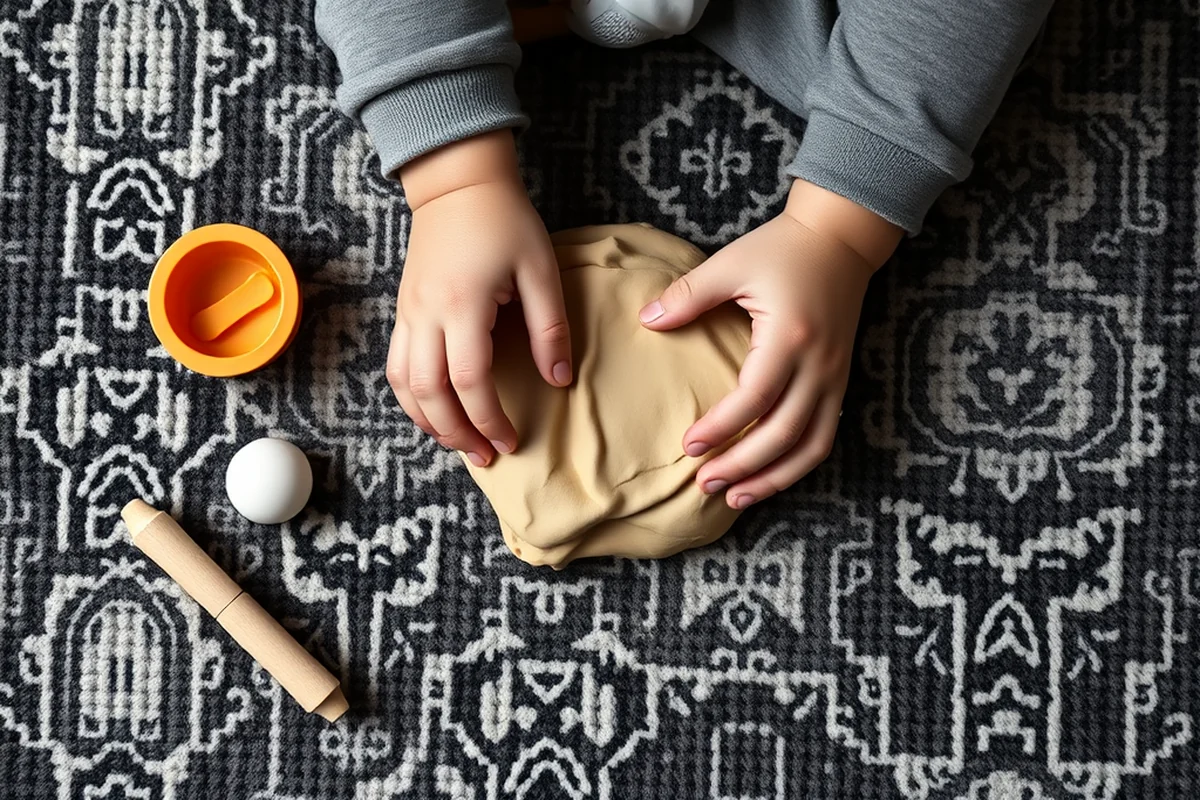
I've learned the hard way that playdough and clay can be quite messy, but with the right strategies, it can be kept under control. One of the most important things I've found is to use a drop cloth or a large piece of paper under the play area. This helps contain any spills or messes and makes cleanup much easier. I also make sure to have a few small containers or bowls to store the dough and tools in.
Another thing I've found helpful is to have a dedicated cleanup routine. I've noticed that toddlers are more likely to help with cleanup if they're involved in the process. I like to set a timer for 10 minutes and then ask my son to help me clean up. This not only helps keep the play area organized but also teaches him responsibility and the importance of tidying up after playtime.
I've also found that using playdough that's less messy can be a big help. For example, I've tried a clay that's designed to be less sticky and less likely to leave residue on surfaces. While it's not completely mess-free, it's much easier to manage than the traditional playdough that can be quite sticky and hard to clean off tables or floors.
Related: Playdough recipe for kids
Making It a Learning Experience
I've discovered that playdough and clay can be used to teach a variety of concepts, from basic shapes and colors to more advanced skills like counting and sorting. I've had success using cookie cutters with different shapes to help my son learn about geometric shapes and patterns. I've also used small containers to sort the playdough by color, which helps teach him about categorization and organization.
I've found that incorporating counting into the activity can be a great way to reinforce basic math skills. For example, I might ask my son to count how many pieces of playdough he's making or how many shapes he's cutting out. This helps him practice counting in a fun and engaging way. I've also used playdough to teach him about measurement by asking him to compare the size of different pieces or to create something that's as long as his hand.
Another learning opportunity I've discovered is using playdough to teach about textures and colors. For example, I've had my son describe the texture of the playdough and compare it to other materials, like sand or water. I've also used playdough to teach him about mixing colors, which helps him understand basic color theory and how colors can be combined to create new ones.
Related: Child playing with playdough
Involving the Whole Family
I've found that involving other family members in playdough and clay time can be a great way to create a sense of togetherness and shared experience. Whether it's my husband, my older daughter, or even my parents, I've noticed that my son enjoys playing with others. This also helps teach him about sharing, cooperation, and teamwork. I've had some of the best moments with my son when we're all playing together, creating something new and enjoying each other's company.
Another benefit of involving the whole family is that it can help reduce the workload for one parent. I've found that having other family members help with cleanup or take turns playing with the toddler can be a big help. This also allows for more flexibility in the schedule, as someone else can take over if I need to step away for a moment.
I've also noticed that involving family members can make the experience more enjoyable and less stressful for everyone. For example, when my husband or parents are involved, my son tends to be more engaged and less likely to get frustrated. It's also a great way to create lasting memories and bond with your toddler in a fun and creative way.
Sharing a playdough moment with family creates memories that last a lifetime.
Related: Playdough ideas for preschool
Making It a Regular Activity
I've found that making playdough and clay time a regular part of our routine helps my son look forward to it and makes it a more consistent part of his day. I've noticed that when we do it regularly, he's more engaged and less likely to get distracted or lose interest. I've set a time each day when we do it, and it's become a special moment that he looks forward to.
Another benefit of making it a regular activity is that it helps reinforce the learning and development opportunities that come with it. For example, if we do it every day, my son has more opportunities to practice counting, sorting, and recognizing shapes. This also helps him develop a sense of routine and structure, which is important for toddlers.
I've also found that making it a regular activity helps with managing the mess. If we do it on a regular basis, I've noticed that I'm better prepared with the right materials and setup. This also helps create a sense of normalcy and predictability, which is important for toddlers who thrive on routine and structure.
🧶 Gentle Play
Ideal for toddlers who need a slower-paced, more relaxed approach to playdough and clay time.
⏳ Fast-Track Play
Perfect for parents with limited time who want to make the most of short play sessions.
✈️ Travel/away-from-home Play
Tips for using playdough and clay on the go, whether you're at a park or traveling.
👶 Multiples Play
Strategies for managing playdough and clay time with multiple toddlers or siblings.
🔄 Regression Reset
How to use playdough and clay to help toddlers through developmental regression or transitions.
| The mistake | Why it happens | The fix |
|---|---|---|
| Using playdough or clay that is too hard or too sticky for small hands | This can be frustrating for toddlers and may discourage them from engaging in the activity. | Choose playdough or clay that is pliable and easy to manipulate. Avoid options that are too crumbly or too sticky. |
| Setting up too many options or materials at once | This can overwhelm toddlers and make it harder for them to focus on the activity. | Start with a few key items and gradually introduce more as your toddler becomes more comfortable with the activity. |
| Not preparing for the mess | This can lead to frustration and stress for both parents and toddlers. | Use a drop cloth or large piece of paper to contain the mess, and have a dedicated cleanup routine in place. |
| Not involving the toddler in the cleanup process | This can make the experience less engaging and more stressful for both parents and toddlers. | Involve your toddler in the cleanup process by setting a timer and asking them to help you clean up. |
Toddler Playdough & Clay Tips
Common Questions
What are the safest playdough and clay options for toddlers?
How can I make playdough and clay time more educational?
What should I do if my toddler gets frustrated with playdough or clay?
How can I make playdough and clay time a regular part of my toddler's routine?
References
Cite this guide
Messysenses (2026). Toddler Playdough & Clay Tips. https://messysenses.com/toddler-playdough-clay-tips/
Feel free to cite or share this guide.