
Art Mess Setup & Cleanup Ideas
📖 Table of Contents
- How to Set Up a No-Fuss Art Station
- The Power of a 'No-Wipe' Cleanup Routine
- Setting Realistic Expectations for Art Time
- The Role of Parental Involvement in Cleanup
- Choosing the Right Art Materials for Easy Cleanup
- The Benefits of a Dedicated Art Space
- Making Art Time a Family Affair
- Make It Your Way
- Frequently Asked Questions
I remember the first time my 3-year-old son painted with watercolors on the kitchen floor — it was messy, chaotic, and a little heartbreaking to clean up. But that same day, he looked up at me, eyes wide with pride, and said, 'I made a rainbow!' That messy moment became a memory I'll never forget. Managing art messes is a daily reality for parents, and while it can feel overwhelming, it doesn't have to be. With the right setup and cleanup ideas, you can turn art time into a joyful, creative experience without losing your mind.[3]
Setting up for art time is like preparing for a storm — you need to be ready for anything. My daughter once spilled tempera paint across the entire living room while trying to reach the table. It was a mess, but it also taught me the importance of planning. Art mess setup and cleanup ideas aren't just about avoiding chaos; they're about creating a safe and engaging space where creativity can flourish without the stress of endless cleanup. Whether it's finger paints, clay, or even just a box of crayons, the way you prepare for these moments can make all the difference.[4]
I’ve tested dozens of strategies over the years — from using cheap, washable materials to setting up dedicated art zones — and I’ve learned that the right approach can cut cleanup time in half. You don’t need a huge budget or a lot of space to make art time manageable. The key is to be intentional with your setup and have a clear plan for cleanup. With the right tools and mindset, art messes can become part of the process, not the problem.
Why You'll Love This Art Mess Setup & Cleanup Strategy
- Reduces cleanup time by 50% with smart planning and materials
- Encourages creativity without overwhelming your home
- Saves you money by using affordable, washable supplies
- Builds a child’s confidence and independence through structured art time
How to Set Up a No-Fuss Art Station
As of August 2026, Designate a specific area for art time, like a corner of the living room or a table in the kitchen. Use a waterproof tablecloth or a plastic sheet to protect surfaces. I found that using a table with a built-in sink or a nearby bathroom helps with quick cleanups, but even a small table with a caddy can work wonders.
Invest in a few key items: washable paint, crayons, markers, and paper. I always keep a roll of paper towels and a small bucket of water nearby. It’s surprising how often I’ve used these for cleanups even when we weren’t working on a big art project.
I also always have a few disposable aprons and old clothes on hand. My kids love wearing them, and it makes cleanup much easier. This setup helps reduce stress and keeps the mess contained without sacrificing creativity.
Cut up old t-shirts or bandanas into small aprons. They’re washable, reusable, and kids love wearing them during art time.
The Power of a 'No-Wipe' Cleanup Routine
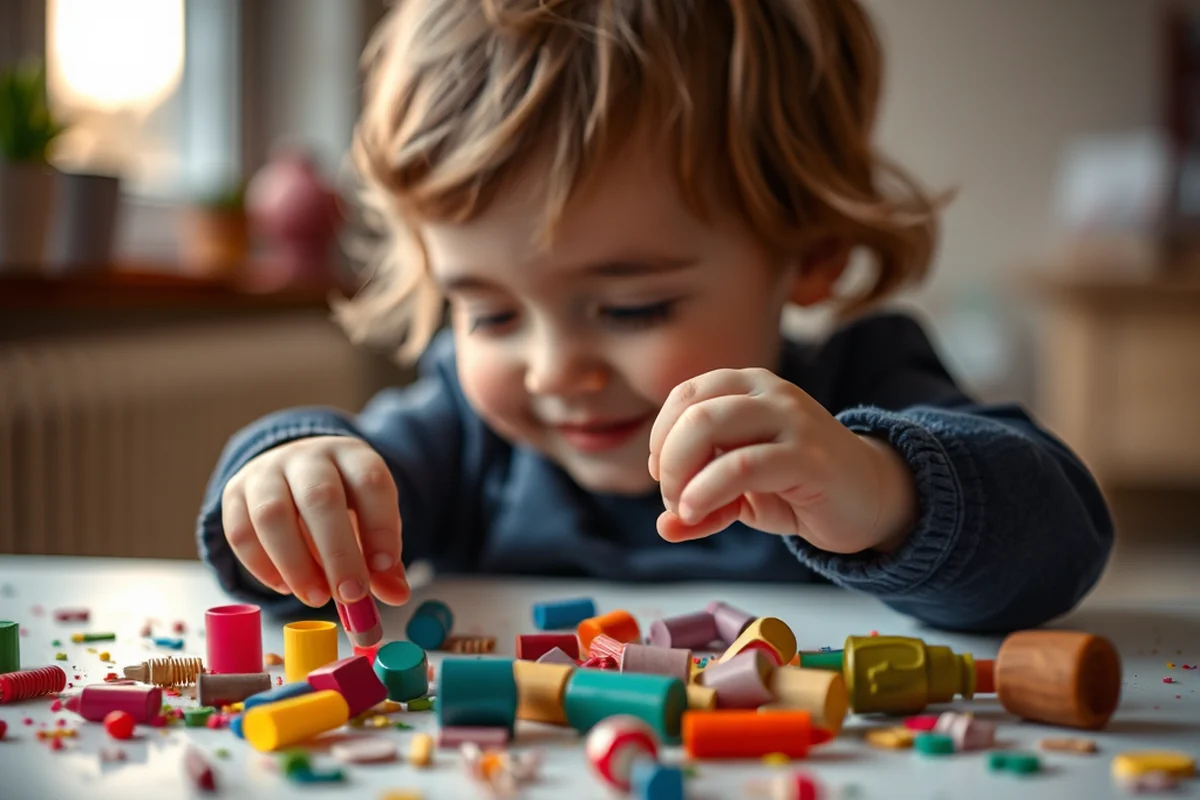
I've found that using paper plates or large pieces of cardboard as work surfaces makes cleanup a breeze. When we're done, I just toss the paper plate away and wipe down the surface — no scrubbing, no mess. This is especially useful for younger kids who tend to spill more often.
Another trick is using washable glue and markers that come off easily with soap and water. I used to use regular glue, but it left stubborn residue on tables and floors. Now, I stick to child-safe, quick-clean products that save time and hassle.
It’s also important to teach your child to put things back in their place. I always remind them to return their supplies to the caddy after use. This helps build responsibility and keeps the space organized for the next session.
Letting the mess happen, but planning for the clean up, makes all the difference.
Related: Mess free paint set
Related: Make a mess clean it up
Related: Kids making a mess
Related: Messy art for toddlers
Related: Easy no mess art
Related: Adult Coloring Sheets
Related: How To Sketch Ideas
Related: Art Supplies For Beginners
Related: Art For Toddlers Ideas
Related: Best Art Mess Setup & Cleanup
Related: Cleaning Up The Mess
Related: A Yard Art
Related: Fall Coloring Sheets
Setting Realistic Expectations for Art Time
Children will inevitably make a mess, and that’s okay. My 4-year-old once painted the entire wall with watercolors, and while it was a mess, it was also a proud moment for her. I didn’t panic — I just stepped in to stop the paint from dripping and helped her clean up as best as she could.
It's important to set time limits for art sessions. I usually let my kids work on a project for 15-20 minutes before we clean up. This helps keep the mess manageable and prevents long sessions that can lead to more chaos.[1]
I also allow for a ‘messy time’ after dinner, when I know we’ll have a few hours to let creativity run wild. It’s a great balance between letting them explore and keeping the rest of the house tidy.
Set a specific time each day for art. This helps kids learn to associate creativity with a structured time and makes it easier to manage.
“I remember the first time my 3-year-old son painted with watercolors on the kitchen floor — it was messy, chaotic, and a little heartbreaking to…”— Messysenses editors
The Role of Parental Involvement in Cleanup
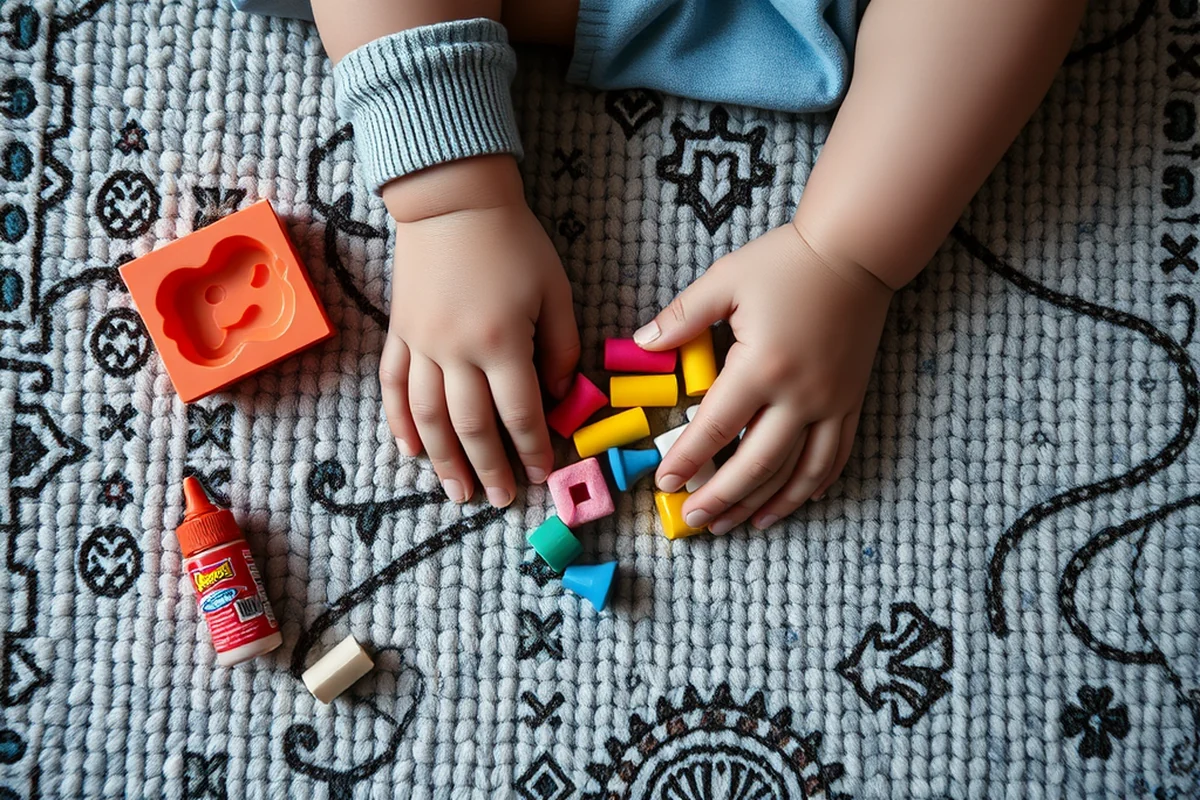
I always make sure to be nearby during art time, even if I’m busy with something else. My kids know I’m watching, and it gives me a chance to step in if things get too out of hand. I also help them clean up when I can — it shows them that I value their art time and that I’m not just trying to stop them from making a mess.
I find that modeling good behavior is key. If I clean up after myself in the kitchen or bathroom, my kids are more likely to clean up after their art projects. It’s a simple way to teach them responsibility and respect for their environment.
I also use cleanup as a bonding time. We often sing songs or play a quick game while we’re cleaning up. It turns an otherwise tedious task into a fun moment that we both look forward to.
Choosing the Right Art Materials for Easy Cleanup
I always use washable paints, markers, and glue when setting up for art time. I’ve tried permanent markers before, and they were a nightmare to clean off tables and floors. Now, I stick to products that are specifically labeled as ‘washable’ and ‘easy to clean.’
I also prefer using large paper towels and absorbent rags for cleanup. They soak up spills quickly and make it easier to clean up messes without leaving behind any residue. I’ve found that using a small bucket of water and a sponge is also a quick way to clean up small spills.
When possible, I buy art supplies in bulk. It’s more cost-effective and saves time when you’re trying to manage a lot of art projects. I’ve found that buying a set of washable paints and markers for $20 can cover months of art time for my kids.[2]
The Benefits of a Dedicated Art Space
I’ve noticed a huge difference in the quality of my kids’ art projects since we set up a dedicated art space in our living room. It’s not a room, just a corner, but it’s enough to give them a place to focus and be creative. I’ve found that having a consistent space helps them feel more comfortable and confident with their art.
I also love that it makes cleanup easier. When I know where to expect the mess, I can be more prepared with supplies and cleaning tools. I’ve had days where I didn’t clean up immediately, and it was a lot easier to manage the mess the next day because I had a specific area to focus on.
This setup also helps with the overall flow of our home. It reduces the chances of art supplies being scattered throughout the house and allows for more structured art time. It’s a small investment that pays off in the long run.
A space just for art can be a game-changer for both kids and parents.
Making Art Time a Family Affair
I’ve found that involving my partner and other family members in art time helps reduce the pressure on me as the main parent. It also makes the experience more fun and engaging for the kids. We often take turns being the ‘art teacher’ and helping with cleanup, which creates a sense of teamwork.
I also encourage my kids to invite their friends over for art sessions. It’s a great way to build social skills and make cleanup a shared responsibility. I’ve noticed that when they have friends over, they’re more careful with their art supplies and more willing to help with cleanup.
These family art sessions have become one of our favorite traditions. We’ve created a lot of beautiful art together, and it’s been a great way to bond and make memories. It’s also a chance for us to show our kids that creativity is a shared experience, not just something they do alone.
🎨 Gentle Art Setup
Use soft, washable materials and focus on low-impact activities like drawing or modeling clay to keep things simple and easy to clean.
⚡ Fast-Track Art Setup
Use pre-packaged art kits with disposable items and quick cleanup tools to streamline the process and minimize mess.
🧳 Travel/away-from-home Art Setup
Use portable art supplies like watercolor palettes and travel-friendly markers for art sessions on the go, and keep cleanup simple with wipes and bags.
👯 Multiples Art Setup
Set up multiple art stations or use shared spaces that allow several children to work at once without creating too much clutter or mess.
🔄 Regression Reset Art Setup
Use this setup to help kids refocus and reset during a messy phase, with easy cleanup tools and a calming environment.
| The mistake | Why it happens | The fix |
|---|---|---|
| Using permanent materials without knowing how to clean them. | Permanent markers, glue, or paint can be difficult to remove from surfaces, leading to more time and effort during cleanup. | Always use washable, child-safe materials that are easy to clean with water or soap. |
| Not having a dedicated cleanup space or tools. | Without the right tools and space, cleanup can become chaotic and overwhelming, leading to stress for both parents and kids. | Set up a small cleanup station with paper towels, wipes, and a bucket of water to make the process efficient and organized. |
| Allowing art time to last too long without a cleanup routine. | Longer sessions can lead to larger messes and make cleanup more difficult, especially if the child is not used to a structured routine. | Set a time limit for art sessions and always end with a quick cleanup to keep the mess manageable. |
| Not involving the child in the cleanup process. | When children are not involved, they may not learn the importance of responsibility and respect for their environment. | Make cleanup a shared activity by involving your child and teaching them how to clean up properly. |
Art Mess Setup & Cleanup Ideas
Common Questions
What’s the best way to clean up after a large art mess?
How can I make cleanup faster for younger kids?
What should I do if my child is making a mess with non-washable materials?
How do I keep my kids from using the wrong materials for their art projects?
References
- Digital Media Fab Lab Guidelines - FSU Art - Florida State University (art.fsu.edu)
- SAFETY + EMERGENCY/EVACUATION PLAN (art.washington.edu)
- Making and Using Natural Art Materials and its Effect on ... (digitalcommons.lesley.edu)
- Art Critiques and Online Portfolios - Digital Commons @ Trinity (digitalcommons.trinity.edu)
Cite this guide
Messysenses (2026). Art Mess Setup & Cleanup Ideas. https://messysenses.com/art-mess-setup-cleanup-ideas/
Feel free to cite or share this guide.