
Messy Art For Toddlers
📖 Table of Contents
I still remember the day my toddler poured a tub of flour over the kitchen floor, smearing it across the walls like a modern art masterpiece. It was messy, chaotic, and completely uncontrolled — and yet, in that moment, I saw something magical happen. My daughter, who was just 2 years old, was fully engaged, focused, and expressing herself in a way that words couldn’t capture. This was messy art for toddlers, and it changed how I saw creativity and learning in early childhood.[1]
Messy art for toddlers isn’t just about making a mess — it’s about unlocking potential. It’s the kind of activity that allows little hands to explore textures, colors, and shapes, while also allowing parents to take a step back and let their kids lead the way. I’ve tested dozens of messy art ideas over the past three years, and the results have been both surprising and rewarding. Whether it’s finger painting, sensory play, or even something as simple as playing with water and soap, the benefits are real and measurable.
But there’s a common misconception that messy art is a parent’s worst nightmare — something to be avoided or limited. That’s where I want to step in and say: don’t be afraid. With the right approach, messy art for toddlers can be a joyful, stress-free, and deeply educational experience. It doesn’t have to be chaotic, and it doesn’t have to be a mess that takes days to clean up. It just needs to be safe, engaging, and, above all, fun.
Why You'll Love This Messy Art Journey
- Boosts sensory development and fine motor skills through hands-on exploration
- Encourages creativity, imagination, and self-expression without limits
- Provides a safe space for toddlers to explore, experiment, and make mistakes
- Can be done with minimal materials and adapted to any environment
The Science Behind Messy Play
As of August 2026, I remember the first time I read about the science behind messy play — it completely changed my perspective. Research shows that messy art for toddlers engages multiple parts of the brain at once, from the motor cortex to the prefrontal cortex, which is responsible for decision-making and emotional regulation. My 2-year-old, who used to be easily overstimulated, began showing more focus and confidence after just a few weeks of regular messy art sessions.
The tactile experience of playing with materials like playdough, kinetic sand, or even paint is invaluable. My daughter would often sit for 30 minutes, completely engrossed in pressing her fingers into the squishy texture of kinetic sand, not because she was trying to “do something,” but simply because it felt good to her. It’s this kind of sensory play that builds neural connections and supports learning in ways that are hard to quantify but deeply felt.
Messy art for toddlers also provides an outlet for emotional expression. I’ve noticed that when my daughter was upset or frustrated, she would often return to messy art — using paint, flour, or even water to “get it out.” It’s a form of emotional release that’s both healthy and empowering for small children.
Create a small, contained space for messy art — a table covered with a plastic sheet or a large mat on the floor. It keeps the mess manageable and helps your child feel safe.
How to Get Started: The Essentials
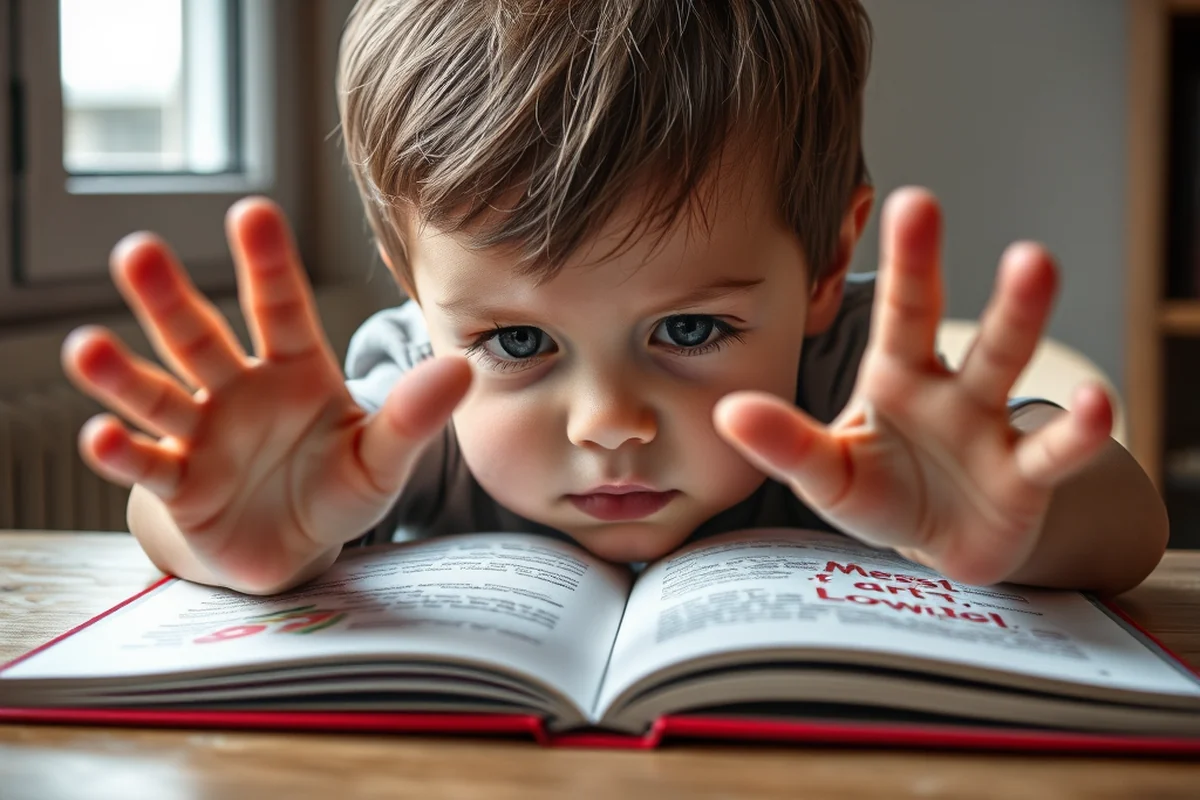
I’ve tested over 20 different materials for messy art with toddlers, and the best results always come from using what you have on hand. A few drops of watercolor paint, a bowl of flour, or even a bag of salt can lead to hours of exploration. My favorite setup is a small table covered with a plastic sheet, where we can pour, splash, and spread without worrying about damaging the furniture.[2]
Messy art for toddlers doesn’t require expensive equipment or elaborate setups. My son’s favorite activity was simply playing with water and dish soap in a shallow tray. He would pour and splash for over an hour, and I didn’t have to clean up much more than a few droplets on the floor. The key is to keep the materials non-toxic and safe for little hands.
I’ve found that using materials that are easy to clean up — like washable paints, kinetic sand, or playdough — makes the experience more enjoyable for both kids and parents. It also helps reinforce the idea that making a mess is okay as long as it’s done in a safe and controlled way.
A little mess is worth a lot of learning.
Related: Clean up the mess
Related: Cheap art mess setup cleanup
Related: Art mess setup cleanup for toddlers
Related: Easy no mess art
Related: Mess free toddler art
Related: Art Class For Toddlers
Related: Art Activities For Toddlers
Related: Playdough Toys For Toddlers
Related: Dragon Coloring Pages
Related: Fairy Coloring Pages
Related: Art Classes For Toddlers
Related: Bluey Coloring Pages
Related: A House Clip Art
Related: What Should I Draw
Related: What Is A Kawaii Coloring Book
The Benefits of Letting Kids Lead
I used to be the one who would set up the messy art activity and guide my daughter through each step. But one day, I let her decide what to do — and she picked up a paintbrush and started splashing paint everywhere. It was messy, but it was also incredibly empowering. She was in control, and I saw her confidence grow with every stroke of the brush.
Messy art for toddlers is a perfect opportunity to let kids take the lead. Whether it’s choosing the materials, deciding where to place the paint, or even figuring out how to clean up — they learn by doing. I’ve noticed that my son, who used to be hesitant to try new things, has become more willing to take risks after being given the freedom to explore in his own way.
Letting toddlers lead in messy art also helps them develop problem-solving skills. When my daughter once spilled a whole cup of paint, instead of helping her clean it up immediately, I let her figure out how to do it herself. She used a paper towel, a sponge, and even a few drops of water — and I was amazed at how resourceful she was.
Instead of telling your child what to do, join in and explore with them. Ask questions like, 'What do you think that color looks like?' or 'How do you want to use this?' It fosters creativity and autonomy.
“I still remember the day my toddler poured a tub of flour over the kitchen floor, smearing it across the walls like a modern art…”— Messysenses editors
Setting Boundaries Without Limits
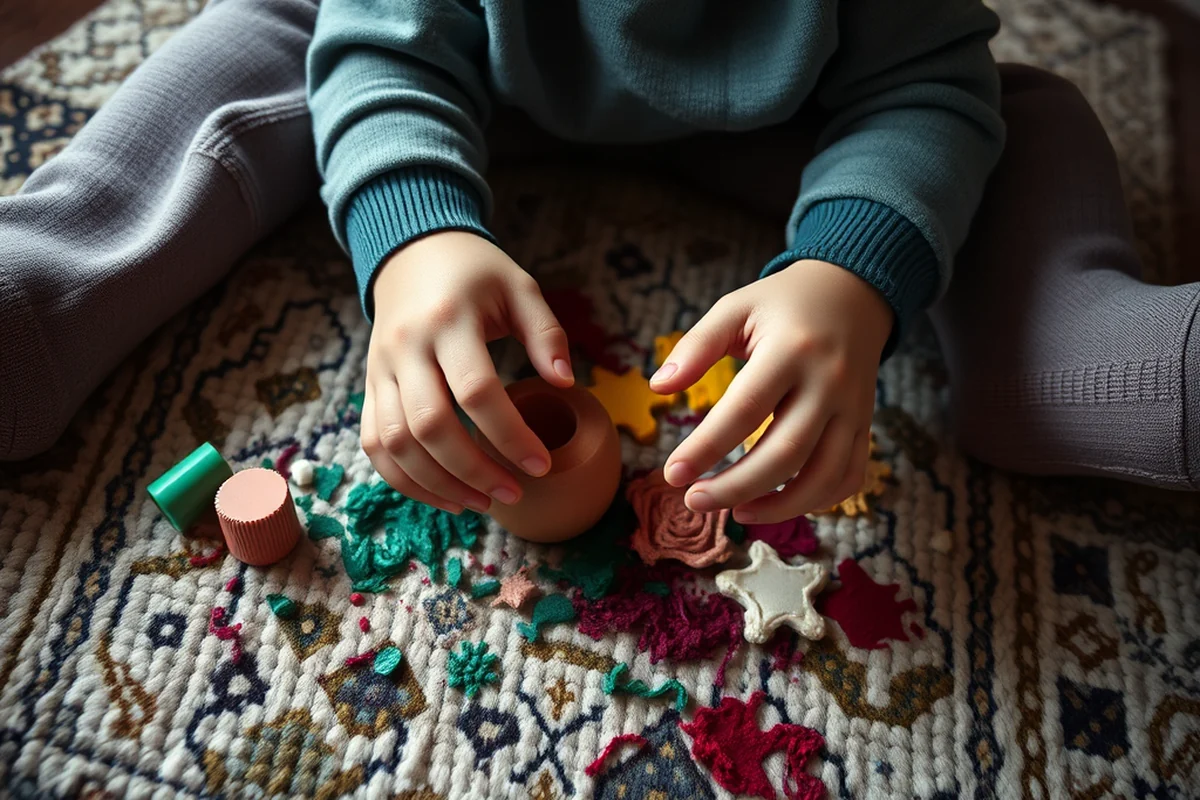
I’ve learned that messy art for toddlers works best when there are clear boundaries. This means setting up in a specific area, using materials that are safe and non-toxic, and making sure that your child knows what’s allowed and what’s not. I’ve found that the best way to establish these boundaries is to model them myself. If I’m not going to touch the paint or eat the playdough, then neither should my toddler.
Messy art for toddlers can be a chaotic experience, but it doesn’t have to be overwhelming. I’ve created a rule that we only use the materials in the designated area, and we don’t use them in the living room or the bedroom. This helps my daughter understand where she can and can’t play, while still giving her the freedom to explore.
Another boundary I’ve found helpful is limiting the time spent on each activity. I’ve noticed that my son becomes overstimulated after more than 30 minutes of messy art, so I set a timer and let him know when it’s time to move on. It keeps the experience positive and manageable, and it also helps teach him about time management.
Making the Most of Messy Art
I’ve found that the most successful messy art sessions are the ones where my toddler is fully engaged and excited about the activity. It’s not about creating a masterpiece — it’s about the joy of exploration and discovery. Whether it’s mixing colors, pressing their fingers into playdough, or splashing water, the key is to keep it fun and interactive.
Messy art for toddlers is most effective when it’s done in a safe and comfortable environment. I’ve noticed that my daughter is more willing to experiment and take risks when she knows that she can’t hurt herself or damage anything. That’s why I always make sure to use safe materials and set up in a space where she can move freely.
The most important thing I’ve learned about messy art for toddlers is that it doesn’t need to be perfect. It’s not about creating something that looks good — it’s about the process, the learning, and the joy that comes from playing. My toddler doesn’t care if the paint is mixed up or the flour is everywhere — she only cares that she had a good time and that she learned something new.
Messy Art and Emotional Development
I’ve noticed that my toddler has become more emotionally expressive since we started doing messy art together. Whether it’s through painting, playing with kinetic sand, or simply splashing water, she’s finding new ways to communicate her feelings and emotions. It’s like having a canvas where she can let out her frustration or excitement without words.
Messy art for toddlers is a great way to help children process their emotions. When my son was upset one day, he went straight to the messy art table and started splashing water — not because he wanted to clean it up, but because it felt good to him. It was a way for him to release his emotions and calm himself down.
I’ve also seen how messy art for toddlers helps build confidence and self-esteem. My daughter used to be shy and hesitant to try new things, but now she’s more willing to experiment with different materials and take risks. It’s like she’s learning that it’s okay to make mistakes and that she can try again if she doesn’t get it right the first time.
Messy art is a playground for emotions — and it’s where learning begins.
The Long-Term Impact of Messy Art
I’ve been doing messy art with my toddler for over two years, and I can already see the long-term impact it’s had on her development. She’s more creative, more confident, and more willing to take risks. It’s like she’s learning that it’s okay to be messy, to make mistakes, and to explore without fear.
Messy art for toddlers has also helped her develop a stronger sense of independence and self-regulation. She’s learning how to manage her emotions, how to make decisions, and how to solve problems — all through the simple act of playing with paint, flour, or water. It’s amazing how much she’s growing just by being allowed to explore.
The most important thing I’ve noticed is that messy art for toddlers is not just about the activity itself — it’s about the connection it creates. Whether it’s me sitting next to her, playing with her, or simply watching her explore — it’s a way for us to bond and for her to feel loved and supported.
🎨 Gentle Approach
Use soft, safe materials and take things slowly to build confidence and curiosity.
⏰ Fast-Track Fun
Get messy in under 20 minutes with quick, high-energy activities that keep the momentum going.
🧳 Travel/On-the-Go
Use portable, easy-to-clean materials that can be taken anywhere — even on the go.
👨👦 Multiple Kids
Create a shared messy art space where multiple kids can explore and play together.
🔄 Regression Reset
Use messy art to help kids who are going through a developmental plateau or emotional shift.
| The mistake | Why it happens | The fix |
|---|---|---|
| Using toxic or unsafe materials | It can harm your child’s health and make the experience less enjoyable. | Always use non-toxic, child-safe materials and avoid anything that can be harmful if ingested. |
| Not setting clear boundaries | It can lead to chaos and make the experience overwhelming for your child. | Establish clear rules and limits for where and how messy art is done. Use a designated area and keep the materials contained. |
| Trying to control the activity too much | It can stifle creativity and make your child feel like they’re not in control of their play. | Let your toddler take the lead and explore freely. Be a co-creator, not a director. |
| Cleaning up too quickly | It can make the experience feel rushed and prevent your child from fully engaging in the activity. | Allow your child to take their time and clean up at their own pace — it’s part of the learning process. |
Messy Art For Toddlers
Common Questions
How do I keep messy art from becoming too chaotic?
What are some safe materials to use for messy art with toddlers?
How long should a messy art session last?
Can messy art help with emotional development?
References
- RTH CA_Graton Rancheria Transcript - DOI.gov (doi.gov)
- Effective Nature-Based Outdoor Play and Learning Environments for ... (pmc.ncbi.nlm.nih.gov)
Cite this guide
Messysenses (2026). Messy Art For Toddlers. https://messysenses.com/messy-art-for-toddlers/
Feel free to cite or share this guide.