
How To Make Playdough For Kids
📖 Table of Contents
There’s something about the way my daughter’s tiny hands mold and squish homemade playdough that makes me feel like I’ve just unlocked a secret to early childhood development. I remember the first time I made it — I was in the middle of a chaotic afternoon, and the moment I handed her the dough, the room went silent. She looked at me like I’d just handed her the key to a magical world. That’s when I knew: playdough isn’t just a toy, it’s a tool. And making it from scratch, not just buying it, was the difference between a fleeting moment of fun and a gateway to creativity, learning, and connection.
I’ve made playdough with my kids more times than I can count — with flour, salt, glue, and even cornstarch. Each version has its own story. One time, I made it during a rainy afternoon and watched my son spend three hours rolling it into snakes and balls. Another time, I used a microwave version, and it was a disaster — the dough was too sticky and never set right. But when I made it with the right proportions and a dash of creativity, it became something they’d ask for every day. It wasn’t just about the dough; it was about the moments it created.[1]
Making playdough for kids is more than just a craft project — it’s a way to engage your child’s senses, encourage fine motor development, and foster problem-solving skills. When you make it from scratch, you’re not just handing them a toy — you’re giving them a learning experience. I remember my daughter’s first time making it. She was only two, and she was so proud when she shaped it into a ball. That moment of pride, of accomplishment, stayed with her. And I knew then that this was something I’d want to do again and again — not just for her, but for the magic it created in our home.[2]
Why You'll Love This ...
- It’s safe, non-toxic, and easy to customize with food coloring or texture additives.
- You can make it in minutes with just a few household items — no special tools required.
- It becomes a bonding activity that builds trust and connection with your child.
- You control the quality, so you know exactly what goes into it — no hidden chemicals or synthetic additives.
Why Homemade Playdough Matters
As of September 2026, I remember the first time I made playdough with my daughter. We used flour, salt, and water — nothing fancy. But as she squished it in her hands, I could see her brain firing. Her fingers were moving, her eyes were focusing, and she was learning about textures and colors. It was like watching a tiny brain light up.
Research shows that sensory play is crucial for early development. It helps with hand-eye coordination, cognitive skills, and even emotional regulation. When I made playdough with my son, he would get so frustrated when it was too sticky. But after a few tries, he learned how to adjust the consistency — and he didn’t even realize he was learning.[3]
The best part? It’s all about the connection. When you make playdough with your kids, you’re not just creating a toy — you’re creating a memory. I’ve made playdough with my kids every week since they were toddlers. It’s always been a way to bond, to be present, and to show them that I’m there for them — not just for their playtime, but for their growth.
Let the mess happen. The more squishy and sticky the playdough, the more sensory input your child gets. Even if it gets everywhere, the learning is worth it.
Simple Ingredients for Big Fun
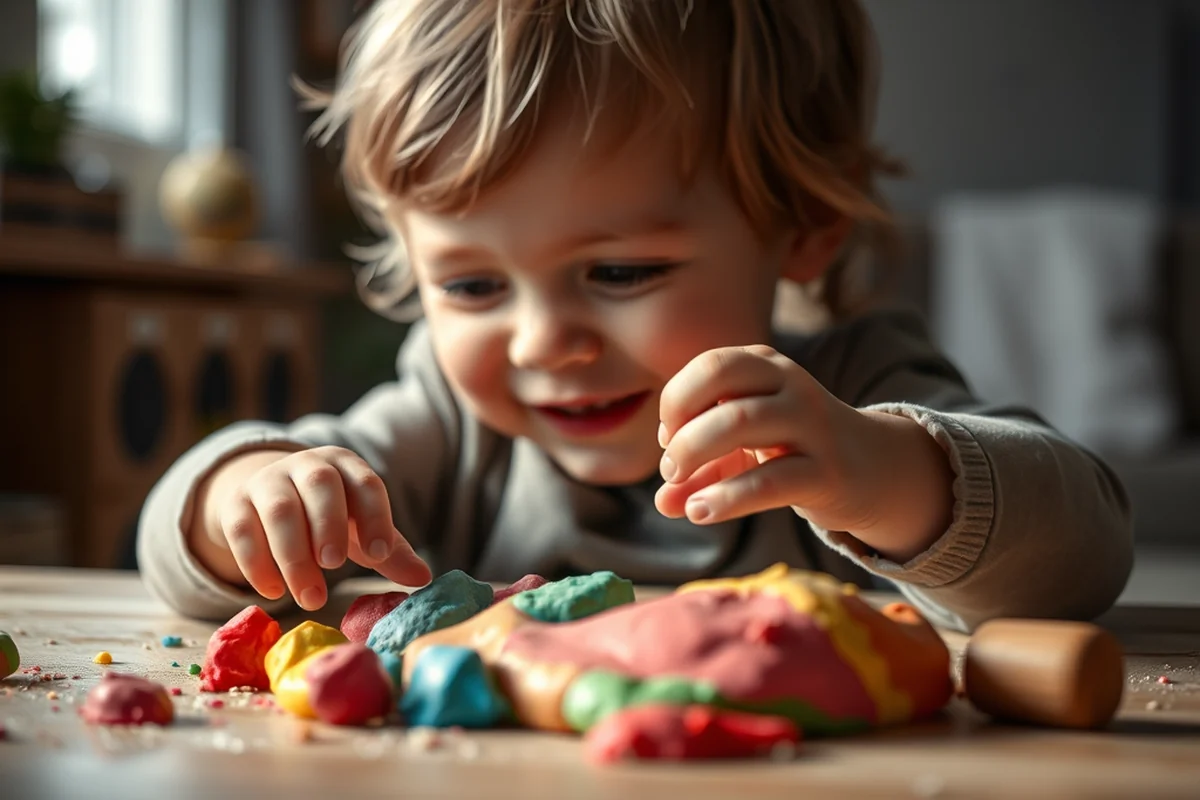
The classic recipe I use is flour, salt, water, and a bit of oil. I’ve also tried cornstarch versions, which are easier to clean up, and even gluten-free recipes for my daughter’s sensitivity. The key is to use ingredients you’re comfortable with — and that your kids can touch and play with safely.
I’ve made playdough with my kids using just three ingredients — flour, water, and salt. It’s simple, it’s safe, and it’s effective. My son would spend hours making shapes and rolling it out, and he never got bored. The beauty of homemade playdough is that you can customize it — adding food coloring, sand, or even glitter for a sensory boost.
The best part? You know exactly what goes into it. No hidden chemicals, no synthetic additives — just pure, safe fun. I’ve tried store-bought playdough, but nothing compares to the feeling of making it with your own hands and watching your child’s face light up.
Simplicity is the key — and it’s always been the best part.
Related: Where to buy playdough
Related: Playdough for 3 year old
Related: Easy toddler playdough clay
Related: Playdough recipe for kids
Related: Playdough activity for toddlers
The Magic of Texture and Color
I once made playdough with my daughter using different textures — one batch was smooth and shiny, another was gritty with sand, and one was squishy with cornstarch. She loved them all, but the sand one was her favorite. She would dig her fingers into it and say, 'This feels like the beach!' That kind of sensory play is priceless.
Color is another big part of playdough’s appeal. I’ve made playdough with my kids using food coloring, and it was always a hit. My son would mix the colors together to create new ones, and it was like watching him learn about color theory in the middle of a play session. It was messy, but it was worth it.
The texture and color of playdough can help your child explore their world in a new way. I’ve seen my daughter use playdough to learn about different shapes, colors, and even emotions. It’s not just a toy — it’s a learning tool that can grow with them.
Don’t be afraid to mix in different textures — like sand, glitter, or even small beads. It adds a whole new level of sensory input for your child.
“There’s something about the way my daughter’s tiny hands mold and squish homemade playdough that makes me feel like I’ve just unlocked a secret to…”— Messysenses editors
Playdough as a Learning Tool
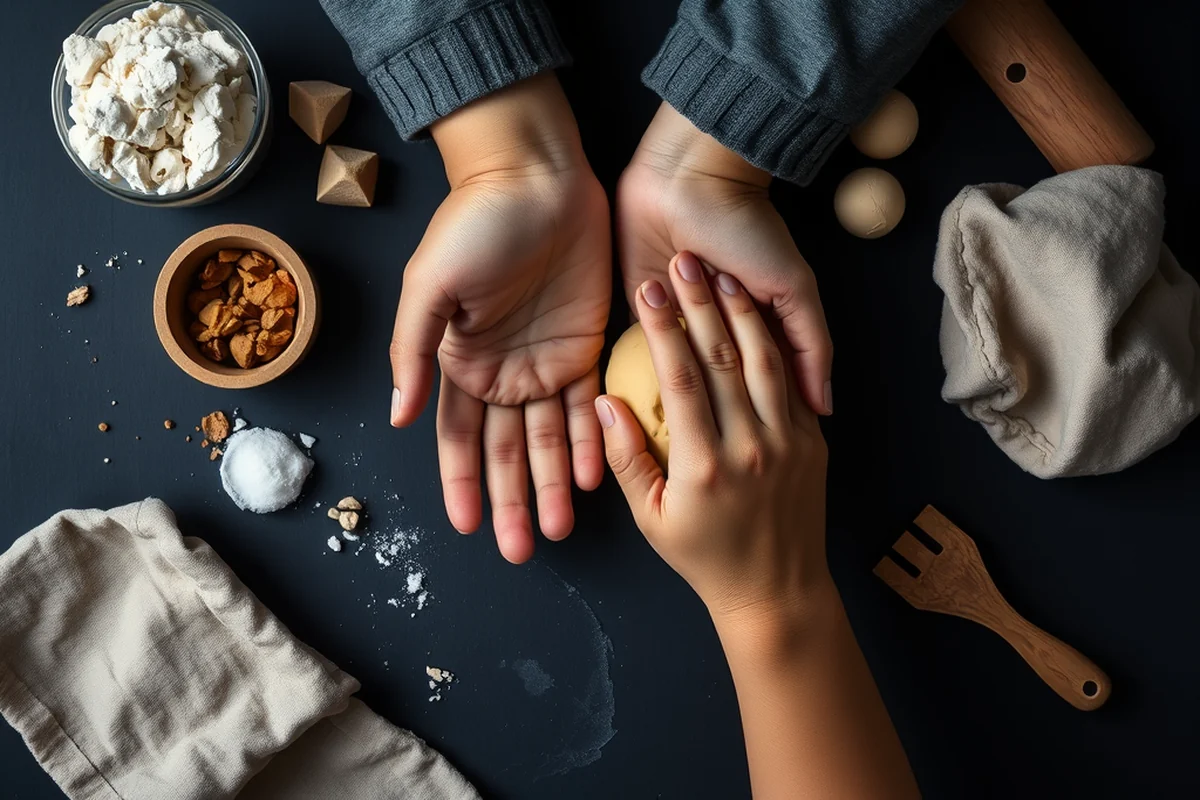
I’ve used playdough with my kids to teach them about shapes, letters, and even basic math. My daughter would press her fingers into the dough and say, 'This is a circle!' or 'This is a square!' It was like watching her brain work in real time.
Playdough also helps with fine motor development. I’ve seen my son improve his hand strength and coordination just by playing with it. He would roll it into snakes, flatten it into pancakes, and even use it to create little people and animals. It was like watching him develop his fine motor skills in a fun and engaging way.
The best part? Playdough doesn’t require any instruction. It’s just a tool that your child can explore on their own — and that’s when the real learning happens. I’ve watched my kids discover new things every time they played with it — and I loved being there to see it happen.
The Bonding Power of Playdough
I remember the first time I made playdough with my son. He was only three, and he was so excited that I was spending time with him. We spent the whole afternoon making different colors and shapes, and he wouldn’t let me leave the room. It was like we had created a whole new bond just by working together on a simple project.
The best part is that it doesn’t require any special skills or tools. All you need is a few ingredients and a bit of time. And in that time, you can create something that will last a lifetime — not just the playdough, but the memories and the connection.
Making Playdough a Daily Habit
I’ve made playdough with my kids every day for years, and it’s become part of our routine. Some days it’s just a quick snack-time activity, and other days it’s a full-blown creative session. No matter how long we spend with it, it’s always a hit.
When I made playdough with my daughter every morning, it became a way to start our day on a positive note. She would look forward to it, and it became a way for us to connect even before the rest of the day got busy. It was simple, but it made a big difference.
The beauty of playdough is that it’s flexible. You can make it in a few minutes, or you can spend hours on it. Either way, it’s a way to support your child’s development and creativity — and it’s always been one of my favorite ways to spend time with them.
Daily playdough is the best way to build a habit — and a bond.
Making Playdough a Family Activity
I’ve made playdough with my kids and my husband, and it was always a hit. We would all sit together and mix the ingredients, and it became a way for us to bond as a family. My son loved seeing his dad get involved in the process, and my daughter loved showing her parents how to make different colors and shapes.
When the whole family gets involved in playdough making, it becomes more than just a child’s activity — it becomes a shared experience. I’ve seen my kids learn from their parents, and I’ve seen my parents learn from my kids. It’s a way to pass down skills, knowledge, and even creativity.
🧶 Gentle Playdough
A soft, squishy version with less texture and more flexibility for little hands and sensitive skin.
⏳ Fast-Track Playdough
A quick version that can be made in under five minutes — perfect for busy days or spontaneous play sessions.
✈️ Travel/away-from-home Playdough
A portable version that’s easy to store and transport — ideal for trips, parties, or playdates on the go.
🎉 Multiples Playdough
A version that allows you to make several batches at once — perfect for siblings, groups, or playdates with friends.
🔄 Regression Reset Playdough
A version that’s designed to be simple and adaptable — perfect for helping younger children or those with developmental delays.
How To Make Playdough For Kids
Common Questions
Is homemade playdough safe for young children?
How long does homemade playdough last?
Can I make playdough without salt?
What if my child is allergic to flour or cornstarch?
References
- Nature-Based Learning Programs (dcyf.mn.gov)
- North Dakota Early Learning Standards Birth to Kindergarten (nd.gov)
- Science Sensory Activities For 35 Year Olds (jfd.jacksonms.gov)
Cite this guide
Messysenses (2026). How To Make Playdough For Kids. https://messysenses.com/how-to-make-playdough-for-kids/
Feel free to cite or share this guide.