
Playdough Recipe For Children
📖 Table of Contents
- Why Homemade Playdough Matters for Development
- The Simple Science Behind Playdough
- The Benefits of Making Playdough at Home
- Playdough as a Tool for Emotional Regulation
- Playdough and the Importance of Hands-On Learning
- How to Encourage Playdough Play in Different Ages
- The Lasting Impact of Homemade Playdough
- Make It Your Way
- Frequently Asked Questions
When my son was three, we spent an entire rainy afternoon in the kitchen, making playdough from flour, salt, and food coloring. He was thrilled to see his hands turn into something soft and moldable, and for the next hour, he sculpted animals, towers, and even a spaceship—each creation more elaborate than the last. I didn’t know it then. This simple, messy activity would become a cornerstone of our parenting journey, one that taught him creativity, patience, and the joy of making things with his own hands. The playdough recipe for children isn’t just about the material itself; it’s about the moments it creates, the learning it sparks, and the connection it builds.[1]
For parents who are looking for a hands-on, low-cost way to engage their kids in meaningful play, homemade playdough is a revelation. It’s not just a craft—it’s a sensory experience that can be tailored to every child’s developmental stage. Whether your child is just beginning to grasp the concept of shapes or is ready to explore textures and colors, the playdough recipe for children offers endless possibilities. The best part? It’s easy to make, safe for little hands, and can be customized in a way that commercial playdough simply can’t match.[2]
I’ve tried numerous versions of playdough over the years, from store-bought to DIY, and I’ve found that the right mix of ingredients and techniques can make a world of difference. The playdough recipe for children is more than a list of measurements—it’s a guide to creating a material that’s not only fun but also educational and calming. Whether you’re looking to help your child with fine motor skills or simply want a distraction during a long car ride, this is the kind of resource that can make a real, lasting impact in your home.[3]
Why You'll Love This Playdough Recipe for Children
- It’s safe and non-toxic, ideal for young children.
- It encourages creativity and fine motor development.
- It’s easy to customize with colors, textures, and scents.
- It’s a cost-effective and long-lasting activity for families.
Why Homemade Playdough Matters for Development
As of October 2026, when I first tried homemade playdough with my son, I was surprised by how engaged he was. He would press it, roll it, and stretch it, all while making sounds and grinning from ear to ear. This wasn’t just play; it was learning. His fingers were strengthening, his hand-eye coordination was improving, and he was exploring textures in a way that no screen or video game ever could.[4]
Playdough is a sensory-rich material that can be molded, squished, and stretched, offering a tactile experience that’s both calming and stimulating. For children with sensory processing differences, homemade playdough can be especially helpful. By adding different textures like rice, beans, or even lavender, parents can tailor the experience to their child’s needs and preferences.
There’s also the aspect of creativity. With homemade playdough, kids aren’t limited by pre-made shapes or colors. They can make whatever they imagine, from simple balls to elaborate figures. This kind of open-ended play is crucial for early childhood development and problem-solving skills.
Add a few drops of essential oil like lavender or peppermint to the playdough for an extra sensory boost. This not only makes the playdough more engaging but also promotes relaxation and focus.
The Simple Science Behind Playdough
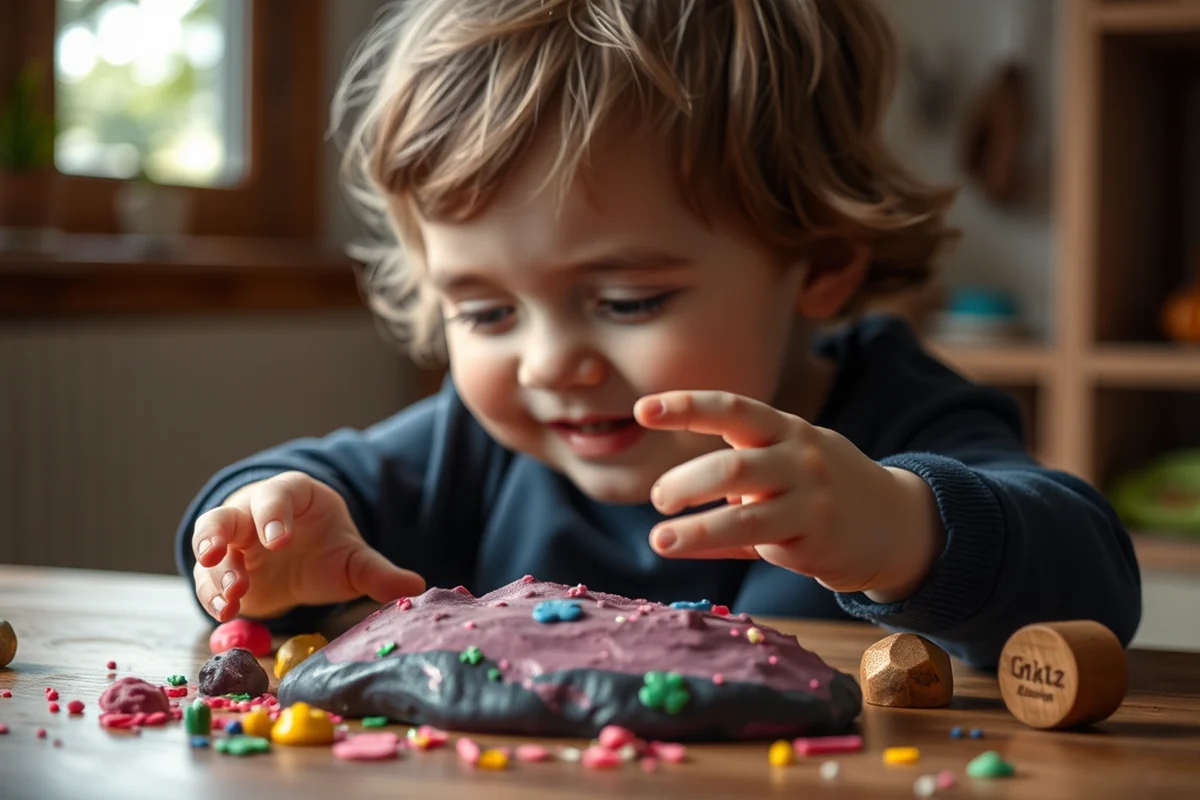
I remember the first time I tried a playdough recipe that didn’t work. It was too dry, and my son couldn’t even roll it into a ball. Later, I learned that the balance between flour and salt is critical. Salt acts as a binding agent, and when mixed with water and a bit of oil, it creates a pliable, non-sticky texture that holds its shape without cracking.
The most common playdough recipe for children uses flour, salt, oil, and water. The oil helps keep the dough from drying out, while the salt contributes to the firmness and elasticity. This combination allows the playdough to be manipulated easily, making it perfect for both young and older children.
Understanding this basic science can help parents tailor the recipe to their child’s needs. If the playdough is too dry, a little more water can be added. If it’s too sticky, a bit more salt or flour will help. This adaptability is one of the reasons why homemade playdough is so much more valuable than commercial versions.
Playdough is a simple mixture of ingredients that can unlock a world of creativity and learning.
Related: Easy to make playdough
The Benefits of Making Playdough at Home
I’ve always been cautious about the ingredients in store-bought playdough. After learning that some commercial brands contain preservatives and synthetic dyes, I decided to make our own. The difference is night and day. Homemade playdough is made with simple, natural ingredients that are safe for even the youngest children. It’s also free from the harsh chemicals that can cause irritation or allergic reactions.
Another benefit is the opportunity to teach children about the process. When you make playdough at home, you’re not just giving them a toy—you’re giving them a lesson in science, math, and even teamwork. My son loves helping measure the ingredients and mix them together, and it’s a great way to introduce concepts like measurements and textures in a fun, hands-on way.
Making playdough at home also allows for easy customization. You can color it with natural food coloring, add scents, or even make different textures by mixing in things like sand or beads. This kind of personalization is impossible with store-bought playdough, and it’s one of the reasons why homemade versions are so popular among parents.
Instead of synthetic food coloring, try using natural dyes like beet juice for red or spinach puree for green. These are safe for children and add a fun, educational twist to the playdough-making process.
“When my son was three, we spent an entire rainy afternoon in the kitchen, making playdough from flour, salt, and food coloring.”— Messysenses editors
Related: Easy toddler playdough clay
Playdough as a Tool for Emotional Regulation
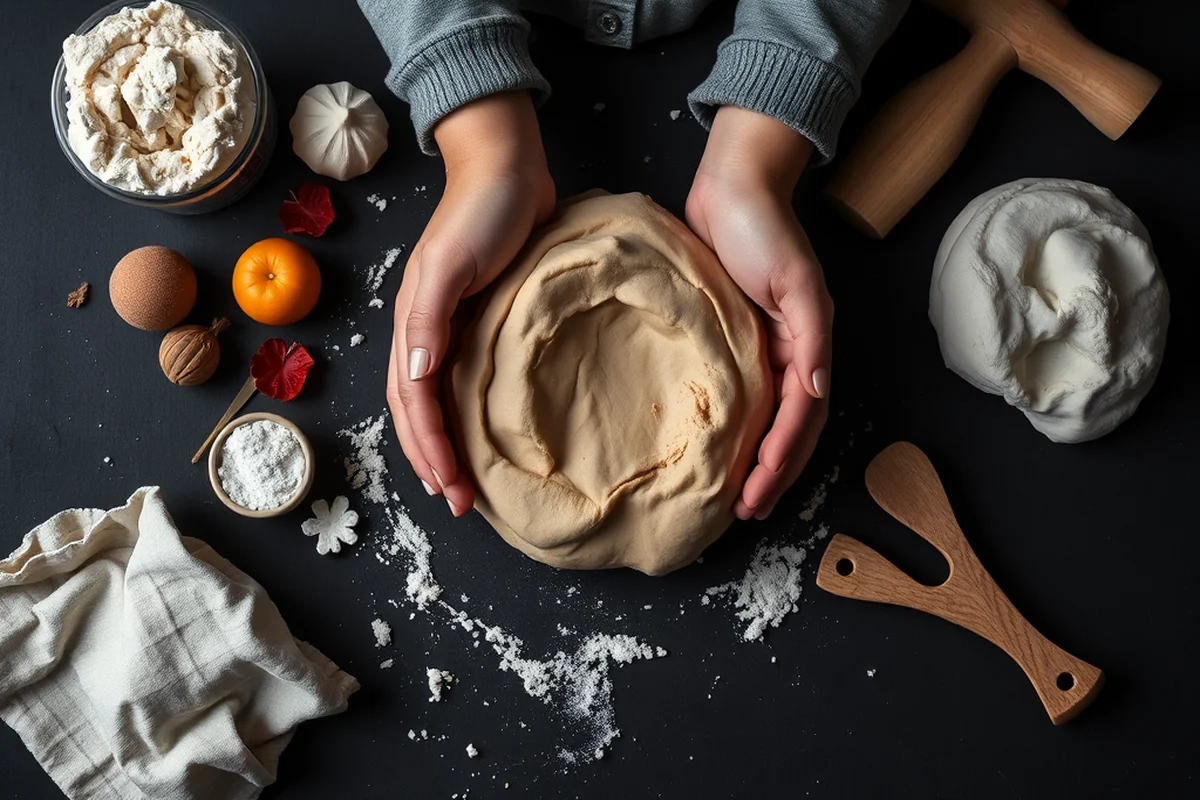
I’ve noticed that when my son is feeling overwhelmed or frustrated, playing with playdough helps him calm down. The repetitive motion of rolling, pressing, and shaping the dough has a soothing effect, similar to the way some children benefit from fidget toys or sensory tools.
For children who are easily distracted or have difficulty focusing, playdough can be a great way to build attention span and patience. It requires concentration and fine motor control, which are essential skills for school readiness. The act of working through a task, like making a specific shape or figure, also helps build perseverance and problem-solving abilities.
In addition to its cognitive benefits, playdough can also be a way for children to express their emotions. When I see my son get frustrated with a shape that won’t hold together, I encourage him to talk about it. This kind of emotional expression is an important part of development, and playdough provides a safe, non-verbal way for kids to process their feelings.
Related: Playdough for 3 year old
Playdough and the Importance of Hands-On Learning
There’s something about the tactile experience of playing with playdough that can’t be replicated through screens or books. It allows children to learn by doing, which is one of the most effective ways for young minds to absorb information. When my son is playing with playdough, he’s not just having fun—he’s learning about shapes, colors, and textures in a way that’s both engaging and memorable.
Hands-on learning is especially important for children who are just beginning to explore their environment. Playdough helps them develop fine motor skills by strengthening the small muscles in their hands and fingers. It also supports the development of hand-eye coordination, which is crucial for tasks like writing and drawing.
Another benefit of hands-on play is that it fosters creativity and imagination. Unlike traditional toys that have a fixed form, playdough is open-ended. It allows children to create whatever they imagine, from simple balls to complex designs. This kind of unstructured play is essential for building problem-solving skills and encouraging innovation.
Related: How to toddler playdough clay
How to Encourage Playdough Play in Different Ages
When my son was two, he was fascinated by the texture of playdough. He would press it with his fingers, squish it, and watch it stretch. At this age, the focus is on sensory exploration and developing a sense of cause and effect. By the time he was three, he was able to roll the dough into balls and snakes, showing an improvement in fine motor skills.
As children grow, they can be encouraged to create more complex shapes and figures. For older children, playdough can be used to practice letter formation, number recognition, or even basic engineering principles. It’s a versatile tool that can be adapted to suit various learning goals.
Parents can also use playdough to teach concepts like symmetry, patterns, and even fractions. For example, my son recently learned about halves and quarters by dividing a piece of playdough into equal parts. This kind of hands-on learning is both fun and educational.
Playdough is a blank canvas that grows with your child, offering new challenges and opportunities at every stage.
Related: Modeling clay vs playdough
The Lasting Impact of Homemade Playdough
Over the years, I’ve noticed how my son’s relationship with playdough has evolved. What started as a simple activity has become a cherished part of our family’s routine. We now have a tradition of making playdough together every weekend, and it’s a time that we all look forward to.
Beyond the immediate fun, homemade playdough has helped my son develop important skills like patience, creativity, and problem-solving. It’s also given us the opportunity to bond and create lasting memories. The playdough recipe for children isn’t just about the material—it’s about the moments it creates.
In a world that’s constantly changing and moving faster, it’s important to find activities that bring families together and slow things down. Homemade playdough is one such activity. It’s simple, safe, and full of potential. Whether you’re making it with your child or using it as a learning tool, the impact it can have is truly lasting.
👶 Gentle Playdough for Toddlers
A softer, less dense version of playdough designed for little hands that are still developing fine motor skills.
⚡ Fast-Track Playdough
A quicker, no-measure version of playdough that’s perfect for parents who want a simple, no-fuss activity.
🧳 Travel Playdough
A portable version of playdough that can be made with minimal ingredients and stored easily for on-the-go play.
👯♀️ Playdough for Multiples
A version of playdough that can be made in bulk, allowing multiple children to play and create together simultaneously.
🔄 Regression Reset Playdough
A sensory-rich version of playdough that can help children work through emotions and reset their moods during challenging times.
Playdough Recipe For Children
Common Questions
Is homemade playdough safe for young children?
Can I make playdough without using salt?
How long does homemade playdough last?
Can I make playdough with my child?
References
- Purpose of playing with play dough - MSU Extension (canr.msu.edu)
- Art and Creativity | Center for Child and Family Studies - UC Davis (ccfs.ucdavis.edu)
- Raw Flour and Dough | Food Safety - CDC (cdc.gov)
- April Web Artists Perhaps you wondered … (cmu.edu)
Cite this guide
Messysenses (2026). Playdough Recipe For Children. https://messysenses.com/playdough-recipe-for-children/
Feel free to cite or share this guide.