
Preschool Process Art
📖 Table of Contents
I remember the first time my daughter smeared paint across the table while I tried to get her ready for preschool. It was messy, chaotic, and I felt like I was failing as a parent. But what I didn’t realize then was that she was engaged in something powerful: process art. Preschool process art is about the journey, not the product, and it’s a cornerstone of creative development. It’s not about getting a perfect finished piece; it’s about the exploration, the experimentation, and the joy of discovery that happens in between.[2]
As a parent, I’ve spent countless hours trying to balance the demands of daily life with the need to nurture creativity in my children. Process art became my go-to solution because it’s flexible, accessible, and incredibly rewarding. Whether it’s mixing colors in a bowl, drawing with fingers on a paper plate, or pressing leaves into clay, process art allows my kids to explore materials in ways that spark curiosity and build confidence. It’s messy, sure, but the learning is profound.[3]
I’ve seen my children go from hesitant scribbles to bold strokes, from hesitant touches to full-on exploration of textures and colors. Process art has taught them problem-solving, perseverance, and self-expression. It’s a practice that doesn’t require expensive materials or elaborate setups. All it needs is a safe space, a few open-ended materials, and the freedom to create. That’s why I’m so passionate about sharing the power of preschool process art with other parents.[4]
Why You'll Love This Approach to Preschool Process Art
- Encourages creativity and self-expression without the pressure of perfection.
- Builds problem-solving skills through open-ended exploration.
- Is affordable and accessible with everyday materials.
- Provides a safe, sensory-rich environment for learning and growth.
What Is Preschool Process Art?
As of September 2026, Preschool process art is a creative approach that lets children explore materials without the pressure of creating a finished product. It’s about the process of discovery, experimentation, and learning through sensory engagement. Unlike structured art projects that have a specific outcome, process art invites children to engage with materials in their own unique way.
This type of art is especially valuable for preschoolers because it aligns with their natural curiosity and desire to explore. It can involve anything from mixing paint to pressing objects into clay, and it encourages children to make choices, solve problems, and express themselves.
The key to process art is its flexibility. You don’t need to plan every detail. Instead, you provide a variety of materials and let the child lead the way. It’s a low-stress, high-reward activity that’s perfect for busy parents.
You don’t need to buy expensive materials to try process art. Use what you already have at home, like paper plates, fabric scraps, and even old magazines.
The Benefits of Preschool Process Art

One of the biggest benefits of process art is that it fosters creativity and self-expression. When children are given the freedom to explore materials without restrictions, they’re more likely to take risks and try new things. I’ve seen my daughter go from hesitant to bold in just a few weeks of regular process art sessions.
In addition to creativity, process art supports the development of fine motor skills. Scooping, pouring, smearing, and pressing all help children strengthen their hand muscles and improve their dexterity. These skills are crucial for writing and other everyday tasks.
Process art also builds confidence. When children see their own unique creations and are celebrated for their efforts, they learn to value their own ideas and abilities. It’s a powerful way to boost self-esteem and encourage a growth mindset.
Process art isn’t about perfection—it’s about possibility.
Related: Art supplies for beginners
Related: Flower process art for toddlers
Related: Art work for toddlers
How to Get Started With Process Art
Getting started with process art is simple. All you need is a few open-ended materials and a space where your child can explore. I usually set up a small table with paper plates, paint, fabric scraps, and even buttons or beads. The key is to provide a variety of materials and let your child choose what they want to work with.
It’s important to create a space that’s safe and comfortable for your child. I like to use a large table or a plastic sheet on the floor so that the mess is contained. This makes cleanup easier and helps your child feel more at ease.
The best part about process art is that it’s flexible. You can do it in a few minutes or spend an hour. It doesn’t have to be perfect, and it doesn’t need to follow any strict rules. Just let your child explore and have fun.
Use non-toxic materials and avoid small objects that could be a choking hazard for young children. Always supervise your child during process art sessions.
“I remember the first time my daughter smeared paint across the table while I tried to get her ready for preschool.”— Messysenses editors
Related: Fall process art for toddlers
Related: Christmas process art for toddlers
Process Art and Sensory Development
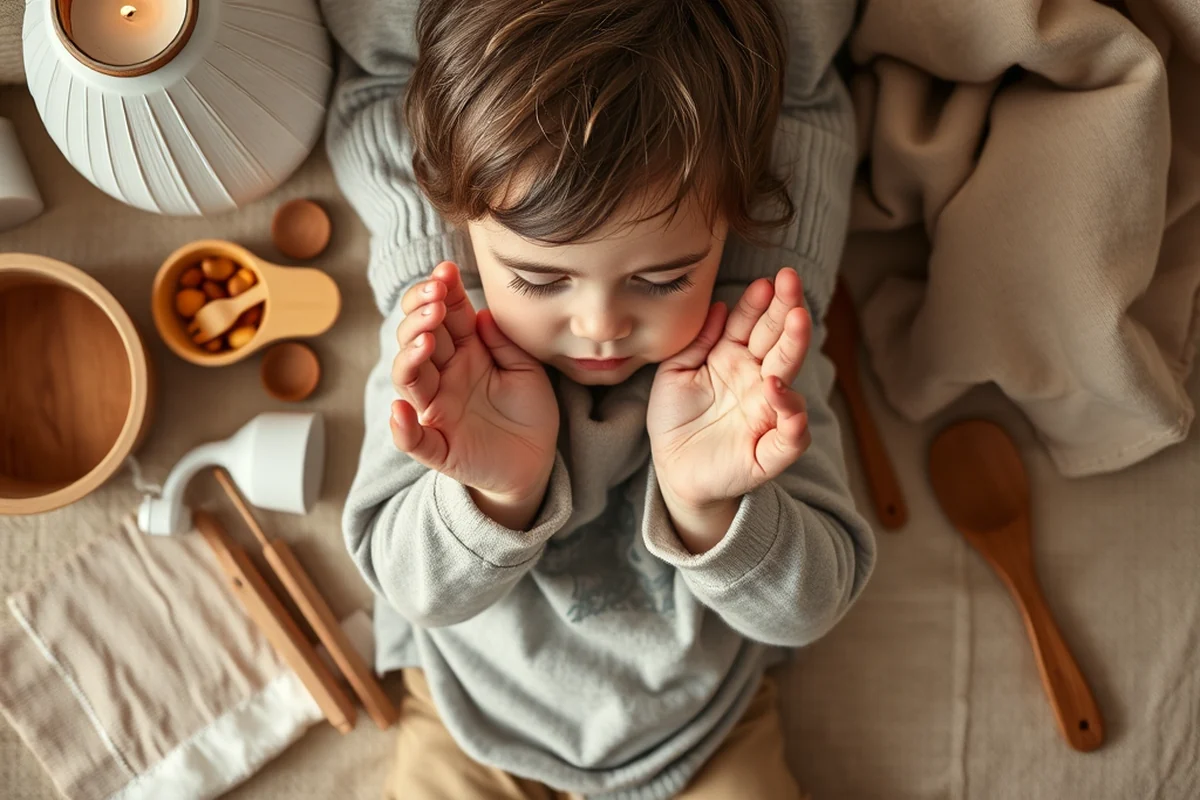
Process art is a powerful tool for sensory development in young children. It engages multiple senses at once, including touch, sight, and even sound. When children press their hands into clay or mix colors in a bowl, they’re not just having fun—they’re learning.
Sensory experiences are crucial for brain development, especially in preschoolers. They help children understand the world around them and build important cognitive skills. I’ve noticed that my daughter is more curious and engaged after process art sessions, and it’s because her senses are being stimulated in a natural way.
In addition to sensory development, process art helps children learn about cause and effect. When they pour water from one container to another or mix colors together, they’re experimenting with how things work. It’s a form of learning that’s both fun and effective.
Making Process Art a Regular Part of Your Routine
Once you’ve seen the benefits of process art, it’s easy to make it a regular part of your routine. I usually set aside one day each week for dedicated process art time, but even 15 minutes a few times a week can make a difference. The key is consistency.[1]
I’ve found that setting up a small process art area in my living room makes it easy to jump in and out of creative time. I’ll often have materials ready to go, so my kids can just grab and start creating without any setup time. It’s a small change that makes a big impact.
Including process art in your routine helps your child build a habit of creative exploration. It also gives you a chance to bond with your child and celebrate their unique expressions. It’s a win-win for both of you.
Tips for Managing the Mess
One of the biggest challenges of process art is the mess, but with a few simple strategies, it’s manageable. I’ve found that using a plastic sheet on the floor or covering a table with paper towels helps contain the mess. It also makes cleanup faster and easier.
Another tip is to use washable materials. I always use washable paints and non-toxic clay, which are easy to clean up. I’ve also found that using a small table or a low surface helps keep the mess contained and makes it easier for my kids to work independently.
Don’t forget to clean up as you go. I usually have a small bin with paper towels and wipes nearby so that I can quickly clean up any spills or smudges. It helps keep the mess to a minimum and makes the whole process more enjoyable.
A little mess is worth a lot of learning.
Encouraging Creativity Through Process Art
Encouraging creativity through process art is all about creating a space where your child feels safe to explore and express themselves. I always make sure to praise my child’s efforts, no matter how small. Even if the result isn’t what I expected, I celebrate their creativity and imagination.
It’s also important to avoid giving too many directions. Process art is about letting your child lead the way. I’ve found that stepping back and letting my child take the lead helps them feel more confident and in control of their own creative process.
By encouraging creativity through process art, you’re helping your child build important skills that will benefit them throughout their lives. It’s a powerful way to nurture their imagination and self-expression.
🎨 Gentle Process Art
Focus on slow, sensory-rich exploration with minimal materials and a calm environment.
⏱️ Fast-Track Process Art
Quick sessions with high-energy materials like playdough or water to keep your child engaged in a short time.
🧳 Travel/away-from-home Process Art
Use portable, easy-to-clean materials that can be used on the go, like mini paint palettes or finger paints in travel-sized containers.
👶 Multiples Process Art
Set up multiple small stations so that each child can explore independently or with siblings.
🔄 Regression Reset Process Art
Use process art as a way to reset and reengage children who are feeling overwhelmed or resistant to creative activities.
| The mistake | Why it happens | The fix |
|---|---|---|
| Trying to control the outcome too much | Process art is about the journey, not the product. Trying to guide your child toward a specific result can discourage creativity and exploration. | Let your child lead the way. Encourage them to make choices and explore freely without setting too many expectations. |
| Using too many materials at once | Too many materials can be overwhelming for young children and make it hard for them to focus on any one activity. | Limit the number of materials to a few simple items. Let your child choose what they want to work with. |
| Not cleaning up as you go | Leaving a mess can make it harder to continue the activity and may discourage your child from exploring in the future. | Clean up as you go. Have a small cleanup bin nearby and take a few minutes to tidy up after each session. |
| Forcing your child to participate | Process art is about creativity and self-expression. Forcing your child to participate can make them feel pressured and less likely to enjoy the activity. | Encourage, but don’t force. Let your child explore at their own pace and celebrate their efforts, no matter how small. |
Preschool Process Art
Common Questions
What materials do I need for preschool process art?
How long should a process art session last?
Can I do process art with multiple children?
How do I keep the mess under control?
References
- Toward Creativity Do Theatrical Experiences Improve Pretend Play ... (arts.gov)
- Creating a Meaningful Art Curriculum for Young Children | NAEYC (blogs.millersville.edu)
- Why art is important for early childhood development - Child ... (canr.msu.edu)
- Hello Toddler 1 families! - Child Development and Family Center - (cdfc.news.niu.edu)
Cite this guide
Messysenses (2026). Preschool Process Art. https://messysenses.com/preschool-process-art/
Feel free to cite or share this guide.