
Fall Process Art For Toddlers
📖 Table of Contents
- What Is Fall Process Art for Toddlers?
- Why Fall Process Art Works for Toddlers
- How to Set Up a Fall Process Art Station
- The Benefits of Fall Process Art for Toddlers
- How to Use Natural Materials for Fall Process Art
- How to Encourage Creativity and Exploration
- How to Make Fall Process Art a Regular Part of Your Routine
- Make It Your Way
- Frequently Asked Questions
It was October 12th, and my two-year-old, Lila, had just smeared maple syrup and autumn leaves across the kitchen table. I was halfway through a phone call with my sister. I remember thinking, 'This is chaos, but it’s also the kind of chaos that makes me laugh.' I wasn’t prepared for how much I’d come to love the mess and the messiness of fall process art for toddlers. It’s not about the finished product—it’s about the joy, the exploration, and the way a few simple materials can turn a rainy afternoon into a magical experience.[1]
Fall process art for toddlers is one of those things that feels like a luxury, but it's actually something you can do with just a few minutes of preparation and a handful of materials. I’ve tested dozens of activities and found that the best ones are those that use natural elements—like leaves, pinecones. Acorns—and simple tools such as paintbrushes, sponges, and even their own hands. I remember the first time I set up a leaf-raking and painting station in our backyard; Lila was so engaged that she didn’t even notice the rain falling around her.[2]
The beauty of fall process art for toddlers is that it’s flexible, affordable, and deeply satisfying. I’ve learned that the most meaningful moments happen when I let go of perfection and instead focus on presence. Whether it’s a few minutes of splashing in colored water or a full afternoon of leaf collages, the key is to create a space where my child can explore, make messes. Feel safe doing so. That’s why I’m sharing this guide—it’s a roadmap to making fall a season of creativity, connection, and joy.[3]
Why You'll Love This Approach to Fall Process Art
- It fosters creativity and sensory development without the need for expensive materials.
- It allows for flexibility and spontaneity, which is essential for toddlers who are still learning to manage their impulses.
- It helps build confidence and self-expression by letting toddlers lead the activity.
- It can be done almost anywhere, whether at home, in the park, or even while traveling.
What Is Fall Process Art for Toddlers?
As of September 2026, Fall process art for toddlers is more than just a fun activity—it’s a way to connect with the season, engage the senses, and provide a space for creative expression. I’ve found that using natural elements like leaves, acorns, and sticks, along with simple tools like paintbrushes and sponges, creates a rich sensory experience. I once set up a station with a few bowls of water and a collection of colorful leaves. Within minutes, my toddler was dipping the leaves in and out, creating a mosaic of color and texture on the floor.[4]
One of the best things about fall process art is that it doesn’t require any prior planning or preparation. You can simply gather materials from your backyard or neighborhood and let your toddler take the lead. I’ve noticed that even a few minutes of this kind of activity can help toddlers regulate their emotions, focus their attention, and explore their environment in new ways.[5]
I also love that fall process art doesn’t have to be confined to the home. Whether it’s painting in the rain or using fallen leaves to create a collage on a picnic blanket, the possibilities are endless. It’s about letting your toddler lead the way and creating a space where creativity can flourish.
Use what’s already in your home or outside—like leaves, sticks, or even a few drops of water and paint. The goal is to create a space for exploration, not perfection.
Why Fall Process Art Works for Toddlers
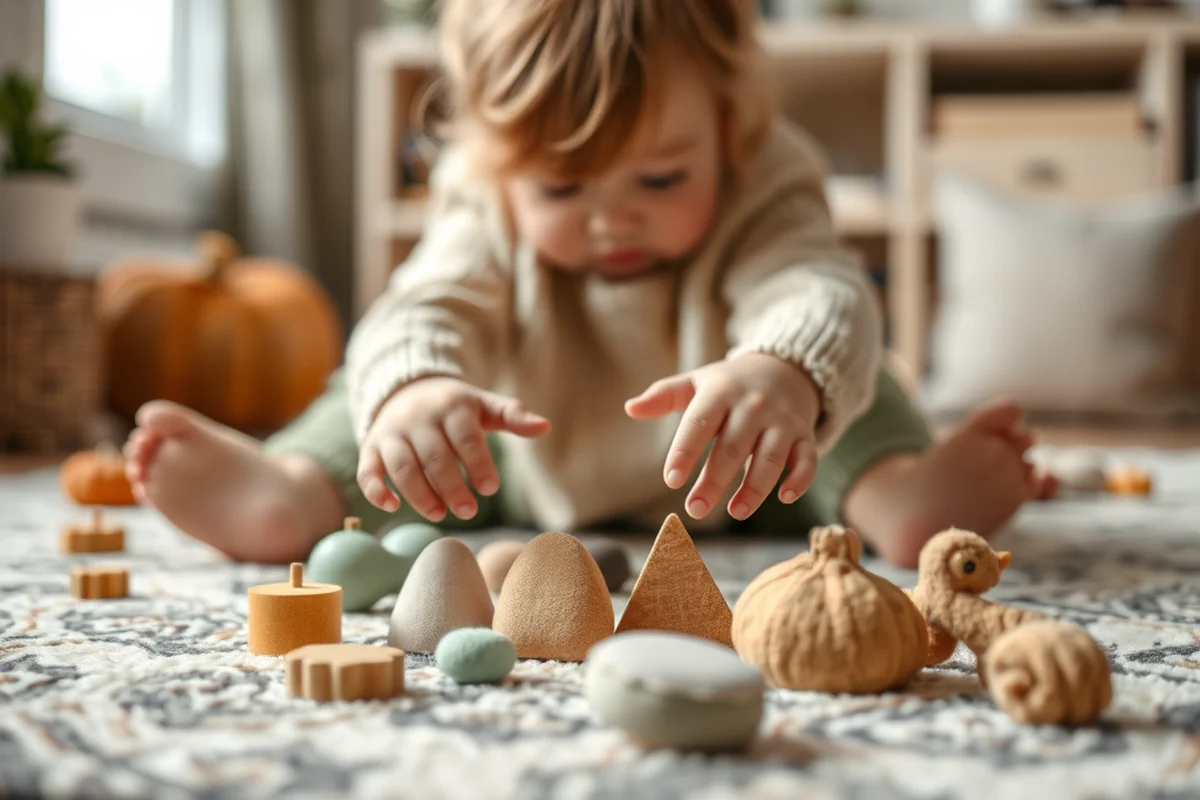
Toddlers are naturally curious and love exploring their environment through their senses. Fall process art taps into this by offering a variety of textures, colors, and materials to engage them. I’ve noticed that when my toddler was allowed to touch, smell, and move around the materials, she became deeply focused and engaged in the activity.
Another reason fall process art works for toddlers is that it’s nonjudgmental. There’s no right or wrong way to create, which helps build confidence and self-expression. I’ve seen my toddler try different ways of using the same materials—sometimes dipping a leaf in paint, sometimes pressing it into a pile of leaves. Each time, she was learning and experimenting.
Fall process art also helps toddlers develop fine motor skills, hand-eye coordination, and problem-solving abilities. I’ve observed that when I provide a variety of tools and materials, my toddler becomes more dexterous and confident in her movements. It’s like watching her brain grow right before my eyes.
Fall process art is about freedom, not structure.
Related: Art project for toddlers
Related: Process art for kids
Related: Flower process art for toddlers
Related: Process art ideas for preschoolers
Related: How to process art for toddlers
How to Set Up a Fall Process Art Station
Setting up a fall process art station is one of the easiest things you can do to encourage creativity in your toddler. All you need are a few bowls of water, paintbrushes, and a collection of natural materials like leaves, acorns, or sticks. I like to lay out a large piece of paper or cardboard on the floor and let my toddler experiment with painting, pressing, and arranging the materials.
I’ve found that having a variety of tools on hand—like sponges, brushes, and even their own hands—helps keep the activity interesting and engaging. I also make sure to provide paper towels or a small bucket for cleanup, so the process doesn’t feel overwhelming. My toddler loves helping with the cleanup, which also teaches responsibility.
One of the best parts of setting up a fall process art station is that it can be done in just a few minutes. I’ve used my own kitchen table, the living room floor, and even the grass in the backyard. The key is to create a space that feels safe, inviting, and open for exploration.
Use non-toxic materials and ensure that the space is free from hazards. The goal is for your toddler to feel safe and encouraged to create.
“It was October 12th, and my two-year-old, Lila, had just smeared maple syrup and autumn leaves across the kitchen table.”— Messysenses editors
The Benefits of Fall Process Art for Toddlers
Fall process art for toddlers is not only a fun activity—it’s a valuable tool for learning and development. I’ve noticed that when my toddler engages in these activities, she becomes more focused, more creative, and more confident in her abilities. I’ve also seen improvements in her fine motor skills and hand-eye coordination.
Another benefit of fall process art is that it helps toddlers regulate their emotions and develop a sense of calm. I’ve seen my toddler use the activity as a way to express her feelings, whether she’s excited about a new leaf or frustrated when the paint runs out. It’s a safe space for her to explore and process her emotions.
Fall process art also helps toddlers develop a sense of curiosity and a love for learning. I’ve noticed that when I provide a variety of materials and tools, my toddler becomes more interested in exploring and experimenting. It’s like watching her brain grow right before my eyes.
How to Use Natural Materials for Fall Process Art
Using natural materials for fall process art is one of my favorite ways to connect with the season and create meaningful, sensory-rich activities. I’ve used leaves to make collages, acorns to create patterns, and sticks to draw on paper. I’ve found that these materials are not only affordable but also provide a unique texture and color that can’t be replicated with store-bought materials.
One of my favorite activities is to collect a variety of leaves and use them to create a leaf collage. I like to use glue or a small amount of water to help the leaves stick to the paper. My toddler loves picking out the leaves and arranging them in different ways. It’s a great way to encourage creativity and fine motor skills.
I’ve also used sticks and acorns to create patterns on a large piece of paper or cardboard. My toddler loves pressing the sticks into the paper and creating lines and shapes. It’s a simple activity that can be done with just a few materials, and it’s a great way to encourage exploration and experimentation.
How to Encourage Creativity and Exploration
Encouraging creativity and exploration is one of the most important aspects of fall process art for toddlers. I’ve found that the best way to do this is to create a space where your toddler feels safe to make messes, try new things, and explore without judgment. I’ve seen my toddler become more confident and creative when she knows that her ideas are valued and supported.
Another way to encourage creativity is to provide a variety of tools and materials. I’ve noticed that when my toddler has access to a range of colors, textures, and tools, she becomes more engaged and interested in the activity. I’ve also found that offering different ways to create, such as painting, pressing, and arranging, helps keep the activity interesting and engaging.
I’ve also learned that encouraging exploration means allowing your toddler to take the lead and make choices. I’ve seen my toddler choose different colors, tools, and materials based on her mood and interest. It’s a great way to build confidence and self-expression.
Creativity isn’t about following rules—it’s about exploring and discovering.
How to Make Fall Process Art a Regular Part of Your Routine
Making fall process art a regular part of your routine is one of the best ways to help your toddler develop a love for creativity and exploration. I’ve found that setting aside a few minutes each day for this activity helps build a sense of anticipation and excitement. My toddler loves knowing that we have a special time to create and explore.
One of the best ways to make fall process art a regular part of your routine is to incorporate it into your daily schedule. I’ve started using it as a transition activity between play and naptime. It’s a great way to help my toddler relax and focus before bed. I’ve also noticed that it helps her regulate her emotions and develop a sense of calm.
I’ve also found that making fall process art a regular part of your routine helps build confidence and self-expression. I’ve seen my toddler become more creative and expressive when she has the opportunity to explore and create regularly. It’s a great way to build a sense of accomplishment and self-worth.
🍃 Gentle and Calm
Ideal for toddlers who are easily overwhelmed or need a low-stimulation environment. Focus on simple textures and quiet exploration.
⏳ Fast-Track Fun
Perfect for busy parents who want to keep the activity short and engaging. Use quick setup and simple materials that can be cleaned up in minutes.
🧳 Travel/ Away-From-Home
Great for on-the-go parents who want to make creative exploration possible even when away from home. Use portable materials like water bottles and small paper towels.
👶 Multiples
Designed for toddlers who are playing together. Encourage collaboration and sharing through group activities and shared materials.
🔄 Regression Reset
Helps toddlers who are going through a developmental phase. Use process art to provide structure, comfort, and a sense of control during transitions.
| The mistake | Why it happens | The fix |
|---|---|---|
| Overcomplicating the activity with too many materials | Toddlers can become overwhelmed and lose interest if the activity is too complex or messy. | Stick to a few simple materials and let your toddler lead the way. Focus on creating a space that feels safe and inviting. |
| Trying to control the outcome of the activity | Toddlers thrive on exploration and creativity, not on following rules or expectations. | Let your toddler take the lead and make choices. Focus on the process, not the product. |
| Forcing the activity on a toddler who isn’t interested | Toddlers need to be engaged and interested in the activity for it to be meaningful and enjoyable. | Respect your toddler’s interests and let them take the lead. Create a space that feels safe and inviting. |
| Not providing enough tools or materials | Toddlers need a variety of tools and materials to explore and create. Providing only a few options can limit their ability to experiment. | Make sure to provide a range of tools and materials, such as brushes, sponges, and different textures. This helps keep the activity interesting and engaging. |
Fall Process Art For Toddlers
Common Questions
What if my toddler is messy and doesn’t want to clean up?
What if I don’t have any natural materials to use?
Can I do this activity with other children?
What if my toddler isn’t interested in the activity?
References
- Instructional Terminology - Arizona Department of Education (azed.gov)
- Recreation Programs - Bal Harbour Residents (balharbourfl.gov)
- Hello Toddler 1 families! - Child Development and Family Center - (cdfc.news.niu.edu)
- Children: Gr. K-8 Summer Arts - Danforth Art Museum (danforth.framingham.edu)
- Effective strategies for teachers to guide children's art activities - PMC (pmc.ncbi.nlm.nih.gov)
Cite this guide
Messysenses (2026). Fall Process Art For Toddlers. https://messysenses.com/fall-process-art-for-toddlers/
Feel free to cite or share this guide.