
Process Art For Kids
📖 Table of Contents
- What is Process Art for Kids?
- The Benefits of Process Art for Kids
- How to Create a Process Art Space at Home
- How to Encourage Process Art Without Over-Steering
- How to Handle the Mess of Process Art
- How to Involve the Whole Family in Process Art
- How to Use Process Art for Emotional Regulation
- Make It Your Way
- Frequently Asked Questions
I remember the first time my daughter dipped her fingers into a pool of watercolor paint and let her fingers smear the colors across a paper plate — it was messy, it was loud. It was magical. That was my first real introduction to process art for kids. Process art for kids is not about the final product or the perfection of the piece; it's about the journey, the sensory experience. The unfiltered expression that comes from letting children explore with their hands, minds, and hearts.
As a parent, I used to worry that my kids weren't making 'art' in the traditional sense — they didn't draw straight lines or color within the lines. But then I realized that process art for kids is not about making a picture. It's about making a memory, about building confidence through exploration, and about allowing kids to engage with the world in a way that feels safe, creative, and deeply personal.
Through process art for kids, my children have learned to trust their instincts, to think outside the box, and to embrace messiness as part of the learning process. It's not always about the outcome — it's about the moments. It's about the way the paint smells, the way the texture feels under their fingers, and the way their eyes light up when they discover something new. Process art for kids is a way to let them be themselves, without judgment, without correction, and without the pressure of perfection.[1]
Why You'll Love This Approach to Art for Kids
- Encourages unstructured creativity and self-expression
- Builds confidence through exploration, not perfection
- Offers a calming and sensory-rich activity for children
- Creates lasting memories through shared creative time
What is Process Art for Kids?
As of September 2026, Process art for kids is about the journey, not the destination. It allows children to explore materials, textures. Colors without the pressure of making something 'perfect.' This form of art is particularly beneficial for younger children who are still developing their fine motor skills, cognitive thinking, and emotional regulation.[2]
I've seen my son transform a pile of paper towels and glue into a three-dimensional sculpture with no plan or structure. It was messy, but it was also a moment of pure joy and discovery. There was no need for instructions, no need for correction — just the freedom to explore and create.
The beauty of process art for kids lies in its flexibility. It can be done with simple materials like paper, crayons, and glue, or with more complex ones like clay and paint. The key is to let the child lead the way, to trust their instincts, and to allow them to explore without judgment.
Keep it simple: paper, markers, and glue can be just as engaging as paint and clay.
The Benefits of Process Art for Kids
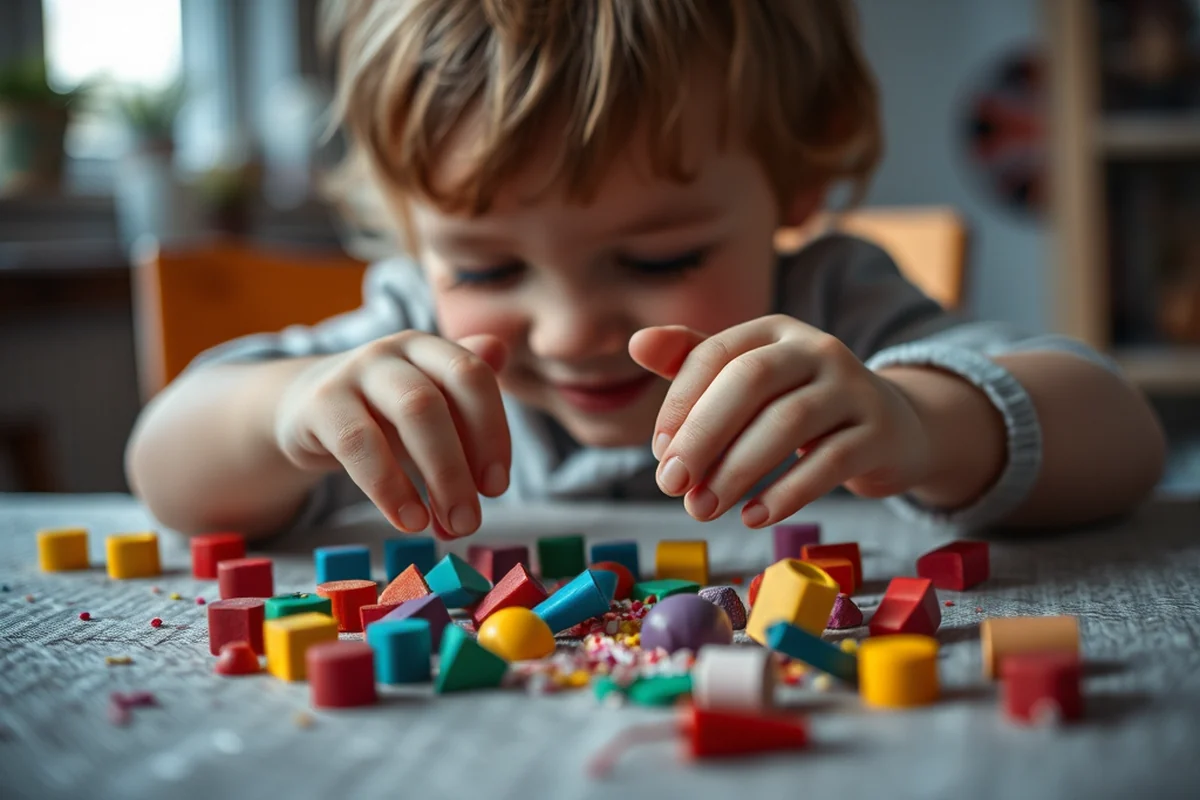
Process art for kids supports emotional, cognitive, and sensory development. It gives children a safe space to express their emotions, to experiment with materials, and to build confidence through creative exploration. It's not just about making art — it's about making sense of the world.
One morning, my daughter was feeling overwhelmed and frustrated. Instead of telling her to calm down, I handed her a piece of paper and a set of markers. Within minutes, she was drawing shapes and patterns, and her mood had shifted from frustration to calm. That was the power of process art for kids — it helped her express her feelings in a way that felt safe and natural.
Through process art for kids, children can learn to think critically, to solve problems, and to find their own unique way of expressing themselves. It's a form of learning that is deeply personal and deeply impactful.
Art is not just for the finished product — it's for the journey.
Related: Art work for toddlers
Related: Infant process art ideas
Related: Easy process art for toddlers
Related: Fall process art for toddlers
Related: How to process art for toddlers
How to Create a Process Art Space at Home
Creating a dedicated process art space at home can help children feel more comfortable and confident in their creative exploration. I set up a small table in our living room with paper, markers, and glue — it became a favorite spot for my kids to play and create.
The key to a successful process art space is to keep it open and flexible. I don't limit the materials to just paint and paper — I add things like fabric, leaves, and even buttons. This way, the kids can explore different textures and materials, and they can create something that feels unique and personal to them.
I've found that having a process art space encourages creativity and exploration in a way that other activities can't. It gives my kids the freedom to create, to make mistakes, and to try again — without fear of judgment.
Allow your child to choose the materials and the way they want to create — it's about their preferences, not yours.
“I remember the first time my daughter dipped her fingers into a pool of watercolor paint and let her fingers smear the colors across a…”— Messysenses editors
How to Encourage Process Art Without Over-Steering
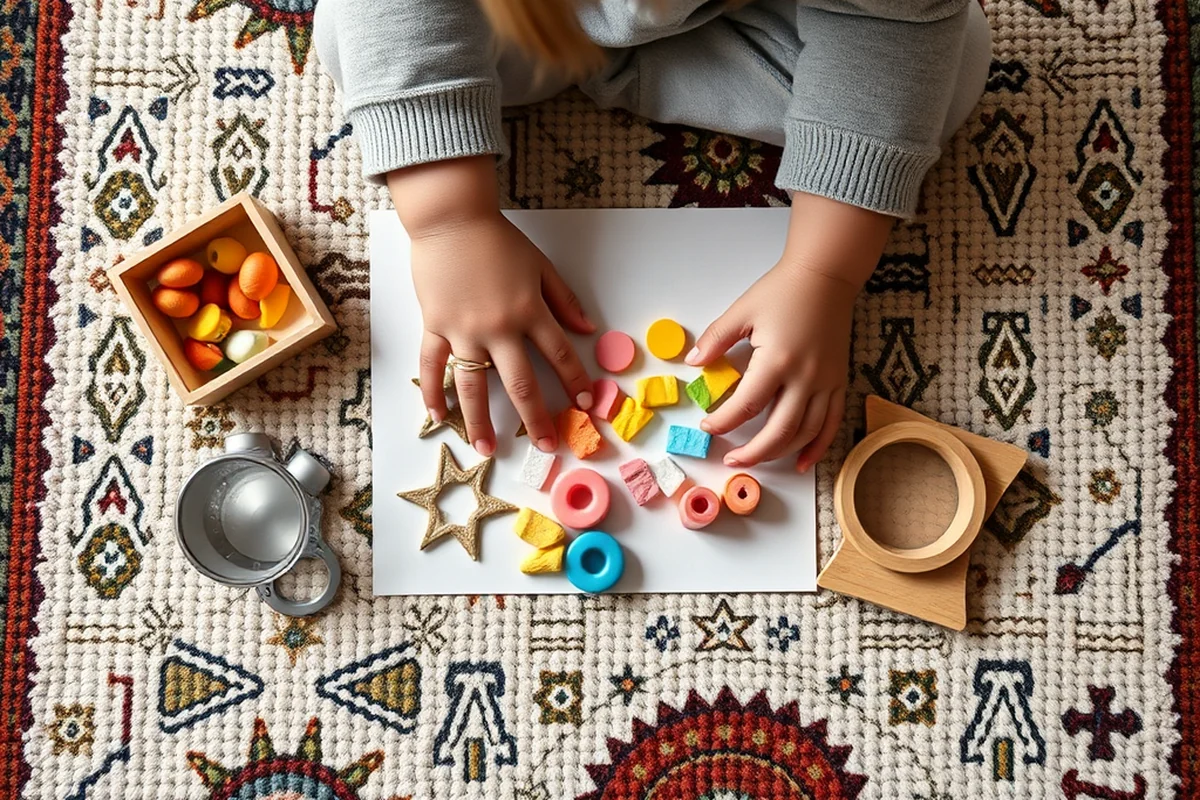
One of the most important things I've learned about process art for kids is to let them take the lead in the creative process. I used to think I needed to guide them, to show them what to do. But now I realize that process art for kids is about letting them explore on their own terms.
I've seen my son create entire worlds with just a few pieces of paper and glue — he didn't need me to tell him what to make. He had his own vision, and it was beautiful. Sometimes, the best art comes from the places where we let go of control and trust our children's instincts.
Encouraging process art without over-steering can be challenging, but it's also incredibly rewarding. It builds confidence, fosters independence, and allows your child to express themselves in a way that feels authentic and meaningful to them.
How to Handle the Mess of Process Art
One of the biggest challenges of process art for kids is dealing with the mess. I remember the first time I let my daughter use paint — the table was covered in color, the floor was a mess, and I was completely overwhelmed. But then I realized that the mess was part of the experience, not the problem.
I've found that the best way to handle the mess is to accept it and make it part of the process. I now have a dedicated area for process art, and I make sure to clean up after each session. It's not always perfect, but it's manageable — and it's a part of the experience that my kids love.
The mess is a natural part of the process. It's a way to explore, to create, and to learn. And it's a part of the experience that I now embrace, rather than try to avoid.
How to Involve the Whole Family in Process Art
One of the best things about process art for kids is that it can be a shared family experience. It's a way to bond, to explore together, and to create something that's meaningful to all of us. I've found that when the whole family gets involved, the process becomes even more engaging and fun.
We started a weekly process art night where the whole family would gather and create something together. It became a favorite tradition — we would all sit around the table, and we would use whatever materials we had on hand. It didn't have to be perfect — it just had to be something we all enjoyed.
Involving the whole family in process art is a great way to build connection, to foster creativity, and to create lasting memories. It's a way to show your children that art is something that can be shared, that it's something that can be enjoyed by everyone.
Art is not just for kids — it's for the whole family.
How to Use Process Art for Emotional Regulation
One of the most surprising benefits of process art for kids is its ability to help with emotional regulation. I've seen my daughter use process art as a way to express her feelings — whether she's angry, sad, or excited. It's a safe and non-verbal way for her to process her emotions.
Sometimes, my son will sit at the table for hours, creating something that has no clear purpose or design. But I know that it's helping him to think through something — whether it's a problem at school or a feeling he can't put into words. Process art for kids is a way to give them a voice, even when they don't have the words to say it.
Using process art as a tool for emotional regulation can be incredibly powerful. It's a way to help children express themselves, to process their emotions, and to find a sense of calm and control in a world that can sometimes feel overwhelming.
🎨 Gentle Process Art
A low-stimulus version of process art that's ideal for sensitive or younger children.
⏱️ Fast-Track Process Art
A quick and easy version of process art that can be done in just a few minutes.
🧳 Travel/away-from-home Process Art
A portable and mess-free version of process art that's perfect for trips and outings.
👨👦 Process Art for Multiples
A version of process art that's designed to be shared and enjoyed by multiple children at once.
🔄 Regression Reset Process Art
A version of process art that can help children who are going through a developmental regression or emotional challenge.
| The mistake | Why it happens | The fix |
|---|---|---|
| Trying to make the art look like something specific | It can stifle creativity and make the child feel pressured to produce a specific result. | Let the child lead the way — focus on the process, not the product. |
| Cleaning up too quickly after the session | It can make the child feel like the mess is bad and that they're being corrected for it. | Accept the mess as part of the experience — clean up after the session, but not during it. |
| Trying to control the creative process too much | It can make the child feel like they're not in control of their own creativity. | Let the child take the lead — be a guide, not a director. |
| Assuming the child doesn't want to participate | It can prevent the child from exploring and discovering new things through process art. | Encourage participation, but never force it — let the child decide if they want to create or not. |
Process Art For Kids
Common Questions
How do I know if my child is ready for process art?
What materials do I need to get started with process art for kids?
How long does a typical process art session last?
Is process art for kids messy?
References
- Ages and Stages of Development - California Department of Education (cde.ca.gov)
- first class pre-k guidelines 2024-2025 - children.alabama.gov (children.alabama.gov)
Cite this guide
Messysenses (2026). Process Art For Kids. https://messysenses.com/process-art-for-kids/
Feel free to cite or share this guide.