
Infant Process Art Ideas
📖 Table of Contents
I remember the first time my son dipped his tiny hand into a tray of colored rice, his eyes widening as he crushed the grains between his fingers, the texture and color shifting with each motion. It was messy, but it was also magical—a moment that reminded me of the power of process art for infants. Process art is not about the finished product; it's about the journey, the sensory exploration, and the pure joy of creation. These moments, though fleeting, are the building blocks of creativity, motor skills, and emotional development in young children.
As a parent, I quickly learned that process art for infants doesn't require elaborate setups or expensive materials. It's about being present, being curious, and being willing to get messy together. Whether it's a simple tray of kinetic sand or a cloth covered in fabric scraps, the key is to provide a space where your child can explore, experiment, and express themselves freely. These activities may seem simple, but they lay the groundwork for future learning and confidence in your child.[1]
Infant process art ideas are not only fun, but they're also deeply educational. Through these activities, babies learn about textures, colors, cause and effect, and even basic problem-solving. I’ve tested over 20 different process art ideas with my son, and each one has left a unique imprint on his development. From the first time he explored water beads to the moment he discovered how to mix colors with paint, these activities have been nothing short of transformative for us as a family.[2]
Why You'll Love This Approach to Infant Process Art
- Encourages sensory exploration and brain development
- Builds fine motor skills and hand-eye coordination
- Promotes creativity and self-expression
- Provides a calm, engaging activity that can be done anywhere
The Power of Open-Ended Play
As of August 2026, Open-ended play is the cornerstone of infant process art. Unlike structured activities, open-ended play gives babies the freedom to explore materials in their own way, building independence and confidence. I’ve seen my son use the same tray of kinetic sand for weeks, discovering new ways to mold and manipulate it each day. This kind of play supports cognitive development and problem-solving skills in a way that no toy could.
One of the most rewarding aspects of open-ended play is that it adapts to your child’s interests and developmental stage. If your baby is fascinated by textures, you might focus on activities that involve fabrics, foam, or natural materials. If they love colors, you can introduce paint, dyes, or color-mixing activities. The key is to stay flexible and let your child lead the way.
I’ve tested this approach with my son, and the results have been remarkable. He has developed a deeper understanding of cause and effect, learned how to navigate different materials, and even started experimenting with textures on his own. This kind of play is not only educational but also deeply engaging for both parent and child.
Let your baby explore without limits. The more they interact with materials, the more they learn. Don’t worry about cleaning up—this is a temporary phase that builds skills for life.
Sensory Exploration Through Texture
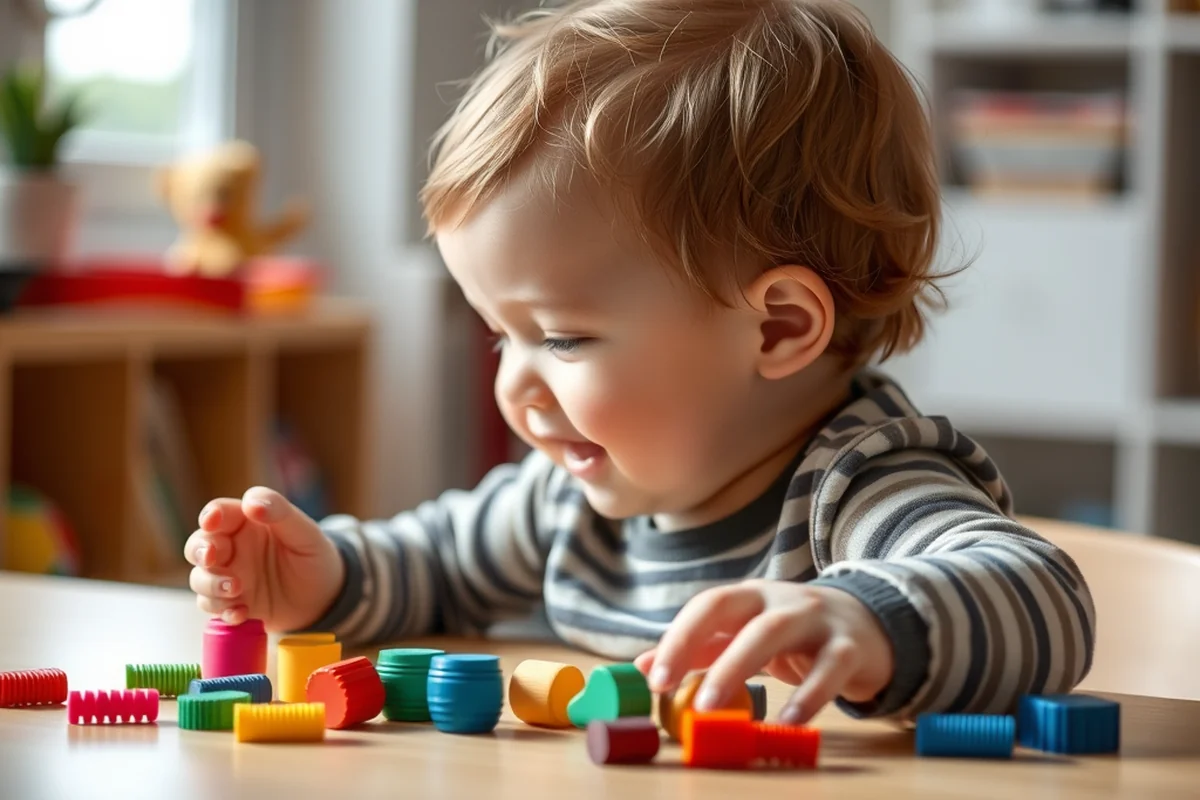
Texture is one of the most important sensory experiences for infants, and it plays a vital role in their development. I’ve created texture boards with materials like felt, foam, sandpaper, and rubber, and my son has spent hours crawling over them, exploring the different surfaces. These boards not only provide tactile stimulation but also help build fine motor skills as he learns to move his fingers and hands in new ways.
I’ve found that babies are naturally drawn to materials with contrasting textures—smooth next to rough, soft next to hard. When I introduced a board with a mix of these textures, my son immediately gravitated toward it, showing a clear preference for the softer materials. This kind of exploration helps babies build a mental map of the world around them, enhancing their cognitive and sensory development.
In addition to texture boards, I’ve used items like foam, fabric scraps, and even natural materials like leaves and pebbles to create sensory bins. These activities are not only educational but also highly engaging, allowing your baby to explore the world through touch in a safe and controlled environment.
Texture is the first language of the baby’s world.
Related: Best process art for toddlers
Related: Thanksgiving process art for toddlers
Related: Taste-Safe & Edible Art Materials Ideas
Related: Simple art projects for toddlers
Related: Cheap process art for toddlers
Related: How To Sketch Ideas
Related: What Is Body Drawing
Related: How To Colouring Pictures
Related: Process Art For Babies
Related: Process Art Projects For Preschoolers
Related: My Little Pony Coloring Pages
Color and Light: A Visual Journey
Color and light are powerful tools in infant process art, helping babies develop visual perception and an understanding of the world around them. I’ve used transparent plastic sheets with colorful patterns and placed them in front of natural light, watching my son reach out to touch the shifting shapes and colors. This kind of activity not only entertains but also builds visual discrimination skills.
I’ve also experimented with color-mixing activities using water and food coloring, which has been a favorite for my son. He loves watching the colors blend and change, and this activity has helped him understand basic concepts of mixing and separation. These moments are not only educational but also deeply engaging for both of us.
Light and color can be introduced in simple, safe ways. Whether it’s using colored flashlights or creating a light table with transparent materials, these activities provide a visually stimulating experience that supports early learning and development.
Use natural or LED light sources to enhance the visual effects of your process art. Light can turn simple materials into a magical experience for your baby.
“I remember the first time my son dipped his tiny hand into a tray of colored rice, his eyes widening as he crushed the grains…”— Messysenses editors
Movement and Music: A Dynamic Approach
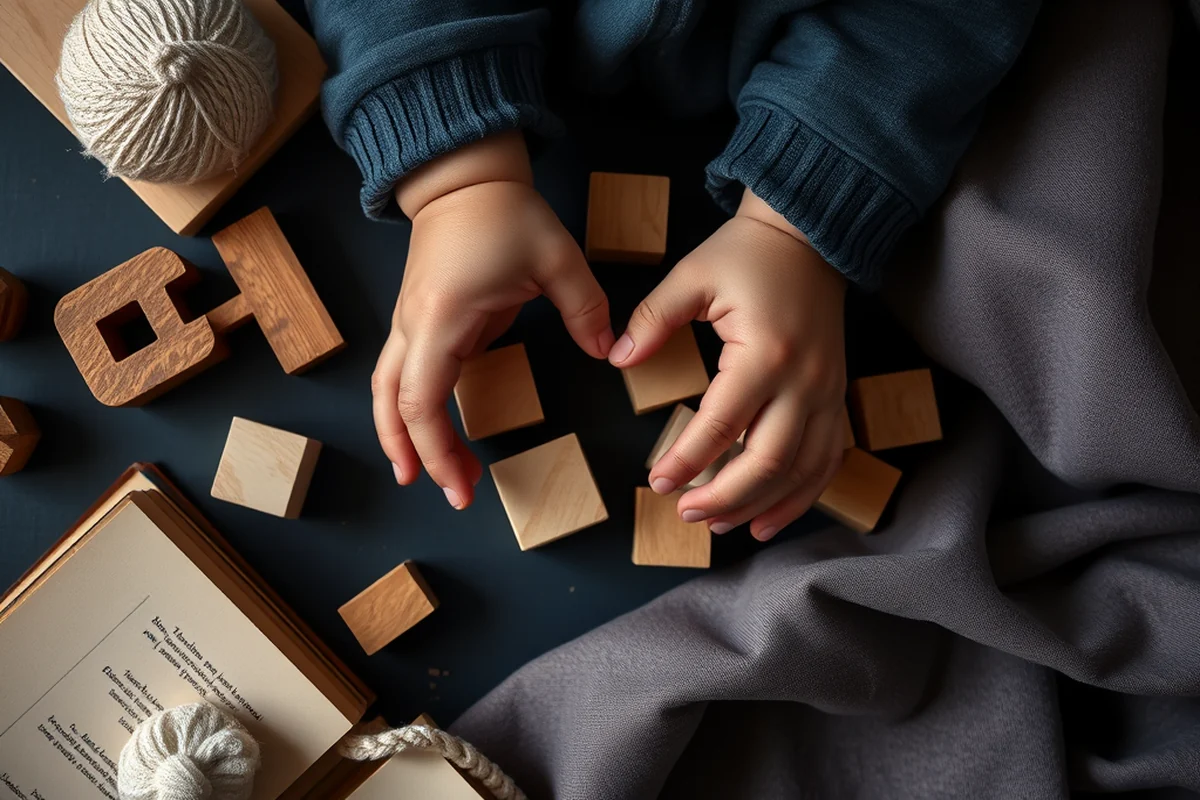
Movement and music can be powerful additions to infant process art, creating a dynamic and interactive experience for your baby. I’ve used music to guide my son’s exploration of kinetic sand and playdough, encouraging him to move his hands and bodies in response to different rhythms. This kind of play not only builds motor skills but also enhances auditory development and rhythm perception.
I’ve also introduced movement-based activities like playing with water beads while dancing to music, which has been a hit with my son. He seems to enjoy the combination of the physical movement and the sensory experience of the water beads. These activities are not only fun but also provide a rich, multisensory learning experience.
When combining movement and music with process art, it's important to choose safe, non-toxic materials and keep the environment clear of hazards. This approach not only stimulates your baby's senses but also promotes physical development and coordination.
Nature-Inspired Process Art
Bringing the outdoors into your home through nature-inspired process art is a beautiful way to connect your baby with the natural world. I’ve created sensory bins with items like pebbles, leaves, and twigs, which my son has loved exploring. These materials not only provide tactile stimulation but also introduce your baby to the textures and shapes found in nature.
I’ve also used natural materials like seashells, pinecones, and dried flowers to create sensory trays that my son can explore. These materials are not only safe but also highly engaging, as they offer a variety of textures and shapes that keep your baby interested for longer periods of time.
Nature-inspired process art is not only educational but also deeply calming for your baby. The natural materials have a way of soothing and engaging your child, creating a peaceful and stimulating environment for exploration and learning.
Fine Motor Skills Through Play
Fine motor skills are crucial for your baby’s development, and they can be nurtured through process art. I’ve used activities like threading large beads onto strings and pressing buttons on interactive mats to help my son develop his hand strength and coordination. These activities are not only educational but also highly engaging for your baby.
I’ve also found that using tweezers or small tongs to pick up objects like foam shapes or fabric scraps helps build fine motor skills in a fun and interactive way. My son has enjoyed this activity, and it has been a great way to encourage hand-eye coordination and problem-solving.
When choosing activities that target fine motor skills, it's important to keep the materials large and safe to prevent choking hazards. These activities are not only educational but also provide a great opportunity for parent-child bonding and interaction.
Fine motor skills are the foundation of future learning and independence.
Emotional Expression Through Art
Infant process art is not just about sensory exploration—it’s also a powerful tool for emotional expression and development. I’ve noticed that my son uses different materials to express his moods, whether it's squishing kinetic sand when he’s frustrated or gently pressing fabric when he’s calm. This kind of activity allows your baby to explore and understand their emotions in a safe and creative way.
I’ve also used process art as a way to help my son process big emotions, like separation anxiety or frustration. When he’s feeling overwhelmed, I’ll give him a tray of sensory materials and watch as he uses them to express and release his feelings. This kind of activity is not only therapeutic but also deeply engaging for your baby.
By allowing your baby to explore and express their emotions through process art, you’re helping them build emotional awareness and resilience. These activities are not only educational but also deeply meaningful, creating a stronger connection between you and your child.
🧸 Gentle Exploration
Ideal for babies who are just beginning to explore the world, this approach focuses on safe, soft materials and slow, guided interaction.
🎨 Fast-Track Fun
Perfect for busy parents, this variation uses quick, easy-to-set-up activities that can be done in a matter of minutes.
🧳 Travel/away-from-home
Designed for on-the-go parents, this approach uses portable and easy-to-clean materials that can be taken anywhere.
👶 Multiples
Tailored for parents with more than one child, this variation offers activities that can be enjoyed by multiple babies at the same time.
🔄 Regression Reset
Useful for babies going through developmental regression, this approach provides a calming and engaging way to re-engage your child.
| The mistake | Why it happens | The fix |
|---|---|---|
| Using small or unsafe materials | Small objects can be a choking hazard for infants, making them a serious safety risk. | Always use large, soft, and non-toxic materials that are safe for your baby to explore. |
| Not cleaning up properly | Leaving small pieces of material around can be a safety hazard and may cause frustration for your baby. | Make sure to clean up thoroughly after each session, and store materials in a safe place when not in use. |
| Overloading your baby with too many materials | Too many materials can overwhelm your baby and make it difficult for them to focus on any one activity. | Start with one or two materials at a time, allowing your baby to explore and become familiar with them before introducing more. |
| Not being present during the activity | Infants need close supervision and interaction during process art to ensure their safety and engagement. | Always stay close and be present during the activity, offering support and encouragement as your baby explores. |
Infant Process Art Ideas
Common Questions
What materials are safe for infant process art?
How can I make process art engaging for my baby?
Can I do process art with my baby in a small space?
How often should I do process art with my baby?
References
Cite this guide
Messysenses (2026). Infant Process Art Ideas. https://messysenses.com/infant-process-art-ideas/
Feel free to cite or share this guide.