
Best Process Art For Toddlers
📖 Table of Contents
I remember the day my daughter, then 2 years old, covered herself in paint and laughed the entire time — paint on her hair, on her face, on the floor. It was messy, it was loud, but it was also a moment of pure, unfiltered joy. That was the first time I realized the power of process art for toddlers. Unlike structured activities, process art is about the journey, not the product. It's about the squelch of finger paint, the swirl of glue, the crunch of torn paper. For toddlers, it's a way to explore the world through their senses, and for parents, it's a way to let go and just watch them be.[3]
Process art for toddlers is not about making a masterpiece. It's about the experience — the feel of the paint, the sound of the glue, the way colors mix on a paper plate. I’ve tried so many different materials over the years, from kinetic sand to glue sticks, and each has offered something different. What’s surprising is how much a toddler can learn from these simple, unstructured activities. They develop fine motor skills, learn about textures, colors, and even begin to understand cause and effect. And the best part? They don’t need any special talent or training — just a few materials and a willingness to get messy.[4]
As a parent, I’ve come to see process art for toddlers as a kind of reset button. It’s a way to pause the chaos of everyday life and give my daughter — and me — a moment to breathe. I've noticed that after a session of process art, she's calmer, more focused, and even more curious about the world. It’s not just about play; it's about connection, exploration, and growth. Process art for toddlers might be messy, but it's also magical — and it's something I now make time for every single week.[5]
Why You'll Love This Process Art Approach
- Encourages unstructured creativity and exploration
- Builds fine motor skills and hand-eye coordination
- Promotes emotional expression and self-regulation
- Creates joyful, messy moments that become lasting memories
What is Process Art for Toddlers?
As of August 2026, Process art for toddlers is about the act of creating, not the finished product. It’s the way a toddler dips their fingers into paint and spreads it across a paper towel, or how they tear paper and glue it into a collage. It's about the textures they feel, the colors they mix, and the sounds they make. Unlike structured activities, there’s no goal — just the joy of discovery.
When I first started experimenting with process art, I thought it would be too messy or too chaotic, but I quickly realized that it actually helps toddlers regulate their emotions. They can pour, squeeze, mix. Even throw, without the pressure of creating something ‘perfect.’ My daughter would often calm down after a session, as if the act of creating had been a kind of emotional release.
Process art is also a great way to introduce new materials. I once used kinetic sand with my daughter, and I was amazed at how focused she became just by feeling the grainy texture in her hands. It was like a mini-sensory bath, and it lasted for 20 minutes — something that would have been impossible with a structured activity.[1]
Begin with a few simple materials like washable paint, paper plates, glue sticks, and torn paper. Keep it open-ended and let your toddler explore.
Why Process Art Works for Toddlers
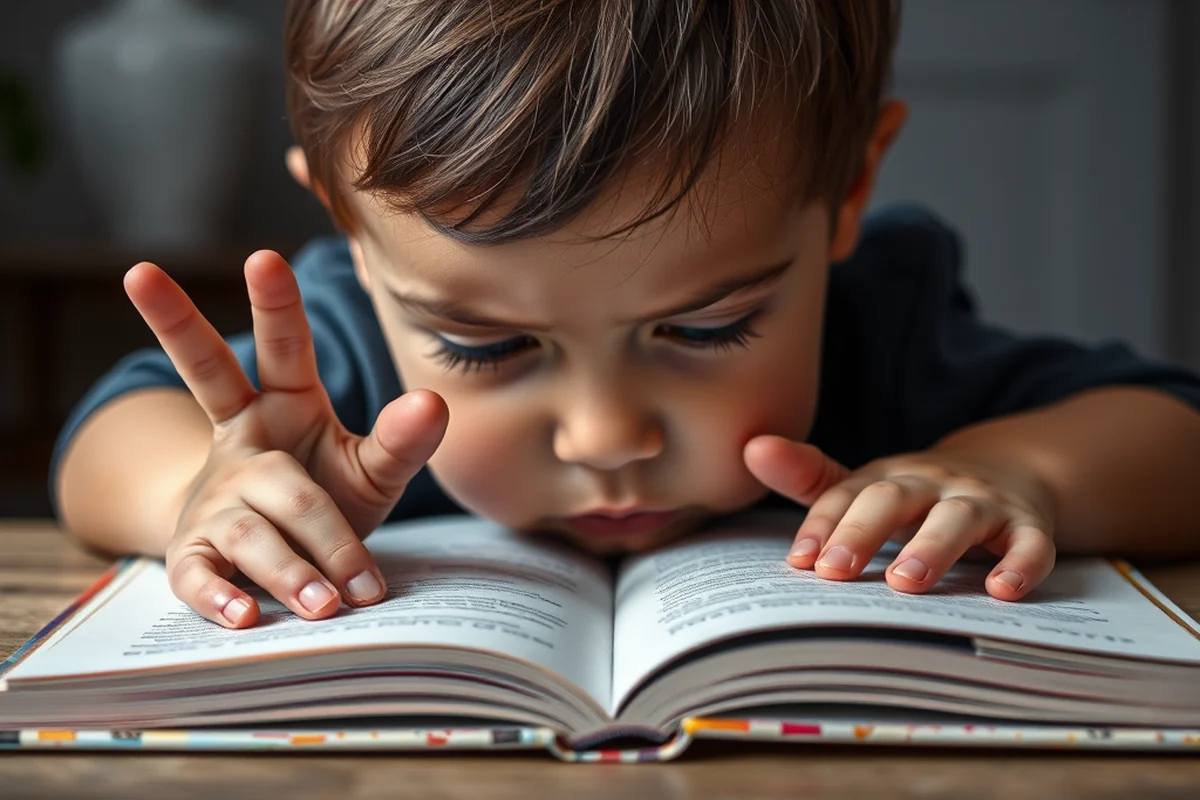
Toddlers are naturally curious and full of energy, and process art gives them the freedom to explore without boundaries. I’ve noticed that when my daughter is engaged in process art, she’s more focused and less prone to tantrums. It’s like she’s using the activity as a way to process her feelings and release her energy in a safe, constructive way.
One of the reasons process art is so beneficial is that it encourages creativity without the pressure of perfection. Unlike structured activities, where toddlers might feel like they’re not doing something right, process art lets them be themselves. I’ve seen my daughter try different techniques — sometimes she’ll use her fingers, sometimes her toes — and all of it is celebrated as part of the process.
Another benefit is that process art helps toddlers develop fine motor skills. When they use glue sticks, crayons, or even their hands, they’re learning how to control their movements. Over time, I’ve seen my daughter become more confident in her ability to manipulate objects and create things on her own.
Process art is not about the result — it's about the exploration.
Related: Christmas process art for toddlers
Related: Thanksgiving process art for toddlers
Related: Simple Art Projects For Toddlers
Related: Cheap process art for toddlers
Related: Art work for toddlers
Related: What Should I Draw
Related: Art Activities For Toddlers
Related: Art Classes For Toddlers
Related: A Yard Art
Related: Bluey Coloring Pages
Related: A Cute Axolotl Coloring Page
Related: Summer Process Art For Toddlers
Related: Process Art For Toddlers Christmas
Related: Process Art For Toddlers Spring
Related: Process Art For Babies
Related: Choose To Color
Choosing the Right Materials
When I first started, I used regular paint, but I quickly realized that it wasn’t safe for my daughter to use. I switched to washable, non-toxic paint and it made a huge difference. Now, I always choose materials that are safe and easy to clean up. I’ve found that glue sticks, paper plates, and kinetic sand are some of the best materials to use.
I also like to mix and match different materials to keep things interesting. One day, it might be finger paint; another day, it might be play dough. I’ve found that toddlers love the variety, and it helps keep the activity fresh and exciting. I’ve even used cotton balls and water to create a sensory bin, and my daughter loved the way the cotton balls floated around in the water.
Another thing I’ve learned is that toddlers respond well to open-ended materials. When I use materials like fabric scraps or torn paper, they’re able to explore different textures and colors. It’s also important to keep the materials accessible — I like to have everything on a low shelf so my daughter can reach for it on her own.
Choose non-toxic, washable materials that are easy to clean up. Keep the setup simple and let your toddler take the lead.
“I remember the day my daughter, then 2 years old, covered herself in paint and laughed the entire time — paint on her hair, on…”— Messysenses editors
Related: Playdough Toys For Toddlers
Creating a Process Art Space
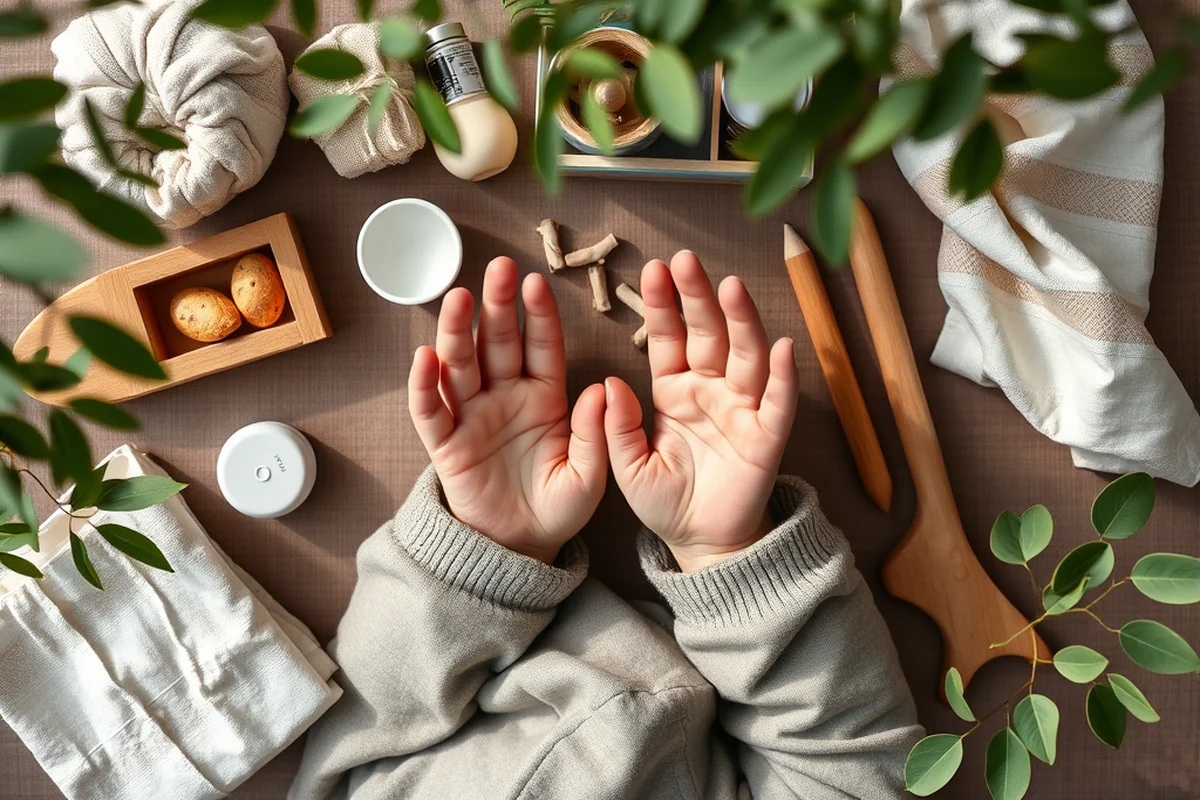
I set up a small area in our living room that’s dedicated to process art. It’s a table with a waterproof mat, a few storage bins, and a large paper towel roll for wiping up spills. This space allows my daughter to be creative without worrying about making a mess — and it also makes cleanup easier for me.
One of the things I love about this space is that it’s always ready to go. I’ve filled the storage bins with materials like washable paint, glue sticks, and torn paper, so my daughter can just grab what she needs and start creating. I’ve also placed a few small paper plates and napkins on the table, so she can use them as a canvas or for cleaning up.
The best part is that my daughter feels like this space is hers. She’s able to explore and create without any pressure, and it gives her a sense of ownership over her creativity. It’s also a great way for me to step back and just watch her play — something I’ve come to value more and more as a parent.
Encouraging Exploration and Curiosity
I’ve found that the best way to encourage my daughter is to let her lead the way. I’ll sit with her and watch as she experiments with different materials. I’ll ask open-ended questions like, 'What do you think will happen if you mix these two colors together?' This helps her think critically and explore the possibilities.
Sometimes, I’ll introduce a new material or texture, like kinetic sand or fabric scraps, and watch her react. She’s always so fascinated by the way the sand feels in her hands or how the fabric moves when she touches it. It’s amazing to see her curiosity and how she naturally wants to explore and understand the world around her.
I also like to model my own curiosity. When I’m with her, I’ll say things like, 'Oh, I wonder what would happen if we put this on the paper?' This helps her see that exploration is a natural part of learning and that it’s okay to ask questions and make mistakes.
The Role of the Parent in Process Art
As a parent, my role in process art is to observe, support, and be present. I don’t interfere unless my daughter is upset or frustrated, and even then, I try to guide her gently rather than taking over. I’ve found that this approach helps her feel more confident and independent in her creative process.
One of the most important things I’ve learned is that I need to step back and let my daughter explore on her own. I’ve realized that my presence can be overwhelming for her, and sometimes she needs space to be creative without my input. I’ve started to use this time as a chance to reflect on my own feelings and emotions, which has actually helped me become a better parent.
I also try to be patient and flexible. Sometimes, my daughter will want to do something that I think is messy or complicated, but I’ve learned to trust her and let her lead. It’s amazing to see how she can surprise me with her creativity and how she often comes up with ideas that I never would have thought of.
Let your toddler lead — process art is about their journey, not yours.
How to Make the Most of Process Art Time
I’ve found that the best way to make the most of process art time is to set the right expectations and create a safe, supportive environment. I don’t pressure my daughter to create something specific or to finish a project — I just let her explore and have fun. This helps her feel more relaxed and comfortable in the space.
Another thing I’ve learned is that it’s important to be present and engaged. I try to sit with my daughter and watch her as she creates, and I make sure to ask her questions and show interest in what she’s doing. This helps her feel seen and valued, and it also helps me connect with her on a deeper level.
I’ve also found that it’s important to be flexible and adapt as needed. Sometimes, my daughter might want to do something that I didn’t plan for, but I’ve learned to go with the flow and be open to new ideas. It’s amazing to see how creative she can be when she’s given the freedom to explore.
🌼 Gentle Process Art
Ideal for toddlers who are easily overwhelmed or sensitive. Focus on soft textures, gentle colors, and minimal sensory input.
⚡ Fast-Track Process Art
Perfect for busy parents or short sessions. Use simple materials and focus on quick, high-energy activities that keep toddlers engaged for 10–15 minutes.[2]
🧳 Travel/ Away-from-Home Process Art
Designed for on-the-go creativity. Use portable materials like washable markers, travel-sized paint, and fabric scraps to keep toddlers engaged while traveling.
👶 Multiples Process Art
Tailored for toddlers with siblings. Encourage collaboration, sharing, and turn-taking with group process art activities that can be enjoyed by multiple children at once.
🌀 Regression Reset Process Art
Helps toddlers through developmental plateaus or emotional challenges. Use soothing materials and open-ended activities to give them a safe space to explore and reset.
| The mistake | Why it happens | The fix |
|---|---|---|
| Using too many materials at once | Too many materials can overwhelm a toddler and make it hard for them to focus on one thing at a time. | Start with just a few materials and gradually introduce new ones as your toddler becomes more comfortable with the activity. |
| Not being present | Process art is a time for connection, and if you’re not present, your toddler may feel like it’s just a solo activity. | Make sure to sit with your toddler and engage with them during the activity. Ask questions and show interest in what they’re doing. |
| Setting too many rules | Process art is about freedom and exploration, and if you set too many rules, it can stifle your toddler’s creativity. | Let your toddler lead the way. Only set a few simple rules, like no throwing or no eating, and be flexible with the rest. |
| Trying to direct the activity too much | If you’re too involved, your toddler may feel like they’re not in control of the process, which can make them feel frustrated or disengaged. | Let your toddler explore and create on their own. Your role is to observe and support, not to direct or take over. |
Best Process Art For Toddlers
Common Questions
How long should a process art session last?
Is process art messy?
Can I do process art with my toddler every day?
What if my toddler doesn’t want to participate?
References
- Educating Ourselves about Childhood Arts Experiences—and Why ... (arts.gov)
- Arts Programming for Children, Youth, and Families (artsandmuseums.utah.gov)
- Curriculum Share (asi.fullerton.edu)
- Why art is important for early childhood development (canr.msu.edu)
- Art and Creativity | Center for Child and Family Studies - UC Davis (ccfs.ucdavis.edu)
Cite this guide
Messysenses (2026). Best Process Art For Toddlers. https://messysenses.com/best-process-art-for-toddlers/
Feel free to cite or share this guide.