
Cheap Process Art For Toddlers
📖 Table of Contents
- What Is Process Art, and Why Does It Matter?
- How to Start with Cheap Process Art for Toddlers
- What Are the Benefits of Cheap Process Art for Toddlers?
- How to Choose the Right Materials for Process Art
- How to Set Up a Process Art Area at Home
- How to Make Process Art More Engaging for Toddlers
- How to Clean Up After Process Art
- Make It Your Way
- Frequently Asked Questions
When my son was two, I found myself standing in the middle of a living room that looked more like a construction site than a home. He had spilled flour, rolled up a toilet paper roll into a ‘car,’ and painted the walls with a mixture of yogurt and water. It was messy, chaotic, and beautiful. That day, I realized that what I’d thought was a nightmare was actually a moment of pure creative expression — and it only cost me $10. Process art, I discovered, is not only a way to let kids explore their imagination, but it’s also one of the cheapest, most accessible ways to do it. Cheap process art for toddlers is not just about saving money; it’s about creating space for exploration, learning, and joy without breaking the bank.[1]
I had no idea what process art was before my toddler’s first ‘art project.’ I had thought it was something you did with expensive materials and hours of preparation. But the truth is, process art doesn’t need fancy tools, elaborate instructions, or a tidy outcome. It’s about the experience — the mess, the movement, the learning. That first messy afternoon with flour and water was my introduction to the world of cheap process art for toddlers, and I’ve never looked back. It’s become a cornerstone of our family’s creative time. I’ve learned that with a little creativity and a few household items, you can make something magical for your child that costs almost nothing.[3]
The best part of cheap process art for toddlers is that it doesn’t require a lot of planning, patience, or money. You can set up a project in under five minutes using things you already have in your home — like paper plates, toilet paper rolls, or even fabric scraps. The only thing you need is time, a willingness to embrace the mess, and an open mind. Over the years, I’ve tested dozens of methods, and I’ve learned which ones work best — and which ones are best left for the trash can. The key is to keep it simple, make it fun, and never underestimate the power of a few paper plates and a little bit of glue. Cheap process art for toddlers isn’t just affordable; it’s transformative.[4]
Why You'll Love This Affordable Creative Experience
- It’s budget-friendly and easy to set up with common household items.
- It encourages unstructured creativity and sensory development.
- It’s a great way to bond with your child and reduce stress.
- It promotes problem-solving, motor skills, and self-expression.
What Is Process Art, and Why Does It Matter?
As of August 2026, Process art is not about the final product — it’s about the experience. When I first learned about it, I thought it was a type of painting or drawing. It’s actually about letting kids experiment with different materials and textures in a way that feels safe and fun. My toddler doesn’t need to make a masterpiece; he just needs to feel free to explore, touch, and create. Process art for toddlers is different from traditional art because it’s not about learning techniques or following instructions. It’s about the joy of discovery and the freedom to make a mess.[2]
One of the best things about process art is that it’s accessible. You don’t need to buy expensive art supplies or have a studio setup. I’ve used everything from flour, water, and paper towels to fabric scraps and markers. The only goal is to create a space where your child can explore and interact with materials in their own way. Process art isn’t about teaching your toddler how to draw or paint — it’s about letting them learn through play, touch, and sensory experiences.[5]
I’ve seen my toddler’s confidence grow through process art. He’s not afraid to make mistakes, and he’s learned that creativity doesn’t have to be perfect. He’s discovered that mixing colors can be fun, that tearing paper can be a way to express emotion, and that even the messiest projects can leave him feeling proud. Process art is about the journey, and that journey is just as valuable as the final product — if there even is one.
Let your child lead the way. Focus on their enjoyment, not the outcome. The mess is part of the process — and it’s often the most memorable part.
How to Start with Cheap Process Art for Toddlers
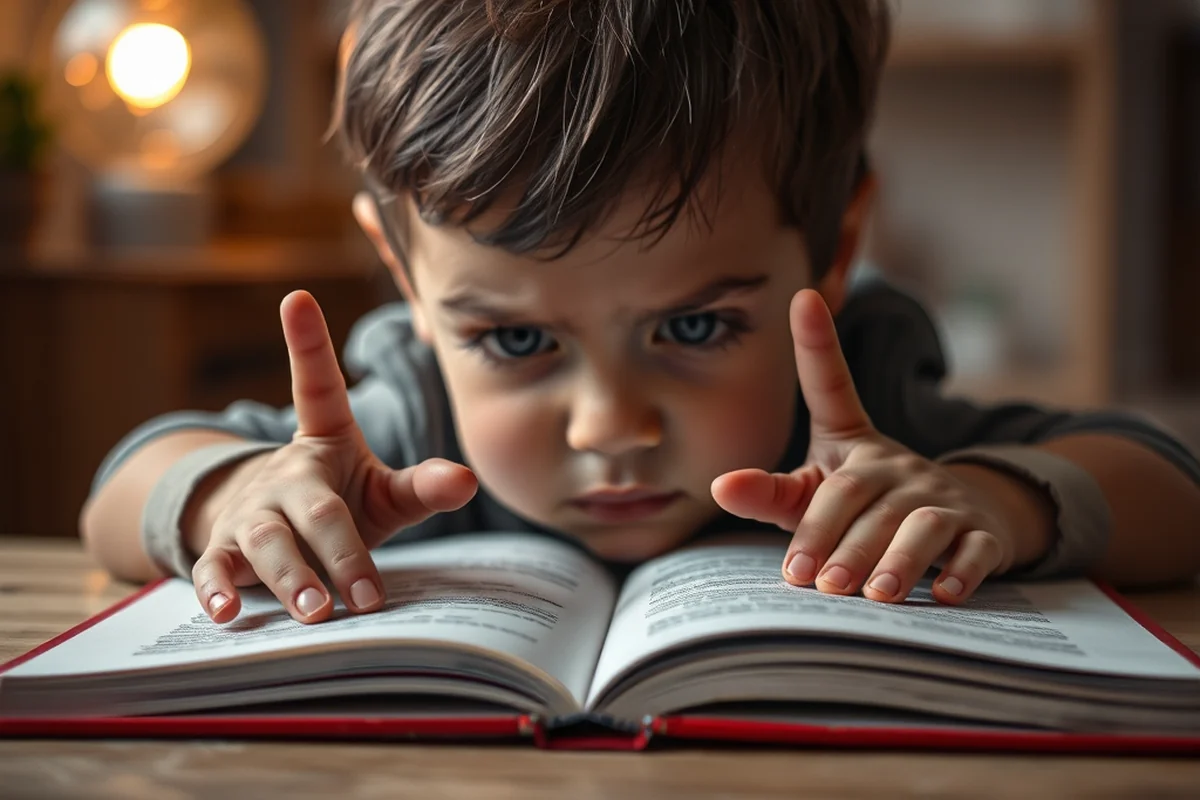
Starting with cheap process art for toddlers doesn’t require a lot of time or effort. I’ve found that the easiest way to begin is by using items you already have in your home. Things like paper plates, fabric scraps, paper towels, and even toilet paper rolls can be transformed into art supplies. I’ve used flour and water for a messy painting activity, and paper plates covered in glue and sprinkled with cereal for a sensory experience. These materials are not only cheap, but they’re also safe and easy for toddlers to handle.
I always make sure to set up a dedicated space for process art. I use a large table in the living room or even the kitchen counter. I cover it with a plastic tablecloth so that it’s easy to clean up afterward. I also keep a few small buckets or containers of water nearby so that my toddler can wash his hands or clean up spills. It’s important to keep the area safe and accessible. I’ve found that having a few simple tools on hand — like paper towels, sponges, and wet wipes — helps make the cleanup process faster.
Starting with cheap process art for toddlers is about making it fun and engaging. I’ve found that letting my toddler choose the materials he wants to use helps him feel more invested in the process. Whether he’s mixing paint, tearing paper, or rolling flour into balls, the key is to let him explore and create without the pressure of making something perfect. Process art is about the experience, not the outcome — and that’s what makes it so special.
Process art is about the experience, not the outcome.
Related: Process art ideas for preschoolers
Related: Infant process art ideas
Related: Art work for toddlers
Related: Simple art for toddlers
Related: Process art activities for preschoolers
Related: Playdough Toys For Toddlers
Related: Process Art For Kids
Related: Order Of Draw
Related: What'S In The Bible Coloring Pages
Related: A Princess Coloring Page
Related: Process Art For Kindergarten
Related: Process Art For Toddlers Christmas
Related: Process Art For Babies
Related: Process Art For Toddlers For Beginners
Related: Process Art For Toddlers Spring
Related: Football Coloring Pages
Related: Autumn Coloring Pages
Related: Art Classes For Toddlers Near Me Prices
What Are the Benefits of Cheap Process Art for Toddlers?
One of the biggest benefits of cheap process art for toddlers is that it supports creative thinking. When my toddler is allowed to explore different materials and textures, he learns how to make connections and solve problems. He’s discovered that mixing colors can create new shades, that tearing paper can be a way to express emotion, and that even the messiest projects can be fun. Process art doesn’t require instructions — it’s all about letting your child explore and learn through play.
Another benefit of cheap process art for toddlers is that it helps develop fine and gross motor skills. When my toddler is using his hands to tear paper, roll flour, or press paint onto a surface, he’s strengthening his muscles and improving his coordination. These activities may seem simple, but they’re actually important for his development. I’ve noticed that he’s more confident in his movements and more willing to try new things after engaging in process art activities.
Cheap process art for toddlers also helps with sensory development. Toddlers learn through touch, and using different materials — like flour, paper, or fabric — helps them explore their environment in a tactile way. I’ve seen my toddler become more curious about textures, colors, and even the way things feel. Process art is not just about making something — it’s about learning through experience, and that’s one of the biggest benefits of this type of activity.
Allow your toddler to explore without pressure. Let them lead the way and focus on their enjoyment of the process, not the final product.
“When my son was two, I found myself standing in the middle of a living room that looked more like a construction site than a…”— Messysenses editors
How to Choose the Right Materials for Process Art
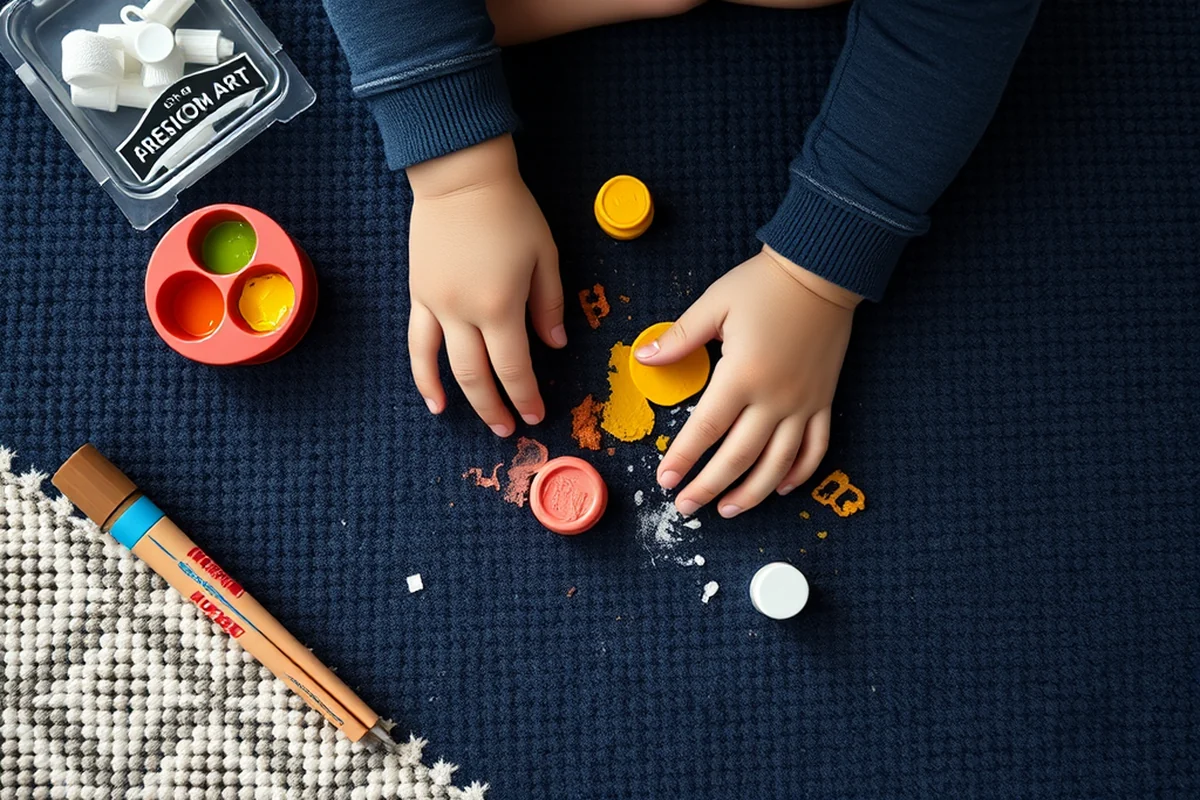
Choosing the right materials for process art is important — especially when you’re working with toddlers. I’ve found that the best materials are the ones that are safe, non-toxic, and easy to clean up. I’ve used things like paper plates, fabric scraps, and even rice and beans in the past. These materials are not only cheap, but they’re also safe for toddlers to handle and explore.
I’ve also found that using natural or organic materials can be a great alternative. I’ve used leaves, flowers, and even dirt in my toddler’s process art activities. These materials are not only affordable, but they’re also good for sensory development. I’ve noticed that my toddler is more curious about the textures and colors of these natural materials, and they’ve helped him learn how to explore his environment in a new way.
When choosing materials for process art, I always make sure that they’re safe for my toddler. I avoid using anything that could be a choking hazard or that might be harmful if ingested. I’ve also found that using materials like paper towels, sponges, and wet wipes helps make cleanup easier. Choosing the right materials for process art is about making sure that the experience is safe, fun, and engaging for your child.
How to Set Up a Process Art Area at Home
Setting up a process art area at home is a great way to make sure that your toddler has a safe and dedicated space to explore and create. I’ve found that the best way to do this is to use a large table or a section of the floor that’s easy to clean. I’ve used a plastic tablecloth on my kitchen counter and covered it with a tablecloth to make cleanup easier. I also keep a few small buckets of water nearby so that my toddler can wash his hands or clean up spills.
I’ve also found that having a few tools on hand can help make the process art experience more engaging. I keep a few small containers of different materials — like paper towels, fabric scraps, and paper plates — so that my toddler can choose what he wants to use. I also have a few small buckets of water and some sponges on hand so that he can clean up after himself. These tools help make the process art experience more interactive and engaging for my toddler.
Setting up a process art area at home is about creating a space that’s safe, fun, and accessible. I’ve found that having a dedicated area helps my toddler feel more confident in his exploration and creativity. Whether he’s mixing colors, tearing paper, or rolling flour, the key is to let him explore and create without the pressure of making something perfect. Process art is about the experience, and having a dedicated space helps make that experience even more enjoyable.
How to Make Process Art More Engaging for Toddlers
Making process art more engaging for toddlers is all about choosing the right materials and creating a fun, interactive experience. I’ve found that using materials that are colorful, texturally varied, and easy to handle helps keep my toddler interested and excited. I’ve used things like paper plates, fabric scraps, and even rice and beans in the past. These materials are not only fun to explore, but they’re also great for sensory development.
To make process art more engaging for toddlers, it’s important to keep the experience fun and interactive. I always make sure to let my toddler choose the materials he wants to use and give him the freedom to explore without the pressure of making something perfect. Whether he’s mixing colors, tearing paper, or rolling flour, the key is to let him enjoy the process and have fun with it.
Engaging toddlers with process art is about making it fun and interactive.
How to Clean Up After Process Art
Cleanup after process art is a necessary part of the process, but it doesn’t have to be stressful. I’ve found that the easiest way to make cleanup faster is to use materials that are easy to clean up — like paper plates, paper towels, and fabric scraps. I also use a plastic tablecloth on my kitchen counter so that it’s easy to wipe down after the activity.
I always make sure to have a few small buckets of water and some sponges on hand so that my toddler can clean up after himself. I’ve found that involving my toddler in the cleanup process helps him learn responsibility and makes the experience more fun. I also keep a few paper towels and wet wipes nearby so that any spills can be wiped up quickly.
Cleanup after process art is part of the experience — and it doesn’t have to be a hassle. I’ve found that with a few simple tools and a little patience, it’s easy to clean up after process art activities. Whether you’re using paper plates, fabric scraps, or even rice and beans, the key is to make sure that the cleanup process is as easy and stress-free as possible.
🌸 Gentle Process Art
Choose soft, non-abrasive materials like paper towels, fabric, and pastel paints for a soothing sensory experience.
⚡ Fast-Track Process Art
Use pre-made materials like paper plates, glue, and stickers for a quick, easy, and fun process art activity.
🧳 Travel/away-from-home Process Art
Pack a portable process art kit with paper, crayons, and a small container of water for on-the-go creativity.
👶 Multiples Process Art
Set up multiple process art stations so that several toddlers can create simultaneously, keeping the fun going for everyone.
🔄 Regression Reset Process Art
Use process art as a tool for emotional expression and reset during times of stress or regression.
| The mistake | Why it happens | The fix |
|---|---|---|
| Trying to make process art too structured or perfect. | Process art is about freedom and exploration, not about creating a finished product. Being too structured can take away from the experience. | Let your toddler lead the way and focus on the experience, not the outcome. |
| Not cleaning up after process art. | Not cleaning up after process art can lead to more mess and may discourage your toddler from participating in the future. | Make sure to clean up after each session and keep the process art area organized. |
| Using materials that are not safe for toddlers. | Using materials that are not safe for toddlers can be dangerous and may lead to health issues. | Always choose materials that are non-toxic, safe, and easy to clean up. |
| Forcing your toddler to participate in process art. | Forcing your toddler to participate in process art can make them feel anxious or resistant to the activity. | Let your toddler choose the materials they want to use and set a positive example by enjoying the activity yourself. |
Cheap Process Art For Toddlers
Common Questions
How do I keep my toddler from getting frustrated during process art?
What if my toddler doesn’t want to participate in process art?
How do I make process art safe for my toddler?
How often should I do process art with my toddler?
Cite this guide
Messysenses (2026). Cheap Process Art For Toddlers. https://messysenses.com/cheap-process-art-for-toddlers/
Feel free to cite or share this guide.
References
- Children's Art Workshop - ASU School of Art - Arizona State University (art.asu.edu)
- Inspiring Children by Animating Their Artwork - BYU brand guide (brand.byu.edu)
- Why art is important for early childhood development - Child ... (canr.msu.edu)
- Curriculum Share (asi.fullerton.edu)
- Positive Parenting Tips | Child Development - CDC (cdc.gov)