
Process Art Activities For Preschoolers
📖 Table of Contents
- What Is Process Art, and Why Does It Matter?
- How to Set Up a Process Art Station
- Process Art and Emotional Development
- The Role of the Adult in Process Art Activities
- The Benefits of Open-Ended Materials
- How to Handle the Mess — and Why It’s Worth It
- Creating a Routine Around Process Art
- Make It Your Way
- Frequently Asked Questions
One Tuesday afternoon, my daughter and I spent two hours in the kitchen, not baking, but painting. We used flour, water, and a few drops of food coloring to make a dough that squished and stretched like clay. It was messy, and I had to chase her around the room with a sponge, but her eyes lit up when she saw the colors swirl together. This was process art — not about the end result, but the journey of creating, exploring, and expressing herself. Process art activities for preschoolers are not just about fun; they're about learning, growing, and developing crucial skills through play.[4]
I remember the first time I heard the term 'process art activities for preschoolers,' I didn’t quite understand its significance. But as my daughter grew, I saw how these activities helped her express emotions, develop fine motor skills, and even learn about colors and textures in a way that traditional crafts never could. Process art isn’t about producing a pretty picture or a polished project — it’s about the experience, the exploration, and the joy that comes from creating without constraints.[5]
Now, I can’t imagine a week without at least one process art activity. Whether it's mixing paint with cotton swabs, smearing clay on a canvas, or using sticks and leaves to create a collage, these activities have become a cornerstone of our family’s creative time. They’re messy, they’re loud, and they’re sometimes chaotic — but they’re also deeply meaningful, and they’ve transformed the way I see my child’s growth and development.
Why You'll Love This Approach to Preschool Creativity
- Encourages open-ended exploration and creativity
- Supports emotional expression and self-regulation
- Builds fine motor skills and sensory development
- Creates a safe space for messy, unstructured play
What Is Process Art, and Why Does It Matter?
As of August 2026, Process art is not about the final product — it's about the journey of creating. For my daughter, it was a way to express herself when words failed, to explore textures that her fingers could feel but her mind couldn’t yet name. It gave her the freedom to try, to fail, and to try again, all without the pressure of making something 'perfect.'[1]
I’ve seen her get so frustrated with a marker that wouldn’t stay on the paper, only to find a new way to use it by dipping it in water and drawing on a window. That kind of problem-solving, that kind of exploration — that's exactly what process art is all about. It's not about following instructions or making something that looks like what I drew, but about discovering what works for her.
Research shows that process art can improve fine motor skills, hand-eye coordination, and even emotional regulation in preschoolers. It's not just about play — it's about learning, growing, and developing the kind of confidence that comes from trying new things and seeing what happens.[2]
Don’t worry about buying special materials. Use what's around the house — flour, paper towels, markers, even old paint. The mess is part of the fun, and the materials don’t have to be perfect to be meaningful.
How to Set Up a Process Art Station
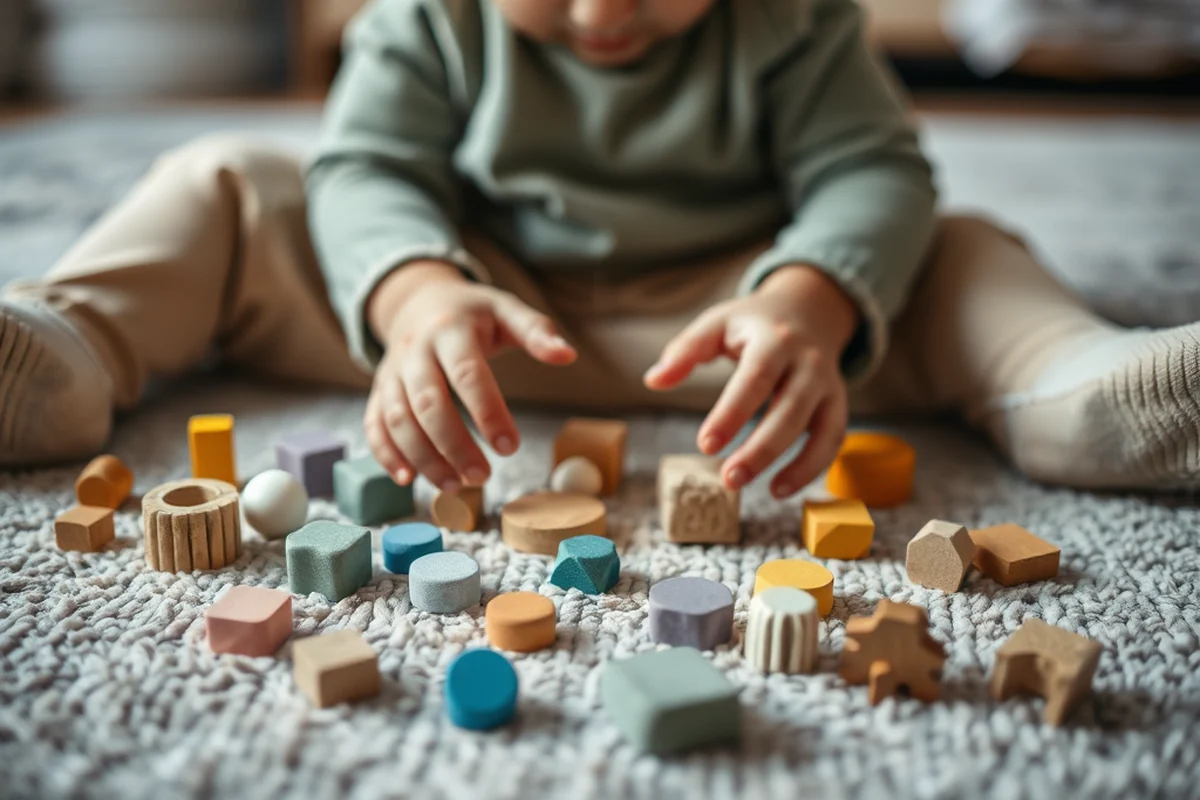
My go-to setup is a low table with paper towels, paints, brushes, and a few other loose materials like fabric scraps, leaves, or cotton balls. I make sure it’s near a sink or at least near a towel — because, let’s be honest, there will be messes. I also always have a couple of aprons or old clothes on hand, just in case.
The key is to avoid setting up too many rules. I’ve learned that the more I try to control the process, the less creative my daughter becomes. So I leave things open-ended and let her choose what she wants to do. Sometimes she’ll use the brush to paint, sometimes she’ll dip her fingers in the paint, and sometimes she’ll just smear everything together — and that’s perfectly fine.
Setting up a process art station doesn’t need to be expensive or complicated. In fact, I find that the most engaging activities are the ones that use everyday materials. It's the experience of creating, the freedom of exploration, and the joy of getting messy that matter most.
Mess is part of the process — and the process is what matters.
Related: Spring process art for toddlers
Related: Cheap process art for toddlers
Related: Process art ideas for preschoolers
Related: Art project for toddlers
Related: Process art for kids
Related: Art Activities For Kids
Related: American Flag Drawing
Related: Process Art Projects For Preschoolers
Related: What Is Color Sheets
Related: Flower Coloring Pages
Process Art and Emotional Development
I remember one day when my daughter was really upset after a disagreement with her friend. Instead of trying to talk her through it, I gave her a canvas and some paint. She didn’t say a word, but she painted the whole thing red and black — and I could see the anger and frustration she was feeling. It was a way for her to release those emotions in a way that felt safe and productive.
Process art provides a nonverbal outlet for preschoolers to express what they’re feeling. It's not about what they create — it's about how they feel while they’re creating. I’ve seen her use paint to show sadness, clay to show anger, and even fabric to show comfort and safety. It's amazing how much she can express without a single word.
This kind of emotional expression is crucial for young children. It helps them understand their feelings, manage them, and even begin to communicate more effectively. Process art is a gentle, nonjudgmental way to explore emotions and build emotional literacy from an early age.
Let your child explore their emotions through process art without trying to interpret or correct them. Sometimes the best way to help them is just to be present and show that you understand.
“One Tuesday afternoon, my daughter and I spent two hours in the kitchen, not baking, but painting.”— Messysenses editors
The Role of the Adult in Process Art Activities
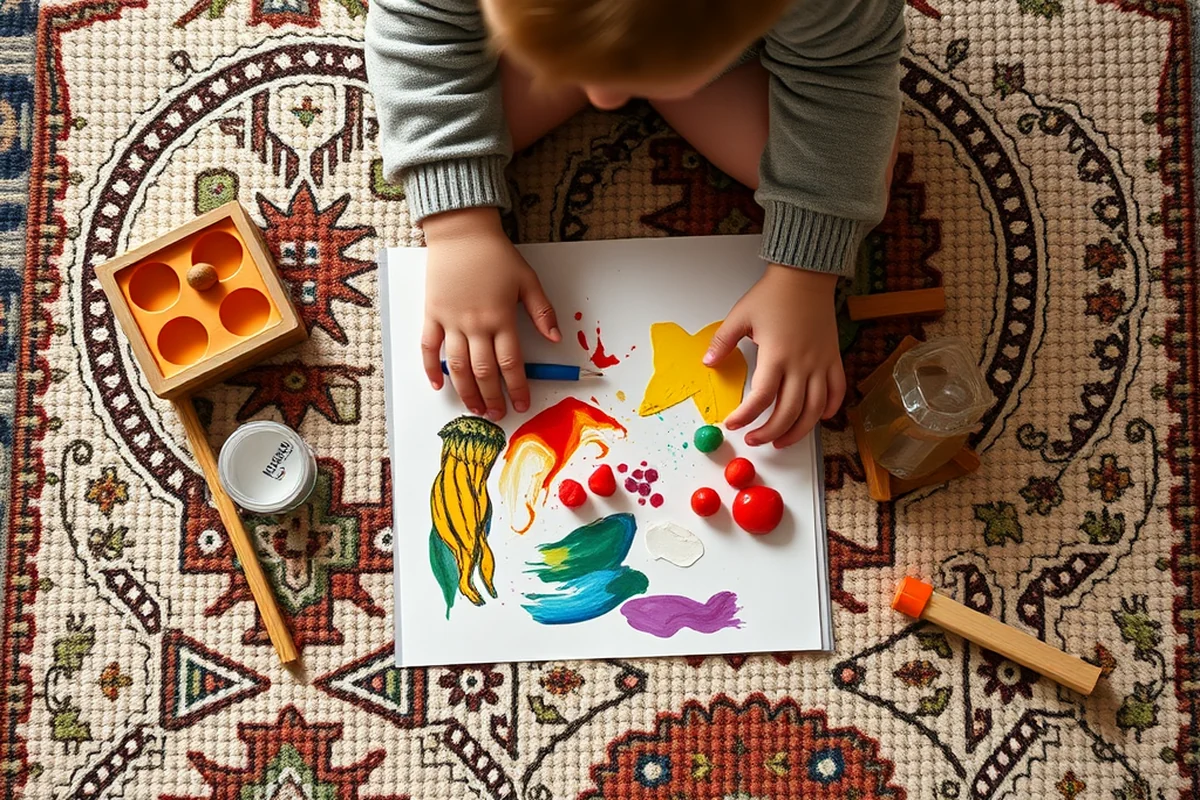
I’ve learned that my job in process art is to be a facilitator, not a director. That means I’m there to provide materials, offer encouragement, and help clean up — but I don’t try to make the project look a certain way. I’ve noticed that when I step back and let my daughter explore on her own, she comes up with some of her most creative ideas.
Sometimes I’ll ask questions like, 'What do you like about this color?' or 'What happens when you mix these two together?' But I never tell her what to do or what to make. It’s about giving her the freedom to experiment and discover on her own terms.
This approach not only fosters creativity but also builds confidence and independence. It’s a way of showing my daughter that her ideas are valued, her exploration is important, and that she doesn’t need to be perfect to be creative.
The Benefits of Open-Ended Materials
Open-ended materials — things like paint, clay, fabric, and natural items — allow preschoolers to use their imagination in countless ways. I’ve seen my daughter use fabric to make a flag, a cape, a boat, and even a blanket — all from the same piece of material. It’s amazing how much creativity can come from something as simple as a piece of fabric.
These materials are also incredibly versatile. For example, I once had a bag of rice and a bowl of paint. My daughter turned it into a sensory bin that she used to paint with, mix with, and even eat — I mean, I know it was supposed to be for decoration, but she had her own ideas about how to use it.
Open-ended materials give preschoolers the freedom to explore, to experiment, and to create without limits. It's a way of encouraging creativity, problem-solving, and even scientific thinking — all through play.
How to Handle the Mess — and Why It’s Worth It
I’ve learned that mess is part of the process, and I’ve come to accept that — and even embrace it. After all, it’s the mess that makes the experience so real and so meaningful. But I also know that cleanup is a part of the process too, and I’ve found a few ways to manage it without losing the joy of the activity.
One of my favorite strategies is to have a cleanup station nearby — a bucket of water, a few rags, and a couple of sponges. I also make sure that the materials I use are easy to clean up, like water-based paints or clay that can be wiped away easily. This helps minimize the frustration of having to deal with a big mess.
I also try to keep the mess contained as much as possible, using paper towels or old newspapers to protect the floor. And I always make sure to have some old clothes or aprons on hand — because, let’s be honest, the mess is inevitable, and it’s part of the fun.
The mess is the memory — and the memory is the reward.
Creating a Routine Around Process Art
I’ve found that having a regular process art time helps my daughter feel more comfortable and confident with the activities. It gives her a sense of structure and predictability, even in the midst of the mess and the chaos. It also gives me a chance to be present and engaged with her without the distractions of daily life.
I usually set aside time every few days for process art, whether it’s after a nap or in the early afternoon. I find that having a consistent time helps her build a sense of anticipation and excitement about the activity. It also helps her understand that creativity is a regular part of her day, not just something that happens occasionally.
Creating a routine around process art doesn’t mean it has to be rigid or strict. It just means that it’s a regular part of our day, and that she knows it’s something she can look forward to. It's a way of making creativity a habit, not just an occasional event.
🎨 Gentle Process Art
A calm, low-energy approach that focuses on sensory exploration and emotional expression.
⚡ Fast-Track Process Art
A quick, easy version of process art that can be set up in minutes and cleaned up just as fast.
✈️ Travel/away-from-home Process Art
A portable, mess-free version of process art that's perfect for on-the-go creativity.
👨👩👧👦 Multiple Preschoolers Process Art
A version of process art that allows multiple children to create and explore together.
🔄 Regression Reset Process Art
A version of process art that's designed to help preschoolers reset and refocus after a difficult day.
| The mistake | Why it happens | The fix |
|---|---|---|
| Trying to control the outcome of the activity | It can stifle creativity and make the experience feel more like a task than a form of self-expression. | Let your child lead the way and focus on the process rather than the product. |
| Not providing enough materials or resources | It can limit your child’s ability to explore and express themselves fully. | Make sure to provide a variety of open-ended materials that allow for creative exploration. |
| Avoiding mess or being too concerned about cleanup | It can take away from the joy of the experience and make your child feel restricted or frustrated. | Embrace the mess as part of the process and be prepared with a cleanup plan that’s simple and efficient. |
| Overlooking the emotional aspect of process art | It can miss the chance for your child to express and explore their feelings in a safe and creative way. | Be present and observe how your child is using the materials and what emotions they might be expressing. |
Process Art Activities For Preschoolers
Common Questions
What if my child refuses to participate in process art activities?
How can I make process art activities more engaging for my child?
Is it normal for my child to get frustrated during process art activities?
Can process art activities help with my child’s social skills?
Cite this guide
Messysenses (2026). Process Art Activities For Preschoolers. https://messysenses.com/process-art-activities-for-preschoolers/[3]
Feel free to cite or share this guide.
References
- Explorers Club - Wyoming Department of Workforce Services (dws.wyo.gov)
- Product vs Process - ECE 1410: Creative Activities (guides.baker.edu)
- Hello Toddler 1 families! - Child Development and Family Center - (cdfc.news.niu.edu)
- Child Development: Creativity in Young Children (content.ces.ncsu.edu)
- Art Tips | Decal.ga.gov (decal.ga.gov)