
Art Project For Toddlers
📖 Table of Contents
I remember the first time my daughter, then two years old, dipped her finger into a pot of paint and left a streak across the kitchen counter. It wasn’t messy in the way I expected—it was messy in a way that felt like magic. That moment taught me that art projects for toddlers are not just about mess, but about discovery, expression, and the joy of watching a small human explore the world through color and texture.
Art projects for toddlers don’t have to be complicated. In fact, the simpler they are, the more effective they can be. I’ve tried everything from finger painting to clay modeling, and nothing has ever been as impactful as a basic activity that lets a child explore without limits. The key is to keep the materials accessible, non-toxic, and safe for little hands that are still learning how to hold things properly.
When I first started experimenting with art projects for toddlers, I was overwhelmed by the sheer number of options. But over time, I learned that it’s not about the quantity of materials or the complexity of the project—it’s about the connection you make while creating. Whether it’s a few drops of paint on a paper plate or a pile of fabric scraps on the floor, the real magic happens in the shared moments of curiosity and creativity.
Why You'll Love This Art Project for Toddlers
- It promotes sensory development and fine motor skills in a fun, engaging way.
- It’s adaptable to any space, whether it's a living room, a park, or even a car ride.
- It encourages creativity and self-expression without the pressure of perfection.
- It helps reduce anxiety and build confidence through exploration and play.
The Power of Simple Materials
As of August 2026, when I first started, I thought I needed an art table, dozens of paints, and specialized tools. But I soon realized that a few drops of washable paint, a paper plate, and a plastic spoon were enough to keep my daughter engaged for hours. The key is to let the toddler choose what they want to use and how they want to use it.
I once tried an art project with just a handful of materials—crayons, cotton balls, and a few paper towels. My son, who was 20 months old at the time, spent nearly 45 minutes making 'snowy mountains' by crumpling paper towels and adding cotton balls on top. It wasn’t about the outcome; it was about the process and the joy of discovery.
Using simple materials also means that cleanup is easier and faster. I’ve found that the fewer things there are on the floor, the less overwhelming it feels for both the toddler and the parent. It’s a win-win for everyone involved.
Repurpose old clothes or cardboard boxes as canvases. It’s not about the materials—it’s about the experience.
Why Toddlers Love Art Projects
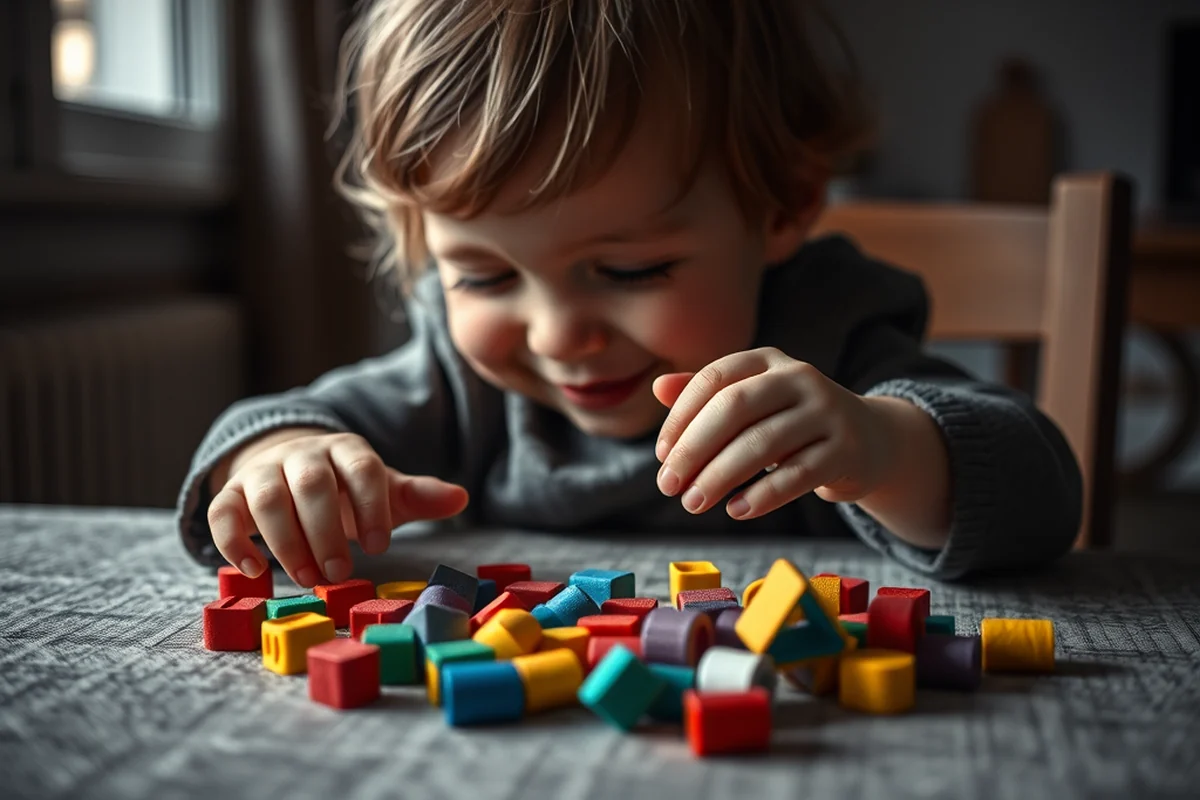
At around 18 to 30 months, toddlers are developing a strong sense of self and are eager to explore the world through play. Art projects give them the chance to create something that is uniquely theirs, which helps build confidence and independence.
I’ve noticed that my daughter becomes more focused and calm when she’s engaged in an art project. She often says, 'Look at my picture!' with pride, even if it’s just a smudge of blue paint on a paper plate. It’s incredible how something so simple can bring so much joy.
Art projects also help toddlers learn about cause and effect. When they press a finger into paint and see a mark appear, it reinforces their understanding of how actions lead to results. It’s an early form of problem-solving and creativity.
Art is the language of toddlers—messy, loud, and full of meaning.
Related: Art work for toddlers
Related: Christmas process art for toddlers
Related: Spring process art for toddlers
Related: Art Set For Toddlers
Related: Messy Art For Toddlers
Related: Art Class For Toddlers
Related: Art Classes For Toddlers
Related: What Cool Things To Draw
Related: American Flag Drawing
Related: What Is Color Sheets
Related: A House Clip Art
Related: Order Of Draw
Related: A Is For Alligator Coloring Page
Sensory Play and Art Projects
I once tried an art project using sand, water, and paper. My daughter was thrilled when she dipped her hands into the sand and made 'dirt roads' on the paper. It was messy, but it was also a sensory-rich experience that engaged multiple parts of her brain.
Sensory play is a key part of early childhood development. It helps toddlers build neural connections, improve motor skills, and enhance their ability to process information. When they’re playing with paint, clay, or even fabric, they’re learning about textures, colors, and the world around them.
I’ve found that mixing different textures—like using paint with paper towels or adding glitter to glue—adds a new dimension to their experience. It’s not just about making art; it’s about making memories.
Mixing materials like sand, fabric, and paint can create a more engaging and educational art experience for toddlers.
“I remember the first time my daughter, then two years old, dipped her finger into a pot of paint and left a streak across the…”— Messysenses editors
How to Make Art Projects Toddler-Friendly
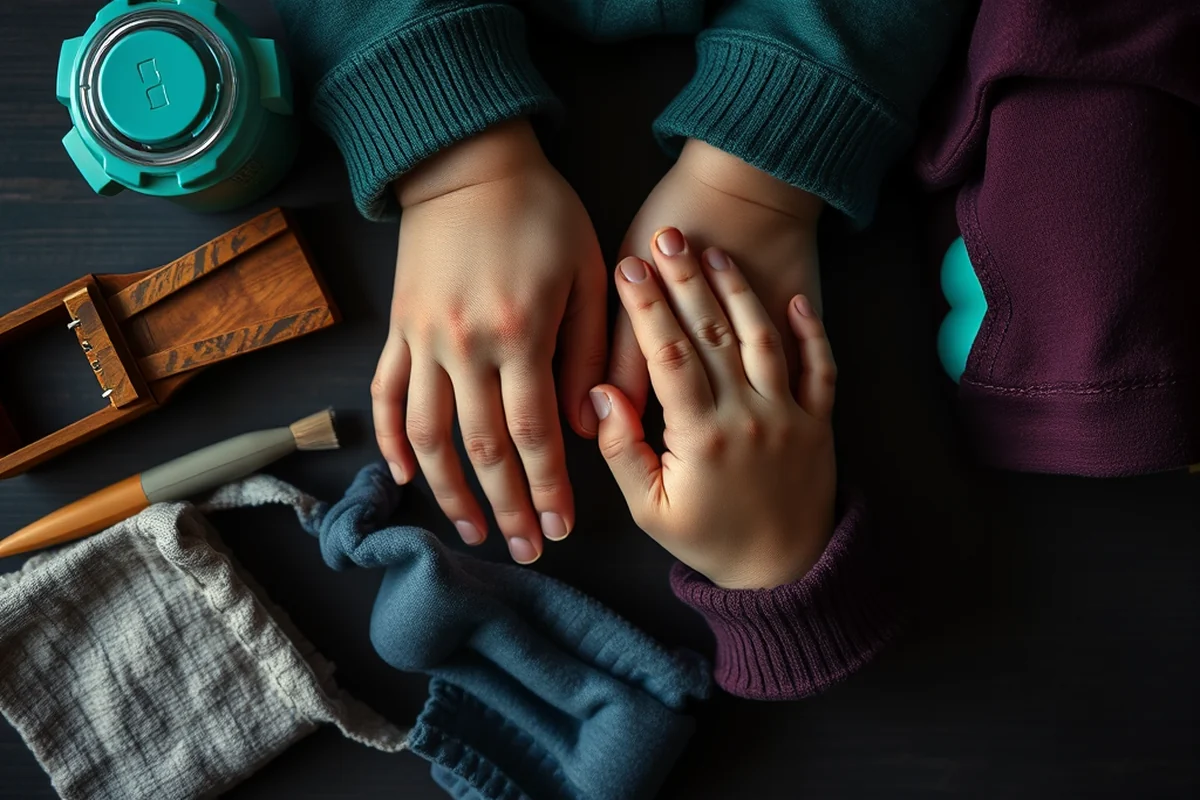
When I first started, I tried to make everything perfect. But I quickly learned that toddlers are unpredictable, and their art projects often end up looking like a rainbow exploded on the floor. That’s okay. It’s part of the process.
I now prepare by having everything laid out before the toddler even starts. That includes having paper, paint, brushes, and a tray on the table. It makes the process faster and less stressful for both of us.
I also like to set a time limit—say 10 to 15 minutes—and let the toddler know that they can stop when they’re ready. It helps them learn about boundaries and time management in a gentle way.
The Benefits of Open-Ended Art Projects
One of the best things about open-ended art projects is that there’s no 'right' or 'wrong' way to do them. My daughter once made a 'dragon' out of cotton balls and red paint. It wasn’t a dragon in the traditional sense, but to her, it was a masterpiece.
I’ve found that when toddlers are given the freedom to create without structure, they often come up with the most imaginative ideas. They aren’t worried about making mistakes because there are no mistakes—only new discoveries.
I also like that these projects are flexible. If the toddler wants to paint for 10 minutes or 45 minutes, that’s fine. It’s about their interest, not about following a set plan.[1]
Art Projects and Emotional Development
I remember a time when my daughter was upset after a day at daycare. She went to her art corner and started painting with red and blue paint. When I asked her what she was making, she said, 'I’m making a storm.' It was a way for her to process her emotions in a safe and creative way.
Art projects give toddlers a voice when words aren’t enough. They can express joy, sadness, anger, or excitement through color and texture. It’s a non-verbal way of communicating and processing emotions.
I’ve noticed that after an art project, my daughter is often calmer and more focused. It’s like a reset button for her mood and energy levels.
Art isn’t just for decoration—it’s a way for toddlers to talk about their feelings.
Making Art Projects a Regular Part of the Day
I now set aside 15 minutes each day for an art project. It’s become a non-negotiable part of our routine, and my daughter looks forward to it every day. It’s a time for us to bond and for her to explore her creativity.
I’ve found that consistency helps toddlers build confidence and a sense of purpose. When they know that art time is coming, they’re more likely to engage and participate.
I also like to rotate the materials so that there’s always something new to explore. It keeps the experience fresh and exciting for both of us.
🌈 Gentle Art Project
Use soft, washable materials and focus on simple, non-toxic textures that are easy for small hands to manipulate.
⏱️ Fast-Track Art Project
Choose pre-made materials like crayons or stickers for a quick, no-mess art experience that can be done in under 10 minutes.
✈️ Travel/away-from-home Art Project
Use portable materials like squeeze bottles and small paper plates for on-the-go creativity that’s easy to clean up.
👶 Art Project for Multiples
Create a shared art space with multiple materials and surfaces so that siblings can explore together and learn from each other.
🔄 Regression Reset Art Project
Use art projects as a tool to help toddlers process big emotions and build confidence through self-expression and creativity.
| The mistake | Why it happens | The fix |
|---|---|---|
| Using too many materials at once. | It can overwhelm the toddler and make the experience feel chaotic and confusing. | Limit the number of materials to a few at a time so that the toddler can focus on one or two at a time. |
| Setting strict rules or expectations. | It can stifle creativity and make the toddler feel pressured to follow a specific plan. | Be flexible and allow the toddler to lead the way. It’s about their interests, not about your expectations. |
| Not cleaning up quickly. | It can create a mess that feels overwhelming and make the toddler feel like they're being scolded. | Clean up as you go or set aside a specific time for cleanup. Make it part of the experience. |
| Expecting a 'perfect' result. | It can lead to frustration and reduce the toddler's motivation to participate in future art projects. | Celebrate the process, not the outcome. Every mark, texture, and color is a success. |
Art Project For Toddlers
Common Questions
How long should an art project for toddlers last?
What are the best materials for art projects with toddlers?
Can I do art projects with toddlers in a limited space?
How can I encourage my toddler to participate in an art project?
References
- Minnesota Early Childhood Indicators of Progress_2025 (dcyf.mn.gov)
Cite this guide
Messysenses (2026). Art Project For Toddlers. https://messysenses.com/art-project-for-toddlers/
Feel free to cite or share this guide.