
Process Art For Babies
📖 Table of Contents
- What is Process Art for Babies?
- Why Process Art is Better Than Traditional Art for Babies
- How to Get Started with Process Art for Babies
- The Benefits of Process Art for Babies
- How to Use Process Art for Babies with Toddlers
- How to Keep Process Art for Babies Engaging Over Time
- How Process Art Helps with Emotional Development
- Make It Your Way
- Frequently Asked Questions
I remember the first time my daughter dipped her hand into a puddle of water and painted the kitchen table with her fingers — it was messy, it was loud, and it was pure joy. That moment, messy and unstructured, was the beginning of our journey into process art for babies. Process art for babies isn’t about the final product; it’s about the sensory exploration, the hand-eye coordination, and the sheer delight of getting messy without pressure. I learned that this kind of creativity is not just fun — it’s foundational for early development.
Before I discovered process art for babies, I was always trying to keep my child “clean” and “focused.” I thought art had to be structured, with colors in the right places and no smudges. But after I gave up on the idea of “perfect” toddler art, I realized something: the most important art my child was doing wasn’t on paper — it was in her exploration of textures, scents. Movement. Process art for babies taught me that creativity isn’t about the end result; it’s about the journey, the mess, and the magic that happens along the way.
I now embrace process art for babies as a daily ritual — a time when I can watch my child discover the world through her own hands, without the pressure of making something ‘look nice.’ It’s not about the finished product; it’s about the squelching sounds of paint, the way her fingers press into clay. The way she laughs when she sees her own handprint. This is real, unfiltered learning, and it’s happening in our kitchen, on our floors, and in our living room — all over the place.
Why You'll Love This ...
- Encourages open-ended creativity and self-expression
- Supports sensory and motor development in babies
- Provides a non-judgmental space for artistic exploration
- Strengthens the parent-child bond through shared play
What is Process Art for Babies?
As of October 2026, Process art for babies is about the experience, not the end result. It’s the squelch of paint on the floor, the way a child presses their hand into a bowl of shaving cream, or the way they trail their fingers through a pot of cornstarch and water. There’s no right or wrong way to do it — just pure, unfiltered creativity.
I started using process art for babies as a way to let my child explore the world. I filled a tray with water and a few washable paints, and she spent 20 minutes just splashing and laughing. I didn’t guide her, I didn’t correct her — I just watched her explore, and it was one of the most joyful and peaceful moments of the day.[1]
Process art for babies is a way to introduce new textures, colors, and movements to your child in a safe and fun way. It’s not about making a masterpiece — it’s about letting your baby be curious, messy, and creative.
Set aside 20-30 minutes each week for process art. Use a tray or a mat to protect the floor and make cleanup easier.
Why Process Art is Better Than Traditional Art for Babies
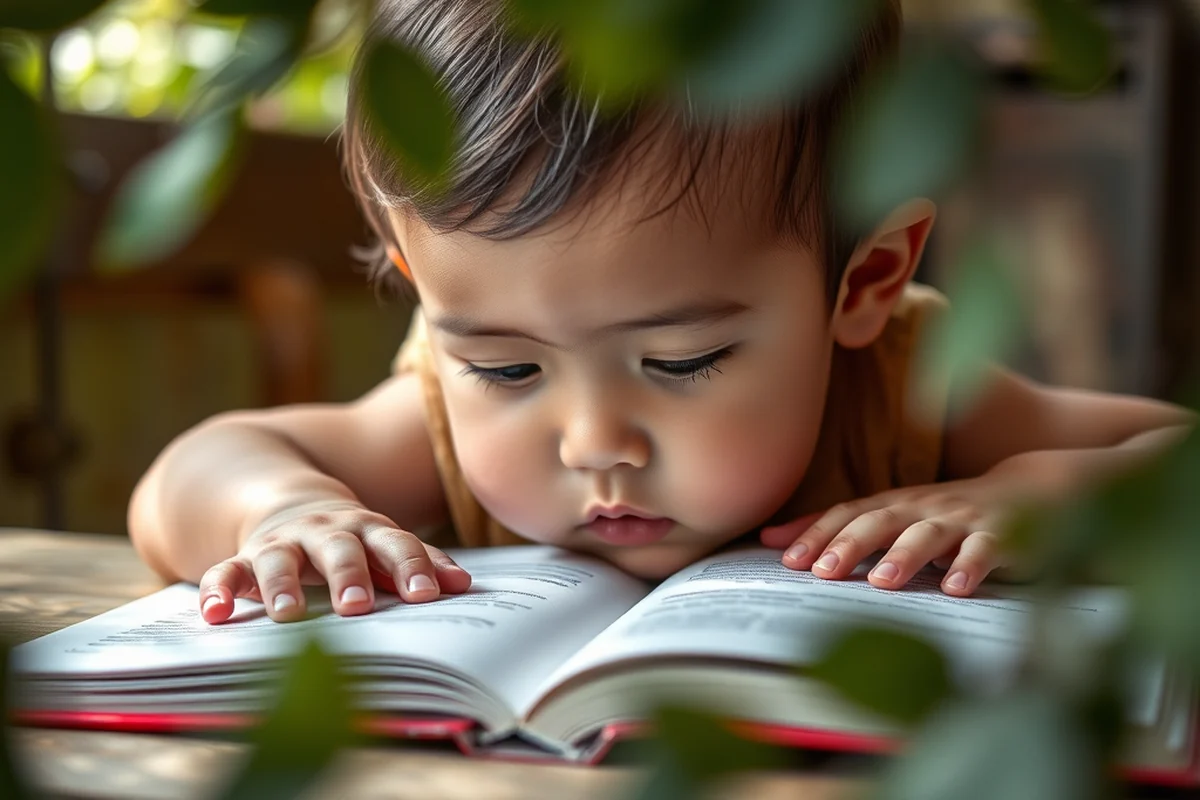
Traditional art with babies usually involves coloring inside the lines, which can be frustrating and stressful for little ones. Process art for babies, on the other hand, allows them to experiment with materials, textures, and colors without pressure. I noticed that my daughter was much more engaged and excited when we did process art — she didn’t feel the need to ‘do it right.’
With process art for babies, there’s no right or wrong way to use the materials. My daughter once used a washable paint pen to draw on her own face, and while it was messy, it was also a huge learning moment. She was exploring, experimenting, and expressing herself — and I was right there with her, laughing and helping her clean up.
Process art for babies is more than just fun — it’s a powerful tool for early development. It encourages creativity, sensory exploration, and emotional expression in a way that traditional art does not.
Process art is the antidote to the pressure of perfection.
Related: Easy drawings for kids
How to Get Started with Process Art for Babies
I found that process art for babies doesn’t require expensive materials — just a few simple items. I use a plastic tray, water, and washable paints. I’ve also used shaving cream, cornstarch, and even baby-safe playdough. My favorite combination is a tray filled with water and a few washable paints — it’s easy to clean up, and it’s a huge hit with my daughter.
When I first started with process art for babies, I was worried about making a mess. But once I stopped worrying about it, I realized that the mess was actually a part of the experience. It’s not about keeping things clean — it’s about letting your baby explore and create without limits.
To get started with process art for babies, I recommend picking one or two materials and letting your baby experiment. There’s no need to overcomplicate it — just let them explore and have fun.[2]
Always choose non-toxic, washable materials for process art with babies. Avoid anything that could be harmful if ingested.
“I remember the first time my daughter dipped her hand into a puddle of water and painted the kitchen table with her fingers — it…”— Messysenses editors
Related: Power ball drawing
The Benefits of Process Art for Babies
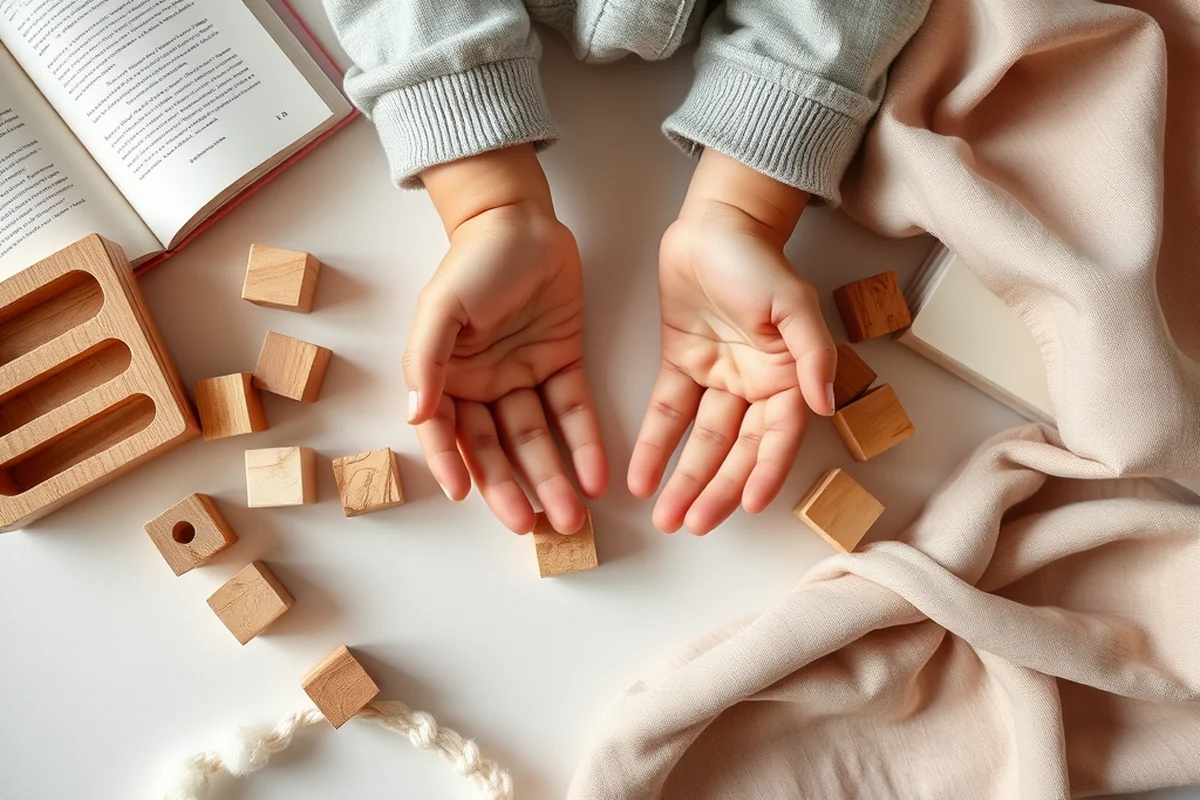
One of the biggest benefits of process art for babies is that it supports sensory development. I’ve noticed that my daughter is more curious about textures, colors, and sounds after we started doing process art. She loves exploring different materials and experimenting with them in her own way.
In the first month of doing process art for babies, I saw a huge improvement in my daughter’s fine motor skills. She was able to grasp and manipulate materials more easily, and she became more confident in her movements. It was incredible to watch her develop these skills through play.
Process art for babies also supports emotional expression. My daughter used to be very shy, but now she’s more expressive and confident. She’s able to show her emotions through her art — whether it’s joy, frustration, or curiosity — and I’ve learned to listen and support her in her own way.
Related: Free and printable coloring pages for kids
How to Use Process Art for Babies with Toddlers
I’ve found that process art for babies is just as effective with toddlers. My daughter, who is now two years old, still loves playing with process art. She’s more coordinated now, and she enjoys using different materials to create her own unique masterpieces.
With toddlers, I like to introduce more complex materials — like playdough, water beads, or even sand. These materials offer a new level of sensory experience and allow my daughter to explore in more detail. I’ve noticed that she’s more focused and engaged when she has more options to choose from.
I also like to encourage my daughter to experiment with different tools — like paintbrushes, sponges, and even her fingers. She loves using her hands to paint, and it’s a great way for her to build her fine motor skills.
Related: How to color pages for kids
How to Keep Process Art for Babies Engaging Over Time
I’ve learned that keeping process art for babies engaging requires some creativity. I try to introduce new materials every few weeks — like different types of paints, or even natural materials like leaves or stones. This helps keep the experience fresh and exciting for my daughter.
I also like to change the setup of the process art area. Sometimes I use a tray, other times I use a mat or a table. This helps create a new environment for my daughter to explore in, which keeps her interested and engaged.
Finally, I make sure to rotate the activities regularly. I might do a day with shaving cream, a day with cornstarch, and a day with water and paint. This variety helps keep my daughter excited and curious about process art for babies.
Variety is the spice of process art.
Related: Art activities for kids
How Process Art Helps with Emotional Development
I’ve noticed that process art for babies is a great way to help children express their emotions. My daughter often uses her art to show her feelings — whether it’s happiness, frustration, or curiosity. It’s a safe and non-judgmental way for her to explore her emotions.
One of the most surprising benefits of process art for babies is that it helps with self-regulation. I’ve noticed that my daughter is more aware of her emotions and is better at managing them. She learns to calm herself down when she’s upset by using the materials in process art — it’s like a natural form of emotional regulation.
Process art for babies also helps build confidence. My daughter has become more confident in her abilities and more willing to try new things. She knows that there’s no right or wrong way to do it — just exploration and creativity.
🧸 Gentle Approach
Focus on sensory exploration with minimal mess and soft materials like baby-safe playdough and water-based paints.
⏱️ Fast-Track
Use quick-drying materials like watercolor paints and paper to keep the process art session short and easy to clean up.
🧳 Travel/away-from-home
Use portable materials like travel-sized washable paints and a small tray for process art on the go.
👶 Multiples
Create a shared process art experience for multiple babies with large trays and shared materials to encourage interaction and collaboration.
🔄 Regression Reset
Use process art to help babies regain confidence during developmental regression by focusing on simple, familiar materials and activities.
| The mistake | Why it happens | The fix |
|---|---|---|
| Trying to control the outcome of the art | Process art for babies is about exploration, not perfection. Trying to control the outcome can be stressful for the child and reduce the learning experience. | Let your baby explore without interference. Focus on the experience, not the result. |
| Using materials that are not baby-safe | Using non-toxic, baby-safe materials is essential for process art with babies. Materials that are harmful if ingested can be dangerous. | Always choose baby-safe, non-toxic materials for process art. Avoid anything that could be harmful if ingested. |
| Not allowing enough time for exploration | Process art for babies requires time for exploration and discovery. Rushing the session can reduce the learning and creative benefits. | Allow your baby time to explore and experiment without pressure. Let them take their time with the materials. |
| Overloading the process art area with too many materials | Too many materials can be overwhelming for babies and reduce their ability to focus and explore effectively. | Start with a few simple materials and gradually introduce more as your baby becomes more engaged and confident. |
Process Art For Babies
Common Questions
What age is best for process art with babies?
How long should a process art session last for babies?
Are there any safety concerns with process art for babies?
Can process art be used as a learning tool?
References
- South Carolina Early Learning Standards (ed.sc.gov)
- Intentional teaching for visual arts in Early Childhood Education - ERIC (files.eric.ed.gov)
Cite this guide
Messysenses (2026). Process Art For Babies. https://messysenses.com/process-art-for-babies/
Feel free to cite or share this guide.