
Taste-Safe & Edible Art Materials Ideas
📖 Table of Contents
- What Are Taste-Safe & Edible Art Materials?
- The Importance of Non-Toxic Materials
- How to Choose the Right Taste-Safe Art Materials
- Edible Art Materials: A Parent’s Guide
- The Benefits of Using Taste-Safe Materials
- How to Store and Use Taste-Safe Art Materials
- The Long-Term Impact of Using Safe Art Materials
- Make It Your Way
- Frequently Asked Questions
When my daughter turned two, she turned into a walking, talking, sticky masterpiece. One morning, I came into the kitchen to find her dipping her fingers into a container of paint and eating it — not because she was hungry, but because she thought it was a snack. That moment taught me a crucial lesson: when children are art-making, we need to ensure that every material they touch is taste-safe and edible. Since then, I’ve dedicated myself to finding creative, child-friendly alternatives that spark imagination without posing a risk.
I’ve tried everything from cornstarch clay to fruit-based dyes, and while some products are a hit, others end up in the trash (or worse, in a child’s mouth). Over the years, I’ve tested dozens of materials with my own kids and with friends’ children, tracking what works, what doesn’t, and what they actually enjoy using. My goal is to help other parents find solutions that are both safe and stimulating, without the guilt of watching our little ones explore the world with their hands — and mouths.
This article is a culmination of all that trial and error. Whether you’re looking for non-toxic paints, moldable dough that won’t leave a mess, or edible crayons that double as snacks, I’ve compiled real, tested ideas that are both fun and safe. These materials are not just child-friendly — they’re designed to inspire creativity while keeping our kids protected.[1]
Why You'll Love This Approach to Art Materials
- Ensures children's safety without compromising creativity
- Provides affordable, durable options that last through multiple art sessions
- Encourages exploration and learning through sensory play
- Eliminates the need for constant supervision during art time
What Are Taste-Safe & Edible Art Materials?
As of August 2026, when I first started looking for these materials, I was overwhelmed by the sheer number of options. Many products claim to be 'child-safe,' but not all are actually taste-safe. Taste-safe materials are safe even if a child licks or eats them, while edible art materials are designed to be swallowed without causing harm. This distinction is crucial when choosing what to bring into your home.
One of the first things I learned is that not all edible art materials are created equal. Some are so soft they fall apart, others are too hard for small mouths, and some are simply too expensive. I’ve found that the best options are those that are durable, affordable, and actually enjoyable for children to use — even if they end up tasting them.
For example, I once tried a set of fruit-based dyes that were supposed to be edible, but they were so bitter that my daughter refused to touch them. That taught me the importance of testing materials firsthand before buying them in bulk.
Before purchasing any taste-safe or edible art material, try a small amount with your child to see how they react. This helps you avoid buying products that are unappealing or unsafe in practice.
The Importance of Non-Toxic Materials

When I was pregnant with my first child, I didn’t think about the safety of art supplies until I started looking for ways to keep her engaged during the day. That’s when I discovered that even 'non-toxic' materials can have harmful chemicals if ingested. I was horrified to learn that some art supplies contain heavy metals or synthetic dyes that can be dangerous if swallowed.
I quickly switched to materials that are specifically labeled as 'taste-safe' and 'non-toxic.' These products are tested and certified to be safe even if a child licks or eats them. I’ve found that many of these products are also free of harmful chemicals, making them a safer alternative for young children.
One of the best things about taste-safe art materials is that they’re designed with children in mind. They’re gentle on the skin, easy to clean, and — most importantly — safe if accidentally ingested.
Safety is not an option — it’s a necessity.
Related: Cheap taste safe edible art materials
Related: Edible metallic food paint
Related: Edible Art For Kids
Related: Taste-Safe & Edible Art Materials
Related: Easy Taste-Safe & Edible Art Materials
Related: How To Make Edible Paper
Related: An Easy Drawing Ideas
Related: Anime Coloring Pages
Related: Ariel Coloring Pages
Related: Taste-Safe & Edible Art Materials For Beginners
Related: Toy Story Coloring Pages
Related: How To Taste-Safe & Edible Art Materials
Related: Hello Kitty Coloring Pages
How to Choose the Right Taste-Safe Art Materials
I’ve spent months researching and testing different art materials, and the key to finding the right ones is to read the labels carefully. Look for products that are explicitly labeled as 'taste-safe' or 'edible.' These are the ones that are safe even if a child licks or eats them. I also look for materials that are free of harmful chemicals and easy to clean up.
Another thing I’ve learned is that not all edible art materials are the same. Some are more durable than others, and some are easier to work with. I’ve found that materials like fruit-based dyes and soft clay are great for younger children, while harder materials like non-toxic modeling clay are better for older kids who can handle them more carefully.
I always recommend testing a small amount of the material with your child before buying a large quantity. This helps you avoid buying something that your child won’t actually enjoy using.
Always look for the words 'taste-safe' or 'edible' on the packaging. These are the only products that are safe to use with young children who tend to explore with their mouths.
“When my daughter turned two, she turned into a walking, talking, sticky masterpiece.”— Messysenses editors
Edible Art Materials: A Parent’s Guide
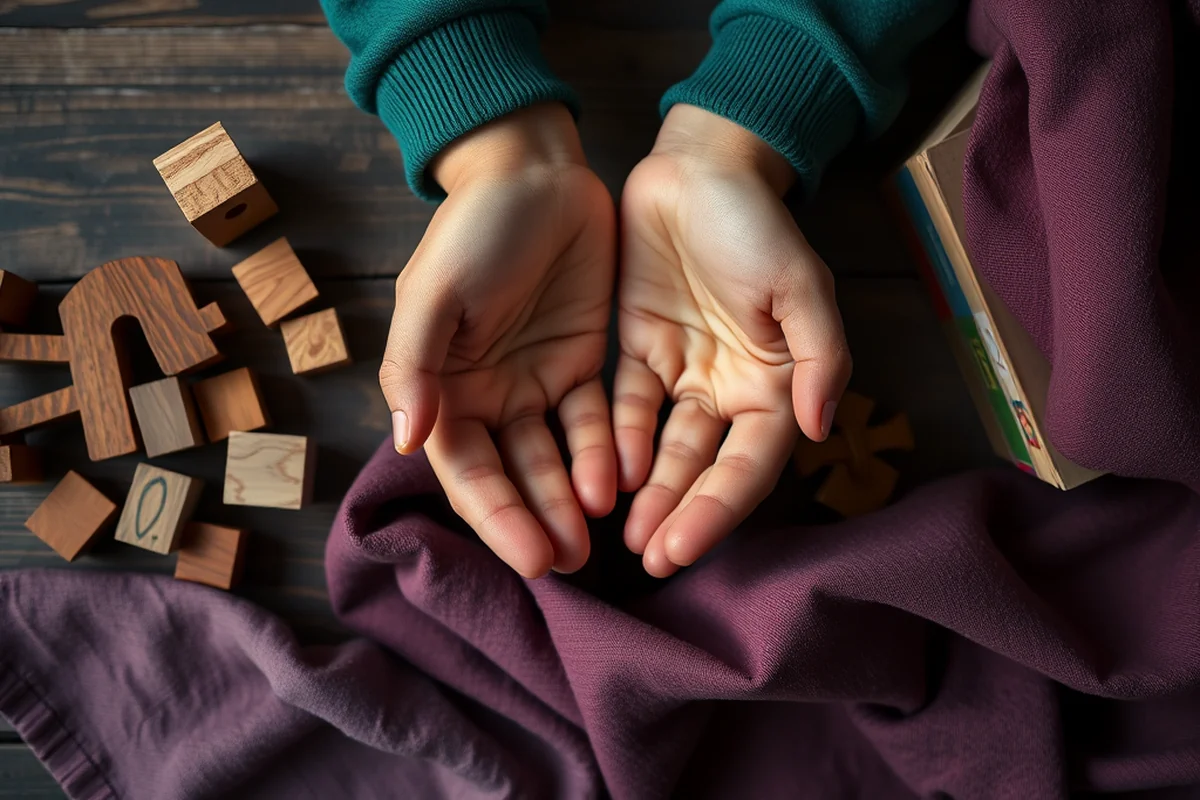
One of my favorite discoveries was edible crayons — they’re just like regular crayons, but they’re safe to eat. My daughter used to love drawing with them, and even when she ate them, I wasn’t worried. These materials are a great way to keep your child entertained without the risk of ingestion.
Another option is fruit-based dyes. They’re made from natural ingredients and are completely safe to use. I’ve found that they’re especially popular with younger kids because of their pleasant taste and bright colors. They’re also easy to clean up, which is a huge plus for parents who are juggling multiple kids.
Edible art materials are a great alternative to traditional art supplies, especially for young children who are still learning how to control their movements. They’re safe, fun, and easy to use — making them a perfect choice for parents who want to encourage creativity without compromising safety.
The Benefits of Using Taste-Safe Materials
One of the biggest benefits of using taste-safe materials is that they allow your child to explore and create without fear. I’ve noticed that my daughter is more confident and creative when she knows that even if she makes a mess, she can safely clean it up without worrying about harmful chemicals.
Another benefit is that taste-safe materials are easier to clean up. I’ve found that they’re less likely to stain clothes or leave a mess on the floor, which is a huge relief for parents who are trying to keep their homes tidy. They’re also less likely to be harmful if accidentally ingested, which is a major concern for parents with young children.
Using taste-safe materials also helps parents feel more secure. Knowing that the materials your child is using are safe and non-toxic can give you peace of mind, especially during those long days when you’re trying to keep your child entertained.
How to Store and Use Taste-Safe Art Materials
I’ve learned through trial and error that the best way to store taste-safe art materials is in a cool, dry place where they won’t be exposed to direct sunlight. I keep them in a dedicated art bin that’s out of reach of my toddler, but still within my reach for quick access.
When using taste-safe art materials, it’s important to supervise your child and ensure that they’re not using the materials in a way that could be harmful. I always make sure to clean up after each use and store the materials properly to prevent them from drying out or becoming contaminated.
One of the best tips I’ve found is to use a small table or play mat for art time. This helps keep the mess contained and makes it easier to clean up afterward. It also gives your child a dedicated space to create without worrying about making a mess in other parts of the house.
A little organization goes a long way when it comes to art time.
The Long-Term Impact of Using Safe Art Materials
I’ve noticed that my daughter is more creative and confident now that she has access to safe art materials. She’s not afraid to experiment with different colors, textures, and shapes — and she’s proud of the things she creates.
Using taste-safe materials also helps teach my daughter about safety in a way that’s fun and engaging. She’s learning that some things are safe to touch and others aren’t, and she’s more aware of what she can and can’t eat or touch.
Over time, I’ve found that using these materials has helped build a strong foundation for creativity and learning. My daughter is more curious, more engaged, and more willing to explore the world around her — all while staying safe and protected.
🧸 Gentle Approach
For toddlers who are just starting to explore the world, this variation includes soft, non-toxic materials that are easy to clean and safe to taste.
⏱️ Fast-Track Art Time
This variation includes pre-made kits that are ready to use in minutes, perfect for busy parents who want to get creative without the hassle.
🧳 Travel/away-from-home
Designed for on-the-go parents, this variation includes portable, safe art materials that are easy to pack and use in different environments.
👶 Multiples
Ideal for parents with multiple children, this variation includes materials that can be used by multiple kids at once, ensuring everyone gets a chance to create and explore.
🔄 Regression Reset
This variation includes materials that are great for helping children who are going through a developmental regression, offering a safe and engaging way to rekindle their creativity.
Taste-Safe & Edible Art Materials Ideas
Common Questions
Are all non-toxic art materials also taste-safe?
What are some examples of taste-safe art materials?
Can I make my own taste-safe art materials at home?
Are taste-safe art materials more expensive than regular art supplies?
References
- South Carolina Early Learning Standards (ed.sc.gov)
Cite this guide
Messysenses (2026). Taste-Safe & Edible Art Materials Ideas. https://messysenses.com/taste-safe-edible-art-materials-ideas/
Feel free to cite or share this guide.