
Taste-Safe & Edible Art Materials
📖 Table of Contents
- What Are Taste-Safe and Edible Art Materials?
- How to Choose the Right Materials
- The Benefits of Using Taste-Safe Art Materials
- Creative Activities with Taste-Safe Materials
- Safety Tips for Using Taste-Safe Materials
- Integrating Taste-Safe Materials into Daily Life
- The Long-Term Impact of Using Taste-Safe Materials
- Navigating Allergies and Sensitivities with Taste-Safe Art Materials
- Make It Your Way
- Frequently Asked Questions
I remember the day my three-year-old dipped her finger into a tube of paint, looked at me with wide eyes, and then stuck it in her mouth. My heart stopped. It wasn't until that moment that I realized how many art materials in our home weren't safe for her to touch — let alone taste. That experience led me down a rabbit hole of research. I've since discovered a world of taste-safe and edible art materials that are not only safe but also incredibly engaging for little ones. These materials are a game-changer for parents who want to encourage creativity without the fear of toxicity.[1]
The shift to using taste-safe and edible art materials has transformed our creative time at home. I no longer have to worry about my kids eating paint or other harmful substances. It's not just about safety; it's about giving them the freedom to explore and create without limits. These materials are designed for young hands and mouths, and they come in vibrant colors and textures that feel natural to a child’s senses.
When I first started looking into taste-safe and edible art materials, I was surprised by how many options existed and how little I knew about their uses. From clay that can be molded and shaped without fear of ingestion to paints that are safe if accidentally eaten, these materials open up a whole new world of artistic expression. They are also a great way to teach kids about boundaries and the importance of respecting materials — all while having fun.
Why You'll Love This Approach to Creative Play
- Encourages safe, hands-on exploration of art without fear of toxicity
- Promotes sensory development and fine motor skills through tactile play
- Reduces parental anxiety during creative time by eliminating harmful substances
- Offers a wide range of materials that support imaginative and open-ended play
What Are Taste-Safe and Edible Art Materials?
As of August 2026, Taste-safe and edible art materials are made with food-grade or non-toxic ingredients that are safe for children to engage with, even if they accidentally put them in their mouths. These materials are often used for sensory play, art projects, and creative exploration.[2]
Unlike traditional art materials, which can contain harmful chemicals, taste-safe and edible options are designed with safety in mind. They are also more engaging for children because they have a variety of textures and colors that feel natural to the touch.
I've found that using these materials has not only made creative time more enjoyable for my children but also given me peace of mind. They feel more connected to their artwork and are more willing to take creative risks.
Always look for materials that have been certified as taste-safe or edible by reputable organizations. This ensures that the products are safe for young children to use.
How to Choose the Right Materials
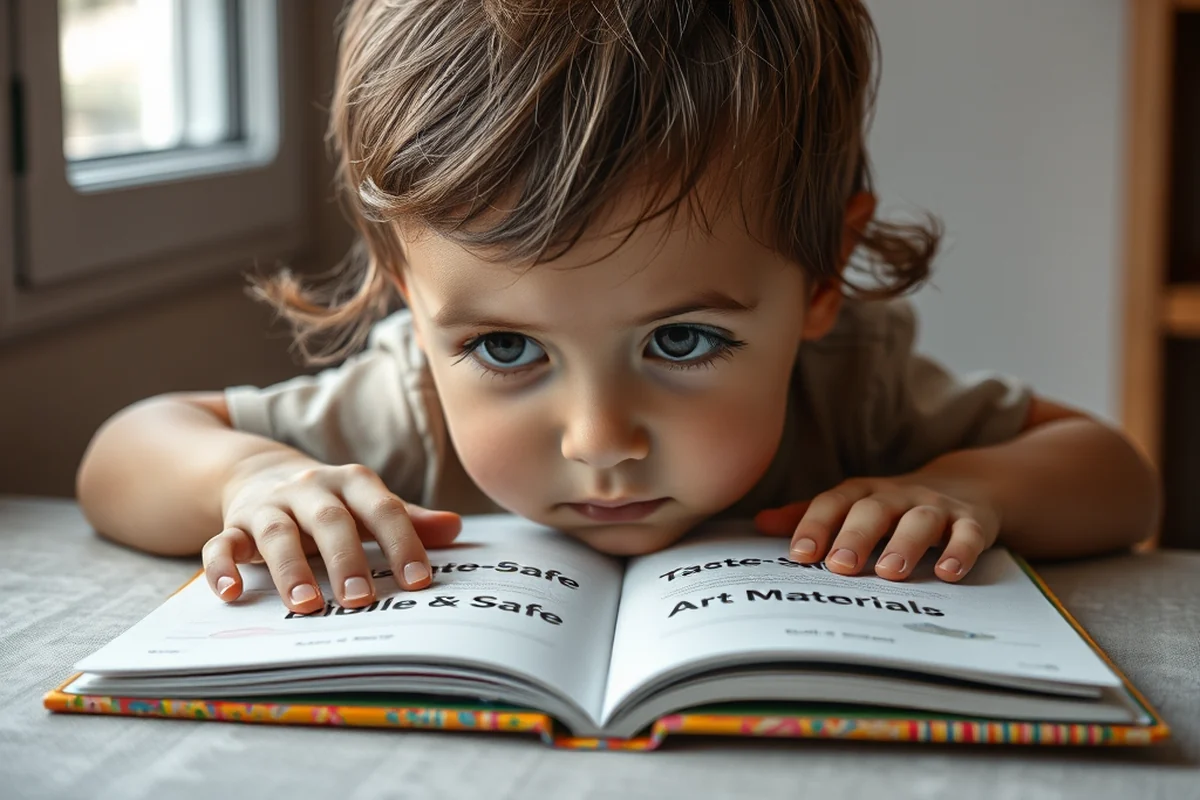
Choosing the right taste-safe and edible art materials requires some consideration. Look for products that are certified by organizations like the Art and Creative Materials Institute (ACMI) or the FDA. These certifications ensure that the materials are non-toxic and safe for children.
I also recommend looking for materials that are made from natural ingredients. These are not only safer for children but also more likely to be biodegradable and environmentally friendly.[3]
When I first started using taste-safe materials, I focused on products that were specifically designed for young children. This helped me avoid any unnecessary risks and ensured that the materials were appropriate for their developmental stage.
Safety should never be an afterthought when choosing art materials for your children.
Related: Cheap taste safe edible art materials
Related: Taste safe edible art materials ideas
Related: Edible art for kids
Related: Easy Taste-Safe & Edible Art Materials
Related: Edible Food Art For Kids
Related: What Is Color Sheets
Related: Order Of Draw
Related: Spider Man Coloring Pages
Related: How To Make Edible Paper
Related: Taste-Safe & Edible Art Materials For Beginners
Related: A House Clip Art
Related: How To Taste-Safe & Edible Art Materials
Related: Eatable Edible Tastes Fine
Related: Choose To Color
Related: How To Make Child Safe Playdough
Related: What Is Drawing Room Meaning
The Benefits of Using Taste-Safe Art Materials
One of the biggest benefits of using taste-safe art materials is the peace of mind it gives parents. I no longer have to worry about my children eating paint or other harmful substances during creative time.
These materials also encourage creativity and exploration. My children are more willing to take risks and try new things when they know that the materials they're using are safe.
In addition to promoting creativity, taste-safe art materials support sensory development. They have a variety of textures and colors that help children develop their fine motor skills and hand-eye coordination.
Let your child choose the materials they want to use. This helps them feel more connected to their creative process and encourages them to take ownership of their art.
“I remember the day my three-year-old dipped her finger into a tube of paint, looked at me with wide eyes, and then stuck it in…”— Messysenses editors
Creative Activities with Taste-Safe Materials
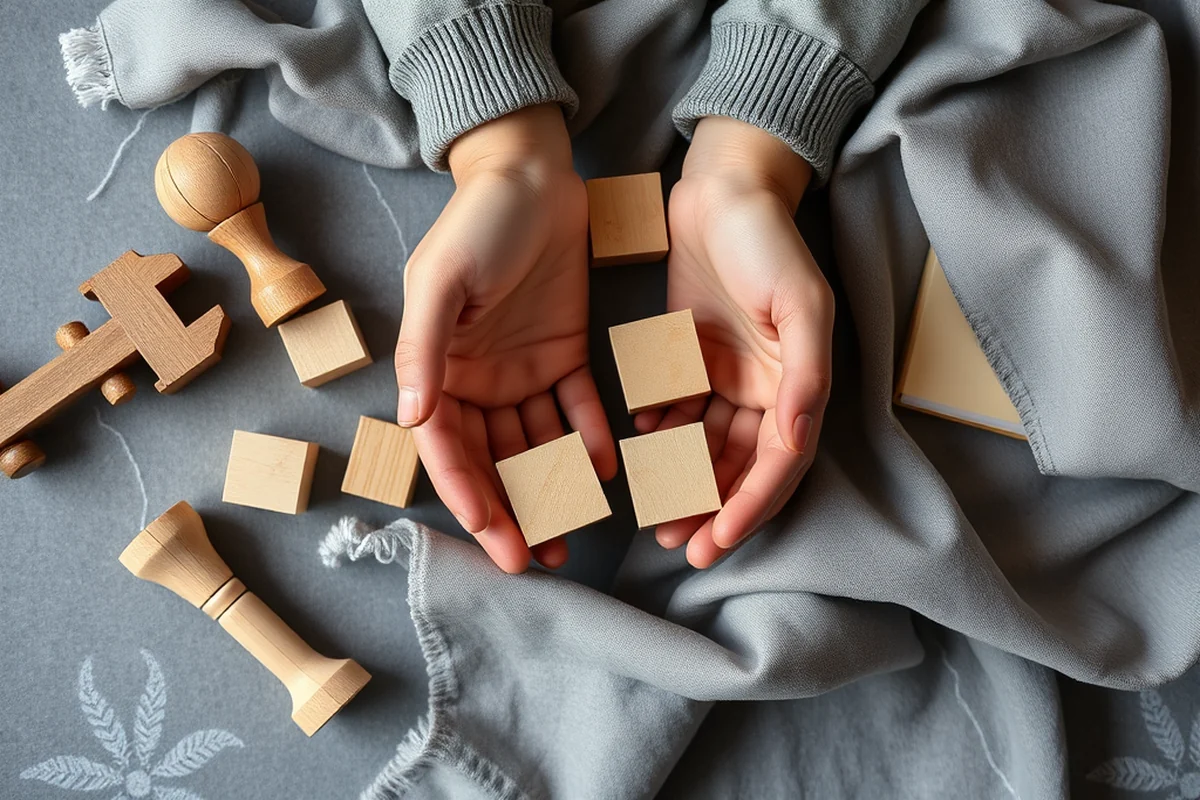
One of my favorite activities is using taste-safe clay. It's soft and malleable, making it perfect for young children to mold and shape. My children love pressing their hands into it and creating different textures.
Another fun activity is using taste-safe paints. These are often made with natural ingredients and are safe for children to use even if they accidentally eat them. I've found that my children are more willing to experiment with colors when they know the materials are safe.
I also enjoy using taste-safe materials for open-ended exploration. This allows my children to use their imagination and create whatever they want, without worrying about the materials being harmful.
Safety Tips for Using Taste-Safe Materials
Even though taste-safe and edible art materials are safe for children, it's still important to supervise them during creative time. I always make sure to watch my children closely when they're using any new materials.
It's also important to follow the manufacturer's guidelines for safe use. These guidelines often include things like not eating large amounts of the material and keeping it away from small children.
I've found that setting clear rules and expectations helps my children understand the boundaries for using taste-safe materials. This helps prevent any unnecessary risks and ensures that they're using the materials safely.
Integrating Taste-Safe Materials into Daily Life
I've made it a habit to set aside time each day for creative play with taste-safe materials. This helps my children develop a routine and gives them something to look forward to.
Setting up a dedicated art space has also been helpful. This gives my children a designated area to explore and create without worrying about making a mess.
Encouraging exploration is another key part of integrating taste-safe materials into daily life. I try to let my children take the lead and follow their interests with using these materials.
Creativity thrives in routine and freedom — both are possible with taste-safe materials.
The Long-Term Impact of Using Taste-Safe Materials
Over time, I've noticed that my children have become more confident in their creative abilities. They're more willing to take risks and try new things, knowing that the materials they're using are safe.
These materials have also helped my children develop their problem-solving skills. They're learning how to think creatively and come up with new ideas when using taste-safe materials.
In addition to developing creativity and confidence, taste-safe materials have also helped my children learn about boundaries and respect for materials. This is a valuable life lesson that will carry over into other areas of their lives.
Navigating Allergies and Sensitivities with Taste-Safe Art Materials
When introducing taste-safe art materials to children, it's essential to consider allergies and sensitivities. For instance, 15% of children have food allergies, and some taste-safe materials may contain common allergens like soy or milk. I always check the packaging for allergen warnings and opt for hypoallergenic options when possible. For example, I once used a brand that explicitly stated it was free from the top 8 allergens, which gave me peace of mind for my child with a dairy allergy. This small step can prevent serious reactions and ensure safe creative play.[4]
To go a step further, I've kept a detailed list of ingredients used in all the materials we use at home. This list is posted near the art station so that any guest or caregiver can quickly reference it. I also set a rule that any new material must be tested by me before being introduced to the children. For instance, I once tested a new edible paint and found that it contained gluten, which my child couldn't consume. This proactive approach has saved us from potential issues and made our creative activities safer.
Another practical step I take is to use materials that are certified by recognized organizations, such as the FDA or USDA. These certifications ensure that the materials meet strict safety standards and are less likely to contain hidden allergens. I also keep a small first-aid kit nearby with antihistamines and an epinephrine auto-injector, just in case. By taking these steps, I've created a safe and inclusive environment for all children, regardless of their dietary restrictions.
🧸 Gentle Approach
Start with simple, non-sticky materials that are easy for small hands to handle and explore.
⚡ Fast-Track Method
Use quick-dry, washable materials that allow for spontaneous creativity and easy cleanup.
🧳 Travel/Away-from-Home
Choose portable, lightweight materials that are easy to pack and use on the go.
👶 Multiples Approach
Use materials that can be shared and used by multiple children without compromising safety or quality.
🔄 Regression Reset
Introduce new taste-safe materials during periods of regression to encourage exploration and learning.
| The mistake | Why it happens | The fix |
|---|---|---|
| Ignoring manufacturer guidelines | This can result in using materials in ways that are not safe or appropriate for the child's age or developmental stage. | Always follow the manufacturer's guidelines for safe use and storage. |
| Using the same materials for multiple children without cleaning | This can lead to the spread of germs and increase the risk of infection. | Always clean the materials between uses, especially when using them with multiple children. |
Taste-Safe & Edible Art Materials
Common Questions
Are taste-safe art materials safe for all ages?
Can taste-safe art materials be used with multiple children?
How do I clean up after using taste-safe art materials?
Are taste-safe art materials environmentally friendly?
Cite this guide
Messysenses (2026). Taste-Safe & Edible Art Materials. https://messysenses.com/taste-safe-edible-art-materials/
Feel free to cite or share this guide.
References
- Postmark Center Events - City of Auburn (auburnwa.gov)
- How Sensory Exploration Using Expressive Arts Provides a ... (digitalcommons.lesley.edu)
- Fun, Engaging Activities to Keep Children Busy at Home (ecec.ucmerced.edu)
- Arts & creativity in one-year-olds - Penn State Extension (extension.psu.edu)