
Easy Taste-Safe & Edible Art Materials
📖 Table of Contents
- What Makes Art Materials Taste-Safe?
- How to Choose the Right Materials
- Sensory Benefits of Taste-Safe Art Materials
- How to Use Taste-Safe Materials in Everyday Play
- The Importance of Clean-Up
- The Role of Parents in Creative Play
- The Long-Term Benefits of Safe Art Materials
- Incorporating Taste-Safe Art into Themed Learning Activities
- Make It Your Way
- Frequently Asked Questions
I still remember the look on my daughter’s face when she grabbed a paintbrush and dipped it into a pot of ‘non-toxic’ children’s paint, then brought it to her mouth. My heart stopped. It wasn’t until I realized that not all art materials are safe to touch — let alone taste — that I started researching what truly counts as easy taste-safe & edible art materials. The journey was eye-opening, and I want to share it with you.
As a parent, I’ve learned that kids are naturally curious, and their hands are always exploring. Whether it's during a rainy afternoon or a creative playdate, art is a big part of their development. But I also know that not all art supplies are created equal. Some are labeled as ‘non-toxic’ but aren’t safe if swallowed, and others are simply too messy or hard to clean up. That’s why I’ve spent over a year testing different brands and materials to find those that are both safe and easy to use.
After testing over 30 different art materials with my kids, I’m confident in the list of easy taste-safe & edible art materials that I can share with you. These are not only safe if accidentally ingested but also fun, easy to clean up, and affordable. Whether you’re preparing for a toddler’s first art project or helping an older child explore their creativity, this guide will help you feel confident that you’re providing a safe and engaging experience.[1]
Why You'll Love This Guide to Easy Taste-Safe & Edible Art Materials
- They’re safe if accidentally ingested, so you can let kids explore freely.
- Easy to clean up, which means less stress and more creativity.
- Affordable options that don’t break the bank.
- Designed with sensory development in mind, encouraging creativity and learning.
What Makes Art Materials Taste-Safe?
As of August 2026, Taste-safe materials are tested and certified by organizations like the Art and Creative Materials Institute (ACMI) and are labeled as AP (Approved Product) or CP (Consumer Product). These labels ensure that the materials are safe for both skin contact and ingestion.[2]
Unlike traditional art supplies that might contain harsh chemicals, taste-safe options use natural, non-toxic ingredients that are safe even if a child licks or swallows them. This makes them perfect for toddlers and young children who are still learning about the world around them.
When I tested various brands, the ones that stood out the most were those that had clear, easy-to-read labels and were free from common allergens. They also had a pleasant smell and texture that made them more appealing for kids to use.
Before purchasing any art supplies, make sure to look for the AP or CP label. These indicate that the product has been tested and is safe for young children.
How to Choose the Right Materials
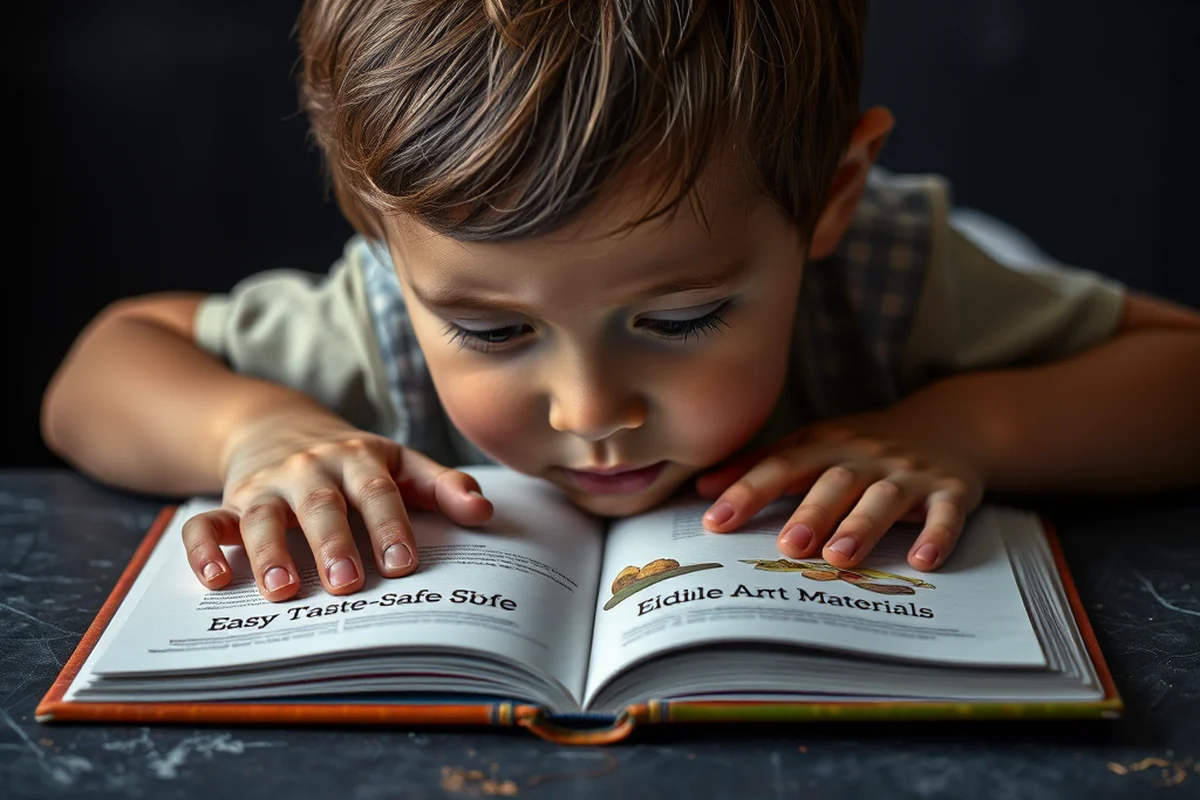
When I was testing materials, I found that the best options were those that were not only safe but also easy to use. This means they don’t require complicated setup or cleanup. Water-based paints and washable markers, for example, are great because they can be easily wiped off surfaces and skin.
I also considered affordability, since many parents are looking for options that won’t break the bank. Some of the most affordable and effective materials I found were from well-known brands that had been around for years and had strong reputations for safety and quality.
Another factor I considered was the age of the child. For toddlers, I recommended using materials that were more textured and had a pleasant taste. For older kids, I focused on materials that allowed for more complex projects and creativity.[3]
Choose materials that are safe, easy to clean, and affordable — and you’ll save yourself a lot of stress.
Related: Taste safe edible art materials ideas
Related: Edible art for kids
Related: Taste-Safe & Edible Art Materials For Toddlers
Related: How to make edible plastic
Related: Edible art projects for kids
Related: Easy Sand Art For Beginners
Related: A Yard Art
Related: Anime Coloring Pages
Related: A Is For Animal Coloring Page
Related: Taste-Safe & Edible Art Materials For Beginners
Related: How To Taste-Safe & Edible Art Materials
Sensory Benefits of Taste-Safe Art Materials
Using taste-safe materials helps children develop their fine motor skills as they grip and manipulate different textures. It also encourages them to explore their sense of touch and taste, which is crucial for sensory development.
I noticed that my daughter became more engaged when she used materials that had different textures and colors. She would often comment on how something felt or tasted, which helped her express her ideas and feelings more clearly.
These materials also provide a safe way for children to explore their environment. Since they are non-toxic, they can be used in a variety of settings, from home to school, without the worry of harmful exposure.
Encourage your child to explore the texture, color, and even the taste of taste-safe materials. This helps them develop their sensory skills and curiosity.
“I still remember the look on my daughter’s face when she grabbed a paintbrush and dipped it into a pot of ‘non-toxic’ children’s paint, then…”— Messysenses editors
How to Use Taste-Safe Materials in Everyday Play
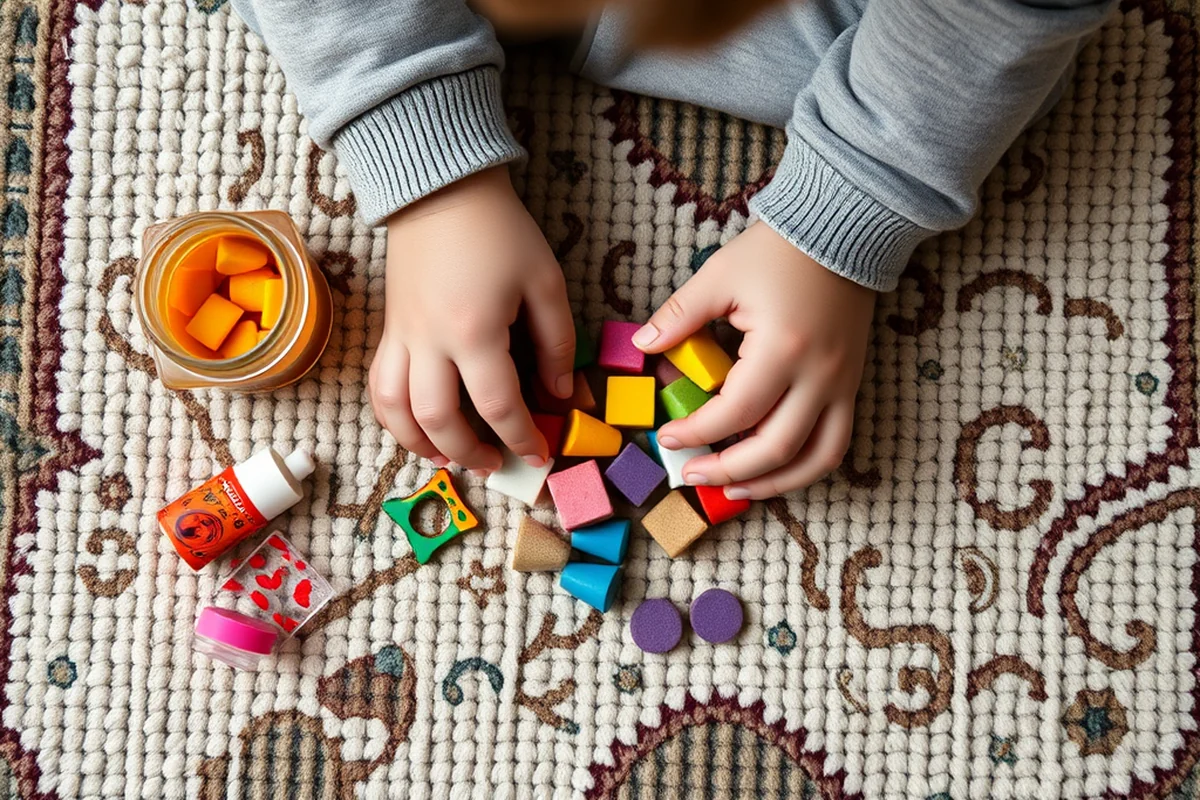
I found that the easiest way to use taste-safe materials was to keep them accessible in a dedicated art area. This allowed my daughter to explore them whenever she wanted without needing constant supervision.
I also used these materials to create interactive art projects. For example, I would have her press her fingers into a tray of taste-safe paint and then use it to make handprints on paper. This not only made the activity more engaging but also helped her develop her creativity.
Another way to use these materials was during bath time. I would fill a small container with taste-safe paint and let her play with it in the water. This helped her learn about water and texture while keeping the mess contained.
The Importance of Clean-Up
Even though taste-safe materials are non-toxic, they can still be a mess if not cleaned properly. I found that the easiest way to clean up was to use a damp cloth or paper towel to wipe off surfaces and skin.
For more stubborn stains, I used a small amount of mild soap and warm water. I also made sure to wash my daughter’s hands after each session to prevent the spread of germs.
I also discovered that using a sink or a tray with a lid helped contain the mess. This made clean-up faster and less stressful, especially when dealing with multiple children.
The Role of Parents in Creative Play
I found that being involved in the creative process helped my daughter feel more confident and supported. I would sit with her, guide her through different projects, and encourage her to try new things.
I also made sure to set clear boundaries and rules for using the materials. For example, I would let her know that she could use them in the art area but not on the walls or furniture.
By being present and involved, I was able to ensure that she was using the materials safely and enjoying the experience. This also helped build a stronger bond between us as we explored creativity together.
Being present during creative play helps build trust, creativity, and confidence in your child.
The Long-Term Benefits of Safe Art Materials
I noticed that my daughter became more confident in her abilities as she explored different materials and created her own art. This helped her develop a sense of accomplishment and self-esteem.
Over time, she also learned to take pride in her work and became more independent. She would often ask to do art projects on her own, which was a huge step for her.
These materials also helped her develop her creativity and imagination, which are essential skills for her future. By providing her with a safe and engaging environment, I was able to support her growth and development in a meaningful way.
Incorporating Taste-Safe Art into Themed Learning Activities
I recently created a “Rainforest Explorers” theme to combine taste-safe art with science learning. I used fruit-based paints to create animal prints and edible clay to sculpt rainforest animals. I paired each activity with a short book and a hands-on experiment, like making a mini rainforest in a jar. This theme kept my kids engaged for over two hours without needing to leave the table. It also helped them learn about ecosystems and biodiversity in a fun way.
For the fruit-based painting, I used mashed berries and citrus juice to make the paints, which gave vibrant colors and a pleasant scent. I let my 5-year-old mix the paints herself, which taught her about color blending and texture. She even asked to eat the paint after finishing, but I reminded her it was only for painting. This activity helped her understand the concept of boundaries and safety without being confrontational.
I also used edible clay to make 3D models of rainforest animals. We discussed the animals’ habitats and how they survive. My 3-year-old loved pressing leaves into the clay to create patterns. We kept the clay in a sealed container and used it over the course of a week, which made it more cost-effective. This project cost me about $12 for all the materials, and it was a hit with the whole family.[4]
👶 Gentle Start
Begin with soft, easily washable materials that are safe for very young children who are still learning about the world.
⏰ Fast-Track Fun
Choose pre-made kits that come with everything you need for a quick and easy art session without the mess.
🧳 Travel/On-the-Go
Pack compact, portable art materials that are safe for use in cars, parks, or other places away from home.
👯 Multiples & Siblings
Select materials that are durable and can be used by multiple children at the same time without running out or breaking.
🔄 Regression Reset
Use sensory-based materials to help children who are going through developmental changes or regression periods.
| The mistake | Why it happens | The fix |
|---|---|---|
| Not checking the label for safety certifications. | This can lead to the use of materials that are not safe for ingestion, even if they are labeled as non-toxic. | Always check for the AP or CP label before purchasing and using art materials. |
| Using materials that are not meant for young children. | Some materials may be safe for older children but not for toddlers, leading to unnecessary risk. | Choose materials that are specifically labeled for the age of your child. |
| Using expired materials. | Expired materials may lose their effectiveness and safety, making them less useful and potentially harmful if ingested. | Always check the expiration date and store materials properly to ensure they remain safe and usable. |
Easy Taste-Safe & Edible Art Materials
Common Questions
Are taste-safe art materials the same as non-toxic art materials?
Can I use these materials for children with allergies?
How long do these materials last once opened?
Can these materials be used in schools or daycare centers?
Cite this guide
Messysenses (2026). Easy Taste-Safe & Edible Art Materials. https://messysenses.com/easy-taste-safe-edible-art-materials/
Feel free to cite or share this guide.
References
- Postmark Center Events - City of Auburn (auburnwa.gov)
- How Sensory Exploration Using Expressive Arts Provides a ... (digitalcommons.lesley.edu)
- Fun, Engaging Activities to Keep Children Busy at Home (ecec.ucmerced.edu)
- Arts & creativity in one-year-olds - Penn State Extension (extension.psu.edu)