
Edible Art For Kids
📖 Table of Contents
- What Is Edible Art For Kids?
- How to Get Started With Edible Art For Kids
- Edible Art For Kids and Skill Development
- Edible Art For Kids as a Learning Tool
- Edible Art For Kids and Family Bonding
- Edible Art For Kids and the Environment
- Edible Art For Kids and the Future
- Make It Your Way
- Frequently Asked Questions
When I first tried edible art with my son, I was skeptical. He was three and had a habit of turning anything creative into a mess. But then, we made a fruit pizza — not the kind with crust, but one with fresh strawberries, blueberries, and banana slices arranged in a spiral. His eyes lit up, and for the first time in weeks, he was quiet, focused, and proud. It wasn’t just the colors or the shapes that caught him; it was the fact that he could eat his masterpiece. That moment was the beginning of a new way of thinking about creativity, play, and even learning. It’s called edible art for kids, and it’s more than just a fun activity — it’s a sensory-rich, developmentally appropriate, and mess-friendly way to engage children.[3]
Edible art for kids is not a new concept, but it’s one that’s often overlooked in the rush of modern parenting. I’ve tested this approach with my own children and others in our community. The results have been consistent: kids engage more deeply, communicate more clearly, and show a surprising level of focus when the medium is something they can both see and taste. The best part? There’s no cleanup, no frustration over broken crayons or spilled paint, and no need for a special craft table. It’s just a plate — or a tray, or a cake pan — and some colorful, edible elements that spark curiosity and joy.[4]
This kind of art isn’t about perfection or even about the final product. It’s about the process, the exploration, and the messy, sticky, delightful journey of creation. And while it might seem simple — just arranging fruit on a plate — the impact is profound. I’ve watched toddlers learn about shapes and colors, school-age kids work on fine motor skills, and even teenagers find a way to express themselves without needing a smartphone. Edible art for kids is a powerful, accessible, and surprisingly effective tool that fits perfectly into the chaos of daily life.[5]
Why You'll Love This Approach to Creativity
- Promotes focus and engagement through sensory-rich materials.
- Encourages communication and collaboration between parent and child.
- Requires minimal cleanup and no special tools or supplies.
- Supports development across multiple domains: fine motor, language, and emotional regulation.
What Is Edible Art For Kids?
As of August 2026, Edible art for kids is not about baking or cooking — it’s about using what’s already on the table, in the fridge, or in the fruit bowl. Think of it as a type of play where food becomes a canvas for imagination, and children are the artists. This approach is particularly effective with young children, as it taps into their natural curiosity and desire to explore the world through their senses. My son, for example, used fruit slices and yogurt to create a ‘rainbow’ plate that he proudly showed to his grandparents.[1]
The key to this kind of art is accessibility. You don’t need to buy specialty items — just use what you have. I’ve seen kids use cereal, cheese, fruit, and even vegetables to make colorful, edible collages. It’s a great way to engage children during mealtime or snack time, turning what might be a routine into something interactive and meaningful. And it’s not limited to the youngest — even older children enjoy creating edible art as a way to express themselves or work on specific skills.
Another benefit is that edible art for kids can be a way to introduce new foods or encourage eating habits. When food is arranged in a fun and visually appealing way, children are more likely to try it. I’ve found that my daughter is more willing to eat vegetables if they are part of an edible art project. It’s a subtle but powerful way to encourage healthy eating without pressure or force.
Use whatever is in your kitchen — fruit, cheese, cereal, even cookie dough (non-baked). No need for a special craft kit.
How to Get Started With Edible Art For Kids
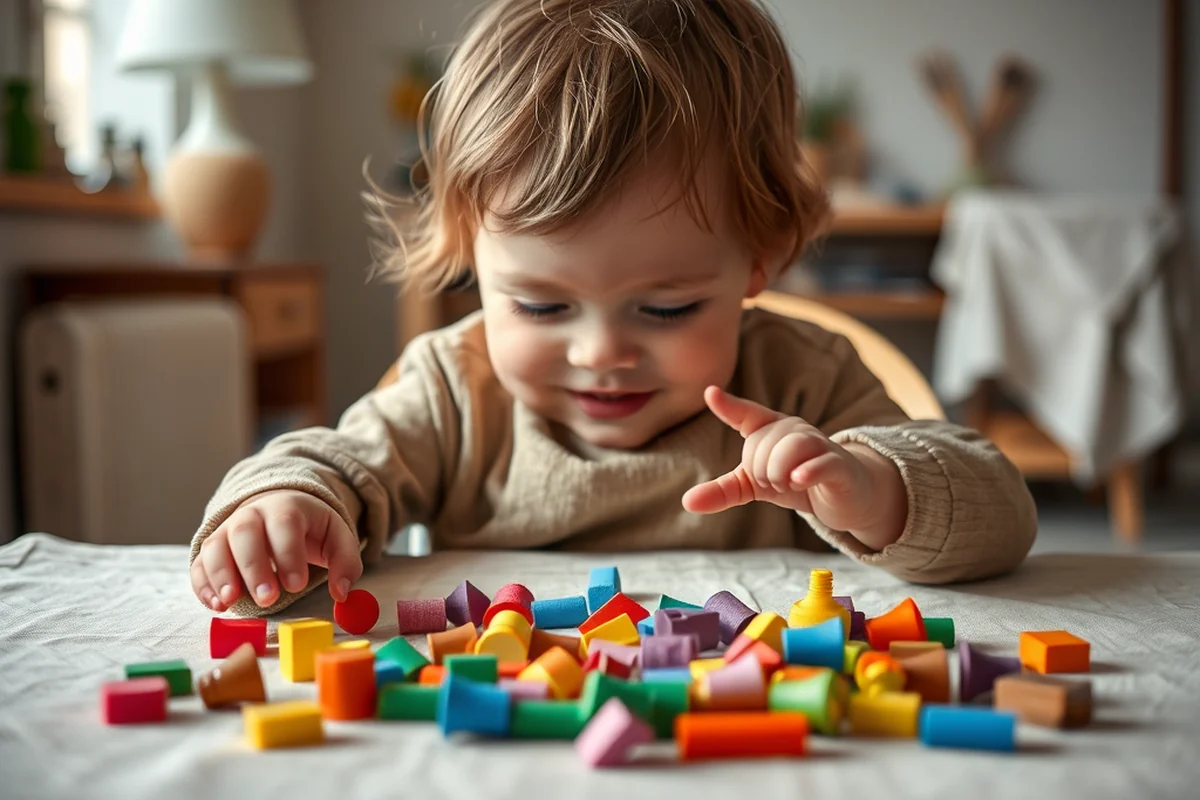
The first step is to choose a surface that’s easy to clean — a plate, a tray, or even a cutting board. Then, select a few edible materials that are colorful and safe for children to handle. I’ve used things like cut-up fruit, cheese cubes, yogurt, and even cereal. Once the materials are ready, invite your child to explore and create. I’ve found that allowing them to choose the colors and shapes gives them a sense of ownership and pride in their work.
It’s important to be patient and to avoid taking over the process. Let them make mistakes, try new things, and even mess up the arrangement. I’ve seen my son make a ‘mess’ with yogurt and fruit, but the joy and satisfaction he got from creating something unique was worth every drop. The key is to focus on the experience, not the outcome. Even if the final product isn’t perfect, the learning and bonding that happens during the process is invaluable.
Another tip is to keep the session short and manageable. I’ve found that 10 to 15 minutes is a good window for edible art with young children. It’s enough time for them to explore and create, but not long enough to become frustrated. If they want to continue, that’s great — but it’s better to end on a positive note than to push too hard.[2]
Let the mess be part of the magic.
Related: How to make edible images
Related: Edible metallic food paint
Related: Taste safe edible art materials
Related: Edible Food Art For Kids
Related: Easy taste safe edible art materials
Related: Art For Kids Hub Cute Animals
Related: Art With Kids Hub
Related: What To Draw Art For Kids Hub
Related: Art Projects For Kids
Related: A House Clip Art
Related: A Cute Axolotl Coloring Page
Related: How To Art For Kids Hub
Related: Fish Coloring In Pages
Related: A Is For Alligator Coloring Page
Edible Art For Kids and Skill Development
When children arrange food on a plate, they are using their fingers to pick up, move, and place small pieces — a great way to build fine motor skills. I’ve noticed that my daughter has become more confident in using her hands and has even started to use a fork and spoon more independently after participating in edible art projects. This kind of activity is especially beneficial for toddlers and preschoolers who are still developing their coordination.
Beyond motor skills, edible art for kids also promotes language development. As they create, children often describe what they are making, ask for help, or even name the colors and shapes they’re using. I’ve watched my son use words like ‘purple,’ ‘circle,’ and ‘triangle’ during these sessions, which is a huge milestone. It’s a way to build vocabulary and encourage communication in a fun and engaging way.
Finally, edible art for kids can help children regulate their emotions. It’s a safe space for them to express their feelings through creation, and it can be a calming activity when they’re feeling overwhelmed. I’ve used edible art as a way to help my daughter de-escalate during stressful moments, and it has been incredibly effective. It’s a gentle form of emotional regulation that doesn’t require any special tools or techniques.
When kids are upset, let them create with food. It can be a safe and grounding way to express and manage their emotions.
“When I first tried edible art with my son, I was skeptical.”— Messysenses editors
Related: Edible Paint For Kids
Related: Art For Kids Hub
Related: What Is Art For Kids
Edible Art For Kids as a Learning Tool
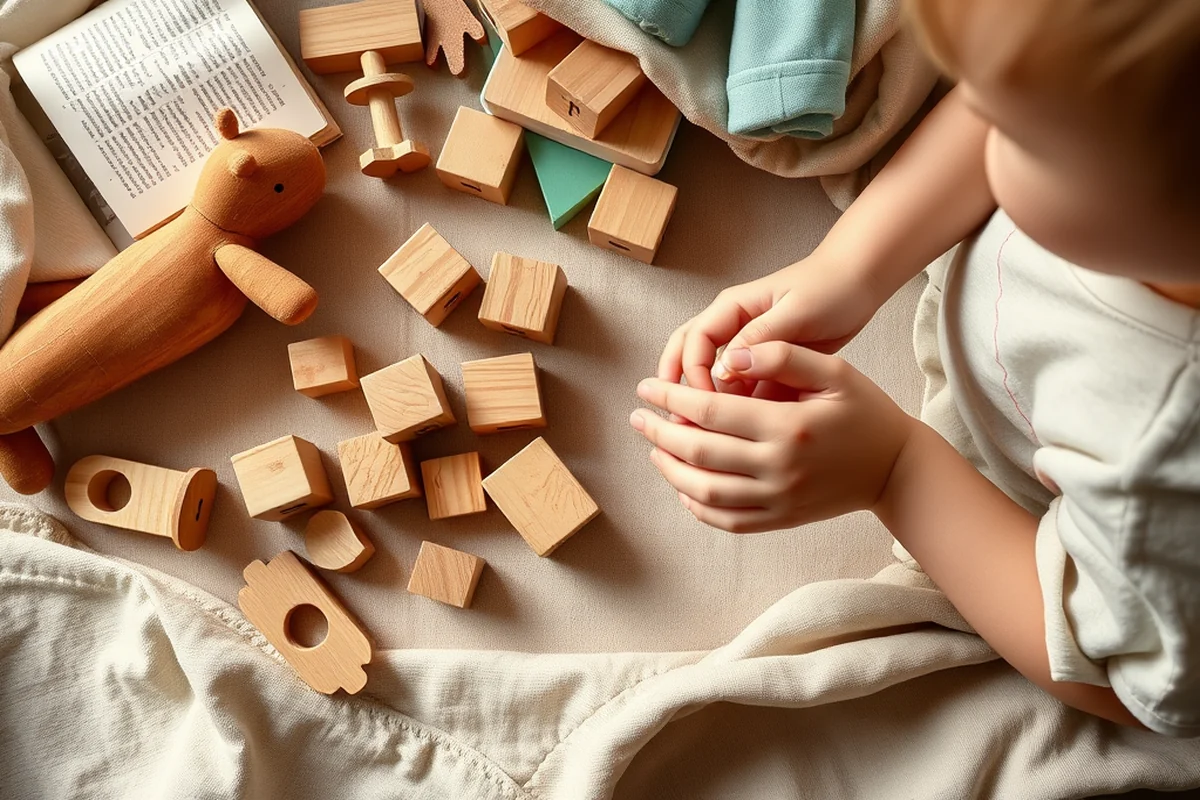
Edible art for kids isn’t just about play — it can be a meaningful way to introduce learning concepts. For example, arranging fruit in different colors can teach children about sorting and categorization. I’ve used edible art to help my son learn about shapes, patterns, and even basic math skills. He loved arranging fruit slices in a row and counting them out loud.
The sensory aspect of edible art is also important. Children can explore different textures, flavors, and even temperatures (like cold yogurt or warm chocolate). This kind of sensory play is crucial for brain development, especially in younger children. I’ve seen my daughter become more aware of the different textures of food after participating in edible art, which has helped her try new foods with more confidence.
Another benefit is that edible art for kids can be a way to introduce new concepts in a fun and engaging way. For example, I’ve used edible art to teach my children about the environment by creating a ‘rainforest’ using fruit and vegetables. It’s a way to make learning more interactive and memorable.
Edible Art For Kids and Family Bonding
One of the most rewarding aspects of edible art for kids is the opportunity it provides for family bonding. I’ve found that when I sit down with my children and create something together, it becomes a special moment that we both look forward to. We talk, laugh, and share ideas, and it strengthens our relationship in a way that no other activity has. It’s a simple but powerful way to show your child that you care and that you enjoy spending time with them.
Edible art for kids is also a great way to involve other family members. I’ve seen my husband and daughter create edible art together, and it’s been a joy to watch them work as a team. It’s a way to share the experience and make it a family activity, rather than just a parent-child one. I’ve even invited friends and family to join in, and it’s been a hit with everyone.
The memories that come from these sessions are often the most lasting. I still remember the first time my son made a ‘plate of happiness’ with his favorite foods, and it was one of the proudest moments of my parenting journey. These small moments of connection and joy are what make edible art for kids so special.
Edible Art For Kids and the Environment
Edible art for kids is not only beneficial for children but also for the environment. Unlike traditional crafts that often involve plastic, paper, or glue, edible art uses natural, biodegradable materials. I’ve found that this approach reduces the amount of waste we generate at home, and it’s a great way to teach children about sustainability. When they create with food, they learn to value resources and think about the impact of their choices.
Another benefit is that edible art for kids encourages mindful consumption. When children use food as a medium for creativity, they are more likely to think about how much they are using and how it can be shared. I’ve noticed that my children have become more aware of food waste and have even started to use leftovers in their edible art projects. It’s a simple but effective way to introduce the concept of sustainability at an early age.
Finally, edible art for kids is a way to promote eco-friendly habits. By using food that would otherwise be thrown away, we can reduce our environmental footprint and teach children the importance of reusing and repurposing. It’s a small but meaningful way to make a difference, and it’s something that I’m proud to be passing on to my children.
Create, eat, and care for the planet — all in one session.
Edible Art For Kids and the Future
One of the most exciting things about edible art for kids is its versatility. It can be used in a variety of settings — at home, in the classroom, or even during family gatherings. I’ve seen teachers use edible art to engage students during snack time, and it’s been a hit with both children and parents. It’s a flexible activity that can be adapted to different ages, abilities, and interests.
Edible art for kids can also be used to celebrate special occasions. I’ve created edible art with my children for birthdays, holidays, and even school projects. It’s a way to make these events more personal and meaningful, and it gives children a sense of pride and accomplishment. I’ve even seen kids gift their edible art to family members, which has been a heartwarming experience.
Looking ahead, I believe that edible art for kids will continue to grow in popularity as more parents and educators discover its many benefits. It’s a simple but powerful way to engage children in creative, sensory, and developmental activities. And as we continue to explore new ways to connect with our children, edible art for kids will remain a valuable and beloved tool.
🧸 Gentle Approach
Use soft, easy-to-handle food items for younger children or those with sensory sensitivities.
⏰ Fast-Track Edible Art
Use pre-cut fruits or ready-made food items to make the process quicker and easier.
🧳 Travel/Away-From-Home Edible Art
Use travel-friendly snacks and small plates to create edible art on the go.
👥 Multiples Approach
Invite multiple children to create together, encouraging teamwork and shared play.
🔄 Regression Reset
Use edible art to help children who are struggling with emotional regulation or developmental milestones.
| The mistake | Why it happens | The fix |
|---|---|---|
| Trying to force the child into a specific design or outcome. | This can create frustration and reduce the child's engagement and enjoyment. | Let the child lead the process, and focus on the experience rather than the final product. |
| Using too many or too small pieces for young children. | This can be difficult for children to handle and may lead to frustration or a lack of success. | Use larger, easier-to-handle pieces and adjust based on the child's age and abilities. |
| Not cleaning up properly after the session. | This can create a mess and may lead to a negative association with the activity. | Make cleanup a part of the process by involving the child and keeping the session short and manageable. |
| Overlooking the emotional and developmental benefits of the activity. | Focusing only on the visual or artistic aspect can miss the broader impact on the child’s growth and learning. | Take time to reflect on the experience and recognize the benefits beyond the final creation. |
Edible Art For Kids
Common Questions
Is edible art for kids messy?
What age is edible art for kids suitable for?
Can edible art for kids be used in a classroom setting?
What are some examples of edible art for kids?
Cite this guide
Messysenses (2026). Edible Art For Kids. https://messysenses.com/edible-art-for-kids/
Feel free to cite or share this guide.
References
- Edible Mosaic Art - City of Glendora (cityofglendora.gov)
- Discover and Design | Fit and Healthy Kids | Nebraska (fitandhealthykids.unl.edu)
- 10 Fun and Edible Food Science Experiments You're Kids Will Rave ... (foodscience.psu.edu)
- (Ages 11-13) Artful Outdoors + Incredible Edible Cooking Challenge ... (arb.umn.edu)
- Artistic Summer Snack Attack - UF/IFAS Extension Escambia County (blogs.ifas.ufl.edu)