
Edible Paint For Kids
📖 Table of Contents
The first time my toddler dipped her fingers into a pot of edible paint, I knew I’d found something special. It wasn’t just the way she giggled as the color swirled across her hand — it was the way she looked at me, eyes wide with wonder, as if I’d handed her a secret only she could understand. Edible paint for kids isn’t just a creative tool; it’s a way to engage little ones in a mess-free, safe, and wildly sensory experience that feels like magic to them. This is not about art — this is about connection, play, and the kind of joy that leaves your hands sticky and your heart full.[1]
There’s a reason I started making edible paint at home. I tried store-bought alternatives, but they never quite hit the mark. They felt too thin, too artificial, and worst of all, they didn’t make my daughter feel like she was creating something from nothing. That’s where edible paint for kids comes in — not as a product, but as a craft, a tradition, and a way to turn ordinary moments into something extraordinary. It’s messy, it’s fun, and it’s the kind of thing that gets passed down through generations of kids who want to leave their mark on the world.
What makes edible paint for kids so different is the way it engages all the senses — touch, sight, even taste, if you’re brave enough to let your child sample their work. I still remember the first time I let my daughter lick the paint off her fingers. It wasn’t just a reaction; it was a moment of pure, unfiltered joy that I’ll never forget. Edible paint for kids is about more than just art — it’s about the memories you create, the trust you build, and the kind of creativity that doesn’t end when the paint dries.
Why You'll Love This Edible Paint Experience
- It’s completely safe for kids to explore, touch, and even taste — no toxic chemicals, no harsh cleaners.
- It creates a unique bonding opportunity where kids can express themselves freely without fear of mess.
- It’s a great alternative to traditional paints, which can be messy and hard to clean up.
- It’s a sensory-rich activity that can help with fine motor skills and early artistic expression.
How Edible Paint Works
As of September 2026, Edible paint is made from simple, food-safe substances like cornstarch, water, and natural food coloring. You mix them into a thick, paste-like consistency that can be applied with fingers, brushes, or even sponges. Once it dries, it’s easily removed with water — no harsh chemicals, no mess.
The best part about edible paint for kids is that it’s completely non-toxic. I’ve let my daughter lick it off her fingers after a session, and I’ve never once worried about her safety. It’s like having a paint session that feels like a snack — safe, fun, and totally engaging.
Even though it’s safe to taste, it’s not meant to be eaten in large amounts. I always make sure to set a rule that it’s for art, not for meals. That way, my daughter knows when she’s allowed to explore and when she should be careful.
Use plain cornstarch and water for a neutral base — you can always add food coloring later. It’s easier to clean and gives you more control over the final look.
Choosing the Right Surfaces
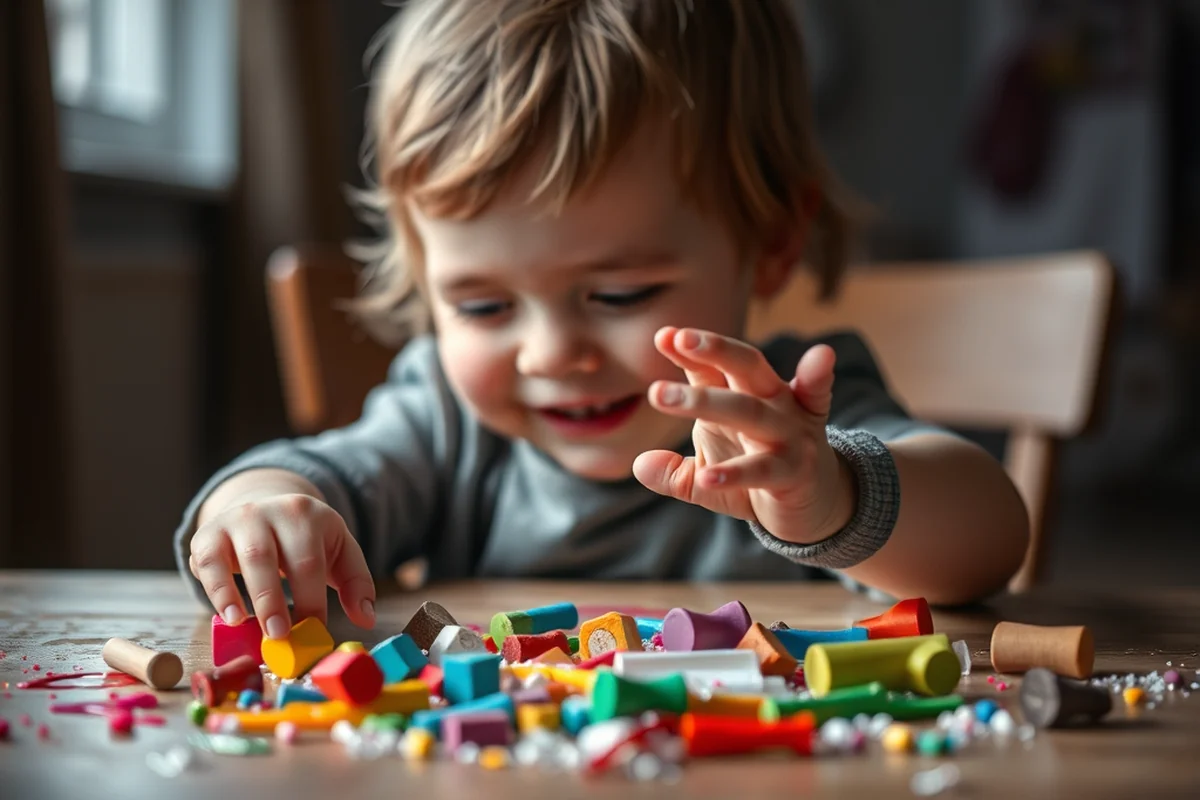
I’ve tested edible paint on a variety of surfaces, and the best results come from paper and cardboard. They’re sturdy, easy to handle, and don’t require any special preparation. I’ve even let my daughter paint on her own skin — it’s a great way to let her see her own artwork in real time.
I avoid using plastic or glass because the paint doesn’t stick well and can be hard to remove. It’s not that it won’t work — it just doesn’t feel as satisfying for the kids. I’ve found that natural materials like paper and cardboard give the best results.
If you’re working with your child, I recommend using a large sheet of paper or a flat cardboard surface. It gives them more space to move and explore, and it’s easier to manage than smaller pieces.[2]
Paper and cardboard are the ultimate canvases for edible paint — no clean-up, no mess, just pure creativity.
Related: Edible metallic food paint
Related: Taste safe edible art materials for toddlers
Related: Something edible gift ideas
Related: Edible art projects for kids
Related: How to make edible paper
Getting Started with Edible Paint
I’ve made edible paint with just a few simple ingredients: cornstarch, water, and a few drops of food coloring. It’s a very affordable option, and I’ve never had any problems with the results. I keep a small container in my kitchen for mixing and storing the paint as needed.
I’ve found that a small batch of edible paint lasts about two hours, which is perfect for a short session with my daughter. It’s important to make small batches at a time because the paint can dry out quickly if left out for too long.
I always make sure to clean the mixing container thoroughly after each use. It’s not only about keeping things safe — it’s also about making sure the next session is as smooth as the last one.
Make only as much edible paint as you’ll need for the session. It’s easier to manage and less likely to dry out before you’re done.
“The first time my toddler dipped her fingers into a pot of edible paint, I knew I’d found something special.”— Messysenses editors
Setting the Scene for Art
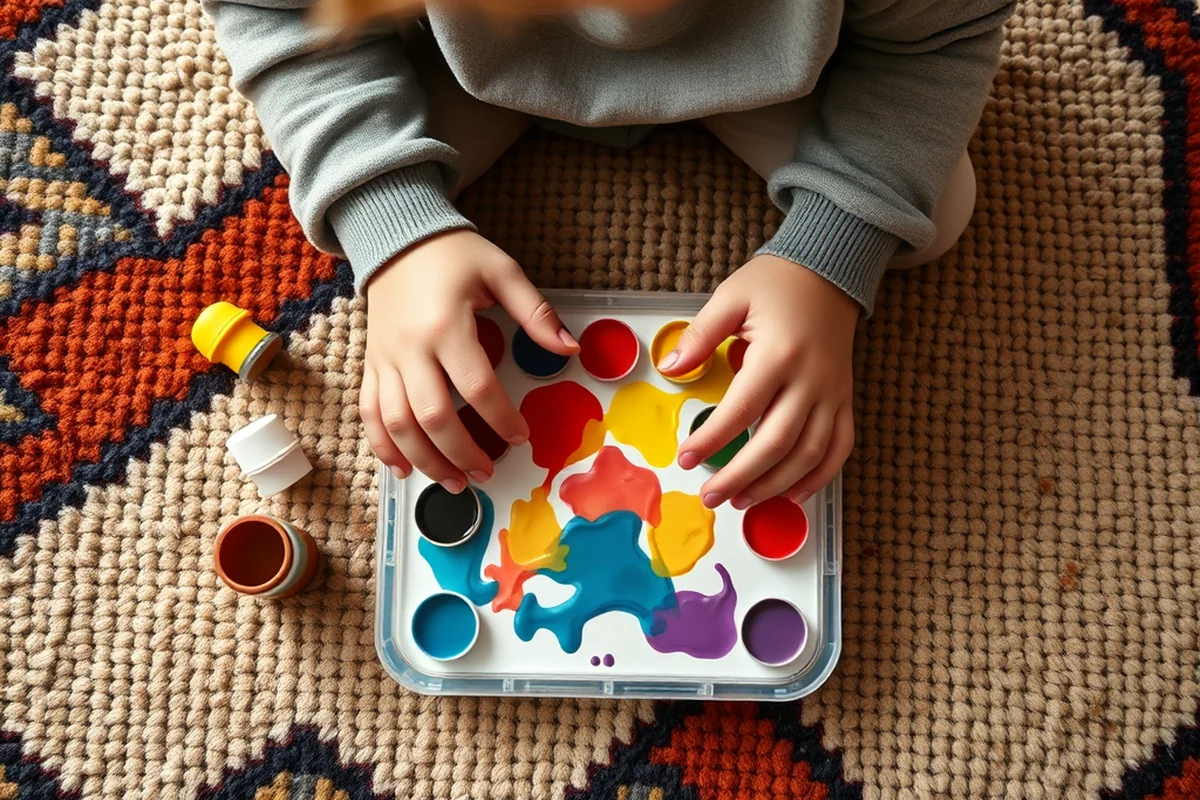
I always clear a large table or set up a small art station in the living room for my daughter’s edible paint sessions. It’s a space where she can spread out and explore without worrying about making a mess. I like to keep the area well-lit so she can see her work clearly.
I’ve found that having a few extra paper towels and a small bowl of water nearby is a lifesaver. They help with clean-up and give my daughter a way to wipe her hands or clean off any mistakes she makes. It keeps the session flowing smoothly.
I also make sure to have a few different colors ready to go. It gives my daughter more options to experiment with and helps her understand how colors work together. It’s a small detail that makes a big difference in her creativity.
Making It a Family Activity
I’ve made edible paint sessions into a family tradition, where my daughter and I work on a project together. It’s a way for us to bond and spend quality time without any distractions. My husband even joins in sometimes — he’s not a big fan of art, but he loves seeing his daughter get excited about something new.
I’ve found that involving the whole family helps my daughter feel more confident in her work. She knows that her parents are there to support her and encourage her creativity. It’s a simple but powerful way to build confidence and self-esteem.
Even if the whole family isn’t participating, having them nearby gives my daughter a sense of security. She knows that she can take breaks, ask questions, and explore without worrying about being alone. It makes the experience more enjoyable for everyone involved.
Tips for Managing the Mess
I always start with a clean, flat surface and make sure to have plenty of paper towels on hand. It helps with clean-up and gives the kids a way to wipe their hands or clean off any mistakes they make. I’ve found that this is one of the most important steps in keeping things organized.
I’ve also learned that it’s best to keep the edible paint away from any high-traffic areas. I store it in a small container on the table so my daughter can access it easily, but it’s out of the way of other activities. This helps prevent any accidental spills or messes.
I always make sure to clean up immediately after the session is over. It’s not just about keeping the space tidy — it’s also about making sure that the next session is as smooth as the last one. I’ve found that this is one of the most important things I can do to keep the experience positive and stress-free.
A little preparation goes a long way — a clean space and a few paper towels can turn a messy session into a joyful one.
Making It Last Longer
I’ve found that storing the edible paint in an airtight container helps keep it from drying out. I use a small glass jar with a tight-fitting lid and keep it in the fridge or on the counter. It’s not necessary to refrigerate it, but it helps keep it fresh for longer.
I’ve also learned that it’s best to make small batches at a time. I’ve found that a small batch of edible paint lasts about two hours, which is perfect for a short session with my daughter. It’s important to make small batches at a time because the paint can dry out quickly if left out for too long.
I always clean the mixing container thoroughly after each use. It’s not only about keeping things safe — it’s also about making sure the next session is as smooth as the last one. I’ve found that this is one of the most important things I can do to keep the experience positive and stress-free.
🎨 Gentle Approach
Perfect for younger kids who need more guidance and support. Focus on simple shapes and colors to build confidence and creativity.
⏱️ Fast-Track Option
Ideal for parents who want a quick, easy session without the hassle of preparation. Use pre-made edible paint kits for a fast and fun experience.
✈️ Travel/away-from-home
Great for parents who are on the go. Use travel-friendly edible paint kits that are easy to carry and use anywhere, anytime.
👶 Multiples
Perfect for families with multiple kids. Use edible paint to create a shared experience that can be enjoyed by all, regardless of age.
🔄 Regression Reset
Ideal for kids who are going through a phase of resistance or frustration. Use edible paint to help them reset and refocus on something fun and engaging.
| The mistake | Why it happens | The fix |
|---|---|---|
| Using too much food coloring | Too much food coloring can make the paint too thick and difficult to apply. It can also be overwhelming for your child’s senses. | Use only a few drops of food coloring at a time. It’s better to add more later than to overdo it right away. |
Edible Paint For Kids
Common Questions
Is edible paint safe for my child to eat?
How long does edible paint last once it’s made?
Can I store edible paint for later use?
What surfaces work best for edible paint?
References
Cite this guide
Messysenses (2026). Edible Paint For Kids. https://messysenses.com/edible-paint-for-kids/
Feel free to cite or share this guide.