
How To Food Art
📖 Table of Contents
The first time I used food to create art with my toddler, it was messy — but it was also magical. I had just read about the power of sensory play, and I wanted to try something new. So, I laid down a butcher paper, grabbed some fruit puree, and let my daughter smear it with her fingers. The look on her face when she saw the colors blend together — it was like watching a tiny artist in motion. That moment stuck with me, and I realized that food art wasn't just about making things look pretty; it was about learning, exploring, and growing through the mess.[1]
I've since turned those spontaneous moments into a regular part of our routine. Whether it's using cookie dough as a medium for sculpting, or making a rainbow with fruit slices on a plate, food art has become a cornerstone of our family's creative time. It's not about perfection — and that's the beauty of it. My daughter is two and a half now, and she still loves it. The key is to let the process be fun, not focused on the outcome. We've learned that the real magic happens in the mess, the laughs, and the discoveries made along the way.
Food art is more than just a fun activity — it's a powerful tool for early development. It encourages fine motor skills, color recognition, and even language development as we talk about the shapes and textures we're creating. I've found that even on the busiest days, setting aside 10-15 minutes for food art has made a noticeable difference in my child's confidence and creativity. It's not just about making things — it's about making memories, and that's something I'll always hold onto.[2]
Why You'll Love This Creative Activity
- Promotes early learning through sensory exploration
- Encourages creativity and self-expression
- Builds fine motor skills and hand-eye coordination
- Creates lasting family memories through shared play
Getting Started with Food Art
As of October 2026, getting started is easy — you only need a few basic items. I always keep a roll of butcher paper or a large poster board on hand, along with a small tray or plate for the food materials. I use things like fruit puree, yogurt, or mashed banana as the medium. The key is to choose items that are safe if eaten and won't stain clothes or furniture.
When I first started, I worried about the mess, but I quickly learned that a few plastic sheets on the floor and a few paper towels on hand are all I need. My daughter and I often use a small table with a waterproof mat, which makes cleanup easier. The best part? My child has never had a food allergy, and I make sure to use only the safest options available.
Now, I encourage her to make her own choices — like which colors to use or what shape to create. This kind of autonomy is so important for her development. I've noticed that she's more confident and more curious now than she was before we started.
Invest in a small waterproof mat or cover your table with a plastic sheet to make cleanup easier and protect your furniture.
The Benefits of Food Art for Development
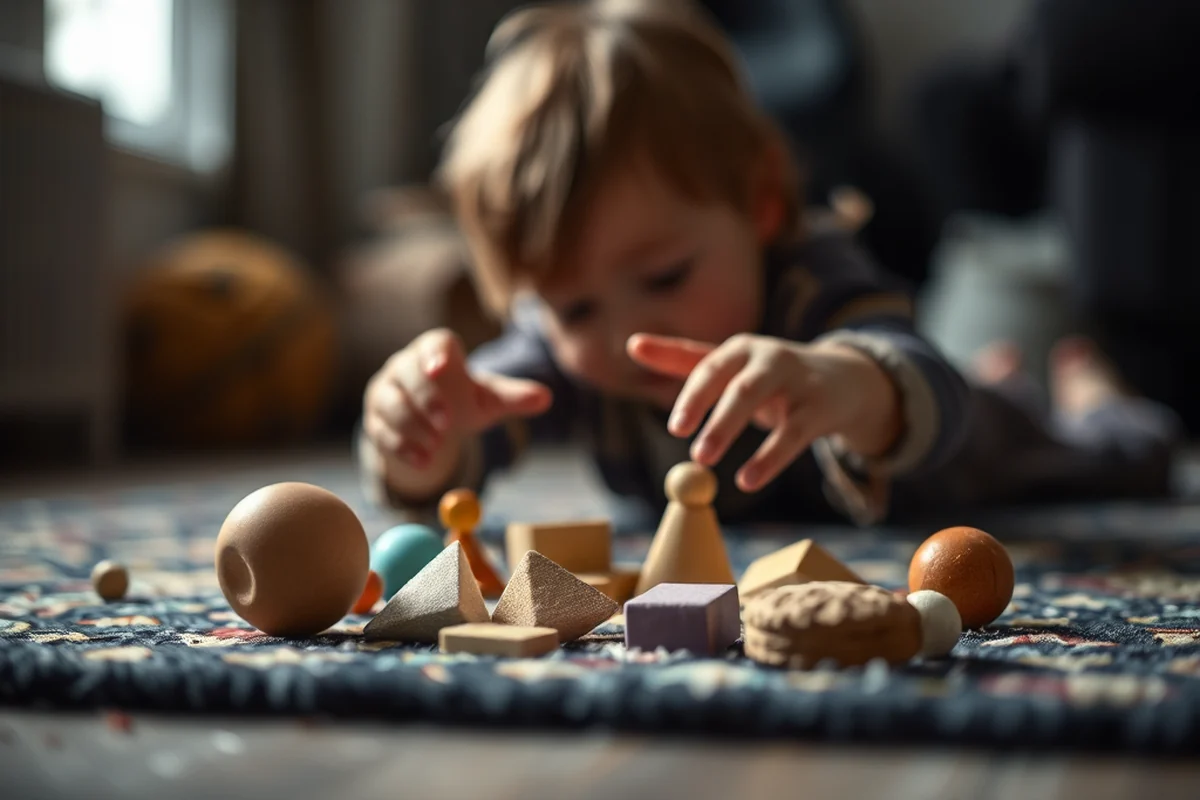
Food art isn't just fun — it's educational. When my daughter presses her fingers into a plate of fruit puree and makes a shape, she's learning about texture and pressure. I've noticed that her grip has gotten stronger, and she's more confident using her hands in general.
Color recognition is another big part of it. I've found that using different colors of fruit puree or yogurt helps her identify colors and even match them. I often ask her questions like, 'What color is this?' or 'Can you make a red shape?' These simple interactions have helped her vocabulary grow.
Language development is also a byproduct of food art. As we talk about what we're creating, I'm surprised by how much she's learned. She now knows words like 'circle' and 'square,' and can even explain what she's making. It's amazing how much can be learned through just playing and creating.
Play is the work of childhood — and food art is a powerful form of play.
Related: Edible art cake shop
Keeping It Safe and Simple
Safety is my top priority with food art. I always make sure to use items that are non-toxic and safe for my child to touch or even eat. I avoid anything that might be a choking hazard, like small pieces of food, and I always supervise her during the activity.
I find that keeping things simple is the best approach. We don't try to do anything too complex — just basic shapes or colors. My child loves using her fingers to smear the food, and I let her explore at her own pace. The mess is part of the process, and I've learned to embrace it.
It's also important to be flexible. Sometimes, she wants to make a specific shape or color, and I go with it. Other times, she might not want to do anything at all, and that's okay. The key is to keep the activity fun and not too structured.
Use only safe, edible materials and avoid anything that could be a choking hazard. Let your child lead the way and keep the activity flexible.
“The first time I used food to create art with my toddler, it was messy — but it was also magical.”— Messysenses editors
Related: Taste safe sensory materials
Making Food Art a Regular Part of the Day
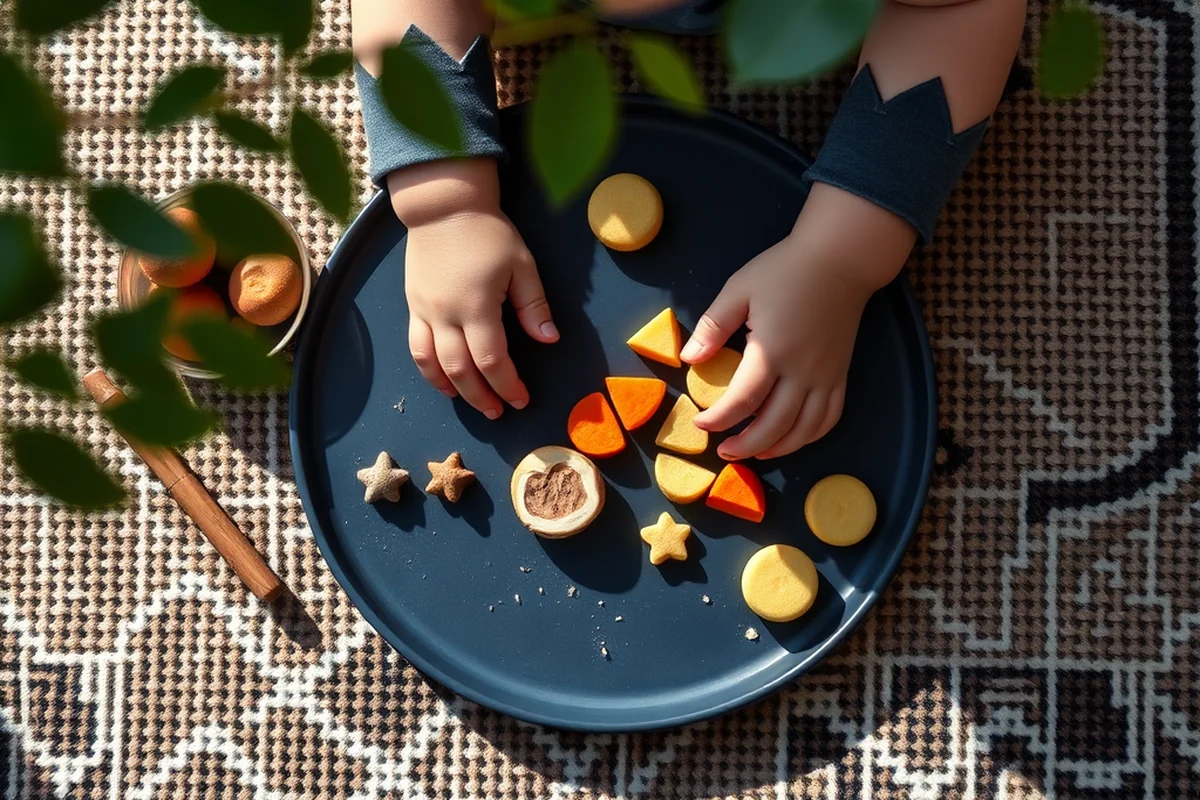
I've found that making food art a regular part of the day helps my child stay engaged and excited about learning. We usually do it in the morning or after nap time, when she's most alert and energetic. It's a great way to break up the day and give her a chance to express herself creatively.
I try to make it a part of our routine, like a mini activity that we do every day. Sometimes, we do it for 10 minutes, sometimes for 15. It's not about the time — it's about the connection and the learning that happens during it.
The best part is that it's not just for my daughter. I've started doing it with my husband too, and it's been a great way for us to bond. We've all learned to embrace the mess and enjoy the process together.
Related: Edible art projects for kids
Food Art and Emotional Development
I've noticed that food art helps my daughter develop emotional skills. When she gets frustrated with a shape she's trying to make, I encourage her to take a deep breath and try again. It's a simple way to teach her patience and perseverance.
Self-expression is another key benefit. I love seeing her create things that are unique to her, and I always make sure to praise her for her efforts. It helps build her confidence and makes her feel seen and heard.
Problem-solving is also a big part of it. Sometimes she gets stuck on how to make a certain shape or color, and I help her think through different ways to achieve it. It's a great way to encourage critical thinking and creativity.
Related: Something edible gift ideas
Staying Organized and Ready for Food Art
I've learned that staying organized makes a big difference. I keep all the materials in one place — like a small container on the kitchen counter. That way, I can easily grab everything when we're ready to start.
I also keep a few extra paper towels and plastic sheets on hand, just in case. It's easy to forget that we might need them, but having them ready saves a lot of time and stress.
Another tip is to clean up immediately after the activity. I've found that cleaning up while the mess is still fresh makes it easier and quicker. I always make sure to involve my daughter in the cleanup, which helps her learn responsibility and respect for her space.
A little preparation goes a long way in making food art a stress-free, fun activity.
Related: How to make edible plastic
Embracing the Mess and Making Memories
I've come to accept that food art is messy — and that's okay. The mess is part of the process, and it's where the real learning and bonding happens. I've learned to let go of the need for perfection and just enjoy the moment.
The memories we create during food art are some of my favorite. I'll never forget the time my daughter made a rainbow with fruit slices and proudly showed it off to me. It was a small moment, but it meant the world to me.
Food art has become more than just an activity — it's a way for us to connect and create together. Even on the busiest days, I make sure to set aside time for it. It's a small but powerful way to show my child that I care and that I'm there for her.
🧸 Gentle Approach
Start with simple, low-effort activities that require minimal supervision and cleanup. Great for younger toddlers or those who are not yet comfortable with messy play.
⚡ Fast-Track
Use pre-made food art kits or quick, ready-to-go activities that can be done in just a few minutes. Ideal for parents who need something fast and easy.
🧳 Travel/Away-from-Home
Pack small, portable materials that can be used on the go — like food-safe stickers or pre-made edible paint. Great for travel or unexpected playtime.
👶 Multiples
Use food art as a way to engage multiple children at once. Great for siblings or group play sessions that encourage teamwork and sharing.
🔄 Regression Reset
Use food art as a way to reset or re-engage a child who is going through a developmental regression. Great for rekindling interest in creative play.
| The mistake | Why it happens | The fix |
|---|---|---|
| Trying to do too much at once | Trying to do too much can overwhelm your child and make the activity less enjoyable. It's important to keep things simple and flexible. | |
| Not cleaning up immediately | Leaving the mess for later can make it harder to clean and may lead to more frustration. | |
| Not being flexible | Not being flexible can make the activity feel forced and less enjoyable for your child. | |
| Not being prepared | Not being prepared can lead to stress and frustration. It's important to have all the materials ready and organized. | |
| Not being patient | Not being patient can make the activity feel more like a chore and less like a fun experience. | |
| Not involving the child in the cleanup | Not involving your child in the cleanup can lead to a lack of responsibility and respect for their space. |
How To Food Art
Common Questions
What if my child is not interested in food art?
How do I clean up after food art?
Can I do food art with my child if I have a busy schedule?
What if my child is messy during food art?
References
- Raising a Happy Eater | Maricopa County, AZ (maricopa.gov)
- The Powerful Role of Play in Early Education (cde.ca.gov)
Cite this guide
Messysenses (2026). How To Food Art. https://messysenses.com/how-to-food-art/
Feel free to cite or share this guide.