
How To Coloring Books For Adults
📖 Table of Contents
- Choosing the Right Coloring Book for Adults
- Setting Up a Calm Space for Coloring
- How to Incorporate Coloring into Your Daily Routine
- Sharing the Experience with Your Kids
- The Benefits of Coloring for Adults and Parents
- Making It a Sustainable Practice
- Using Coloring as a Tool for Mindfulness and Focus
- Make It Your Way
- Frequently Asked Questions
As a parent who’s spent more than a decade handling the chaos of childhood, I can tell you that finding moments of calm is a holy grail. One of the most unexpected places I discovered this peace was in coloring books for adults. It started with a simple, dusty book I found at a thrift store. The act of filling in empty spaces with color became a ritual that not only calmed me but also allowed me to be present in a way I hadn’t been in years. I was surprised by how quickly this simple act transformed my mood and energy.
Coloring books for adults aren’t just a fad; they’re a powerful tool that can help parents recharge, de-stress, and reset. I’ve watched my own kids benefit from this too — when I sit down with a coloring book, they often join in, curious about what I’m doing. It’s a way to bond and share a quiet, creative space without needing screens or elaborate setups. It’s not about perfection; it’s about the process, the textures of the paper, the sound of the crayons. The way the colors come alive in a way that feels both childlike and deeply satisfying.
If you’re a parent who’s ever felt overwhelmed, disconnected, or in need of a moment of peace, I want to walk you through exactly how to use coloring books for adults. This isn’t just about the activity itself — it’s about intention, routine, and the small but meaningful ways we can carve out time for ourselves in the chaos of parenting. I’ll show you how to choose the right book, set up the space, and even how to use this as a teaching moment for your kids. It’s a simple, accessible way to reset your mindset and bring a little more calm into your life.
Why You'll Love This Simple Reset for Your Mind
- A quick, accessible way to de-stress and find calm in your daily routine.
- An opportunity to bond with your children through shared creativity and curiosity.
- A low-cost, no-mess activity that fits easily into your parenting schedule.
- A tool to help you reset your mindset and find a sense of peace in the middle of the chaos.
Choosing the Right Coloring Book for Adults
As of September 2026, when I first started using coloring books for adults, I made the mistake of picking the first one I saw — a bright, overly complex design that felt overwhelming. It didn’t last long. After a few failed attempts, I learned that finding a book that aligns with your personal style and interests makes all the difference. I now look for books with intricate mandalas, calming nature scenes, or even simple line art that feels easy to fill in.
I’ve found that books with a mix of patterns and difficulty levels keep the experience engaging. For example, I have one that’s heavy on geometric designs, which feels like a mental workout, and another with soft, flowing landscapes that are more meditative. I also pay attention to the paper quality — I prefer thicker pages that don’t tear easily and are easier to color on.
Investing in a few different books has made my coloring sessions more enjoyable. I’ve also noticed that when I choose a book with a theme that resonates with me, like mindfulness or nature, the experience feels more meaningful. It’s not just about the activity; it’s about the intention behind it.
If you’re unsure where to start, choose a theme that reflects your mood or interests. Nature, animals, or abstract designs are all great options.
Setting Up a Calm Space for Coloring
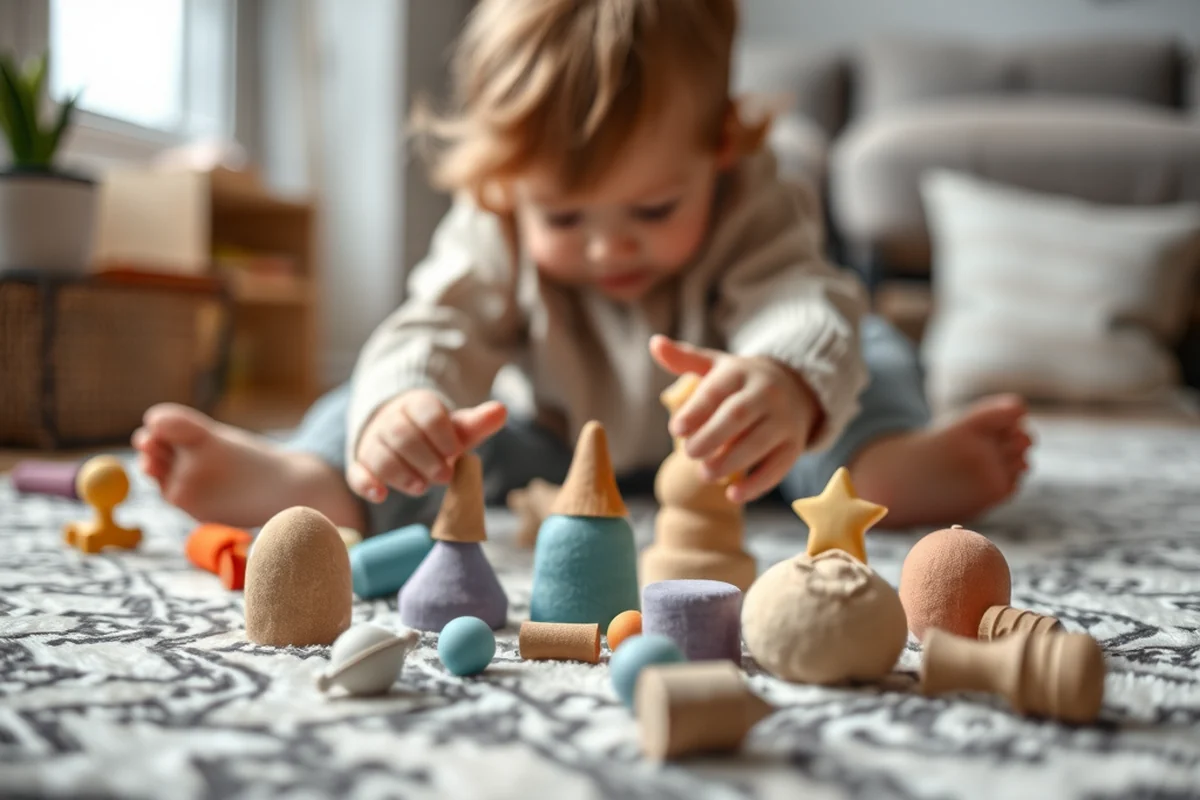
I’ve learned that the environment in which you color can make a huge difference. I now have a small corner of my living room where I set up my coloring supplies — a soft mat, a few crayons, and a stack of books. This dedicated space signals to my brain that it’s time to unwind and focus on something other than the chaos of parenting.
I also like to use a timer to keep my sessions short and focused. I find that 15 to 30 minutes is enough to feel centered without feeling like I’m procrastinating. It’s about finding a rhythm that works for you and your schedule. I’ve noticed that when I set a timer, I’m more likely to stay committed to the activity.
Another tip is to make sure your space is free from distractions. I turn off my phone and put away any items that might pull my attention away. This simple act helps me fully engage with the coloring process and feel more present in the moment.
A little space, a little time — and a lot of peace.
Related: Art for kids hub cute animals
How to Incorporate Coloring into Your Daily Routine
I used to think of coloring as something I could only do on the weekends, but I’ve since realized that even a few minutes here and there can make a difference. I now set aside time in the morning, right after my kids have eaten breakfast, or during a quiet afternoon when they’re playing independently.
I’ve found that consistency is key. Even if I only color for 10 minutes a day, it helps me reset and feel more centered. I’ve also started using it as a transition activity — after a stressful day at work or a difficult moment with my kids, I’ll sit down with a book and color for 15 minutes. It’s a way to signal to my brain that it’s time to slow down. (44%, pmc.ncbi.nlm.nih.gov)[1]
I also use it as a way to practice mindfulness. I focus on the colors, the lines, and the texture of the paper. I’ve noticed that this helps me stay present and avoid getting caught up in stress or worry. It’s a simple but powerful way to find calm in the chaos of parenting.
Setting a time limit helps you stay focused and prevents coloring from becoming a distraction or a chore.
“As a parent who’s spent more than a decade navigating the chaos of childhood, I can tell you that finding moments of calm is a…”— Messysenses editors
Related: What to draw art for kids hub
Sharing the Experience with Your Kids
I’ve found that my kids love watching me color. When I sit down with a book, they often ask to join in. I’ve noticed that it’s a great way to connect with them and share a quiet, creative moment. I’ve even started using it as a teaching opportunity — I explain the different colors, the patterns, and sometimes even the meaning behind the designs.
I’ve learned that it’s important to keep things simple when sharing this with my kids. I use large crayons or markers that are easy for them to hold and color with. I also make sure the books I choose are not too complex — I look for ones with bold outlines and simple designs that feel more accessible to younger hands.
When I color with my kids, it’s not about perfection — it’s about the process. I encourage them to make mistakes, to try new colors, and to explore their creativity. It’s a way to show them that it’s okay to be messy, to experiment, and to enjoy the simple act of creating something beautiful together.
Related: Dinosaur coloring pages for kids
The Benefits of Coloring for Adults and Parents
I’ve noticed that after coloring, I feel more relaxed and centered. It’s as if the chaos of parenting fades away for a little while. I’ve even found that it helps me sleep better — I’ve started coloring before bed, and I’ve noticed that it helps me wind down and feel more at ease.
I’ve also found that it helps me think more clearly. When I’m stressed or overwhelmed, I sometimes sit down with a book and color for a while. It helps me clear my mind and find new solutions to problems. I’ve even used it as a way to reset my mood after a difficult day at work or with my kids.
Another benefit I’ve noticed is that it helps me be more present. When I’m coloring, I’m focused on the moment, on the colors, the lines, and the feeling of the paper. It’s a small but meaningful way to find calm in the middle of the chaos of parenting.
Related: Preschool process art
Making It a Sustainable Practice
I’ve found that the key to making coloring a sustainable practice is to treat it like any other habit. I set a time each day, I keep my supplies organized, and I make sure it’s something I look forward to. It’s not about forcing it — it’s about making it a natural part of my routine.
I’ve also learned to be flexible. Some days, I color for 30 minutes; other days, I only have 10 minutes. It’s about finding what works for me and my schedule. I’ve noticed that even short sessions can make a difference — I feel more relaxed, more focused, and more present in the moment.[2]
Another tip is to keep your supplies accessible. I store my coloring books and materials in a drawer that’s within reach. That way, I don’t have to search for them, and I’m more likely to use them. It’s a small but powerful change that helps make the practice more sustainable.
Consistency is the key to finding peace in the chaos.
Related: Art for kids hub
Using Coloring as a Tool for Mindfulness and Focus
I’ve found that coloring is a great way to practice mindfulness. It helps me focus on the present moment, on the colors, the lines, and the texture of the paper. I’ve noticed that this helps me slow down and be more aware of my thoughts and feelings.
I’ve also used it as a way to reset my focus after a stressful situation. When I’m feeling overwhelmed or distracted, I’ll sit down with a book and color for a while. It helps me clear my mind and find new clarity. I’ve even used it as a way to practice deep breathing — I focus on each color, each stroke, and each breath.
Another benefit is that it helps me stay grounded. I’ve noticed that when I’m coloring, I’m less likely to get caught up in stress or worry. It’s a simple but powerful way to find calm and focus in the middle of the chaos of parenting.
🧘 Gentle Approach
For those who want to ease into coloring, start with short sessions and simple designs.
⚡ Fast-Track Method
Use pre-printed, easy-to-color templates and keep sessions under 15 minutes for maximum efficiency.
✈️ Travel/On-the-Go Method
Opt for compact coloring books and portable supplies to enjoy a quick coloring break anywhere.
👨👩👧👦 For Parents with Multiple Kids
Create a shared coloring station with a variety of books and tools for all family members.
🔄 Regression Reset
Use coloring as a tool to revisit old habits, refocus your energy, and find a new rhythm in your parenting journey.
| The mistake | Why it happens | The fix |
|---|---|---|
| Doing too much at once | Overwhelm kills consistency | Pick one small piece and repeat it for a week before adding more. |
| Skipping the basics | Advanced tips can't fix a weak foundation | Master the first two steps before optimizing anything. |
How To Coloring Books For Adults
Common Questions
How long should I spend coloring each day?
Can I use any type of crayons or markers?
What if I don’t have a dedicated space to color?
Can I share this activity with my kids?
References
- Self-Care in Nurses - PMC - NIH (pmc.ncbi.nlm.nih.gov)
- Oklahoma Early Learning Guidelines for Infants, Toddlers and Twos (oklahoma.gov)
Cite this guide
Messysenses (2026). How To Coloring Books For Adults. https://messysenses.com/how-to-coloring-books-for-adults/
Feel free to cite or share this guide.