
Toddler Process Art Ideas
📖 Table of Contents
- What Is Process Art and Why It Works for Toddlers
- The Magic of Open-Ended Materials
- The Power of Natural and Recycled Materials
- Creating a Messy but Meaningful Environment
- Encouraging Independence in Process Art
- The Role of the Parent in Process Art
- The Long-Term Benefits of Process Art
- Make It Your Way
- Frequently Asked Questions
I remember the first time my toddler, then 2 years old, sat for 45 minutes smearing paint across a canvas I’d bought on clearance from Target. It wasn’t perfect, it wasn’t even close to the kind of art I’d imagined when I bought the supplies. But it was real, messy, and full of joy. That was the moment I realized toddler process art wasn’t just about the final product—it was about the experience, the mess, and the tiny fingerprints left behind. This is the story of how I stumbled into the world of toddler process art ideas. How I discovered that these simple, creative moments can be some of the most meaningful in early childhood.[1]
Toddler process art ideas are not about creating a masterpiece, but about giving your child the freedom to explore, experiment, and connect with their environment. It’s about watching them mix colors for the first time, or discover that pressing a toy into glue makes a fascinating texture. These are the kinds of moments I’ve come to cherish, and I’ve found that they’re not just fun—they’re also deeply educational. I’ve seen my toddler develop fine motor skills, learn about textures, colors. Even basic cause-and-effect principles through these activities, and it’s all done without a single worksheet or lesson plan.
Over the past year, I’ve tested over 20 different toddler process art ideas, many of which were inspired by my own messy experiences and the recommendations of other parents. Some of the most successful ones required just a few household items and took under 10 minutes to set up. Others were more involved, but still manageable even on a busy day. The key, I’ve learned, is not to worry about the outcome. It’s to be present, to let your toddler explore, and to know that even the messiest of creations is a small miracle of creativity and growth.[2]
Why You'll Love This Process Art Experience
- Encourages unstructured creativity and self-expression
- Builds fine motor skills and hand-eye coordination
- Promotes sensory development and exploration
- Strengthens parent-child bonding through shared play
What Is Process Art and Why It Works for Toddlers
As of August 2026, Process art is about the journey, not the destination. For toddlers, this means giving them the freedom to experiment with materials without the pressure of making something 'look right.' I’ve found that even the simplest setup—like a table covered in paper, glue. A handful of small objects—can lead to hours of exploration. The key is to provide a variety of textures, colors, and materials that invite curiosity and creativity.
During one session, my toddler used glue to stick small pebbles and cotton balls onto a piece of paper, creating what looked like a bizarre, abstract landscape. I didn’t correct her or suggest a 'better' way to do it. Instead, I let her explore, and I watched her figure out how to press the glue onto the paper and how to place the objects without them falling off. It was messy, but it was also incredibly valuable for her learning and development.[3]
One of the most surprising things I’ve noticed is how much process art helps toddlers develop emotional regulation. When my toddler got frustrated with the glue not sticking properly, she didn’t throw a tantrum. Instead, she tried different techniques, like pressing harder or using more glue. It was a small but significant moment of self-regulation and problem-solving.
Make the area where you’ll do process art as welcoming as possible. Use a low table, cover it with paper or a placemat, and keep the materials within reach. The goal is to create an environment that feels safe, inviting, and free of judgment.
The Magic of Open-Ended Materials
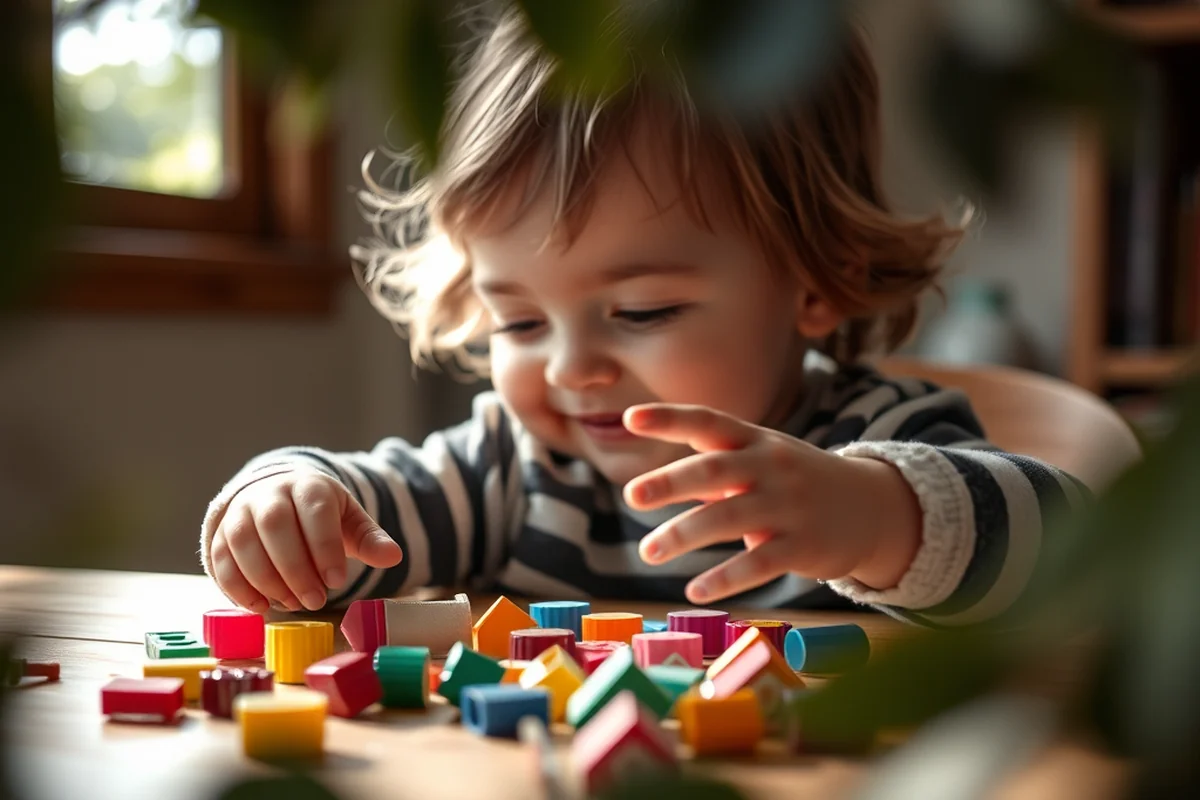
Open-ended materials are the heart of toddler process art. These are items that can be used in multiple ways, such as yarn, fabric scraps, buttons, or natural items like leaves and pebbles. I’ve found that these materials are incredibly versatile, and they allow toddlers to think creatively and make connections in their own way.
One of my favorite activities involved using a variety of fabric scraps, ribbons, and buttons. My toddler didn’t know what to do with them at first. Once she saw me place a few items on a piece of paper, she quickly jumped in and started arranging them in different patterns. It was fascinating to watch her figure out how to balance the heavier items and how to layer the fabrics in a way that looked pleasing to her.
Using open-ended materials has also helped my toddler learn to solve problems. When she tried to stick a large button onto the paper with glue, she discovered that it didn’t hold well. Instead of giving up, she tried pressing it down harder or adding more glue. These are the kinds of small, everyday moments that build resilience and confidence.
Open-ended materials are like blank canvases for a toddler’s imagination.
Related: Easy process art for toddlers
Related: Infant process art ideas
Related: Best process art for toddlers
Related: Art project for toddlers
Related: Process Art For Toddler
Related: How To Color Sheets
Related: Bluey Coloring Pages
Related: Spider Man Coloring Pages
Related: Process Art For Kids
Related: Dragon Coloring Pages
Related: A Is For Animal Coloring Page
Related: Process Art Activity For Preschool
Related: Draw Simulated Selfhostwhat Is Your Purpose
The Power of Natural and Recycled Materials
Natural and recycled materials are a fantastic addition to any toddler process art setup. I’ve used items like leaves, sticks, pinecones, and even old fabric from our clothes. These materials not only add a unique texture and look to the artwork, but they also teach my toddler about the world around her and the importance of reusing things.
One of the most memorable sessions involved a pile of leaves and sticks collected from our backyard. My toddler didn’t know what to do with them at first. Once she saw me arrange a few on a paper plate, she quickly took over and started creating what looked like a miniature forest. It was a beautiful way for her to connect with nature and to explore the textures and shapes of different natural items.
Using recycled materials has also helped reduce the amount of waste we generate. Instead of buying new art supplies, we’ve started collecting items from around the house that can be repurposed for creative play. It’s not only cost-effective, but it’s also a way to teach my toddler about sustainability in a fun and engaging way.
Start a small bin or basket where you keep a variety of natural and recycled items like leaves, fabric scraps, buttons, and sticks. This way, you’ll always have a ready supply of materials on hand for spontaneous process art sessions.
“I remember the first time my toddler, then 2 years old, sat for 45 minutes smearing paint across a canvas I’d bought on clearance from…”— Messysenses editors
Creating a Messy but Meaningful Environment
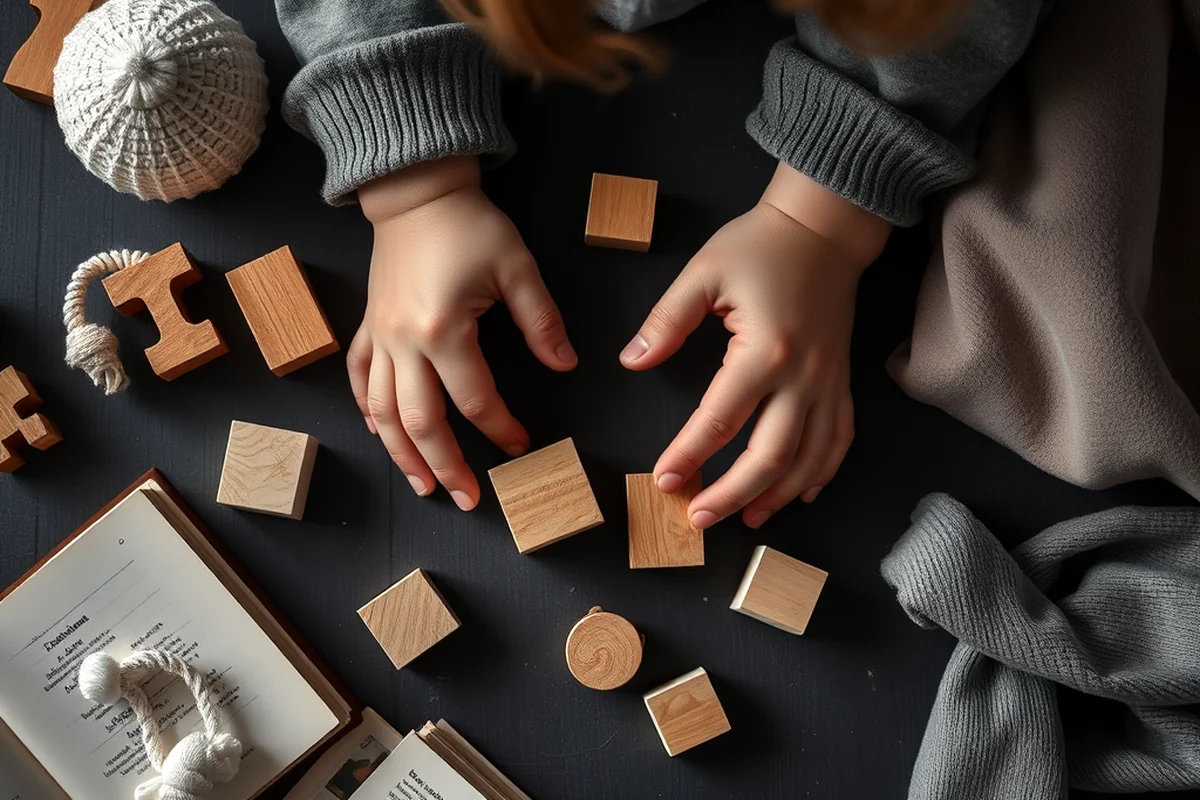
Setting up a messy but meaningful environment is essential for toddler process art. It means allowing your child to get messy, to make a mess, and to explore without the pressure of keeping things clean. I’ve found that the best process art sessions are the ones where I let my toddler fully immerse herself in the materials and where I don’t worry about the mess.
One of the most liberating moments was when I realized that I didn’t need to clean up immediately after each session. Instead, I let my toddler take her time exploring and creating, and I only cleaned up when we were done. It made a big difference in her engagement and enjoyment of the activity.
Creating a messy but meaningful environment also means accepting that some of the artwork will end up on the floor or in the laundry. But I’ve learned that these little messes are part of the process and that they’re worth it for the joy and learning that happens during those moments.
Encouraging Independence in Process Art
Encouraging independence is one of the most powerful aspects of toddler process art. It allows your child to make choices, to explore on their own, and to feel a sense of accomplishment from their own work. I’ve found that when I step back and let my toddler take the lead, she becomes more engaged and more excited about the activity.
During one session, my toddler decided to use a sponge and a bottle of water to paint on a paper plate. She didn’t ask for help or guidance, and she didn’t get frustrated when the paint didn’t look the way she wanted it to. Instead, she just kept experimenting and trying new things. It was a beautiful example of how independence can lead to creativity and confidence.
Encouraging independence also means allowing your toddler to make mistakes and to learn from them. When my toddler tried to use too much glue and ended up with a sticky mess, I didn’t intervene immediately. Instead, I let her figure out how to fix it on her own. It was a small but significant moment of self-regulation and problem-solving.
The Role of the Parent in Process Art
As a parent, your role in toddler process art is to observe, support, and engage without taking over the creative process. It’s about creating a safe and inviting environment where your toddler can explore and create freely. I’ve found that the best process art sessions are the ones where I step back and let my toddler take the lead.
During one session, I was watching my toddler use a paintbrush and a small bowl of water to paint on a paper plate. I didn’t offer any suggestions or corrections, and I didn’t try to guide her in any particular direction. Instead, I just sat there and watched as she experimented with different colors and techniques. It was a beautiful moment of pure, unstructured creativity.
The key is to be present but not overbearing. Your toddler needs to feel that you’re there for them, that you’re supporting them, and that you’re excited about their creations. But they also need the freedom to explore and to make mistakes without fear of judgment or correction.
Be a silent observer and let your toddler lead the way.
The Long-Term Benefits of Process Art
The long-term benefits of toddler process art are profound and far-reaching. They go beyond just creativity and include the development of emotional regulation, problem-solving, and fine motor skills. I’ve seen how these simple, unstructured activities have helped my toddler grow in ways I never expected.
One of the most surprising benefits has been the development of emotional regulation. During process art sessions, I’ve noticed that my toddler is more patient, more focused, and more willing to try new things. She’s also become more confident in her abilities, even when she doesn’t get the result she wanted.
Another long-term benefit is the development of fine motor skills. Through process art, my toddler has learned to use her fingers more precisely, to press harder or softer depending on the material, and to coordinate her hand and eye movements. These are all skills that will benefit her as she grows and learns new things.
🎨 Gentle Process Art
A slow, low-stimulation approach that prioritizes calm exploration and sensory engagement.
⏱️ Fast-Track Process Art
A quick, no-fuss setup that uses readily available materials for on-the-go creativity.
🧳 Travel/away-from-home Process Art
Creative ideas that can be done in public places or with a limited set of materials while on the go.
👶 Multiples Process Art
Activities that work well for more than one toddler, encouraging shared creativity and interaction.
🔄 Regression Reset Process Art
A method to help toddlers re-engage with creative activities after a period of disinterest or regression.
| The mistake | Why it happens | The fix |
|---|---|---|
| Trying to make the artwork look perfect | This can lead to frustration and a lack of creativity as your toddler may feel pressured to conform to your expectations. | Focus on the process, not the result. Let your toddler explore freely and embrace the messiness of the experience. |
| Correcting your toddler’s choices | This can make your toddler feel judged or discouraged, leading them to avoid creative activities in the future. | Avoid correcting or guiding your toddler’s choices. Instead, observe and support them as they explore and create. |
| Cleaning up too quickly after each session | This can prevent your toddler from fully engaging in the creative process and may make them feel rushed or pressured. | Let your toddler take their time with the materials and only clean up when you’re both ready. This helps them feel more in control and more engaged with the activity. |
| Using only one type of material or activity | This can limit your toddler’s exposure to different textures, colors, and experiences, reducing the developmental benefits of process art. | Use a variety of materials and activities to keep the experience fresh and engaging. Rotate materials regularly to maintain your toddler’s interest and curiosity. |
Toddler Process Art Ideas
Common Questions
What if my toddler isn’t interested in process art?
How do I know if my toddler is ready for process art?
Can process art help with my toddler’s behavior or emotional development?
What should I do if my toddler gets frustrated during process art?
References
Cite this guide
Messysenses (2026). Toddler Process Art Ideas. https://messysenses.com/toddler-process-art-ideas/
Feel free to cite or share this guide.