
Process Art Activity For Preschool
📖 Table of Contents
- What Is Process Art, and Why Does It Work for Preschoolers?
- How to Set Up a Successful Process Art Activity for Preschool
- The Surprising Benefits of Process Art for Preschoolers
- How to Choose the Right Materials for a Process Art Activity for Preschool
- How to Make Process Art Activity for Preschool Feel Like a Special Experience
- How to Handle the Mess of a Process Art Activity for Preschool
- How to Incorporate Process Art Activity for Preschool Into Your Daily Routine
- Make It Your Way
- Frequently Asked Questions
I remember the first time my daughter stood in the middle of our living room, covered in paint, giggling as she waved a glue stick like a wand. It wasn’t about making a masterpiece — it was about the way the colors splashed, the texture of the paper, and the joy in her eyes. That was the moment I realized the power of a simple process art activity for preschool. It’s not about the end result, but the journey — the mess, the exploration, and the tiny hands learning to express themselves without limits.
Process art activity for preschool has become a cornerstone in our home. It’s not the kind of activity that tells kids what to do or how to do it. Instead, it invites them to explore, experiment, and create freely. I’ve watched my child go from hesitant scribbles to confidently mixing colors, and every day she learns something new — not just about art, but about her own curiosity and creativity.[1]
What I love most is that this kind of activity doesn’t require elaborate tools or hours of preparation. You can do it with a few basic materials, and it can be as simple or complex as your child wants it to be. It’s not about perfection; it’s about the experience of creating, the freedom to explore, and the joy that comes from watching a small person discover the world in their own way.[2]
Why You'll Love This Process Art Activity for Preschool
- Encourages creativity without the pressure of perfection
- Develops fine motor skills through hands-on exploration
- Boosts confidence as kids take ownership of their creations
- Provides a sensory-rich experience that supports early childhood development
What Is Process Art, and Why Does It Work for Preschoolers?
As of October 2026, Process art activity for preschool is all about the journey, not the destination. Unlike structured art projects that require kids to follow specific steps, process art invites them to play, experiment, and create freely. I’ve seen my daughter use everything from glue and paint to paper towels and fabric — each time, she discovers new ways to interact with the world around her.[3]
There’s no right or wrong way to do this. The beauty of process art is that it’s messy, open-ended, and full of surprises. Kids learn to make choices, solve problems, and explore their interests without being told what to do or how to do it. I’ve noticed that this kind of activity helps build confidence in my child — she’s more willing to take risks and try new things.
It’s also incredibly developmentally appropriate for preschoolers. Their motor skills are still developing, and process art gives them the chance to practice using their hands, fingers, and even their whole bodies. It’s a chance for them to grow in a way that feels natural and fun.
Start with just two or three materials. Let your child pick what they want to use. If it gets messy, that's okay — they’re learning.
How to Set Up a Successful Process Art Activity for Preschool
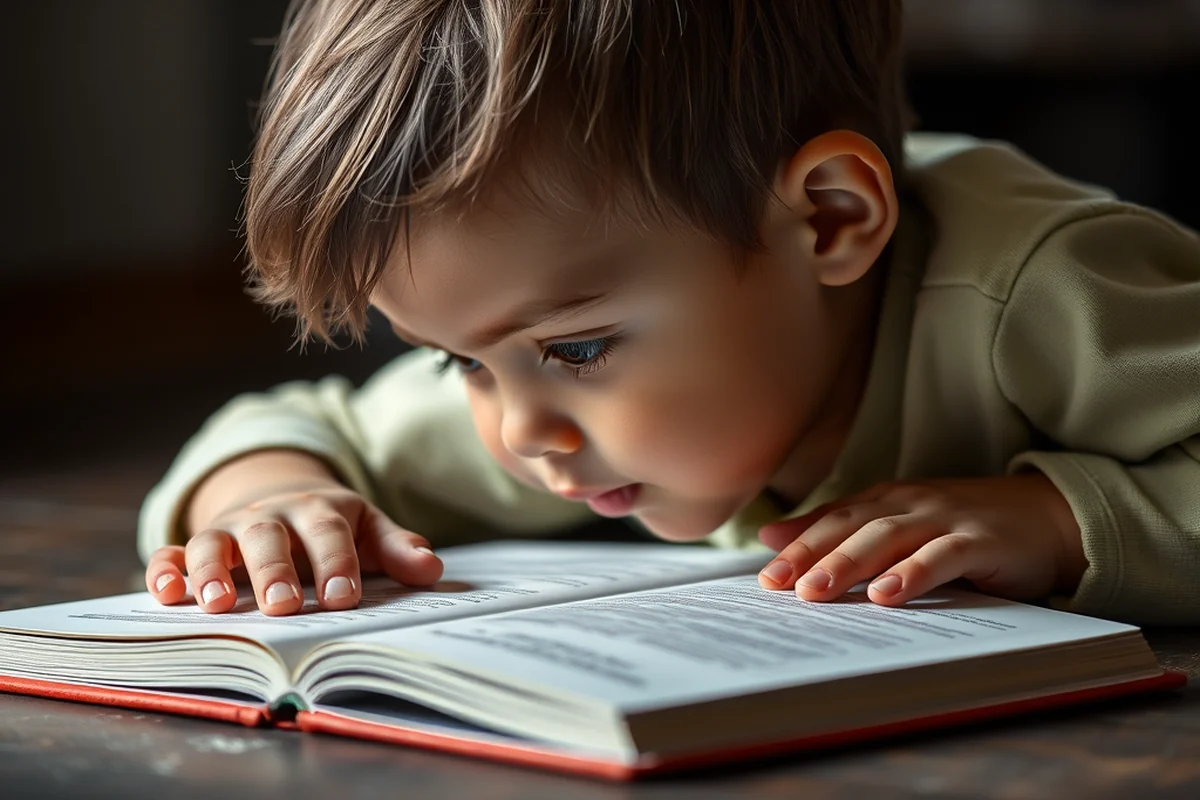
I’ve learned that the key to a great process art activity for preschool is to provide a space where your child feels safe to explore. That means laying down a big sheet or newspaper to catch the mess, and having all materials within reach. I always set up a small table or a floor space with a few different textures, colors, and tools.
I’ve found that having a few different materials on hand — like paint, markers, glue, cotton balls, and paper — gives my child a wide range of options. It’s not about having a lot, but about giving them the chance to choose what they want to work with. I’ve even used things like fabric scraps or leaves for texture, and my daughter has loved mixing them in with her paintings.
I always make sure to set clear boundaries. For example, we have a rule that we don’t use the paint on the walls or on the floor. It’s important to be present but not controlling — I watch, I help, but I let her lead the way.
Let your child lead — the mess is part of the magic.
Related: Free coloring pages for adults
The Surprising Benefits of Process Art for Preschoolers
One of the biggest surprises for me was how much process art activity for preschool helped my daughter with her emotional development. When she was upset, she would often retreat to her art space and use colors and textures to express what she was feeling. It became a way for her to process emotions she couldn’t yet put into words.
I’ve also noticed that her fine motor skills have improved. She has better control over her hand movements, and she’s more confident in using tools like glue sticks and paintbrushes. It’s amazing how much she’s learning through play.
Another benefit is that she’s learning to problem-solve. If the glue doesn’t stick, or the paint runs, she tries different ways to fix it. It’s a natural way for her to build resilience and adaptability without being told what to do.
Watch your child’s process — don’t correct them unless they ask. Let them explore and see where their curiosity takes them.
“I remember the first time my daughter stood in the middle of our living room, covered in paint, giggling as she waved a glue stick…”— Messysenses editors
Related: Printable coloring pages for kids
How to Choose the Right Materials for a Process Art Activity for Preschool
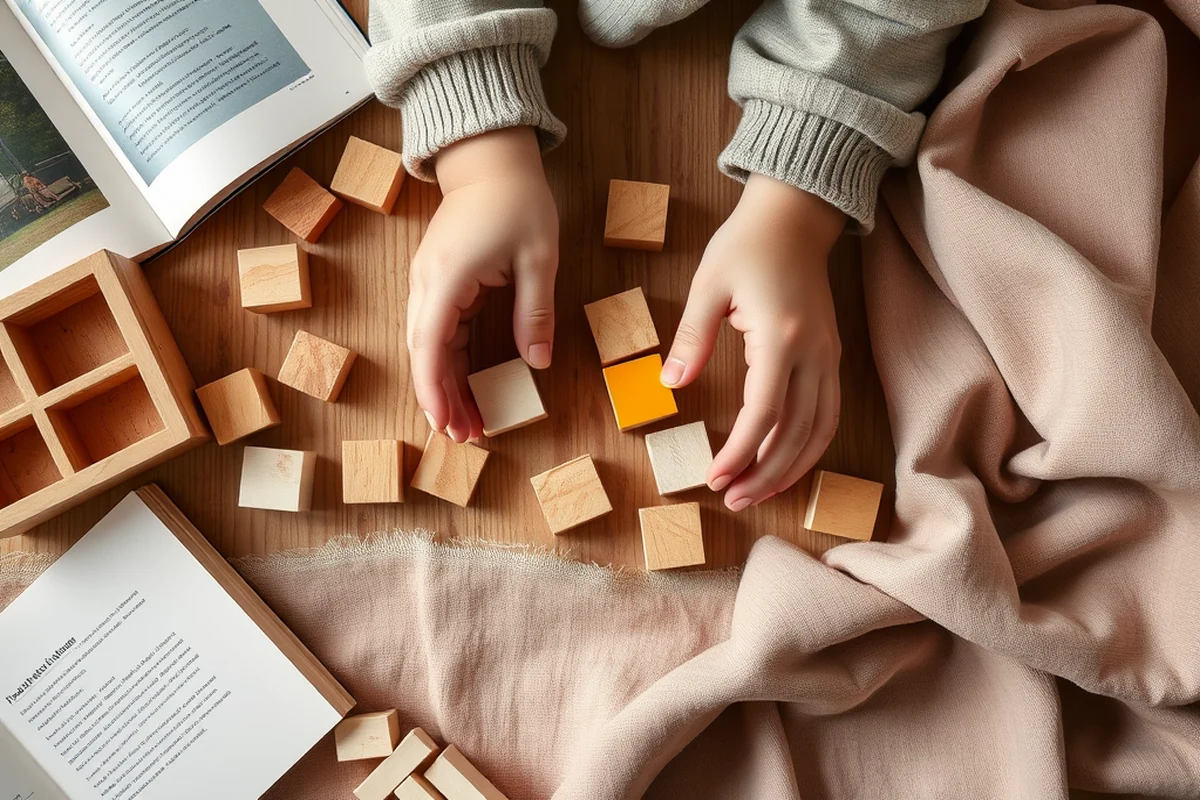
When I started doing process art activity for preschool, I realized how important it was to choose the right materials. I always go for non-toxic, child-safe supplies. I’ve used things like water-based paints, washable markers, and glue sticks that are easy to clean up. I also look for materials that are colorful and have different textures, so my daughter can explore them in different ways.
I’ve found that using natural materials like leaves, fabric, and paper adds an extra layer of sensory experience. My daughter loves mixing them into her art and discovering how they look and feel. It’s a way to bring the outside world into her creative space.
I always make sure the materials are easy to clean. I’ve tried using things like rice and beans in containers, which are fun to play with and easy to wash out. I’ve even used playdough and fabric scraps — they’re all safe and easy to handle for small hands.
Related: What is art for kids
How to Make Process Art Activity for Preschool Feel Like a Special Experience
I’ve learned that turning process art activity for preschool into a special experience can make all the difference. I always make a big deal about it — I play music, light some candles, and set up the space like it’s an art studio. It makes my daughter feel like she’s doing something important, even if it’s just playing with paint.
I also like to give her a sense of purpose. I’ll tell her we’re making a ‘masterpiece’ or a ‘gift for the family.’ It gives her a reason to be excited and invested in what she’s doing. I’ve even had her make art for her grandparents, and she’s been so proud of it.
I always take time to celebrate her work. Even if it’s messy, I’ll hang it up on the wall or take a photo. It helps her see that her creations are valued, and it gives her a sense of accomplishment and pride.
Related: What is coloring book for kids
How to Handle the Mess of a Process Art Activity for Preschool
I’ve learned that the mess is part of the process — and that’s okay. I always set up a big table or floor space with a protective covering, like a plastic sheet or newspaper. I’ve also found that using old clothes or aprons helps keep my daughter’s outfit clean. I always remind her that we can clean up later, and I make sure she knows that it’s okay to be messy while creating.
I’ve started keeping a small bin in the bathroom with wipes and water — it’s a quick way to clean up if needed. I also have a few buckets and rags in case of bigger messes. I’ve found that having a cleaning plan in place makes the whole experience less stressful for me and more enjoyable for my daughter.
I always make sure to clean up together. I sit with her and help her wipe down the table, put the materials back in their place, and take off her apron. It’s a chance for us to bond and for her to learn about responsibility and organization.
Mess is part of the process — and that’s what makes it so much fun.
Related: Paw patrol coloring pages
How to Incorporate Process Art Activity for Preschool Into Your Daily Routine
I’ve started doing process art activity for preschool as part of our daily routine. We do it after lunch, or sometimes in the morning when we have a bit of downtime. It’s a great way to give my daughter a break from screen time or structured learning and to let her explore and create freely.
I’ve found that having a set time for process art helps her feel more comfortable with the activity. It gives her a sense of structure and expectation, which helps her focus and enjoy the experience even more. I always let her know that we have time to play and create, and that it’s a special part of our day.
I’ve also started incorporating process art into our weekend routines. We’ll do it in the morning before going out, or in the afternoon after a long day. It’s a way for us to unwind and connect, and it’s something my daughter looks forward to every week.
👶 Gentle Approach
Use soft materials like fabric and paper, and keep the activity slow and calm to match your child’s pace.
⚡ Fast-Track Option
Set up a quick process art activity with just a few materials and let your child explore without delays.
🧳 Travel/On-the-Go Option
Use portable materials like washable markers and paper to create process art activity for preschool anywhere, anytime.
👯♀️ Multiple Kids
Create a shared space with a variety of materials so multiple kids can explore and interact during the process art activity.
🔄 Regression Reset
Use a simple, familiar process art activity to help your child regain confidence and re-engage with creative play.
| The mistake | Why it happens | The fix |
|---|---|---|
| Trying to control the outcome too much | It can make the activity feel forced and take away the child’s sense of ownership and creativity. | Let your child lead the way — the mess and the results are part of the process. |
| Not preparing for the mess | It can lead to stress and frustration for both you and your child. | Always have a plan in place — use protective coverings and set aside time to clean up. |
| Choosing materials that are too complicated or unsafe | It can discourage your child and make the activity less fun. | Use child-safe, easy-to-clean materials that are appropriate for your child’s age. |
| Not allowing enough time for the activity | It can make your child feel rushed and less engaged in the process. | Let the activity flow naturally — follow your child’s interest and give them the time they need. |
Process Art Activity For Preschool
Common Questions
What if my child is too messy to do process art activity for preschool?
How long should a process art activity for preschool last?
Can I do process art activity for preschool with my toddler?
What if my child is not interested in process art activity for preschool?
References
- State-Funded Pre-Kindergarten: What the Evidence Shows | ASPE (aspe.hhs.gov)
- Developing Children's Creativity and Social-Emotional ... - PMC - NIH (pmc.ncbi.nlm.nih.gov)
- The California Preschool Curriculum Framework, Volume 2 (cde.ca.gov)
Cite this guide
Messysenses (2026). Process Art Activity For Preschool. https://messysenses.com/process-art-activity-for-preschool/
Feel free to cite or share this guide.