
How To Process Art For Toddlers
📖 Table of Contents
I still remember the first time my son smushed a handful of paint onto a canvas, leaving a streak of blue that looked like a storm had passed through. I was equal parts horrified and fascinated. It was messy, but it was also a moment of pure, unfiltered creativity. Processing art for toddlers doesn't just mean cleaning up — it means helping them understand the chaos, the joy, and the stories behind their creations. This isn't about turning them into little artists; it's about guiding them through the mess to find meaning and connection.[1]
For years, I tried to rush the process. I wanted to clean up right away, to make everything neat and orderly. But I learned that toddlers don't think that way. Their art is a language of emotions, and processing it requires patience, presence, and a willingness to sit with the mess. It's not about making their art look like something from a museum — it's about helping them see the value in their own expressions. Processing art for toddlers becomes a way of saying, 'I see you, and I care about what you're trying to tell me.'
There are no strict rules, but there are strategies that have worked for me. I've spent hours on the floor with my child, talking about the colors, the textures, the shapes. We've drawn together, made messes, and talked about how feelings can be messy too. Processing art for toddlers isn't just about creativity — it's about emotional development, communication, and building a bond. It's the kind of thing that doesn't always look impressive, but it has a lasting impact.
Why You'll Love This Approach to Processing Art for Toddlers
- Encourages emotional expression and self-awareness
- Strengthens the parent-child bond through shared creativity
- Builds early communication skills through dialogue
- Helps toddlers understand and articulate their feelings
The Emotional Language of Toddler Art
As of September 2026, when my daughter was two, she painted her entire face with red. At first, I thought she was being messy again. But when I asked her why, she said, 'I'm mad.' It was a simple explanation, but it taught me how powerful art can be in conveying emotions. Toddlers don't have the words to explain their feelings yet — their art becomes the language.
I started to notice patterns. When she was happy, her colors were bright and bold. When she was sad, the colors were muted and soft. Processing her art meant paying attention to these cues and validating them. I'd sit with her, ask questions, and let her explain what she was feeling.
This became a routine. We'd talk about the colors, the shapes, and even the textures. I learned that processing art wasn't about fixing it — it was about understanding it. It helped her feel seen and heard, even when she couldn't put her feelings into words.
Pay attention to the colors your child uses. Bright reds and yellows often indicate excitement or anger, while blues and greens may signal calm or sadness. Use these observations to start a conversation.
The Power of Dialogue in Processing Art
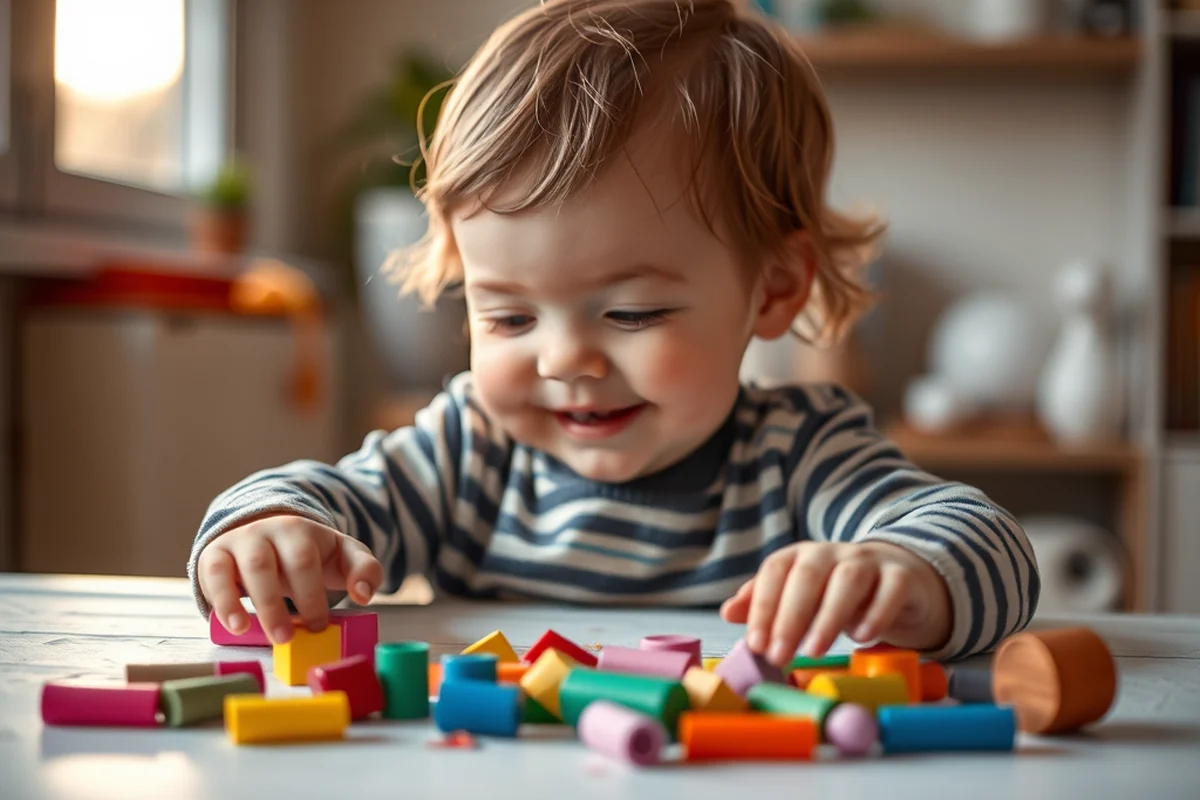
I used to think that processing art meant cleaning it up. But it's not about the mess — it's about the conversation. When my son was three, he made a painting with a lot of dark lines. I asked him what it meant. He said, 'It's a monster.' I asked if the monster was scary, and he said, 'Yes, but I drew it because I wanted to make it feel better.'
That was a powerful moment for me. I realized that processing art was more than just understanding the picture — it was about helping them make sense of their own thoughts and feelings. I started to ask more questions, and he started to open up more about what was going on in his mind.
I learned that dialogue is the key. Processing art becomes a way to build trust and connection. It's not about giving them answers — it's about listening and asking questions that help them explore their own emotions.
Art is a mirror — it shows us what we're feeling, even when we can't say it.
Related: Spring process art for toddlers
Related: Process art for kids
Related: Cheap process art for toddlers
Related: Art work for toddlers
Creating a Safe Space for Art
I used to worry about making a mess, but I realized that the mess was part of the process. I started to create a space where art could happen without fear of being judged. I set up a small table with paper, crayons, and even a few paint supplies. It became a place of exploration and expression.
I also made sure that I was there every time. I sat with my child, talked to them, and never made any judgments about their creations. I let them know that it was okay to make mistakes, to have messy hands, or to not know what they were doing. Processing art in a safe space means being present and accepting.
This became a regular part of our day. We'd have art time, and it was a time of connection, creativity, and understanding. I saw how much more confident my child became when he knew that I was there for him, no matter what he created.
Set aside a specific time each day for art. It doesn't have to be long — even 10 minutes can make a big difference. Make it a non-negotiable part of your routine.[2]
“I still remember the first time my son smushed a handful of paint onto a canvas, leaving a streak of blue that looked like a…”— Messysenses editors
Related: Flower process art for toddlers
The Role of Materials in Art Processing
I used to use any paper I could find, but I learned that the right materials make a big difference. I started using thick, sturdy paper that could handle a lot of paint and crayon. It didn't tear as easily, and it felt more like a proper canvas.
I also invested in child-safe paints and markers. They were more vibrant, and they didn't leave a strong smell or stain the hands too badly. I found that using the right materials made the experience more enjoyable for both of us.
I also made sure to keep the materials easily accessible. I had a small bin with paper, markers, and even some playdough. It made it easier for my child to explore and create without needing permission or help. Processing art became a natural part of our day.
The Importance of Reflection
I used to skip the reflection part — I thought it was unnecessary. But I quickly realized that it was just as important as the creation itself. I started to ask my child what they wanted to name their artwork. We'd talk about what they were thinking when they made it, and what they wanted to say with it.
This helped my child see their art as more than just a mess. It became a form of communication. I started to notice that they were more proud of their work, and they were more willing to talk about it. Reflection turned their art into a form of storytelling.
I also found that reflection helped me understand them better. I learned more about their thoughts, their feelings, and their way of seeing the world. Processing art became a way of building a deeper connection with my child.
Encouraging Ownership of Their Art
I used to hang up their art on the fridge or the wall, but I realized that it was more important for them to feel like it was theirs. I let them choose where to put it — on their bed, in their room, or even on the floor. It made them feel like their art had a place in the world.
I also let them name their pieces. We'd talk about what they wanted to call them and why. Some of their names were silly, like 'The Big Blue Monster,' but they loved it. It made them feel like their art was special and important.
I noticed that they became more proud of their work when they felt like it was theirs. They were more willing to talk about it, and they were more excited about creating. Processing art became a way of helping them feel confident and capable.
When a child feels ownership of their art, they feel ownership of their emotions, too.
The Role of the Parent in Processing Art
I used to think that I didn't need to be involved in the art process — but I quickly learned that my presence made all the difference. I started to sit with my child, talk to them, and listen to what they had to say. It wasn't about correcting them — it was about showing them that I cared.
I also made sure to celebrate their work, no matter how messy or strange it looked. I told them how proud I was of them, and I asked them questions that helped them explore their own thoughts. It became a way of building trust and connection.
I realized that processing art was more than just helping them clean up — it was about being there for them, no matter what they created. It was about showing them that their feelings were valid, and that their art was important. Processing art became a way of helping them grow, both creatively and emotionally.
🎨 Gentle Processing
This approach focuses on slow, deliberate conversations and reflection, ideal for older toddlers who are more verbal.
⏱️ Fast-Track Processing
A quick, efficient method for younger toddlers or when time is limited, with a focus on immediate connection and cleanup.
🧳 Travel/ Away-From-Home Processing
A portable, mess-friendly approach that works well when you're on the go or away from home.
👶 Multiples Processing
A strategy for processing art with multiple toddlers, keeping them engaged and focused on their own creativity.
🔄 Regression Reset Processing
A method to help toddlers process art after a period of regression or emotional difficulty, using art to restore confidence and connection.
| The mistake | Why it happens | The fix |
|---|---|---|
| Overcorrecting the child's art | This can make the child feel like their creativity is being judged, leading to self-doubt and a reluctance to express themselves. | Instead of correcting, ask open-ended questions that let them explore their own thoughts and feelings. |
| Ignoring the art and focusing only on the mess | This sends the message that the mess is the only thing that matters, not the emotions or creativity behind it. | Take time to talk about the art itself, no matter how messy it is. Let your child know that their feelings and expressions are valid. |
| Forcing the child to talk about their art | This can create pressure and anxiety, making the child feel like they need to explain themselves in a way they're not ready for. | Let them lead the conversation. Ask gentle questions and be ready to listen — not to fix, but to understand. |
| Not being present during the art process | This can make the child feel alone in their creativity and emotions, leading to a lack of connection and understanding. | Make sure to be physically and emotionally present. Sit with them, listen to them, and show them that you care about what they're creating. |
How To Process Art For Toddlers
Common Questions
How can I help my toddler understand their art if they're too young to talk much?
What if my toddler refuses to talk about their art?
How do I know if I'm processing art correctly with my toddler?
Can I use this method for older children, too?
References
- Text (665.6 KB) - GovInfo.gov (govinfo.gov)
- Preschool Curriculum Framework Volume 3 (cde.ca.gov)
Cite this guide
Messysenses (2026). How To Process Art For Toddlers. https://messysenses.com/how-to-process-art-for-toddlers/
Feel free to cite or share this guide.