
Painting For Kids
📖 Table of Contents
I remember the first time my 3-year-old daughter grabbed a brush and smeared paint across the kitchen table. It was messy, chaotic, and in the moment, I wanted to scream. But looking back, that moment was the start of something incredible — a spark of creativity that has since become a cornerstone of our family’s daily life. Painting for kids is more than just a fun activity; it’s a way to nurture imagination, teach motor skills, and create a shared space where art becomes a language of its own.
As a parent, I’ve spent countless hours researching the best ways to introduce painting to children, and I’ve learned that it’s not just about picking up a brush and a canvas. It’s about setting the scene, offering the right tools, and creating an environment where kids feel safe to explore without fear of making mistakes. Painting for kids becomes an opportunity to bond, to teach, and to watch their tiny hands grow into confident little artists.[1]
Over the years, I’ve learned that the best moments with my kids aren’t always the ones with the most structure or planning. Sometimes, it’s the simple act of sitting on the floor with a child, watching them mix colors and make a mess, that becomes one of the most meaningful experiences of the day. Painting for kids is messy. It’s also magical — and if you’re looking for a way to bring more joy, creativity, and connection into your family’s life, this is where it starts.
Why You'll Love This Activity
- Boosts fine motor skills and hand-eye coordination
- Encourages emotional expression and creativity
- Creates lasting memories and family bonds
- Is adaptable for kids of all ages and abilities
Choosing the Right Tools for Kids
As of September 2026, when I first started painting with my kids, I made the mistake of buying regular house paint and large brushes that were too stiff for small hands. It was a disaster — the paint was difficult to clean, and the brushes were too hard to grip. Eventually, I learned that water-based, washable paints and soft, short brushes made the biggest difference. These tools are designed for kids, with easy-to-hold handles and non-toxic formulas that are safe for little ones.
The key is to choose materials that are both safe and easy to manage. Look for paints that are labeled as non-toxic, water-soluble, and easy to clean up. Brushes with short bristles and ergonomic handles are also a must. My favorite brand for this is Crayola, but there are many other affordable options that work just as well.
Investing in the right tools not only makes painting for kids more enjoyable but also sets the tone for a positive experience. It’s the small details that make a big difference — and the right tools can turn a chaotic mess into a creative masterpiece.
Always go for washable, non-toxic paints and brushes with soft bristles and easy-to-hold handles. These are designed for kids and make cleanup a breeze.
Creating a Safe and Inspiring Space
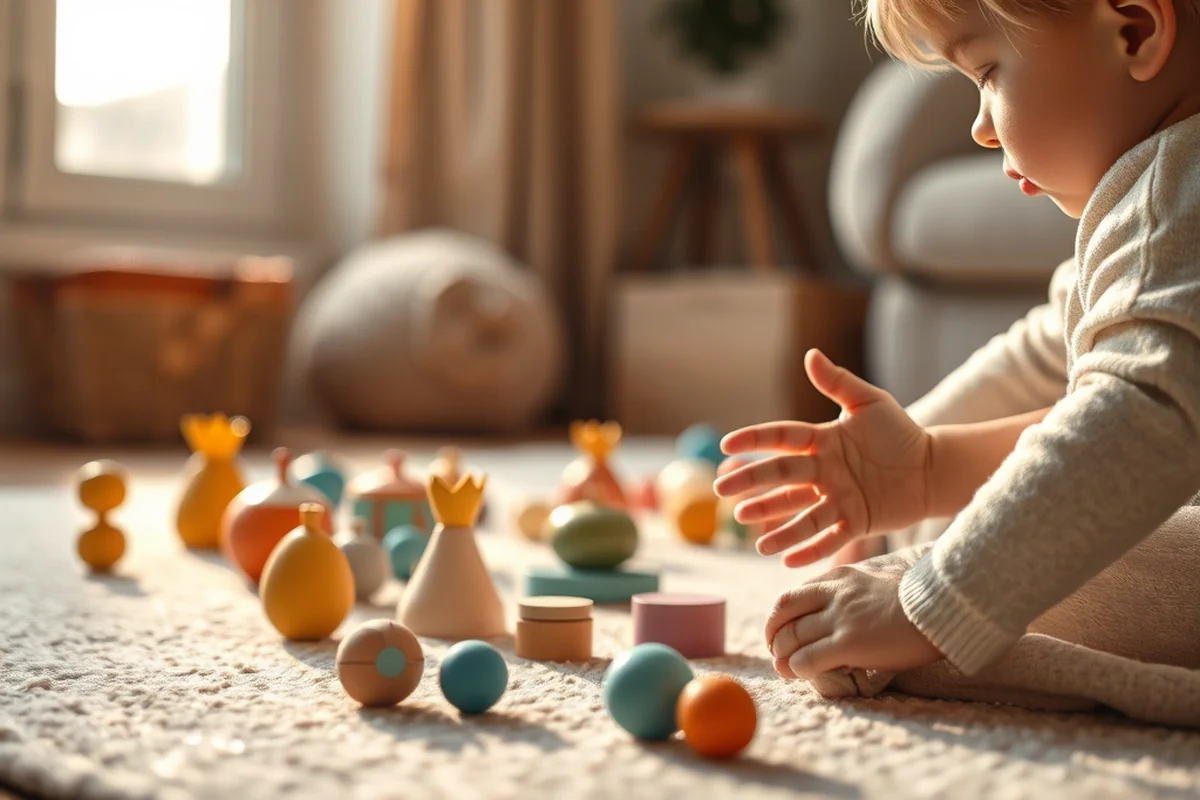
I’ve learned the hard way that a cluttered room can be distracting and overwhelming for children. To create a safe and inspiring space, I always set up in a corner of the living room or on a large table where I can easily supervise. I use an old drop cloth or a large sheet to protect the floor and cover any surfaces that might get splattered.
Lighting is also important — natural light works best, but if that’s not possible, I use soft, warm lighting to make the space feel inviting. I also make sure to have plenty of paper towels, rags, and a small bucket of water nearby for quick cleanups. It’s these small details that make the difference between a stressful mess and a joyful creative experience.
Creating a safe and inspiring space doesn’t have to be complicated. It’s about setting up a space that’s both comfortable and functional — and with a few simple adjustments, you can turn any room into a creative playground.
A little space, a little time, and a lot of imagination.
Related: Fun painting activities for kids
Related: Painting with toddlers
Introducing Colors and Techniques
I always start with primary colors — red, blue, and yellow — because they’re the easiest for kids to understand and work with. From there, I encourage my kids to experiment with mixing colors and creating new shades. This not only teaches them about color theory but also encourages creativity and exploration.
Simple techniques like brushing, dabbing, and splattering can be introduced gradually. I find that allowing kids to try different methods helps them discover what works best for them. It’s important to be patient and let them take their time — the goal is to have fun, not to produce a perfect painting.
Introducing colors and techniques isn’t just about teaching kids how to paint — it’s about helping them develop confidence, creativity, and a sense of ownership over their work. It’s a process that takes time, but the rewards are worth it.
Begin with primary colors and simple techniques like brushing, dabbing, and splattering. These are easy to manage and help kids build confidence.
“I remember the first time my 3-year-old daughter grabbed a brush and smeared paint across the kitchen table.”— Messysenses editors
Related: Toddler finger painting activities
Related: Painting ideas for toddlers
Encouraging Creativity and Expression
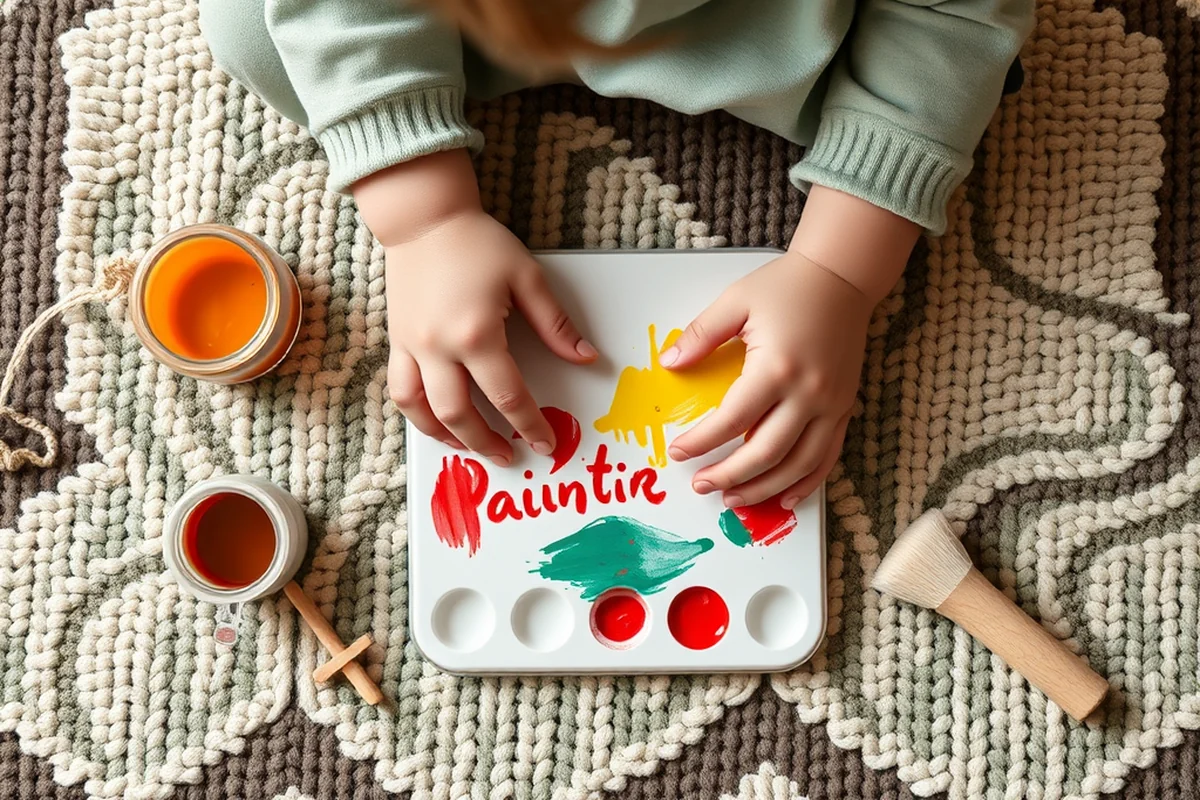
I’ve found that the best way to encourage creativity is to let kids lead the way. Instead of telling them what to paint or how to do it, I ask open-ended questions like, ‘What do you see in your painting?’ or ‘What color do you think this should be?’ This helps them think for themselves and express their ideas in a way that feels natural and comfortable.
I also make it a point to praise their efforts rather than focusing on the final product. It’s not about making a perfect painting — it’s about the joy of creating and the process of exploration. This helps build confidence and a positive attitude toward art.
Encouraging creativity and expression is about being present, being supportive, and being open to their ideas. It’s about creating a space where they feel safe to be themselves and to explore their imagination without fear of judgment.
Related: Paint activities for toddlers
Making Painting a Regular Part of the Routine
I’ve found that setting aside a specific time each week for painting helps my kids look forward to it. Whether it’s a Saturday morning or a quiet afternoon, knowing that painting is a regular part of our routine makes it easier to prepare and get into the right mindset.
I also make it a point to keep the materials accessible and ready to go. This means storing brushes, paints, and paper in a designated spot that’s easy to reach. It also helps to have a few different projects or themes ready to go so that the kids can choose what they want to work on.
Making painting a regular part of the routine doesn’t have to be complicated. It’s about finding a time and a place that works for your family and making it a consistent part of your weekly schedule.
Cleaning Up and Staying Organized
I’ve learned the hard way that if you don’t clean up immediately, things can get messy and overwhelming. My rule is to clean up right after each session — even if it’s just wiping down the table or putting the brushes back in their container.
I also make it a point to have a cleanup routine that works for my family. This might mean assigning roles, like one kid picking up the brushes while the other wipes the table. It helps make the process more efficient and teaches kids responsibility.
Staying organized doesn’t mean everything has to be perfect — it’s about making the process as smooth as possible. It’s about creating a space where kids feel safe and supported, and where the mess is manageable.
Clean up as you go, and the mess will never feel too big.
Making the Most of the Experience
I’ve found that the best painting sessions are the ones where I’m fully present — not checking my phone, not worrying about the mess, but simply enjoying the moment with my kids. It’s about being in the flow of the activity and allowing the experience to unfold naturally.
I also make it a point to celebrate the small victories — like when my kids learn to mix colors or when they try a new technique. These moments are what make the experience special and meaningful.
Making the most of the experience is about being open to the joy and wonder that painting brings. It’s about creating a space where kids can explore their creativity, express themselves, and connect with their family.
🎨 Gentle Painting for Toddlers
For very young children, use soft brushes and washable paints. Focus on simple shapes and colors, and keep the experience short and playful.
⏱️ Fast-Track Painting Sessions
Keep painting sessions short and focused on one or two activities. This is great for busy days or when time is limited.
🧳 Travel/Portable Painting
Use travel-friendly paints and brushes that are easy to pack. This is perfect for trips, parks, or on-the-go creativity.
👫 Painting with Multiple Kids
Set up multiple stations or use separate materials to ensure every child has their own space and tools to avoid conflicts.
🔄 Regression Reset Painting
Use painting as a way to help kids process emotions or reset after a challenging day. Focus on freeform expression and emotional release.
| The mistake | Why it happens | The fix |
|---|---|---|
| Using regular house paint | Regular house paint is not safe for kids and is difficult to clean. It can also be toxic if ingested. | Always use water-based, non-toxic paints designed for children. |
| Trying to control the process too much | Controlling the process can make kids feel frustrated or uninterested in painting. | Let kids take the lead and explore on their own. Focus on encouraging creativity rather than controlling the outcome. |
| Not cleaning up immediately | Leaving the mess for later can make the cleanup more difficult and overwhelming. | Clean up as you go, even if it’s just wiping the table or putting brushes back in their container. |
| Using too many materials at once | Too many materials can be overwhelming for kids and make the experience confusing. | Start with a few simple materials and gradually introduce new ones as your child becomes more comfortable. |
| Focusing too much on the final product | Focusing on the final product can make the experience less enjoyable and more stressful for kids. | Celebrate the process, not the outcome. Focus on the joy of creating and the exploration of ideas. |
Painting For Kids
Common Questions
What age is best to start painting with kids?
How can I keep painting sessions from getting too messy?
What should I do if my child is hesitant to paint?
Can I reuse the same paints for multiple sessions?
References
Cite this guide
Messysenses (2026). Painting For Kids. https://messysenses.com/painting-for-kids/
Feel free to cite or share this guide.