
Paint Activities For Toddlers
📖 Table of Contents
- Why Paint Activities for Toddlers Are a Must-Try
- The Magic of Finger Painting
- Using Cotton Swabs for Tiny Details
- Wipe Boards and Reusable Surfaces
- Painting on the Floor: A Sensory Experience
- Introducing Watercolors to Toddlers
- The Importance of Mess and Letting Go
- Make It Your Way
- Frequently Asked Questions
I remember the first time my son dipped his hand into a pool of water-based paint and left a rainbow of squiggles on the kitchen table — it was messy, it was loud. It was pure magic. That moment, and the dozens that followed, became the foundation of our family’s love for paint activities for toddlers. These weren’t just art projects; they were learning experiences that taught him about colors, textures, and even simple shapes. We didn’t have a studio or a special room for creativity — just a few paper towels, a small table, and a pile of paints that never quite stayed in the container.
Over the years, I’ve experimented with different types of paints, surfaces, and tools, and I’ve learned that the best paint activities for toddlers are the ones that are safe, engaging, and adaptable. Whether it’s finger-painting on a large paper, using cotton swabs for intricate designs, or even using watercolors on a wipe board, each activity gives toddlers a chance to explore without fear of breaking anything. The key is to keep it simple, to let their imagination guide the process. To make sure you’re ready for the inevitable mess — because let’s face it, it’s going to happen.[1]
What I’ve also learned is that paint activities for toddlers are more than just fun — they’re essential. They help develop fine motor skills, encourage creativity, and even provide a unique way for young children to express emotions. These activities are especially valuable during the chaotic early years of parenting, when you’re juggling a thousand things at once and need a way to connect with your child. With the right setup and mindset, paint activities can become a daily ritual — one that’s as much about learning as it is about laughter.[2]
Why You'll Love This Approach to Paint Activities for Toddlers
- Encourages creative expression without the pressure of perfection
- Helps develop fine motor skills through hand-eye coordination
- Provides a sensory-rich environment that supports early learning
- Creates lasting memories and a shared bonding experience
Why Paint Activities for Toddlers Are a Must-Try
As of August 2026, there’s something about the way a toddler’s eyes light up when they see a tube of paint for the first time. It’s not just about the colors — it’s about the freedom to explore, to make mistakes, and to create without judgment. I’ve found that these activities are especially effective when done during a child’s most energetic hour, typically between 10 a.m. And 1 p.m. When the rest of the house is quiet, and the toddler is wide awake, it’s the perfect time for them to explore their own world of imagination.
I once set up a painting station with just two colors and a few paper towels, and my son spent over an hour making a mural of abstract shapes. It was messy, but he was completely absorbed in the process. He didn’t care about the mess — he cared about the joy of seeing what he could create. This kind of focused engagement is rare for toddlers, and it’s one of the reasons why paint activities for toddlers are so valuable.
The key is to keep the materials safe and the setup simple. I use non-toxic, water-based paints and avoid anything with small parts that could be a choking hazard. I also make sure the surface is easy to clean, like a laminated board or a large sheet of paper. These small details can make a big difference in the success of the activity.
Start with just two colors and a few tools — simplicity encourages creativity.
The Magic of Finger Painting
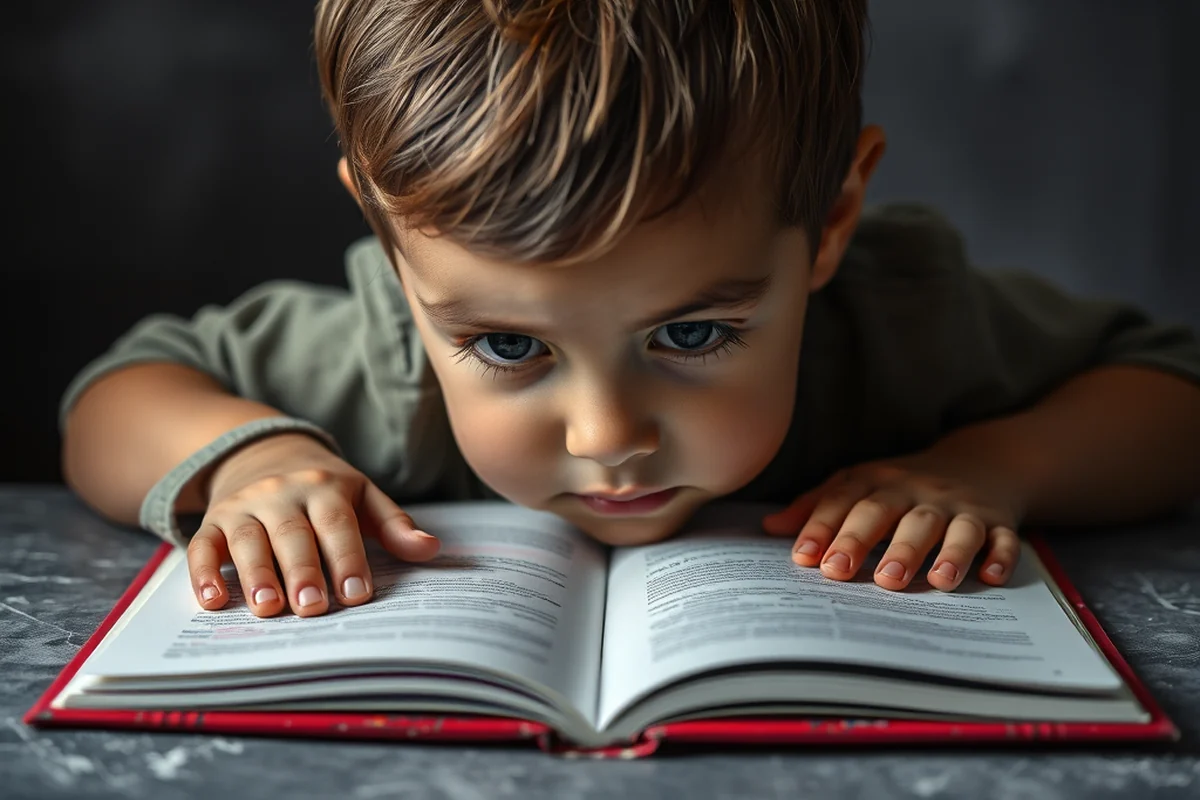
Finger painting is my go-to when we need a quick, no-fuss activity that still delivers a ton of sensory and motor benefits. I’ve watched my son use his fingers to press, swirl, and smear paint across a large paper, and it’s amazing to see how his hand-eye coordination improves with each session. The texture of the paint and the resistance of the paper help build strength in his fingers and palms — an essential skill for writing and other fine motor tasks later on.
I once did a finger-painting session with my daughter, and she made a whole story out of the shapes she created. She pointed to a line and said it was a river, then a circle was an island. It was a simple activity, but it sparked a lot of language development and creativity. This kind of engagement is one of the reasons why paint activities for toddlers are so valuable — they’re not just about art; they’re about learning.
I always make sure to have paper towels and a damp cloth nearby for quick clean-ups. I also encourage my child to use all her fingers — even her thumbs — because they help with grip strength. It’s a small detail, but it makes a big difference in the long run.
Finger painting is where toddler creativity really takes off.
Related: Toddler finger painting activities
Related: Cheap toddler painting activities
Related: Best toddler painting activities
Related: Paint Activity For Toddlers
Related: Activities for kids painting
Related: Kids To Paint
Related: Art Activities For Toddlers
Related: What Is The Best Paint By Numbers For Adults
Related: A Is For Animal Coloring Page
Related: Paint By Numbers For Adults
Related: Mess Free Activities For Toddlers
Related: Adobe Photoshop Sketch
Related: Flower Line Drawings
Using Cotton Swabs for Tiny Details
Cotton swabs are a great alternative to traditional brushes, especially for toddlers who are just learning to control their hand movements. I’ve found that using them gives my toddler a sense of accomplishment as she creates small, detailed designs. It’s also a way to introduce her to the concept of fine motor control — something that’s crucial for writing and other developmental milestones.
One day, I set up a small tray with a few colors of paint and a pile of cotton swabs. My son took to it immediately, using the swabs to draw lines and dots on a wipe board. It was fascinating to see how he experimented with different techniques — sometimes pressing hard, sometimes just tapping. It was a quiet, focused activity that kept him entertained for over 20 minutes.[3]
The best part about using cotton swabs is that they’re easy to clean up and store. I just rinse them out and let them dry, and they’re ready for the next session. It’s a small but practical detail that makes paint activities for toddlers more sustainable and less stressful.
Cotton swabs are perfect for creating detailed designs and helping toddlers build motor skills.
“I remember the first time my son dipped his hand into a pool of water-based paint and left a rainbow of squiggles on the kitchen…”— Messysenses editors
Wipe Boards and Reusable Surfaces
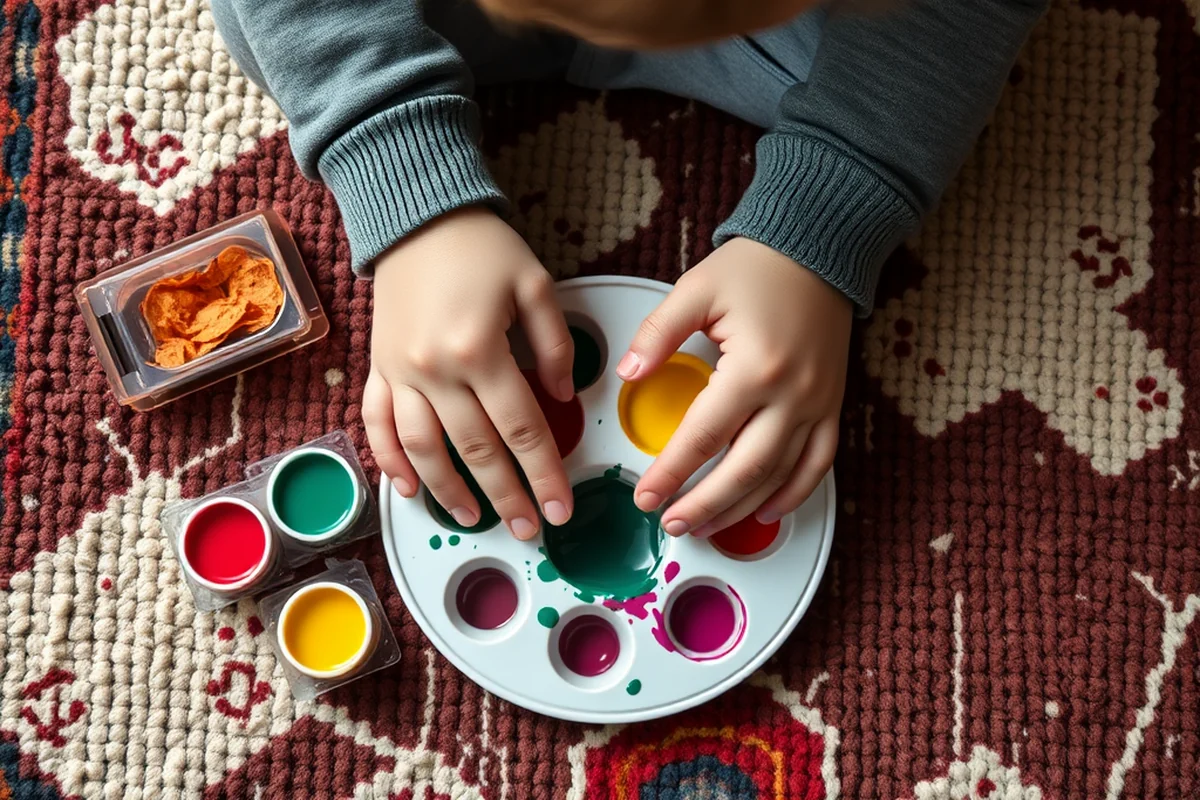
Wipe boards are a game-changer for parents who want to try paint activities for toddlers without the stress of cleaning up. I’ve used them several times, and each time, my child has been excited to create and erase, over and over again. It’s a great way to keep the activity going for longer periods without the mess.
One of the things I love about wipe boards is that they’re reusable. I can use the same board for multiple sessions, and the paint wipes off easily with a damp cloth. This is especially helpful during the days when I’m busy and don’t have time to clean up after every activity. It’s also a way to introduce my child to the idea of making mistakes and then fixing them — a valuable life lesson.
I’ve also found that using wipe boards helps toddlers experiment with different techniques. They can press hard, draw softly, or even make splatters — all without worrying about the mess. It’s a safe and flexible environment for creativity to flourish.
Painting on the Floor: A Sensory Experience
There’s something about painting on the floor that makes the activity feel even more special. My toddler loves being able to crawl around and paint with her hands, feet, and even her whole body. It’s a full-body experience that engages her senses and helps her explore the texture of the paint in a way that’s impossible on a table.
I once set up a painting session on the floor with just a few colors and a big sheet of paper. My daughter spent over an hour crawling around and making footprints, handprints, and even full-body shapes. It was messy, but it was also a lot of fun. I could see how she was learning to move around and how she was experimenting with different ways to make marks on the paper.
The key to this activity is to make sure the surface is easy to clean and that you have plenty of towels on hand. I also like to use a large, sturdy table or a piece of cardboard to protect the floor. It’s a small but important detail that helps keep the activity both fun and manageable.
Introducing Watercolors to Toddlers
Watercolors are a great option for toddlers who are ready to move beyond finger painting. I’ve found that they’re easy to clean up and that the colors are vibrant without being too intense. My toddler has enjoyed using them on wipe boards and even on large paper, and I’ve been impressed by how quickly she picked up the basics of using a brush.
One of the best things about watercolors is that they’re washable and don’t leave behind stains on the skin or clothes. I’ve used them several times, and each time, my child has been excited to experiment with different techniques. She’s learned how to mix colors, how to create different shades, and even how to use water to dilute the paint for a softer effect.
I always make sure to have a damp cloth nearby for quick clean-ups. I also encourage my toddler to use both hands — one for holding the brush and the other for guiding the movement. It’s a small detail, but it helps her build coordination and control.
Watercolors are like a gentle introduction to the world of painting for toddlers.
The Importance of Mess and Letting Go
Letting go of the idea of a clean house is one of the most important things I’ve learned about paint activities for toddlers. There will be paint on the floor, on the walls, and even on the child’s hands — but that’s all part of the process. I’ve learned to accept the mess and to focus on the learning and creativity that comes from it.
One day, my son made a huge mess with a large bucket of paint, and I was tempted to stop him. But instead, I let him continue, and it turned into one of the most engaging sessions we’ve ever had. He spent over an hour splashing paint, making patterns, and even trying to clean it up with a sponge. It was messy, but it was also a valuable experience.
I’ve come to see the mess as a natural part of the learning process. It’s a way for toddlers to explore and experiment without fear. And while it’s not always easy to clean up, it’s worth it for the joy and creativity that comes from these activities.
🖌️ Gentle Exploration
Use water-based paints and large surfaces to help toddlers explore with minimal mess.
⏱️ Fast-Track Fun
Set up a quick paint station with wipes and a wipe board for a 10-minute creativity boost.
🧳 Travel/On-the-Go
Pack portable paint kits with wipes and small boards for creativity anytime, anywhere.
👨👩👧👦 Multiple Kids
Use separate stations and materials for each child to encourage individual creativity and play.
🔄 Regression Reset
Introduce new paint tools and techniques to help toddlers regain confidence and motivation.
| The mistake | Why it happens | The fix |
|---|---|---|
| Using too many colors at once | Too many colors can overwhelm toddlers and make it harder for them to focus on the activity. | Start with just two or three colors and gradually introduce more as the toddler becomes more comfortable. |
| Not having enough clean-up supplies | Not having paper towels, cloths, or wipes nearby can make the activity stressful and less enjoyable. | Always have plenty of supplies on hand, and make sure to place them within easy reach. |
| Trying to control the toddler’s creativity | Trying to direct the toddler’s painting can stifle their creativity and make the activity feel forced. | Let the toddler lead the activity and focus on encouraging their ideas rather than trying to control them. |
| Using small parts that could be a choking hazard | Small paint brushes or containers can be dangerous for toddlers who are still learning to handle objects safely. | Choose large, safe tools and avoid anything with small parts that could be a choking hazard. |
Paint Activities For Toddlers
Common Questions
What type of paint is safest for toddlers?
How long should a paint activity last for toddlers?
Can I use regular paper for paint activities?
How can I encourage my toddler to clean up after painting?
References
- 13 Indicators of Quality Child Care: Research Update - ASPE.hhs.gov (aspe.hhs.gov)
- Painting with young children: There's more to the picture (extension.psu.edu)
- Alabama First Class Pre-K Classroom Guidelines 2020-2021 (children.alabama.gov)
Cite this guide
Messysenses (2026). Paint Activities For Toddlers. https://messysenses.com/paint-activities-for-toddlers/
Feel free to cite or share this guide.