
Process Art For Infants
📖 Table of Contents
- What is Process Art for Infants?
- The Benefits of Process Art for Infants
- Getting Started with Process Art for Infants
- How to Choose the Right Materials for Process Art
- Creating a Messy but Meaningful Environment
- Encouraging Creativity Through Process Art
- Overcoming Common Challenges with Process Art
- Make It Your Way
- Frequently Asked Questions
I remember the first time my daughter smeared paint across the wall, her tiny hands stained with blue and yellow. How my initial panic turned into awe as I watched her explore textures and colors with unfiltered joy. That was the moment I realized process art for infants wasn't about the end product—it was about the journey. It was messy, but it was magical.[1]
As a parent, I've tried to balance structure with creativity, and process art for infants has become a cornerstone of our home. It's not about making beautiful masterpieces; it's about fostering curiosity, motor skills, and emotional expression through sensory play. The mess is part of the experience, and it's taught me that sometimes the best learning happens when we let go of perfection.
Through trial and error, I've discovered that process art for infants doesn't require a studio, expensive materials, or even a clean surface. It's about engagement, observation, and the simple pleasure of watching your child explore the world with their hands, eyes, and heart. It's messy, it's loud, and it's worth every drop of paint and every smudge on the floor.
Why You'll Love This ...
- It fosters creativity and sensory development without the pressure of perfection.
- It's an affordable and accessible way to engage your child through play.
- It encourages emotional expression and self-discovery at an early age.
- It provides a safe space for your child to explore and make mistakes.
What is Process Art for Infants?
As of September 2026, Process art for infants is about exploration, sensory engagement, and emotional expression. It’s not about creating a finished artwork; it’s about the joy of discovery and the freedom to be messy.
My daughter’s first experience with process art was a simple activity with paper, glue, and crayons. She didn’t know what she was doing, but she was fascinated by the texture of the glue and the way the crayons left color on the paper.
This kind of play helps infants build fine motor skills, hand-eye coordination, and cognitive development. It's also a great way for parents to bond with their child through shared exploration and creativity.
Allow your child to explore without correcting or guiding them. This is their space to create freely.
The Benefits of Process Art for Infants
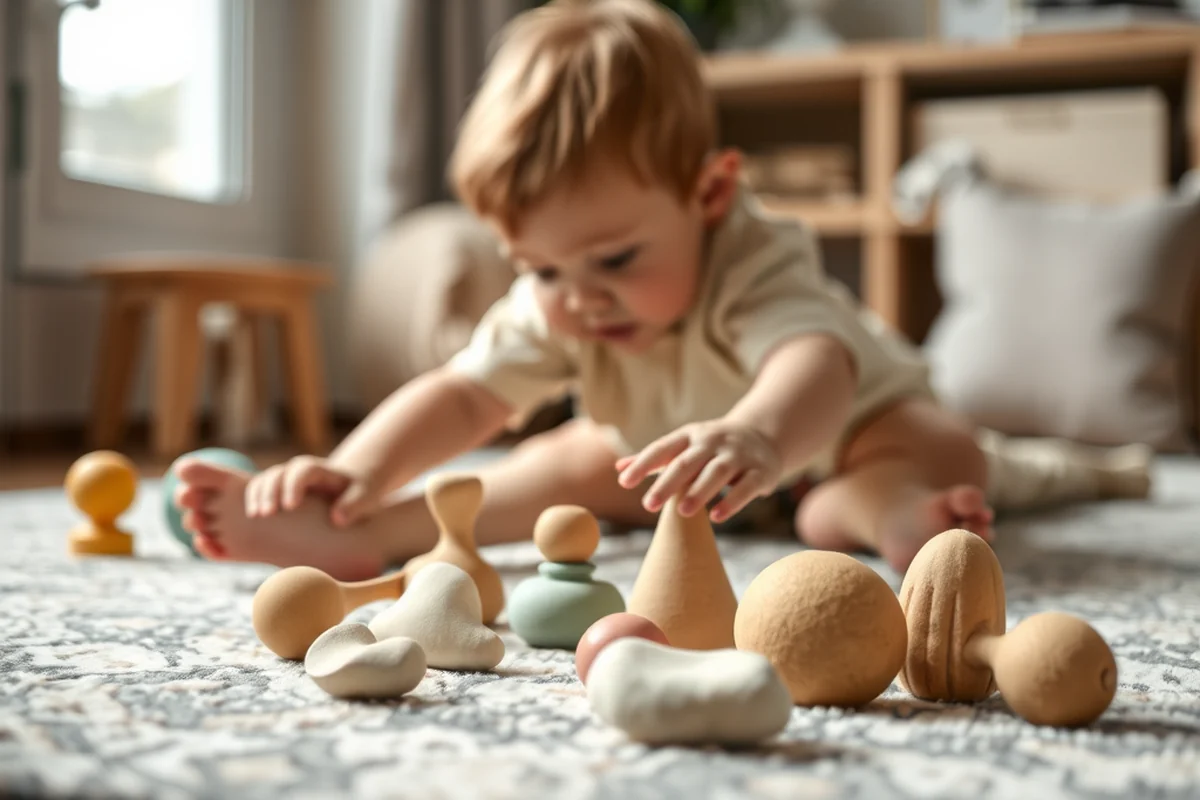
Beyond the obvious fun, process art for infants helps build self-confidence and encourages problem-solving skills. My son, who used to be shy around new people, became more expressive after we started incorporating sensory play into our routine.
Research has shown that infants who engage in process art activities show improved emotional regulation and communication skills. It's a way for them to express their feelings without words.[2]
The benefits extend beyond the child—parents also experience less stress and more connection with their child when they participate in these activities together.
Art is the most beautiful of all things.
Related: Art projects for kids
Getting Started with Process Art for Infants
You don’t need expensive materials to get started with process art for infants. I’ve used things like rice, water, and paper towels to create sensory bins and messy play opportunities.
A good starting point is to choose one or two materials that are safe and easy to clean. My favorite is water and a washable, non-toxic paint that can be used on paper or even the floor.
Let your child lead the way—process art for infants is about their interests, not about your expectations. Watch them explore and learn from their own curiosity.
Begin with a small area or a few materials. You can always add more as you and your child become more comfortable with the process.
“I remember the first time my daughter smeared paint across the wall, her tiny hands stained with blue and yellow, and how my initial panic…”— Messysenses editors
Related: The kid ink
How to Choose the Right Materials for Process Art
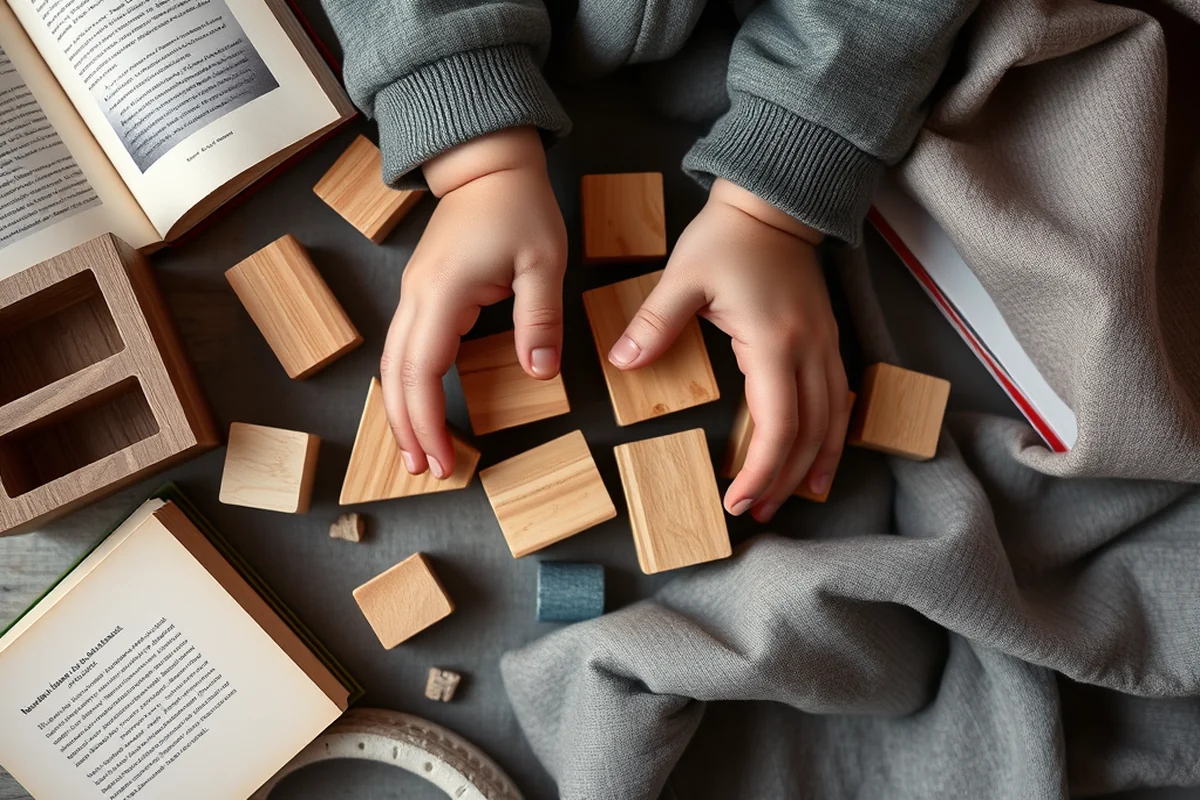
When choosing materials for process art for infants, I always prioritize safety and ease of cleanup. I’ve found that non-toxic, washable paints and soft fabrics work well for sensory play.
Avoid anything that could be a choking hazard or cause irritation if touched. I’ve learned the hard way that some materials can be too abrasive or sticky for little hands.
It’s also important to consider the child’s preferences. Some infants love textured materials, while others prefer smooth surfaces. Observing their reactions helps you choose the right tools for the activity.
Let the child decide what they want to create.
Related: How to art for kids hub
Creating a Messy but Meaningful Environment
One of the biggest challenges I faced with process art for infants was managing the mess. I discovered that setting up a designated area with a drop cloth or old towels helped keep the rest of the house clean.
I’ve also learned to embrace the mess as part of the process. Instead of trying to keep everything perfect, I now focus on making sure the child feels free to explore without fear of judgment.
A safe and stimulating environment is essential for process art for infants. It should be a place where they feel encouraged to try new things and make mistakes.
Related: Art with kids hub
Encouraging Creativity Through Process Art
Creativity in infants often begins with simple, open-ended activities. I've noticed that my daughter becomes more confident and expressive when she's allowed to create without being told what to do.
I’ve found that the best way to encourage creativity is to be present and engaged. I sit with her and let her lead the activity, offering gentle guidance when needed.
It’s also important to praise the process rather than the product. For example, saying, 'I love how you used your hands to mix the colors,' helps reinforce the joy of exploration.
Creativity is a skill, not a talent.
Related: How to coloring books for adults
Overcoming Common Challenges with Process Art
One common challenge I faced was my own anxiety about the mess. I’ve learned that it’s okay to let go of perfection and embrace the chaos that comes with process art for infants.
Another challenge is finding time to engage in these activities. I’ve found that even 10 minutes of focused play can make a big difference in my child’s development and engagement.[3]
It’s also important to be flexible and willing to adapt. If one activity doesn’t work, I try a different approach and see what resonates with my child.
🎨 Gentle Approach
A slower, more sensory-based process that focuses on exploration and emotional safety.
⚡ Fast-Track Version
A quick, no-frills approach that uses ready-made materials and minimal setup.
🧳 Travel/away-from-home
A portable version of process art for infants that can be done on the go or in unfamiliar spaces.
👶 Multiples Approach
A strategy for engaging multiple children in process art while maintaining individual attention and engagement.
🔄 Regression Reset
A method for re-engaging a child who may be disinterested or disengaged from process art.
| The mistake | Why it happens | The fix |
|---|---|---|
| Trying to control the process too much. | Infants need freedom to explore and express themselves without constant direction. | Let your child lead the activity and focus on observation rather than instruction. |
| Using unsafe or inappropriate materials. | Infants can choke on small objects or have allergic reactions to certain materials. | Always choose safe, non-toxic, and age-appropriate materials for process art. |
| Focusing too much on the end result. | The joy of process art lies in the experience, not the final product. | Celebrate the process and the effort your child puts into their exploration, rather than the outcome. |
| Not being present during the activity. | Infants need parental engagement and support to feel secure and encouraged. | Make sure to be fully present and interact with your child during process art activities. |
Process Art For Infants
Integrating Process Art into Daily Routines
I’ve made it a habit to set up a small process art station in our living room — a low table with paper, crayons, and non-toxic playdough. This way, my child can access the materials anytime, which has made art a natural part of our day. I’ve noticed that when they’re in the mood for creativity, they’ll go to the table on their own and begin experimenting. This autonomy is important for their independence and self-directed learning.
I also integrate process art into our bath time. We use water and a few bath bombs to create a sensory-rich experience. The water’s texture, the colors from the bath bombs, and the sound of splashing all become part of the artistic process. My child loves this, and it’s an easy way to make art a regular part of our routine without extra effort or preparation.
I’ve found that even small changes, like using a kitchen towel as a canvas or letting my child finger-paint on the floor during a rainy day, can turn mundane moments into creative opportunities. These small acts of integration have not only made art more accessible but also more enjoyable for both of us.
The Role of Caregiver Engagement in Process Art
Caregiver involvement is key to making process art meaningful for infants. Being present and participating helps build emotional connections and supports developmental milestones.
When I first tried process art with my 9-month-old, I was surprised by how much he responded to my presence. I would sit beside him, talk softly, and let him see me playing with the same materials. This not only made him feel safe but also encouraged him to explore more freely. My involvement helped him understand that the mess was part of a shared experience, not something to be feared.
I've noticed that when I model curiosity and enthusiasm, my child becomes more engaged. For example, when we used cornstarch and water to make a sensory play dough, I would make exaggerated faces and sounds as I mixed it. He began to mimic my expressions, which turned a simple activity into a joyful interaction. This kind of engagement supports language development and emotional intelligence.
It's also important to balance involvement with allowing the child to lead. I've learned to sit back and observe when he's deeply focused on an activity, only stepping in when he seems frustrated or needs encouragement. This balance helps him build autonomy while still feeling supported. Over time, I've seen how this approach has boosted his confidence and willingness to try new things.
Common Questions
Can I do process art for infants with my baby?
What if my child is afraid of getting messy?
How often should I do process art for infants?
What if I don’t have a lot of materials?
References
Cite this guide
Messysenses (2026). Process Art For Infants. https://messysenses.com/process-art-for-infants/
Feel free to cite or share this guide.