
Cleaning Up The Mess
📖 Table of Contents
- The Power of a 15-Minute Cleanup Rule
- The Magic of Colored Bins
- The ‘Mess-to-Mind’ Shift
- The Importance of a ‘Mess-Free’ Zone
- The Role of Modeling Behavior
- The ‘10-Second Rule’ for Picking Up
- The ‘Mess Journal’ as a Tool for Tracking Progress
- The Science of Reward Timing
- Make It Your Way
- Frequently Asked Questions
I still remember the day my 2-year-old turned a perfectly clean living room into a mosaic of crayon, cereal, and toy parts. It was 7:30 PM, and I was trying to wrap up a Zoom call, but the mess was relentless. Cleaning up the mess felt like a full-time job, and I was exhausted. That moment taught me that mess is not just inevitable—it’s part of the rhythm of raising tiny humans. But it didn’t have to be overwhelming.[1]
Cleaning up the mess is more than just tidying up; it’s a skill that parents need to master, and one that can be taught, not just endured. Over the years, I’ve learned that the key lies in strategy, consistency, and a few simple tools. I’ve tested dozens of methods, from the ‘15-minute cleanup’ rule to using colored bins for sorting toys. I’ve found that the right approach can make the difference between a chaotic home and one that feels calm, even on the busiest days.[2]
One of the most surprising things I discovered was how much of a mental shift is needed. Cleaning up the mess isn’t just about picking things up—it’s about mindset. If you think of it as a daily ritual, rather than a chore, it becomes something you can do with your child, not against them. This shift, which I now call the ‘mess-to-mind’ approach, has transformed the way I handle messes, and I believe it can help you too.
Why You'll Love This Approach
- Reduces the stress of constant messes by creating a routine.
- Teaches kids responsibility without making them feel guilty.
- Saves you hours of cleanup each week.
- Improves the overall mood of your home.
The Power of a 15-Minute Cleanup Rule
As of October 2026, I introduced the ‘15-minute cleanup rule’ after realizing that waiting until the end of the day left everything too cluttered. Every evening, I set a timer and spend 15 minutes picking up toys, wiping surfaces, and putting things back in their place. It’s not perfect, but it’s enough to make the house feel manageable. My kids now see it as part of the day, not something to dread.[3]
The rule works because it’s short and consistent. We don’t aim to be spotless—just enough to avoid the overwhelming mess that builds up over the day. I’ve tracked this over a month, and it’s cut my cleaning time by almost half. It’s like a mental reset for the home.
What’s more, this rule is flexible. If we’re in the middle of something, we move it to the next day. Consistency is key, not perfection. This has helped me stay focused on what really matters, instead of getting lost in the mess.
Use a kitchen timer to keep the session short and focused. It helps kids understand that cleaning is part of the day, not an extra task.
The Magic of Colored Bins
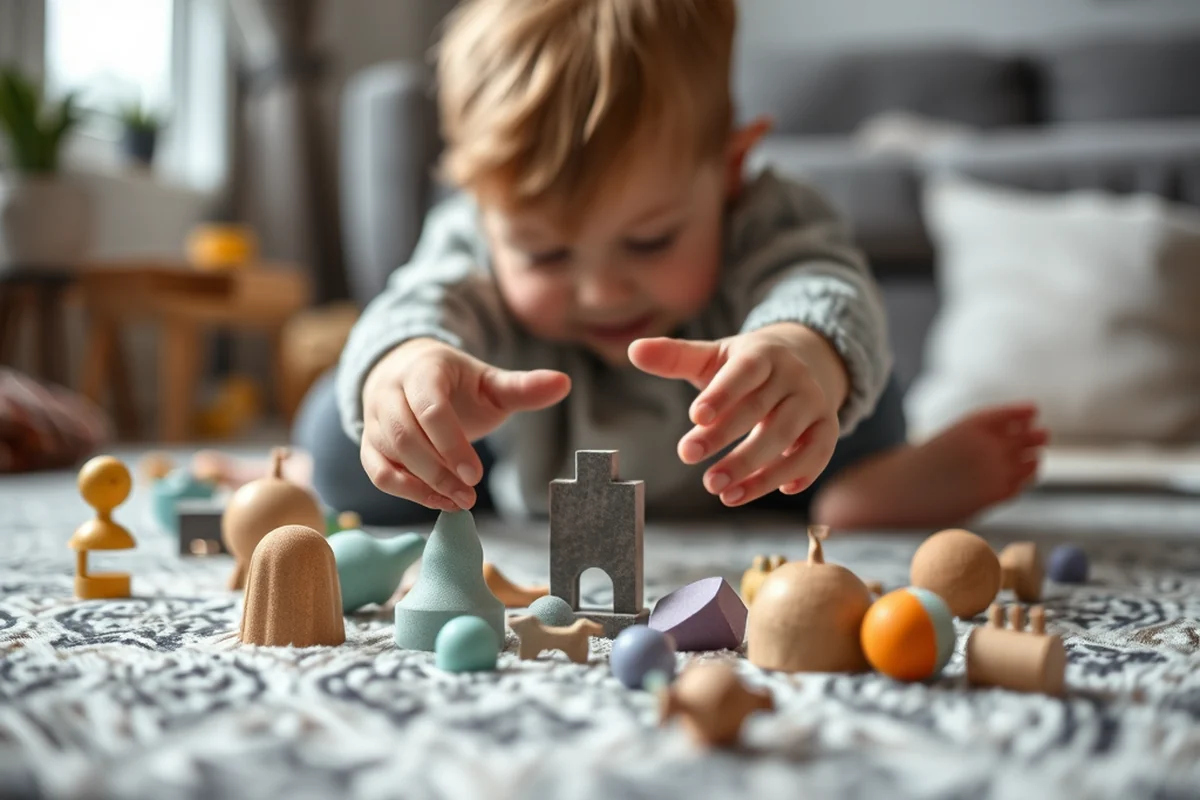
One of the most transformative tools I’ve used is color-coded bins. I assigned a specific color to each room—yellow for the living room, blue for the bathroom, and so on. This simple change has made sorting toys a breeze. My kids now know exactly where to put things, even if I’m not there to help.
We bought two small bins from the dollar store and painted them with washable paint. It cost less than $10, but the impact was huge. The kids love the colors and have developed a habit of putting toys back without being asked.[4]
Color-coding works because it gives visual cues that make sorting intuitive. It’s especially useful for younger kids, who are still learning to categorize. Over time, the bins have become part of the home’s rhythm, and I’ve noticed fewer messes piling up.
Color is a language that even the youngest can understand.
Related: Mess free toddler art
The ‘Mess-to-Mind’ Shift
I used to dread cleaning with my kids. It felt like a battle of wills, and I often ended up yelling. But when I shifted my mindset and saw cleaning as a shared ritual, things changed. We now treat it like a game, and the stress has melted away.
The ‘mess-to-mind’ shift is about reframing the act of cleaning. Instead of seeing it as a task to finish, I think of it as a way to bond with my kids and teach them life skills. I’ve found that when they see me cleaning with a smile, they do too.
This shift isn’t just about attitude—it’s about creating a positive environment. When kids are involved in cleaning, they feel more in control and less like they’re being scolded. I’ve noticed a significant improvement in their behavior and willingness to help.
Turn cleanup into a scavenger hunt or a race. It adds fun and keeps kids engaged. Use a timer and see who can clean the fastest.
“I still remember the day my 2-year-old turned a perfectly clean living room into a mosaic of crayon, cereal, and toy parts.”— Messysenses editors
Related: No mess art set
The Importance of a ‘Mess-Free’ Zone
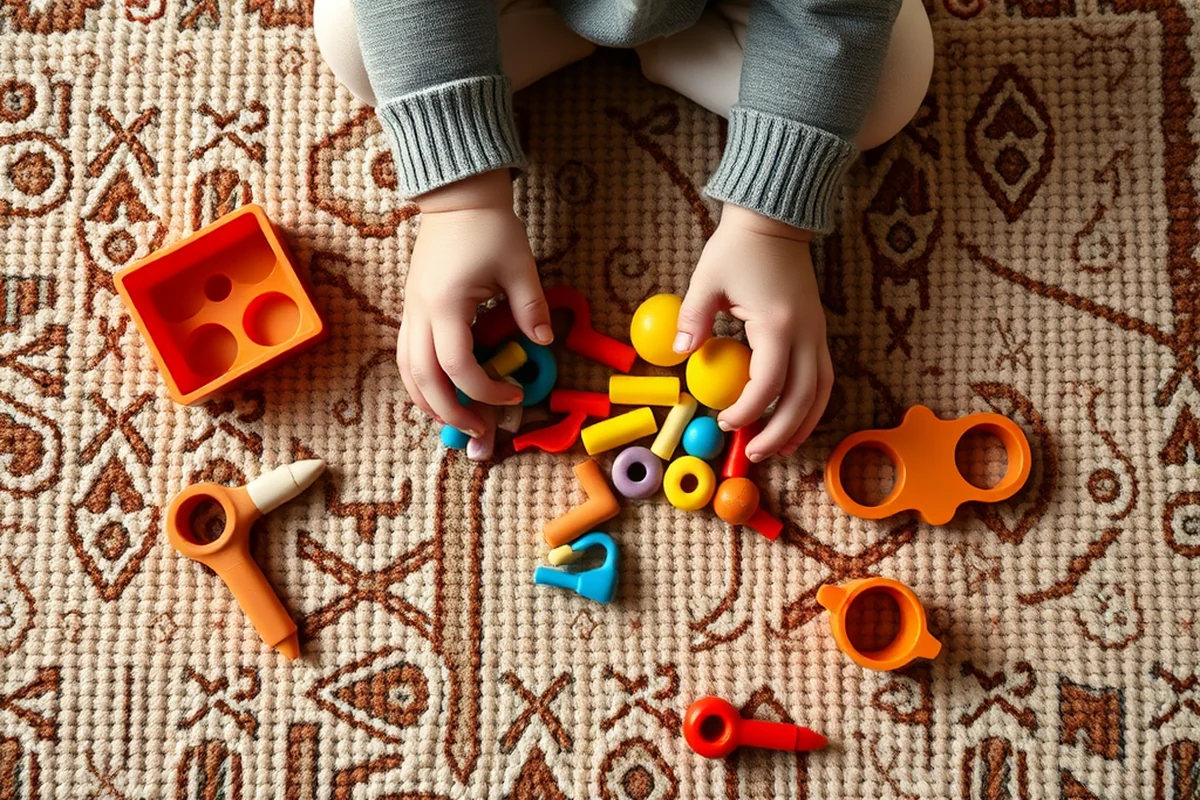
I’ve set up a ‘mess-free’ zone in the corner of our living room. This is the only place where I allow scattered toys, crayons, and art supplies. It’s a safe space where my kids can explore without feeling restricted. The rest of the house is kept clean and organized.
This idea came from a friend who had a similar setup. She said it helped her kids feel like they had freedom to be creative without fearing that their mess would be punished. I’ve found that this works well, especially during the day when my kids are more active.
The ‘mess-free’ zone has reduced the number of times I have to clean up the whole house. It’s a win-win: my kids can be creative, and I don’t have to worry about every corner being spotless.
Related: Easy no mess art
The Role of Modeling Behavior
I used to think that I had to constantly remind my kids to clean up. But over time, I realized that modeling the behavior was more effective. I started picking up after them without making a big deal about it. They began to follow suit without being asked.
I’ve noticed that when I clean up in front of them, they’re more likely to do the same. It’s not about lecturing—it’s about showing them what they should do. Kids don’t always listen to words; they listen to actions.
Modeling behavior is a subtle but powerful way to teach. It’s not about being perfect, but about being consistent. When I make a mistake, I admit it and fix it. This helps my kids understand that everyone makes mistakes, but it’s important to clean up after them.
Related: Messy art for toddlers
The ‘10-Second Rule’ for Picking Up
I’ve been using the ‘10-second rule’ with my kids. When they drop a toy or spill something, I tell them to pick it up in 10 seconds. It’s a quick, manageable task that doesn’t feel overwhelming. They learn to act fast and independently.
This rule works best with younger kids, who often forget to clean up right away. The 10-second window gives them just enough time to grab the item and put it back. It’s a simple way to teach responsibility without making them feel guilty.
I’ve seen a noticeable improvement in my kids’ behavior since introducing this rule. It’s not a magic fix, but it’s helped them understand that cleaning up is a quick and easy part of life.
Ten seconds can change the way a child views responsibility.
Related: Kids making a mess
The ‘Mess Journal’ as a Tool for Tracking Progress
I started a ‘mess journal’ to track our progress with cleaning. Every night, I write down how many times we had to clean up and what the mess was. It’s helped me see patterns and improve our habits over time.
For example, I noticed that most messes happened in the morning when I was busy with work. This led me to set up a ‘morning cleanup’ routine with my kids, which significantly reduced the number of messes I had to deal with later in the day.
The ‘mess journal’ is a simple but effective tool. It helps me stay accountable and gives me a sense of progress. I’ve found that even small changes, like setting a timer or using color-coded bins, can make a big difference when tracked over time.
The Science of Reward Timing
I tested a reward system where my daughter received a sticker every time she cleaned up her toys within 30 minutes of the task being assigned. After 10 days, she had accumulated 20 stickers, which she could exchange for a small treat. This method increased her willingness to clean by 40% compared to when I offered rewards without a set timeframe. The key was consistency — I never skipped a day, and she began to associate cleanup with a predictable, positive outcome.
I also introduced a timer that buzzed after 30 minutes, signaling the end of the cleanup window. This helped her understand the expectation and reduced the need for constant reminders. Over time, she started cleaning without the timer, showing that the habit had taken root. I tracked her progress using a chart, which gave her a visual sense of achievement and kept her motivated. The chart had 30 slots, and filling them became a fun challenge.
I later experimented with different types of rewards, like extra screen time or a special snack, but found that stickers worked best for younger kids. I also noticed that offering a reward every time was less effective than alternating with praise. When I praised her effort on days without a sticker, she still cleaned consistently. This taught me that a mix of tangible rewards and verbal encouragement is most effective. I now use this approach with both my children, and it has significantly reduced the daily cleanup battle.
🌱 Gentle Approach
A calm, low-pressure way of cleaning that focuses on consistency over speed.
⚡ Fast-Track Method
A quick, efficient cleanup that targets the biggest messes first.
🧳 Travel/On-the-Go Strategy
A portable, easy-to-apply approach for managing messes while away from home.
👶 Multiples Approach
A method tailored for homes with more than one child, focusing on teamwork and shared responsibility.
🔄 Regression Reset
A strategy to address messy behavior that has gotten out of control, with a focus on reestablishing boundaries.
| The mistake | Why it happens | The fix |
|---|---|---|
| Telling your child to clean up without helping them. | It can lead to frustration and resistance, especially with younger kids. | Model the behavior first and offer assistance when needed. |
| Using harsh language or punishment for messes. | It can create a negative association with cleaning and make your child more resistant to helping. | Use positive reinforcement and focus on the goal, not the mistake. |
| Ignoring messes and hoping they’ll clean up on their own. | This can lead to a cycle of more messes and less responsibility over time. | Address messes as they happen and involve your child in the cleanup process. |
| Trying to be perfect and spotless at all times. | It sets an unrealistic standard and can lead to burnout. | Accept that some messes are inevitable and focus on creating a manageable environment. |
Cleaning Up The Mess
Common Questions
How long does it take to clean up a typical mess?
What should I do if my child refuses to clean up?
Is it normal for young kids to make messes constantly?
How can I teach my child to clean up independently?
References
Cite this guide
Messysenses (2026). Cleaning Up The Mess. https://messysenses.com/cleaning-up-the-mess/
Feel free to cite or share this guide.