
Process Art Projects For Preschoolers
📖 Table of Contents
- What Exactly Is Process Art for Preschoolers?
- The Magic of Messy Play
- How to Set Up a Process Art Station
- The Benefits of Process Art for Preschoolers
- How to Keep Process Art Simple and Sustainable
- The Role of the Adult in Process Art
- Making Process Art a Daily Habit
- Make It Your Way
- Frequently Asked Questions
I remember the day my daughter came home from preschool with a smudge of paint on her cheek and a proud grin. She had just finished a process art project — a messy, glorious mess of colors and textures. I didn't know then how powerful these kinds of art projects would be for her development. Process art projects for preschoolers are more than just a way to keep kids busy; they're an opportunity to explore, create and grow without the pressure of a 'perfect' outcome.[2]
My first attempt at a process art project was chaotic. I had everything from paper plates to fabric scraps, but I didn't realize how important it was to let the child lead the way. I had assumed I needed to guide every step, but the truth is, process art is about the journey, not the product. As I watched my daughter dip her fingers into glue and sprinkle glitter, I saw her confidence grow in ways I hadn't anticipated.[3]
Now, I'm a self-proclaimed process art enthusiast. I’ve tried nearly every kind of medium and activity I can think of — from pouring watercolors to using natural materials like leaves and rocks. What I’ve learned is that process art projects for preschoolers are about fostering creativity, fine motor skills, sensory exploration, and emotional expression. These projects are not about the end result; they're about the joy, the learning, and the little hands that get messy in the process.[4]
Why You'll Love This Approach to Process Art
- Encourages open-ended creativity and self-expression
- Supports fine motor development and sensory exploration
- Fosters confidence and a love of learning through play
- Requires minimal materials and is adaptable to any home or environment
What Exactly Is Process Art for Preschoolers?
As of October 2026, Process art is about giving children the freedom to explore different textures, colors and materials. There’s no right or wrong way to do it, and that’s the beauty of it. For preschoolers, this kind of art helps them learn how to make choices, think critically and express their emotions in a safe and supportive environment.
I’ve found that when I allow my daughter to lead the activity, she becomes more engaged and invested. She picks up the paintbrush, dips it into a cup of watercolor, and starts painting — not because she’s following instructions, but because she’s curious and excited to try something new.
One of the best parts of process art is that it can be tailored to any child’s interests or developmental stage. Whether they’re fascinated by textures or love exploring with their hands, there’s a process art activity that can meet them where they are.
Give them the materials and let them explore without instruction. This builds confidence and creativity.
The Magic of Messy Play
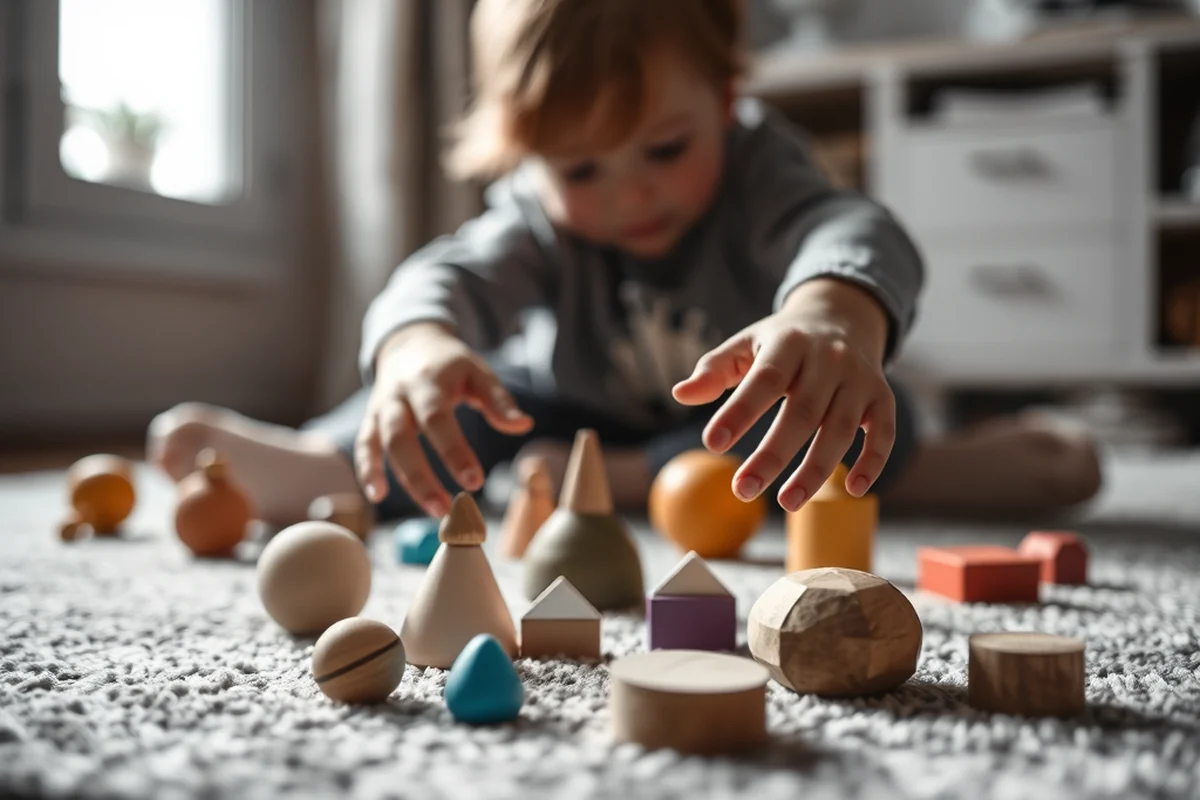
I remember the first time my daughter tried a process art project with shaving cream. She was so excited to touch it and play with it. I watched in awe as she discovered how to make shapes, press her fingers into it and even ‘clean’ it by wiping it off with a paper towel.
Messy play is a key component of process art because it engages multiple senses at once — touch, sight, even smell. It’s a way for children to explore the world around them in a hands-on, meaningful way. And the best part is, it’s completely okay if things get a little messy.
The freedom to make a mess is part of the learning process. When I let my daughter get her hands in the paint, she learns about colors, mixing, and even how to clean up after herself — all while having fun and being creative.
Messy is magical when it’s part of the process.
Related: Heart coloring pages
How to Set Up a Process Art Station
I’ve found that setting up a small table in our living room with a few bins and cups of materials works best for me. I fill one bin with paint, another with paper towels, and have a few paper plates and canvases on hand. This setup allows my daughter to choose what she wants to use without needing a lot of supervision.
I always keep a few materials on hand — things like watercolors, crayons, markers, glue, and natural materials like leaves and rocks. It’s important to rotate these materials every few days to keep the process art experience fresh and interesting.
Setting up a dedicated process art station also helps with cleanup. After the activity, we simply put everything back in its designated spot — and I’ve noticed that my daughter is more willing to help with the cleanup when she knows where everything belongs.
Change the materials every few days to keep the process art experience engaging and exciting for your child.
“I remember the day my daughter came home from preschool with a smudge of paint on her cheek and a proud grin.”— Messysenses editors
Related: What is body drawing
The Benefits of Process Art for Preschoolers
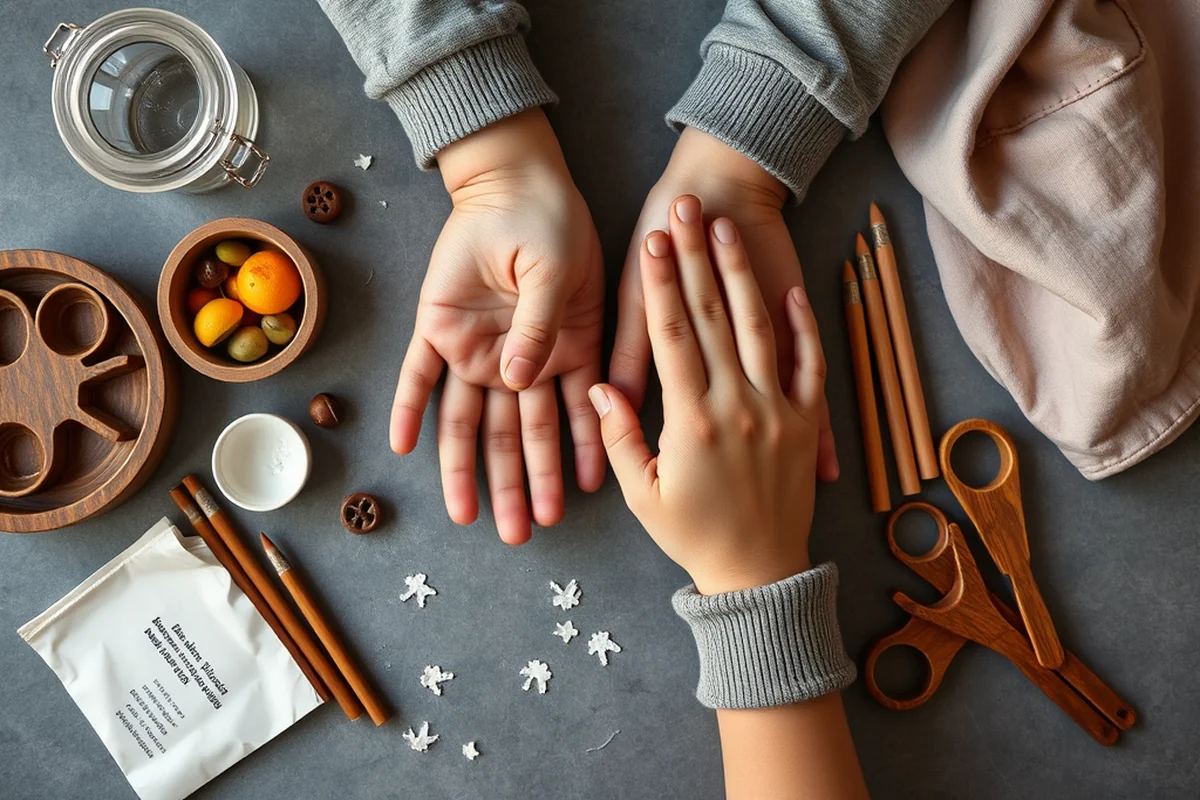
I’ve seen a noticeable improvement in my daughter’s fine motor skills since we started doing process art. Her hand-eye coordination, grip strength and ability to hold a paintbrush have all improved over time. These skills are essential for writing, drawing and other developmental milestones.
In addition to motor skills, process art helps preschoolers develop their emotional intelligence. When they’re allowed to explore and express themselves freely, they learn how to regulate their emotions and communicate their feelings in a safe and supportive way.
I’ve also noticed that my daughter becomes more confident and independent after completing a process art project. She takes pride in her creations, even if they’re not ‘perfect’ — and that’s exactly the point of process art.
Related: Easy drawings for kids
How to Keep Process Art Simple and Sustainable
One of the simplest ways to keep process art sustainable is to use materials you already have at home. I’ve used things like fabric scraps, paper plates, and even old magazines for collage projects. These materials are free and can be reused in multiple ways.
I’ve also started using natural materials like leaves, flowers and rocks for our process art projects. These items are not only sustainable but also provide a unique sensory experience for my daughter. She loves touching the leaves and rocks and exploring their textures and colors.
To make the process even more sustainable, I’ve started using eco-friendly paints and markers. These are just as effective as regular ones, but they’re better for the environment and safer for little hands to use.
Related: Power ball drawing
The Role of the Adult in Process Art
I’ve learned that the best way to support my daughter during a process art activity is to be present and engaged without being overbearing. I sit with her, talk to her, and offer encouragement when she needs it — but I never take over or tell her what to do.
I’ve noticed that when I step back and let her explore on her own, she becomes more confident and creative. She’s more likely to take risks and try new things if she feels safe and supported.
It’s also important to be ready to help if she needs it. Sometimes she’ll ask for help with a task, like using a glue bottle or cleaning up after herself. In those moments, I’m there to support her — not to take control.
Be there, not in the way.
Related: Free and printable coloring pages for kids
Making Process Art a Daily Habit
I’ve started setting aside 20 minutes each day for process art. It’s a small but meaningful way to engage my daughter and keep her interested in creative play. She looks forward to this time each day, and I’ve noticed a real shift in her confidence and creativity.[1]
I’ve found that consistency is key with making process art a habit. Even if we only do it a few times a week, it’s still valuable. The important thing is that it becomes a regular part of our routine and something my daughter enjoys.
I’ve also started using process art as a way to explore different themes or topics — like nature, emotions, or even holidays. This helps keep things interesting and provides a variety of experiences for my daughter.
🌸 Gentle Process Art
A calm, low-stimulation approach with soft textures and minimal mess, ideal for sensitive or overstimulated children.
⚡ Fast-Track Process Art
Quick, no-fuss activities that can be done in under 15 minutes, perfect for busy days or short attention spans.
✈️ Travel/away-from-home Process Art
Portable and mess-free activities that can be done anywhere, even in a hotel or on a plane.
👶 Process Art for Multiples
Activities that allow multiple children to engage at the same time, supporting social development and shared creativity.
🔄 Regression Reset Process Art
Activities that help preschoolers re-engage with creativity after a developmental setback or emotional challenge.
| The mistake | Why it happens | The fix |
|---|---|---|
| Trying to direct the activity too much | This can stifle creativity and make the child feel like they’re not in control of their own process. | Step back and let the child lead the activity — offer support when they need it, but avoid taking over. |
| Using too many materials at once | This can overwhelm the child and make the activity feel too complex or confusing. | Start with just a few materials and gradually introduce more as your child becomes more comfortable with process art. |
| Not allowing enough time for exploration | If you rush the activity, the child may not have time to explore and engage fully with the materials. | Set a timer for 15–30 minutes and let your child explore without interruptions or pressure. |
| Focusing too much on the final product | This can shift the focus away from the experience and make the child feel like they’re being judged for their work. | Emphasize the joy of the process rather than the outcome. Celebrate their effort and creativity, not the final product. |
Process Art Projects For Preschoolers
Common Questions
Do I need to be an artist to do process art with my child?
How long should a process art session last?
What if my child is too messy or doesn’t want to clean up?
Can I do process art with a toddler?
References
- Apple Tree And Oaks Get New Life Via Art Project At Cambridge ... (cambridgema.gov)
- Hello Toddler 1 families! - Child Development and Family Center - (cdfc.news.niu.edu)
- Week of the Young Child - Early Childhood Center (chhs.colostate.edu)
- Exploring Sensory Based Art Therapy with Preschool Students ... (digitalcommons.lesley.edu)
Cite this guide
Messysenses (2026). Process Art Projects For Preschoolers. https://messysenses.com/process-art-projects-for-preschoolers/
Feel free to cite or share this guide.