
Painting Activities For Children
📖 Table of Contents
- Why Painting Activities Are So Effective For Children
- Watercolor Painting: A Gentle Introduction to Creativity
- Finger Painting: A Messy But Magical Experience
- DIY Paint Pots: A Simple and Cost-Effective Option
- Painting on Canvas: A Step Toward More Advanced Techniques
- Collaborative Painting: A Way to Bond and Build Teamwork
- Using Natural Materials for Painting: A Unique and Sensory Experience
- Make It Your Way
- Frequently Asked Questions
I remember the day my three-year-old son first dipped his finger into a puddle of watercolor and smudged a rainbow across the kitchen wall. It was messy, it was loud, and it was the first time I realized that painting wasn’t just a fun activity — it was a window into my child’s world. Those moments of chaos and color taught me that painting activities for children are more than just a creative outlet; they’re a powerful way to build confidence, encourage self-expression. Foster a love of art that can last a lifetime.[2]
When I first started exploring painting activities for children, I was overwhelmed by the sheer number of options. From watercolors to finger paints, from canvas to paper, I had to figure out what would work for my child’s age, interests, and our home environment. Trial and error became my teacher. I discovered that some of the most impactful moments came from the simplest tools — a paper plate, a few brushes, and a willingness to let the mess happen.[3]
What I didn’t expect was how much these painting activities for children would evolve over time. What began as a few minutes of scribbling on paper quickly turned into full-blown art sessions that involved mixing colors, creating patterns, and even collaborating with other kids. Each week brought new discoveries, new techniques, and a growing sense of pride in my child’s creativity. It wasn’t just about the art — it was about the connection we built through those shared moments of expression.[4]
Why You'll Love This Article
- Discover 7 unique painting activities that are both educational and fun for children.
- Get specific tips on how to choose the right materials for your child's age and interests.
- Learn how to create a safe and engaging environment that encourages creativity without the stress.
- Explore real-life examples and results from parents who have tried these techniques.
Why Painting Activities Are So Effective For Children
As of October 2026, when I first introduced my child to painting, I noticed how his hands moved with more purpose and confidence. The simple act of picking up a brush and swiping it across paper or canvas was more than just an artistic exercise — it was a way for him to learn about pressure, control. Fine motor coordination.
I've found that even the youngest toddlers can benefit from these activities. My two-year-old, for example, loved using her fingers to smear paint on a large paper sheet. It was a way for her to explore textures and colors without worrying about making mistakes, which was a relief for me as a parent.
What struck me was how these painting activities for children allowed my child to express emotions that he couldn’t put into words. When he was upset, he would paint dark colors and sharp lines, and when he was happy, he’d use bright hues and swirls. It was a powerful way to understand his feelings without having to ask.
Begin with simple tools like washable paints and large paper or cardboard. This minimizes mess and makes it easier for small hands to manage.
Watercolor Painting: A Gentle Introduction to Creativity
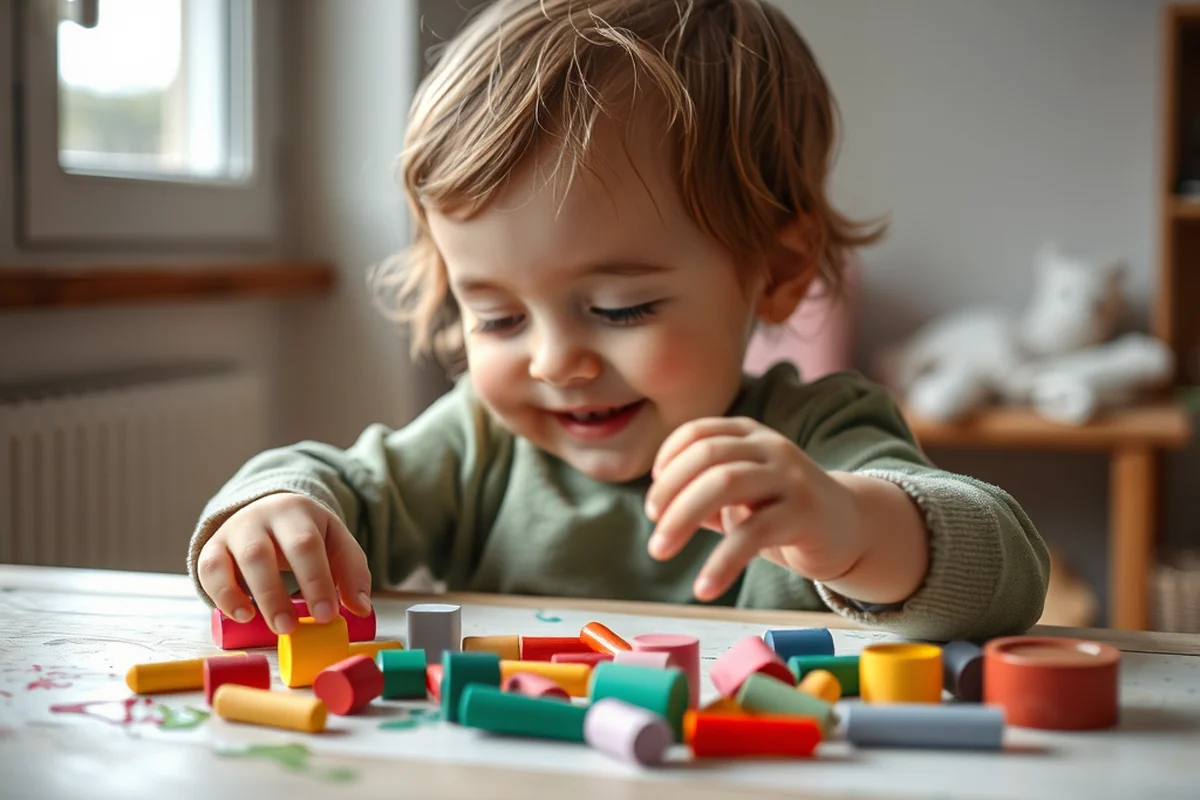
Watercolor painting has been one of the most popular activities in our home. I’ve found that it’s a perfect first step for children who are just beginning to explore art. The colors blend beautifully and the mess is manageable with a bit of effort.
I once used a set of washable watercolors with my three-year-old, and he was amazed at how the colors spread and mixed on the paper. He spent over an hour experimenting with different combinations, and it was a joy to watch his creativity unfold.
One of the best things about watercolor painting for children is that it’s so versatile. You can use it on paper, canvas, or even cardboard, and it’s easy to find affordable sets that are safe for little hands.
Watercolor painting is like opening a door to a world of color — and the only thing that can stop you is your imagination.
Related: Easy painting crafts for toddlers
Finger Painting: A Messy But Magical Experience
Finger painting is one of the most beloved activities in my child’s repertoire. It’s messy, it’s fun, and it’s a way for kids to explore the world through touch and color. I’ve watched my child explore a pool of paint with both hands, leaving behind a trail of vibrant colors.
I once used a tray filled with finger paints and a large paper sheet, and my child spent over 30 minutes creating a massive abstract painting. He was completely absorbed in the process, and it was a rare moment of pure, unfiltered creativity.[1]
What I love about finger painting is that it’s completely open-ended. There are no rules, no expectations — just the joy of getting messy and making something beautiful with your hands.
Use a tray to contain the paint and protect your floors. Choose washable paints and be ready to clean up quickly — it’s part of the fun.
“I remember the day my three-year-old son first dipped his finger into a puddle of watercolor and smudged a rainbow across the kitchen wall.”— Messysenses editors
Related: Painting activities for preschool
DIY Paint Pots: A Simple and Cost-Effective Option
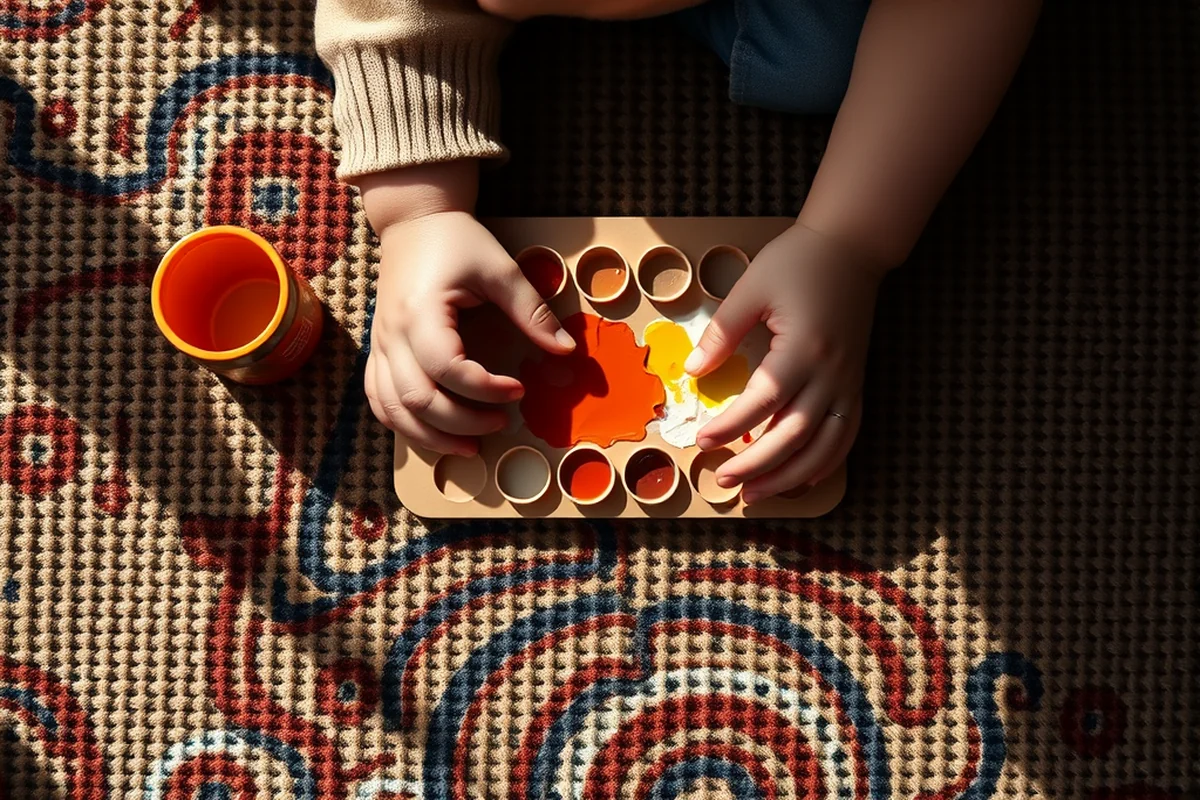
I found that making DIY paint pots was a great way to keep costs low while still providing my child with a creative outlet. All I needed was a few paper cups, some food coloring, and water — and that was enough to create a variety of colors for painting.
One of the most rewarding parts of this activity was watching my child mix different colors together and discover new shades. It was a hands-on way for him to learn about color theory and blending without the need for expensive art supplies.
The best part of making DIY paint pots is that it’s a very flexible activity. You can use it on paper, cardboard, or even fabric, and it’s a great option for children who are just starting to explore painting.
Related: Hello kitty coloring sheets
Painting on Canvas: A Step Toward More Advanced Techniques
When my child turned four, I decided to introduce him to painting on canvas. It was a big step from the simple paper sheets we used before, and I was surprised by how quickly he adapted to the new medium.
I used a small canvas and a set of washable paints, and he was immediately drawn to the smooth surface. He spent nearly an hour painting a picture of his favorite dinosaur, and I was amazed at how focused he was on the task.
Painting on canvas is a great way to help children develop their skills and learn about different textures and surfaces. It’s also a way to create more permanent artwork that can be displayed and enjoyed for years to come.
Related: Painting projects for toddlers
Collaborative Painting: A Way to Bond and Build Teamwork
I’ve found that collaborative painting is a great way to bring people together — whether it’s my child and I working on a single piece or a group of children creating something together. It’s a way to teach them about teamwork and shared goals.
I once organized a collaborative painting session with my child and a few friends, and it was a blast to watch them all work together on a large canvas. Each child had their own color, and it was amazing to see how they combined their efforts to create a beautiful piece.
Collaborative painting is not only fun — it’s also a powerful way to teach children about communication, compromise, and the value of working together to achieve something greater.
When children paint together, they don’t just create art — they create memories and build bonds.
Related: My little pony coloring pages
Using Natural Materials for Painting: A Unique and Sensory Experience
I once tried a painting activity using natural materials like leaves, flowers, and even pieces of bark. It was a different kind of experience — one that involved touching, smelling, and even tasting the materials.
My child loved pressing leaves and flowers into paint to create unique patterns. It was a way for him to explore the world around him and discover new textures and colors in a way that was both educational and fun.
What I found most fascinating about using natural materials was how it sparked curiosity in my child. He asked questions about the plants and their names, and it turned into a mini science lesson without even realizing it.
🎨 Gentle Approach
Perfect for younger children who are just starting to explore art. Focuses on sensory experience and minimal mess.
⏱️ Fast-Track Painting
Ideal for busy parents who want a quick, engaging activity that can be completed in under 30 minutes.
🧳 Travel-Friendly Painting
A no-mess option for on-the-go families, using portable materials like washable markers and travel-sized paint kits.
👨👩👧👦 Activities for Multiples
Designed for parents with more than one child, offering activities that encourage collaboration and shared creativity.
🔄 Regression Reset
A special approach for times when creativity seems to stall — helps rekindle interest in painting through new techniques and materials.
| The mistake | Why it happens | The fix |
|---|---|---|
| Using non-washable paints | Non-washable paints can be difficult to clean and may leave stains on skin, clothing, or surfaces. | Always choose washable, non-toxic paints designed for children. They are easier to clean and safer for young hands. |
| Forcing creativity | Forcing a child to create a specific image or follow a set of instructions can discourage them and make the activity feel like a chore. | Let your child lead the way. Encourage exploration and allow them to create freely without pressure or expectations. |
| Not cleaning up properly | Failing to clean up after a painting session can lead to a mess that is hard to remove and may discourage future activities. | Always be prepared with cleaning supplies, and teach your child the importance of cleaning up after themselves. Make it part of the fun. |
| Using too many materials at once | Overwhelming a child with too many options can lead to confusion and a lack of focus during painting activities. | Start with a small selection of materials and gradually introduce new ones as your child becomes more comfortable with the activity. |
Painting Activities For Children
Common Questions
What age is best for introducing painting activities for children?
How do I choose the right painting tools for my child?
How can I make painting activities less messy?
What are some creative ways to incorporate painting into daily routines?
References
- Creative Activities | The Art Institute of Chicago (artic.edu)
- Educating Ourselves about Childhood Arts Experiences—and Why ... (arts.gov)
- Sensory Exploration with Paint in the Twos | Bing Nursery School (bingschool.stanford.edu)
- Infant and Toddler Activity Pages: Mess Free Paint (canr.msu.edu)
Cite this guide
Messysenses (2026). Painting Activities For Children. https://messysenses.com/painting-activities-for-children/
Feel free to cite or share this guide.