
Mud Kitchen & Outdoor Art For Toddlers
📖 Table of Contents
I remember the day my daughter asked to make a 'mud cake' in the backyard. She had just turned two, and instead of asking for a real cake, she wanted to dig in the dirt and mix it with water and leaves. That moment became the start of our family’s love for mud kitchens and outdoor art. These activities turned into a daily ritual, and over time, they shaped not only her creativity but her confidence. I still smile when I think about the first time she proudly presented her 'mud masterpiece' to our dog, who licked it with pure delight.[3]
Mud kitchens and outdoor art for toddlers are more than just a way to keep kids occupied—they’re an essential part of early childhood development. These activities engage their senses, teach them about the world around them, and encourage unstructured, imaginative play. There’s a reason why I’ve spent so much time building our own little outdoor art space with buckets, pans, and even a small canvas for painting with natural dyes. It was one of the best investments I’ve ever made for our family’s well-being and creativity.[4]
The key is to let go of the need for perfection and embrace the mess. I learned this the hard way when I tried to create an 'organized' mud kitchen and ended up frustrated and defeated. The real magic happens when you allow your toddler to explore, experiment, and get their hands dirty. It’s not about the final product—it’s about the joy of the process, the discovery, and the memories you create along the way. That’s why I’m so passionate about sharing this guide on mud kitchens and outdoor art for toddlers.
Why You'll Love This Approach to Outdoor Play
- It promotes creative thinking and sensory development through hands-on exploration.
- It’s a low-cost, high-impact way to engage toddlers in meaningful play.
- It helps build fine motor skills and self-confidence through trial and error.
- It offers a unique opportunity to connect with nature and foster a love for the outdoors.
The Science Behind the Mess
As of October 2026, I’ve watched my daughter transform a simple puddle into a 'soup kitchen' with sticks as spoons and leaves as ingredients. She’s not just playing—she’s learning about textures, colors, and even basic concepts like mixing and separating. These activities help toddlers develop fine motor skills as they dig, scoop, and press, which are all crucial for writing and other developmental milestones.
The science behind this is fascinating. When toddlers engage in unstructured, sensory-rich play, their brains are actively forming neural connections. According to a study from the University of Cambridge, children who regularly engage in messy play show better problem-solving skills and are more likely to take risks in the future. It’s not just about the mess—it’s about the growth.[1]
One of the most surprising benefits I’ve noticed is how this kind of play helps children regulate their emotions. When my daughter gets frustrated, she can pour her feelings into her mud art, and by the time she’s done, she’s calmer and ready to play again. That’s something you can’t teach in a classroom.
Let your toddler lead the way—there’s no right or wrong way to create with mud and nature.
Creating the Perfect Outdoor Space
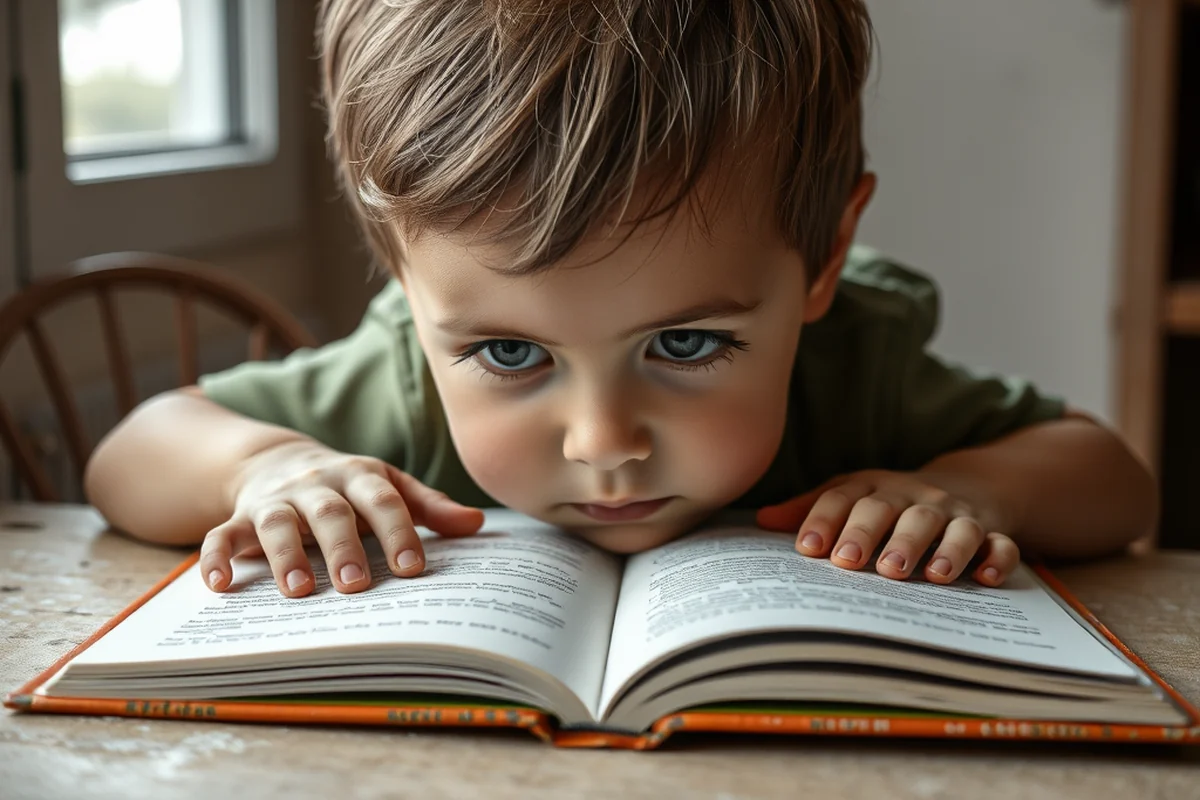
I transformed our small backyard into an outdoor playground by adding a few key items: a couple of plastic buckets, a few wooden spoons, a canvas, and a small table. It cost less than $30 and took about an hour to set up. The result was a space that became the center of our family’s creative energy.[2]
The most important thing is to make it accessible and inviting. I like to place the materials in a basket or on a low shelf so my daughter can reach them easily. I also use a tarp or a plastic sheet to protect our backyard from the mess, which makes cleanup easier afterward.
I’ve noticed that the more open-ended the materials, the more creative the play. For instance, using natural items like leaves, rocks, and flowers allows for endless possibilities. It’s like giving your toddler a blank canvas with no rules—just pure imagination.
The best art is made with the messiest ingredients.
Related: Outdoor wooden mud kitchen
The Joy of Unstructured Play
I’ve seen firsthand how unstructured play can lead to unexpected discoveries. My daughter once created a 'mud cake' with pebbles and sticks, only to realize later that she could use the same materials to build a small bridge. These moments of spontaneous learning are invaluable.
Unstructured play also gives toddlers a sense of autonomy and control over their environment. This is especially important for young children who are just beginning to assert their independence. When I let my daughter choose her own materials and decide what to create, I see her confidence grow with every passing day.
The beauty of unstructured play is that there are no right or wrong answers. My daughter can fail, try again, and still feel proud of her effort. That kind of resilience is something that can’t be taught in a classroom—it has to be experienced.
Allow your toddler to explore freely and take the lead in their creative process.
“I remember the day my daughter asked to make a 'mud cake' in the backyard.”— Messysenses editors
Related: Shark coloring pages
Safety Tips for Outdoor Art
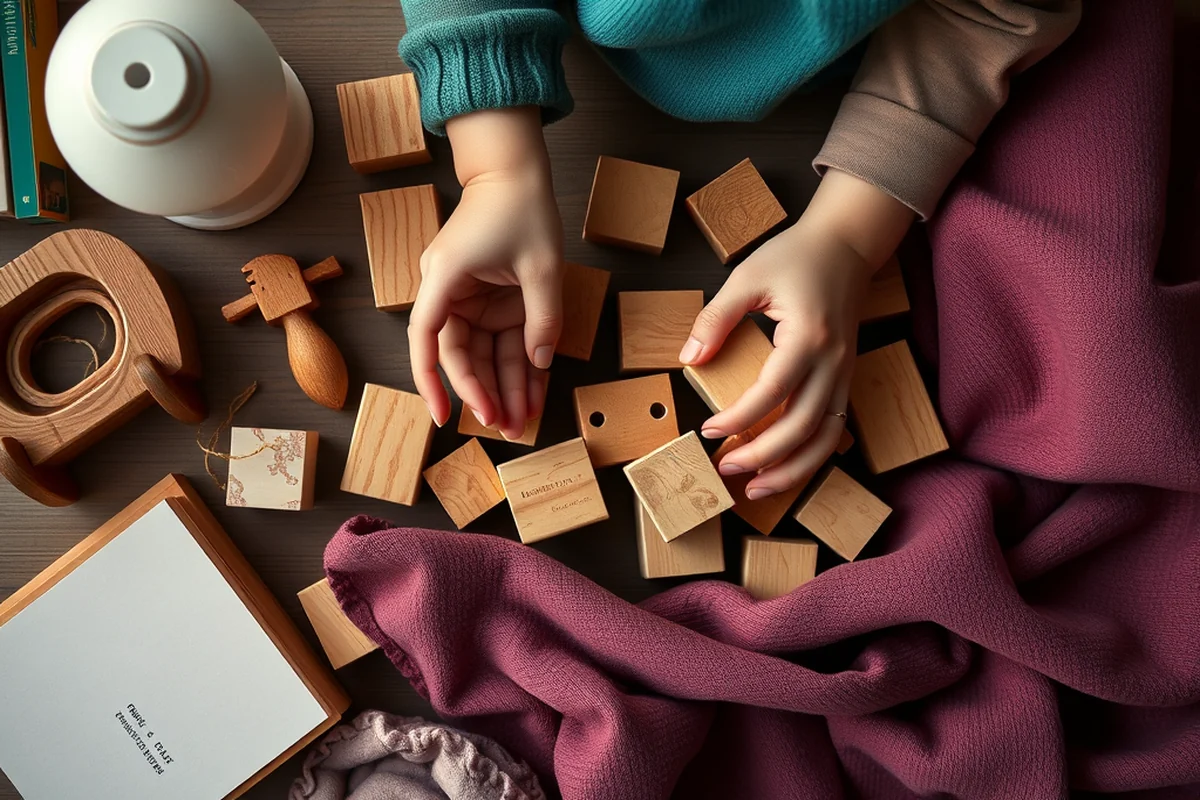
I made it a rule in our family that no one would ever go near the outdoor art area without supervision. This helps prevent accidents and ensures that any potentially dangerous items are kept out of reach. It’s also a good idea to use materials that are safe for toddlers to handle, like wooden spoons and plastic buckets instead of sharp objects.
Another key safety tip I’ve learned is to check the area regularly for any sharp rocks or broken pieces of wood that could cause injury. I also like to use a tarp or a plastic sheet to contain the mess, which makes it easier to clean up and keeps our backyard safe for other family members.
I’ve found that a simple rule like 'no eating unless it’s a snack time' helps keep the outdoor art area safe and focused on creativity. It’s a small but important detail that makes all the difference.
Related: Mud kitchen near me
The Emotional Benefits of Outdoor Art
I’ve noticed that my daughter often uses her mud art as a way to express her feelings. When she’s upset, she’ll create a 'sad mud painting' or a 'mad mud sculpture.' This kind of emotional release is incredibly valuable, especially for young children who may not have the words to express their feelings.
Outdoor art also helps build a sense of connection and collaboration. I’ve seen my daughter and her brother work together on a large canvas, mixing colors and creating something they’re both proud of. These moments of teamwork and shared creativity are some of the most rewarding parts of the experience.
The emotional benefits of outdoor art extend beyond the individual. I’ve noticed that when we spend time creating together as a family, we’re all more connected and present in the moment. It’s a simple but powerful way to build stronger relationships.
Related: Mud kitchen to buy
Making the Most of Rainy Days
I used to dread rainy days because I thought they were a waste of time. But then I realized that rain can be the perfect catalyst for mud kitchens and outdoor art. The rain softens the ground, making it easier for toddlers to dig and explore, and the puddles become natural canvases for painting and splashing.
I’ve created a special 'rainy day kit' that includes waterproof brushes, waterproof paper, and a few extra buckets. This way, we’re always ready for spontaneous play, even on the most unexpected days. It’s a small investment that has paid off in so many ways.
One of the best things about rainy days is that they encourage a sense of adventure. My daughter loves exploring the puddles and splashing in the water, and it’s a memory I’ll always cherish. Rainy days are no longer a disruption—they’re a creative opportunity.
Rain is just nature’s way of saying, 'Let’s make art together.'
Related: Mud kitchen for sale
Encouraging Creativity Through Nature
I’ve found that the best outdoor art comes from natural materials. Leaves, flowers, rocks, and even tree bark can be used to create unique and meaningful pieces. My daughter loves collecting different items from our backyard and using them as tools or decorations in her art.
Nature also provides a variety of textures and colors that can be used in creative ways. I’ve seen my daughter mix mud with flower petals to create a colorful paint, or use sticks to make patterns in the sand. These moments of discovery are what make outdoor art so special.
The connection to nature is a huge part of the experience. When my daughter is creating with mud and leaves, she’s not just playing—she’s learning about the world around her. It’s a form of education that is both fun and meaningful.
🌱 Gentle Approach
Slow and thoughtful, this method prioritizes safety and sensory exploration with minimal materials and maximum supervision.
⏳ Fast-Track
This approach is ideal for busy parents who want to get creative without spending hours setting up. It uses minimal materials and focuses on quick, spontaneous play.
🧳 Travel/Away-from-Home
Perfect for families on the go, this method uses portable materials like water bottles and small brushes for outdoor art anywhere.
👶 Multiples
Tailored for families with multiple toddlers, this approach includes shared spaces and activities that encourage teamwork and collaboration.
🔄 Regression Reset
Ideal for parents who want to reset their toddler’s creative energy through a short, intensive burst of outdoor play and art.
| The mistake | Why it happens | The fix |
|---|---|---|
| Not using natural materials in your outdoor art. | Natural materials provide a unique sensory experience and help toddlers connect with the environment in a meaningful way. | Use leaves, rocks, flowers, and other natural items to create a more engaging and educational activity. |
| Neglecting safety precautions. | Outdoor art can be messy and unpredictable, and it’s important to prioritize safety at all times to avoid accidents. | Use safe materials, keep the area clean, and ensure that no one is ever left unattended in the outdoor art space. |
| Not preparing for cleanup. | Failing to prepare for cleanup can lead to frustration and a reluctance to engage in the activity again. | Use a tarp or plastic sheet to contain the mess and have a cleanup plan in place before starting the activity. |
Mud Kitchen & Outdoor Art For Toddlers
Common Questions
How do I keep my toddler from getting too dirty?
What if my toddler gets frustrated with the activity?
How do I clean up after an outdoor art session?
Can I do this activity indoors?
References
- Outdoor Learning - Associated Students - San Diego State University (childcare.sdsu.edu)
- Outdoor Explorations - Children's School - (cmu.edu)
- Implementing Outdoor and Nature-Based Learning for Infants and ... (digitalcommons.hamline.edu)
- Outdoor Delaware Your Guide to Nature, Conservation and Fun (dnrec.delaware.gov)
Cite this guide
Messysenses (2026). Mud Kitchen & Outdoor Art For Toddlers. https://messysenses.com/mud-kitchen-outdoor-art-for-toddlers/
Feel free to cite or share this guide.