
Process Art Activities For Toddlers
📖 Table of Contents
- What Is Process Art and Why It Works for Toddlers
- How to Set Up a Process Art Station
- The Benefits of Process Art for Toddlers
- How to Choose the Right Materials for Your Toddler
- How to Handle the Mess of Process Art
- How to Encourage Your Toddler During Process Art
- Tips for Keeping Process Art Activities Engaging and Fun
- Make It Your Way
- Frequently Asked Questions
I still remember the day my two-year-old daughter smeared paint across her face, giggling as she turned into a walking masterpiece. It was messy, it was chaotic, and it was exactly what she needed. Process art activities for toddlers aren’t about creating a finished product — they’re about the joy of getting messy, the thrill of discovery. The way a toddler’s hands can transform a blank canvas into a world of wonder. These activities have become a cornerstone of our family’s creative time, not because they’re perfect, but because they’re real, messy, and full of learning.
I first stumbled into process art when my daughter was just 18 months old. We had a small tub of water, some paper, and a few sponges. Within minutes, she was splashing, pressing, and laughing — and it was magic. Process art activities for toddlers are about letting them explore, experiment. Express themselves without the pressure of 'doing it right.' It’s messy, but it’s also incredibly valuable — for their creativity, their fine motor skills, and their confidence.[1]
Since then, I’ve tried dozens of process art activities for toddlers, from finger painting with yogurt to pouring water into containers. Not every experiment worked, and some were a disaster — like the time we tried to make a 'rainbow puddle' with food coloring and ended up with a mess that took hours to clean. But even those 'failures' were learning moments. Process art is about the journey, not the destination, and it’s a powerful tool for toddlers who are still discovering the world through their senses.
Why You'll Love This Approach to Art
- Encourages unstructured creativity and self-expression
- Builds fine motor skills and hand-eye coordination
- Teaches problem-solving through trial and error
- Creates a mess-free environment with easy cleanup
What Is Process Art and Why It Works for Toddlers
As of October 2026, Process art is all about the journey, not the result. Toddlers get to explore different textures, colors. Materials without the pressure of making something 'perfect.' I’ve seen my daughter take a handful of flour, pour it into a bowl of water, and spend an hour watching it swirl and mix — and she was happy the whole time. This kind of activity is powerful because it lets toddlers learn through their senses, and it doesn’t require any advanced skills or expensive supplies.
The best part is that process art activities for toddlers don’t require any artistic talent or planning. It’s about giving them the freedom to experiment, create, and explore. I’ve used everything from rice and beans to shaving cream and playdough. My favorite was when we made a 'sensory bin' with sand and small plastic animals — she spent 45 minutes digging and searching, and it was like watching her brain light up.[2]
This approach works because it allows toddlers to think, problem-solve, and express themselves in their own unique way. There’s no right or wrong answer, and that’s exactly what makes it so valuable for young learners.
Let your toddler keep the mess — it’s a powerful way to build confidence and independence. Just make sure to pick up after them and keep the activity contained to one area.
How to Set Up a Process Art Station
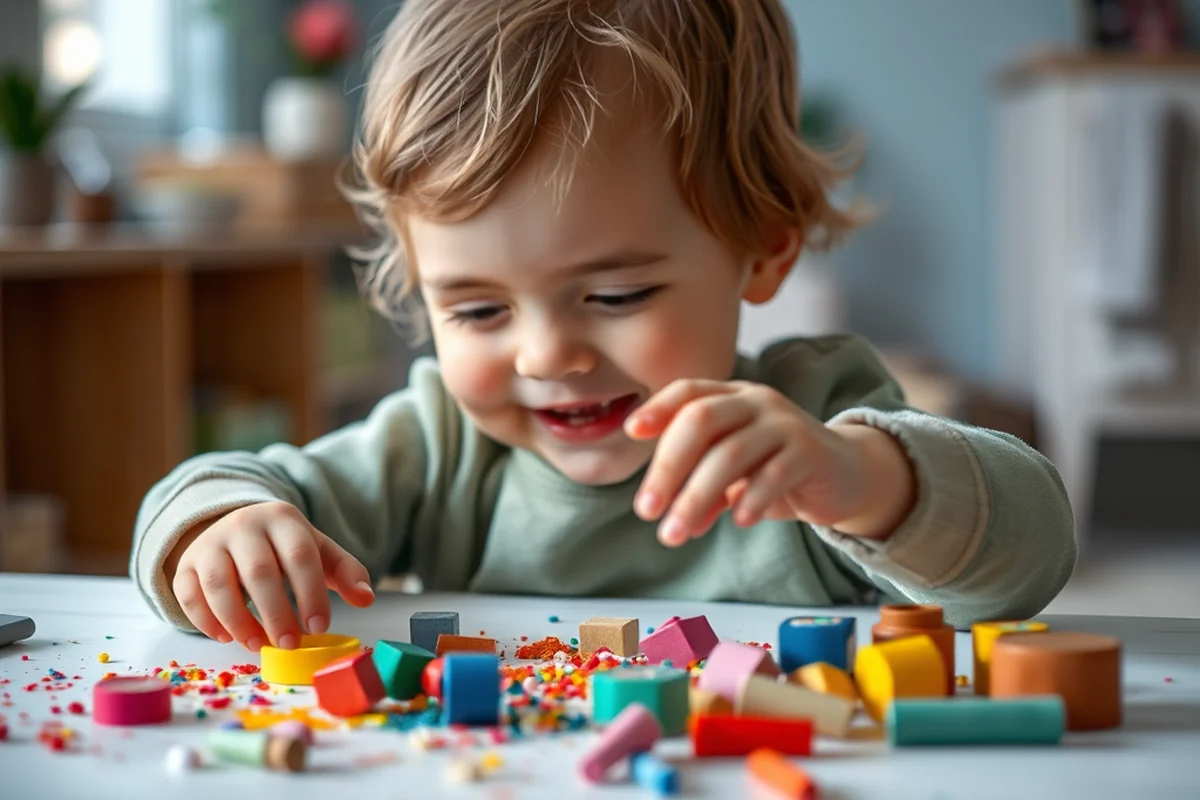
Setting up a process art station is simple and doesn’t require a lot of materials. I like to use a low table or a large tray and cover it with a waterproof sheet or old newspaper. Then I add a few different materials — like paint, water, flour, or sand — and let my toddler explore. The key is to keep it open-ended and to avoid overloading them with too many options.
I’ve found that toddlers respond best to activities that are sensory-rich and allow them to move and touch. I’ve used a small bucket of water, some paper, and a few sponges — and it was enough to keep my daughter entertained for over an hour. It’s also important to keep the space safe, so I always make sure to remove any sharp objects or small parts that could be a choking hazard.
One of the most important things I’ve learned is that process art activities for toddlers are about having fun and discovering new things together. It’s not about teaching them how to draw or color — it’s about letting them explore, express themselves, and create freely.
It’s not about the art — it’s about the experience.
Related: How to coloring books for adults
The Benefits of Process Art for Toddlers
Process art is more than just a fun activity — it’s a powerful tool for learning and development. My daughter’s fine motor skills have improved dramatically since we started doing these activities. I’ve noticed that she’s able to pick up small objects more easily, and her hand-eye coordination has gotten better too. It’s amazing how much she’s learning without even realizing it.
In addition to motor skills, process art also helps with emotional development. My daughter has become more confident and expressive, and she’s learned to tolerate frustration and stick with a task. I’ve seen her try again and again after a 'mess-up,' and it’s been a huge confidence booster.
Sensory development is also a big part of process art. Toddlers are learning to explore different textures, colors, and materials through their hands and eyes. This kind of hands-on learning is crucial for their overall development and helps them make connections in new and exciting ways.
Use non-toxic materials and always supervise your toddler during process art activities. Keep the space clean and easy to manage.
“I still remember the day my two-year-old daughter smeared paint across her face, giggling as she turned into a walking masterpiece.”— Messysenses editors
Related: How to sketch ideas
How to Choose the Right Materials for Your Toddler
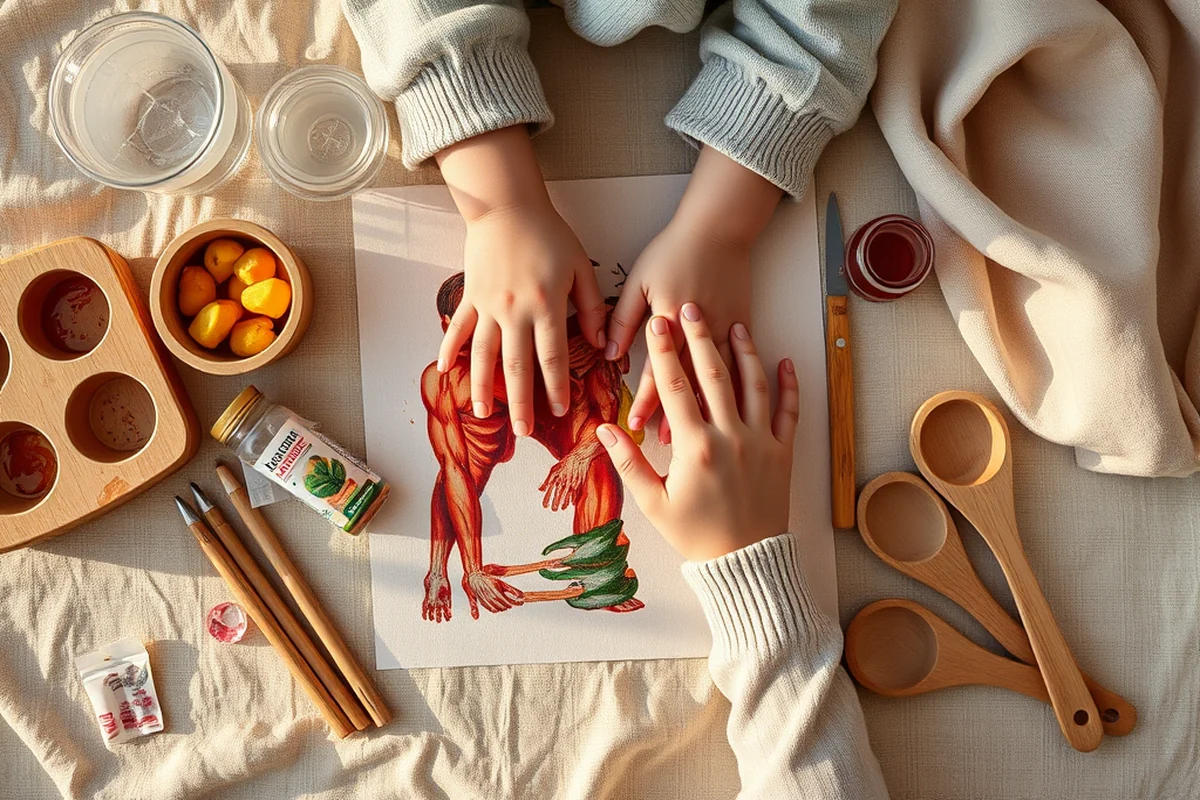
Choosing the right materials for process art activities for toddlers is essential. I’ve found that natural materials like sand, water, and playdough are some of the most popular and effective. They’re safe, easy to use, and they can be used in a variety of ways. I’ve also used fabric scraps, paper towels, and even leaves for some of our activities, and they’ve all been a hit.
I always make sure to choose non-toxic, child-safe materials — especially if my toddler is going to be putting things in her mouth. I’ve learned that some paints and inks can be harmful if swallowed, so I look for products that are specifically labeled as safe for children. This is especially important during the early stages of process art, when toddlers are still exploring the world through their mouths.
It’s also important to consider your toddler’s interests and developmental stage. I’ve used a lot of sensory bins with small toys and objects, and they’ve been a great way to keep my daughter engaged. I’ve also used paint and brushes, but I’ve found that she prefers using her hands to create messy masterpieces instead.
Related: What is a adult coloring book
How to Handle the Mess of Process Art
Mess is a natural part of process art, and I’ve learned to embrace it rather than fight it. I’ve found that the best way to handle the mess is to be prepared and to keep things contained. I always use a large table or a tray and cover it with a waterproof sheet or newspaper. This makes cleanup easier and keeps the mess to one area.
I’ve also learned that it’s important to be flexible and not get frustrated if things get messy. My daughter has a habit of splashing water everywhere during her process art time, and it can be a bit overwhelming at first. But I’ve learned that it’s part of the process — and it’s also a way for her to learn about cause and effect, and to explore new textures and sensations.
To make cleanup easier, I always have a few towels and a bucket of water nearby. I’ve also found that using a spray bottle to clean surfaces is a quick and effective way to manage the mess. It’s all about being prepared and having the right tools on hand.
Related: A flower drawing
How to Encourage Your Toddler During Process Art
Encouragement is one of the most important aspects of process art activities for toddlers. I’ve found that my daughter responds best to positive reinforcement — even if she’s just smearing paint on a paper. I’ve learned that it’s important to be patient and to let her explore at her own pace, without pressure or expectations.
I also like to be involved in the process, even if I’m not the one creating the art. I’ve found that sitting next to my daughter and talking about what she’s doing helps her feel more connected and supported. I’ve also used simple prompts like, 'What color is that?' or 'What does it feel like?' to help her think and express herself.
It’s also important to be present and to celebrate her efforts, even if the result isn’t perfect. I’ve learned that toddlers don’t care about the final product — they care about the experience and the joy of creating something with their hands. That’s why I always take a moment to praise her for her creativity and her effort, no matter what she makes.
Celebrate the mess — it’s where the magic happens.
Related: Art for kids hub cute animals
Tips for Keeping Process Art Activities Engaging and Fun
Keeping process art activities fun and engaging for your toddler is all about variety, creativity, and play. I’ve found that changing up the materials and the activities keeps my daughter interested and excited. I’ve used everything from paint and water to flour and sand, and she’s never gotten bored of it.
I also like to mix in different sensory experiences, like adding music or movement to the activity. I’ve found that playing soft music or singing along while she’s creating helps her feel more relaxed and focused. It’s also a great way to bond and connect with her during the process.
Another tip is to let your toddler take the lead — after all, process art is about their creativity and their interests. I’ve learned that following her lead and letting her explore what she’s curious about makes the experience more meaningful and enjoyable for both of us.
🎨 Gentle Process Art
For toddlers who are still learning to manage their emotions, gentle process art uses soft materials and simple tools to create a calm, soothing experience.
⏱️ Fast-Track Process Art
Designed for busy parents, fast-track process art uses quick, easy materials that can be set up and cleaned up in under 20 minutes.
🧳 Travel/away-from-home Process Art
Perfect for on-the-go parents, this variation uses portable, non-messy materials that can be easily brought to parks, restaurants, or family gatherings.
👶 Multiples Process Art
Ideal for parents with more than one toddler, this approach includes materials and activities that can be shared and enjoyed by multiple children at once.
🔄 Regression Reset Process Art
Designed to help toddlers who are going through a developmental phase or regression, this variation uses familiar, comforting materials to promote security and learning.
| The mistake | Why it happens | The fix |
|---|---|---|
| Overloading the toddler with too many materials | Too many options can overwhelm a toddler and make the activity confusing or stressful. | Keep the materials simple and focused on one or two items at a time. |
| Being too directive with the toddler’s choices | Toddlers need the freedom to explore and create on their own terms — being too controlling can make the experience feel forced. | Let your toddler lead the activity and encourage them to make choices about what they want to do. |
| Ignoring the mess and not cleaning up | Leaving the mess unaddressed can create a chaotic environment and make it harder for your toddler to focus on the activity. | Be proactive about cleaning up, even if it’s just a quick wipe down after the activity is done. |
| Not being present during the activity | Toddlers need support and encouragement, especially when they’re exploring new materials and ideas. | Be present and engaged during the activity, even if you’re not the one creating the art. |
Process Art Activities For Toddlers
Common Questions
What should I do if my toddler gets frustrated during process art?
Can process art activities be done indoors or only outdoors?
How often should I do process art activities with my toddler?
Are there any age restrictions for process art activities?
References
- Employee Guidelines | Seguin, TX (seguintexas.gov)
- Opening a Window to Foster Children's Self-Confidence through ... (files.eric.ed.gov)
Cite this guide
Messysenses (2026). Process Art Activities For Toddlers. https://messysenses.com/process-art-activities-for-toddlers/
Feel free to cite or share this guide.